3 Piece Kurti Sets Wholesale Supplier in UK — Export from Surat
3 Piece Kurti Sets manufactured in Surat and shipped to London, Leicester, Birmingham, Manchester, Coventry and Glasgow — mixed lots, private label and festival-ready supply windows for UK retailers and boutiques.
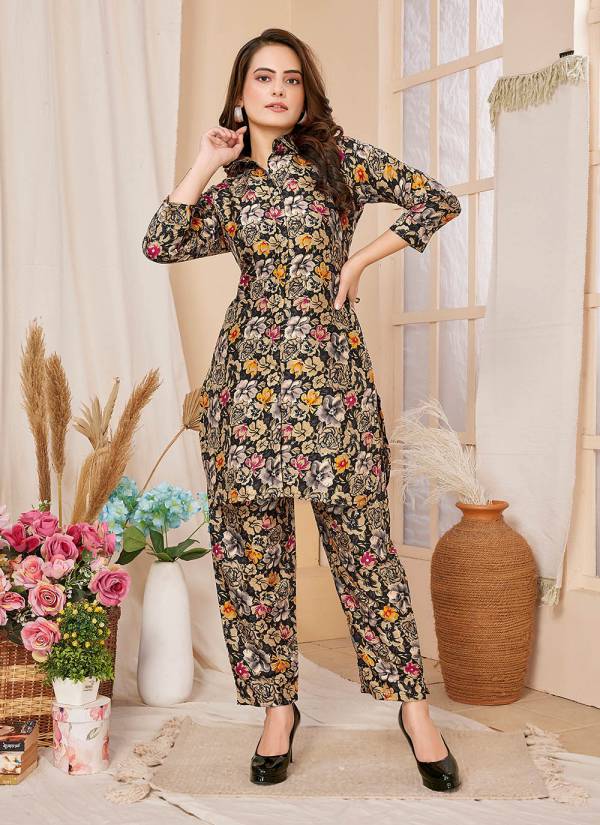
The 3-piece kurti set — kurti, bottom, dupatta — is the single most reordered product in UK ethnic retail, and for good reason: it sells as a complete decision, it gifts well, and it photographs as one story. Boutiques from Wembley to Leicester run their core business on this category.
3-piece kurti sets, gowns, party suits and sarees dominate UK orders, driven by the huge British-Indian community across London, Leicester and the Midlands.
What UK buyers order
- Coordinated kurti, bottom and dupatta in one packed unit
- Rayon sets for daily retail, embroidered sets for events
- Complete size runs per design, packed as shelf-ready sets
- Fast colour-story rotation matched to UK retail drops
Why UK buyers stay with us
- Mixed-lot ordering — sizes, colours and designs combined to reach viable minimums without over-buying any single style
- Festival calendar planning — production slots reserved ahead of UK's diwali, eid, the summer wedding season and navratri garba nights
- Private-label ready — your tags, your packaging inserts, your barcodes
- Photography-friendly finishing — pieces arrive pressed and shelf-ready, cutting your content-creation time
- UK buyers are among the most design-literate in the trade — they ask about colour trends two seasons ahead and expect a supplier who can translate a mood board into a production run without hand-holding.
Shipping to UK
Sea freight runs 3–4 weeks to Felixstowe and Southampton; air freight handles the festival replenishment rush. Full export documentation with preference certificates where applicable.
Sizing, grading and private label for UK
Size runs are graded for the market we ship to. We grade our size runs for the market we ship to — UK buyers typically request fuller cuts or extended sizing, and our pattern team adjusts the base grading on confirmed orders.
- Extended and plus-size grading on adjusted patterns, not scaled-up standard charts
- Private-label tags, barcoded labels and packaging inserts applied before dispatch
- Care labels and fibre declarations prepared for UK retail compliance
- Photographed pieces with consistent backgrounds so your listings go up without a reshoot
What a first 3 piece kurti sets order looks like
The entry path is deliberately low-risk: an enquiry with your quantity range, a video walk-through of current stock and catalogues, then physical samples of the shortlisted pieces. First orders typically run 20–50 pieces per design mixed across sizes and colours for garments, or 500–1,000 metres per shade for fabric programmes — enough to test the shelf without warehousing a season. The buyers who scale fastest treat the first order as a market test: they watch which designs move in the first fortnight, then use our mixed-lot structure to reorder the winners in depth while dropping the slow movers quietly.
Repeat programmes run on reserved capacity. Once a UK buyer confirms a seasonal programme, we hold loom and finishing slots against their calendar, keep their shade standards on file, and dispatch on a schedule their merchandising can plan around — the difference between a supplier who ships and a partner who plans.
Start with an enquiry
Send your wholesale 3 piece kurti sets for UK requirement across — quantities, shades, widths and the season you are planning for. The desk responds with costing, lead times and the sampling path, because a first order built on verified samples is the only first order we are interested in.
Kurti collections we manufacture and export
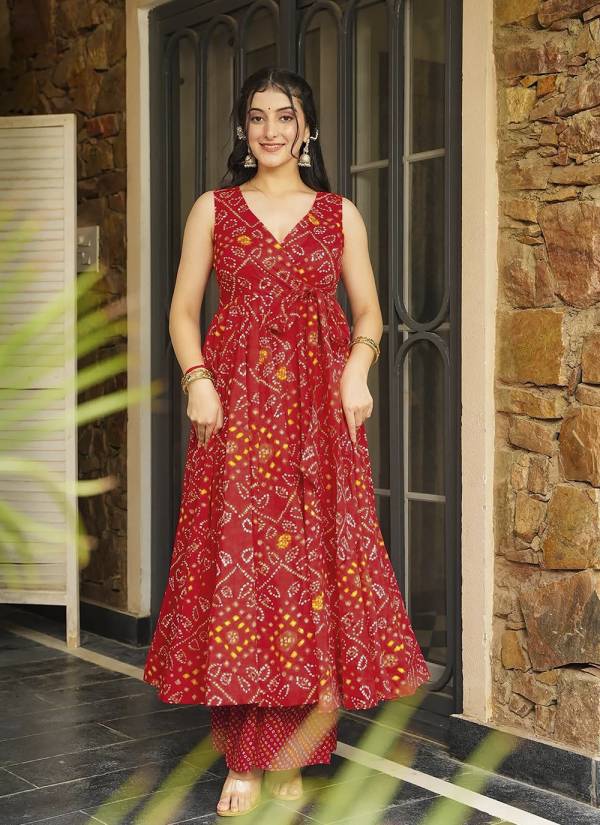
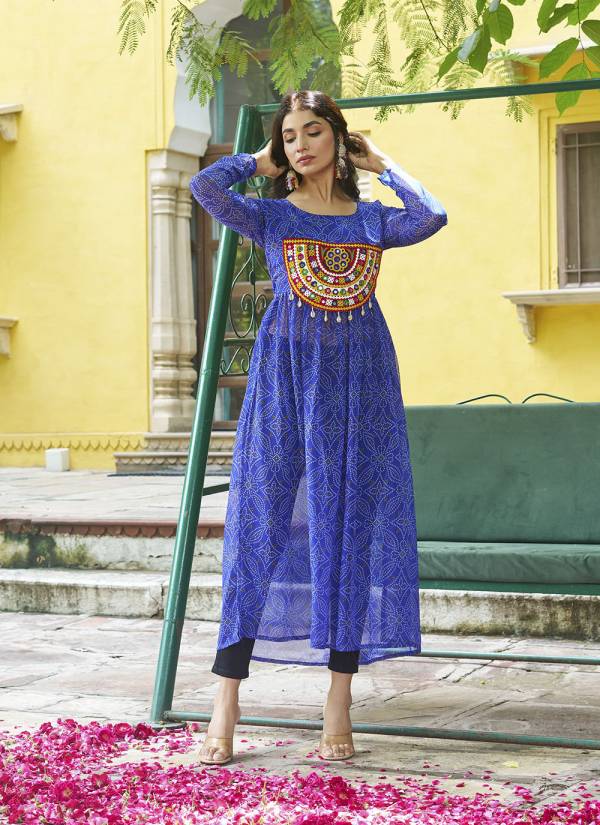
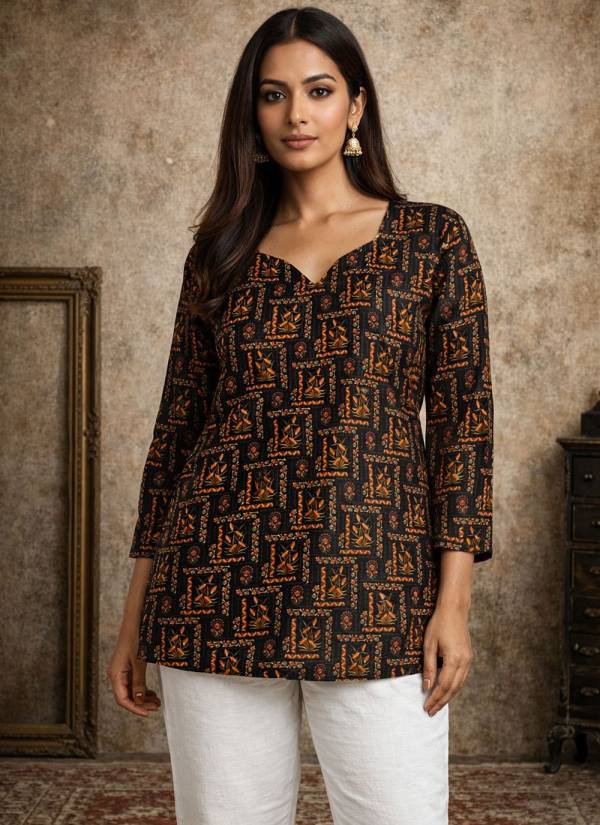
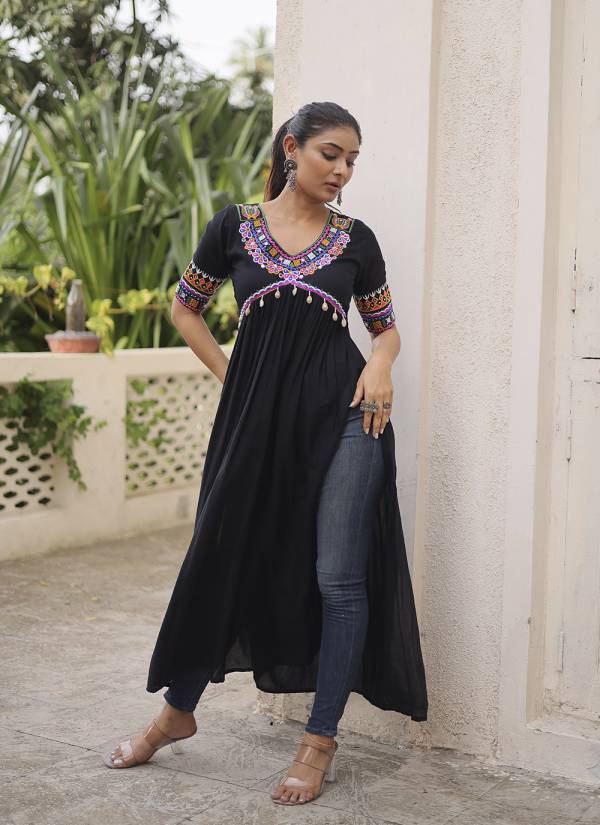
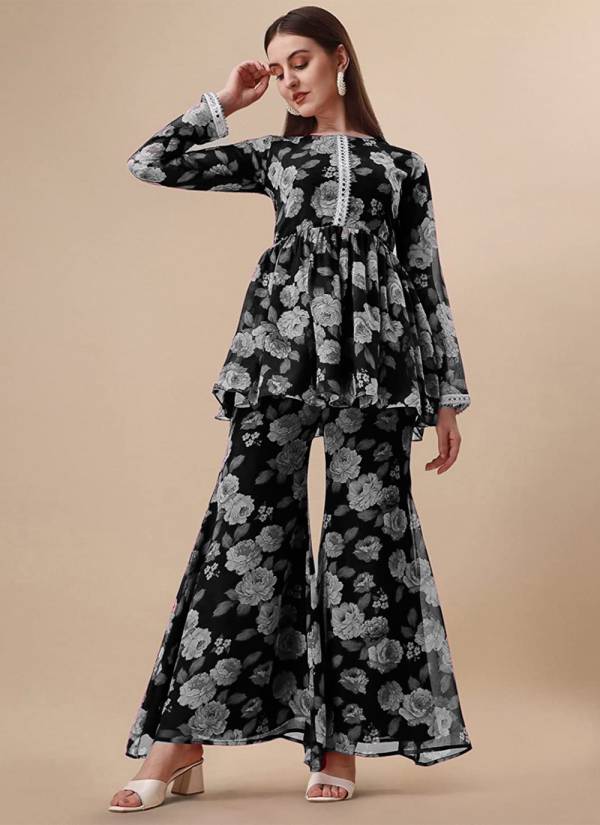
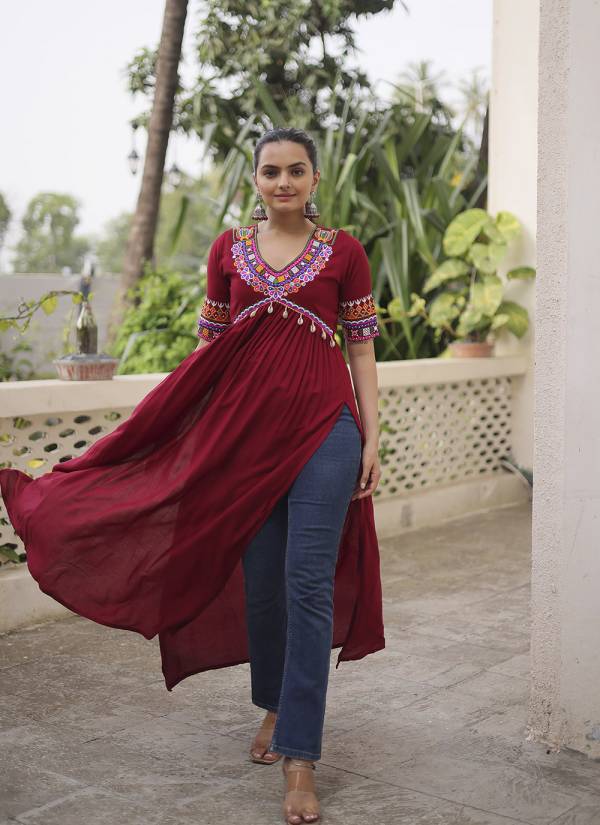
Our kurti programme covers the whole counter — the daily-wear rotation that sells twelve months a year and the occasion styles that spike with the festive calendar. The range runs from straight-cut daily kurtis in printed cotton and rayon through to designer embroidery-weight pieces, anarkali silhouettes and long kurtis that pair with palazzos for the two-piece merchandising story.
Bulk kurti programmes for UK are cut from fabrics we develop specifically for the category — breathable base cloths, print surfaces that register sharp detail, and embroidery placements that survive repeated washing. Size sets run S-XXL with consistent grading, and every lot ships size-banded and shelf-ready.
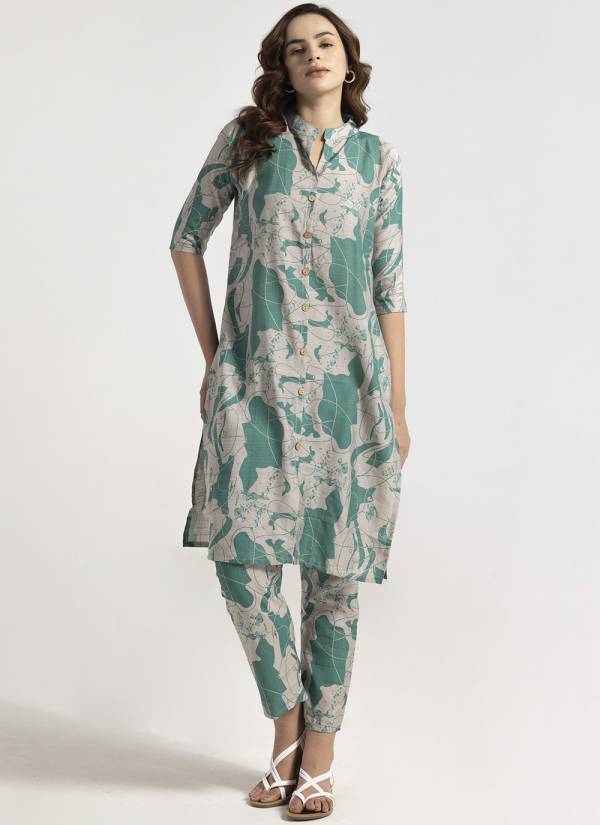
What moves fastest in diaspora and export markets is the coordinated set story — kurti with bottom and dupatta as one buying decision. Those programmes are engineered as sets from the start: same dye lot across all three pieces, packaging that keeps the set together through the warehouse, and a price architecture the retailer can merchandise without reworking.
- Designer Kurtis — wholesale export range
- Cotton Kurtis — daily wear bulk programme
- Printed Kurtis — print cluster fresh collections
- Anarkali Kurtis — occasion silhouette range
- Rayon Kurtis — drape-led everyday range
- Georgette Kurtis — party wear programme
Fabrics behind the range
Kurtis are engineered fabric-first: the same silhouette reads casual or festive purely on what it is cut from. Our programmes run the full ladder —
Fabric selection is where programme economics are actually decided — the difference between a 90 GSM and a 120 GSM base changes drape, cost structure, shipping weight and the price tier the finished product can hold. Our role is to make that selection explicit rather than accidental: spec sheets with weight, weave, width and finish on every quotation, samples that match the bulk spec exactly, and lot documentation that lets your QC team verify against the same numbers we shipped against.
The clusters behind this programme weave, dye, print, embroider and finish in the same industrial ring — which is why development moves in days and corrections move faster. That proximity is the quiet advantage behind every fabric programme we run.
The Surat advantage — a short history
Surat has been a textile trading city for longer than most trade routes have existed. Mughal-era ships carried the city's silk and cotton to the Persian Gulf and East Africa four centuries ago, and the British port records from the 1600s already describe a loom economy substantial enough to supply entire fleets. When the mill era arrived in the 1900s, Surat's weaving families simply moved from handlooms to powerlooms without letting go of the trading relationships that preceded them by generations.
The modern chapter began in the 1970s and 80s, when the city's mills took the synthetic-fibre revolution and ran with it. Polyester and nylon weaving, dyeing and printing grew into clusters — Ring Road, Sachin GIDC, Palsana — that today produce an outsized share of India's man-made fabric output. A city that once traded cloth now designs, weaves, dyes, prints, embroiders, stitches and exports it, all within a 30-kilometre industrial ring.
For an international buyer, this density is the practical advantage: the mill, the dyeing house, the embroidery unit and the packing floor sit close enough that a quality issue gets solved in a day, not a supply-chain quarter. Our desk works inside that ecosystem, and every page we publish is written from it.
About Ajmera Export — the brand behind this page
Ajmera Export operates where the buyer's risk actually lives: between the approved sample and the landed consignment. Our job is to make that gap boring. The company runs production and consolidation programmes across Surat's textile clusters — weaving to finishing to stitching to packing — under one accountable desk, so there is never a question of which vendor owns which defect.
The model is deliberately consolidated. One enquiry becomes one programme: fabric development, dyeing approval, stitching spec, private labelling if you want it, export packing to your market's retail standard, and documentation your customs broker does not have to interpret. Buyers running lean operations tell us the consolidation matters as much as the product — managing one supplier relationship costs less than managing five, in attention as much as in margin.
Our growth has come almost entirely from reorders and referrals, which in the Surat merchant community is both the cheapest and the least forgiving marketing channel available. A buyer who ships clean recommends you at a wedding, a family function, a trade association meeting. We like that economy. It keeps the standard where it belongs — on the floor, in the carton, at the port.
Why businesses choose us
- Direct desk access — the person quoting your order is accountable for shipping it
- Shrinkage, colourfastness and GSM testing on production lots, with results available on request
- Custom development welcomed — construction, weight and finish adapted to your market feedback
- Flexible order ladders that let a trial lot grow into a season programme without friction
- Long-term buyer economics: consistent reorders at consistent spec, with no drift between lots
Start your first order
Start the way most of our long-term buyers did: send one enquiry with what you stock today and where you want to take the programme. We reply with constructions or styles that fit your shelf, a counter-sample plan, and MOQ levels matched to your current volumes. Samples ship within days, approvals happen on your timeline, and the first production slot is booked the day you sign the strike-off.
The enquiry form on this page reaches the export desk directly, and WhatsApp works just as well for buyers who prefer trading-floor speed. Either way, the conversation that follows is a working one — spec, quantity, lead time, packing — not a brochure exchange.
Featured Range
Products for UK