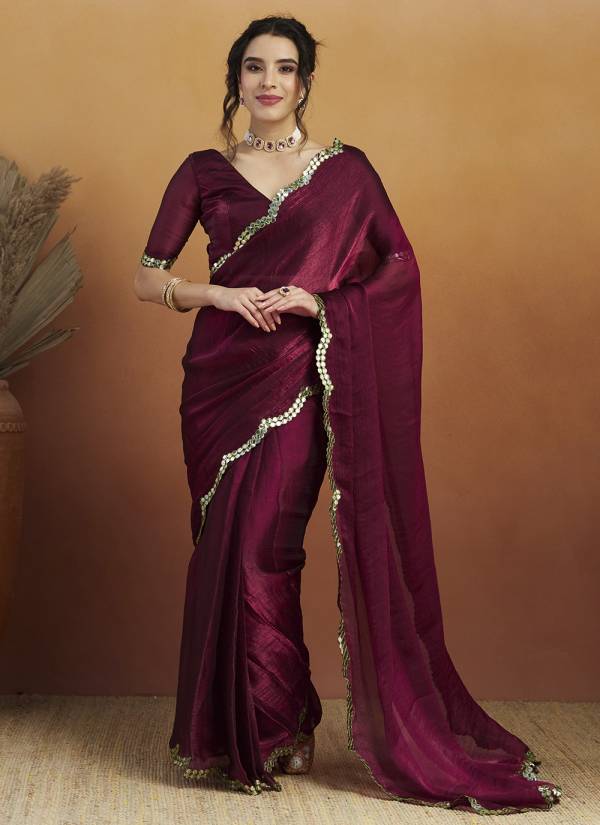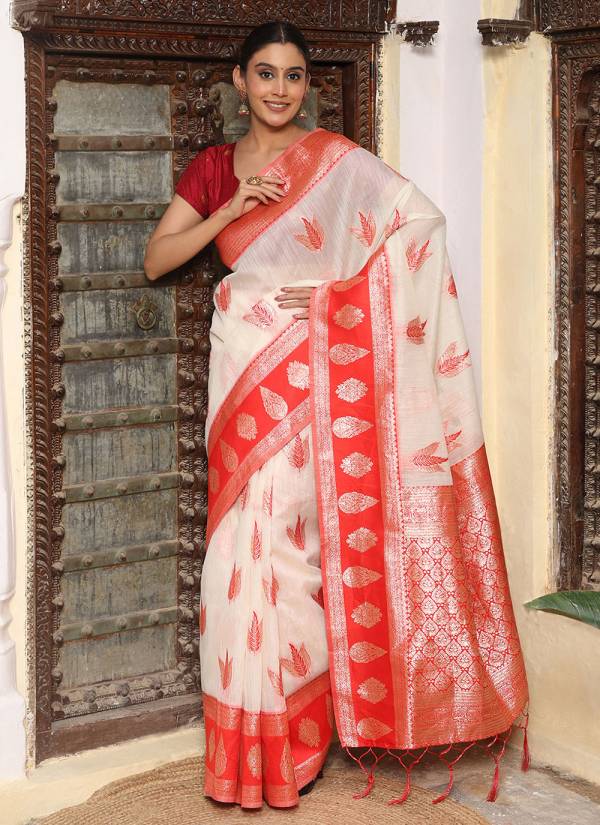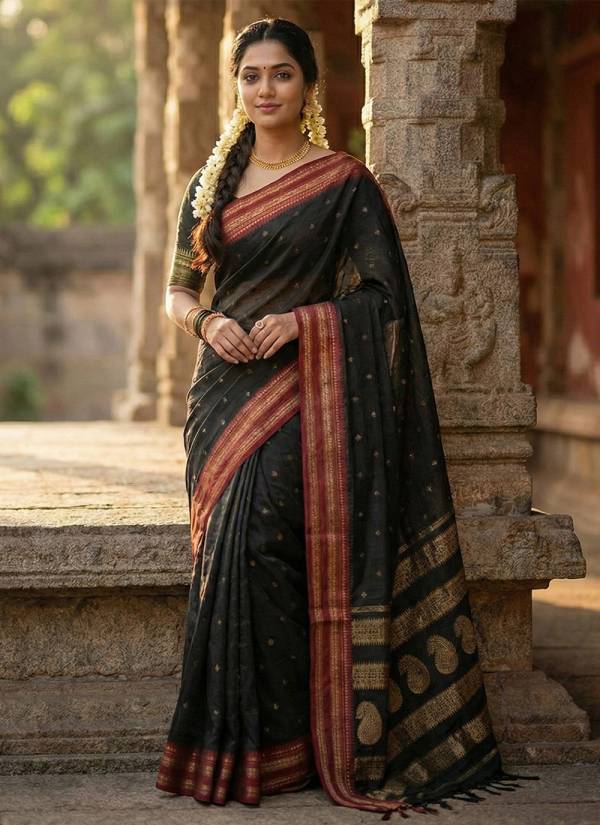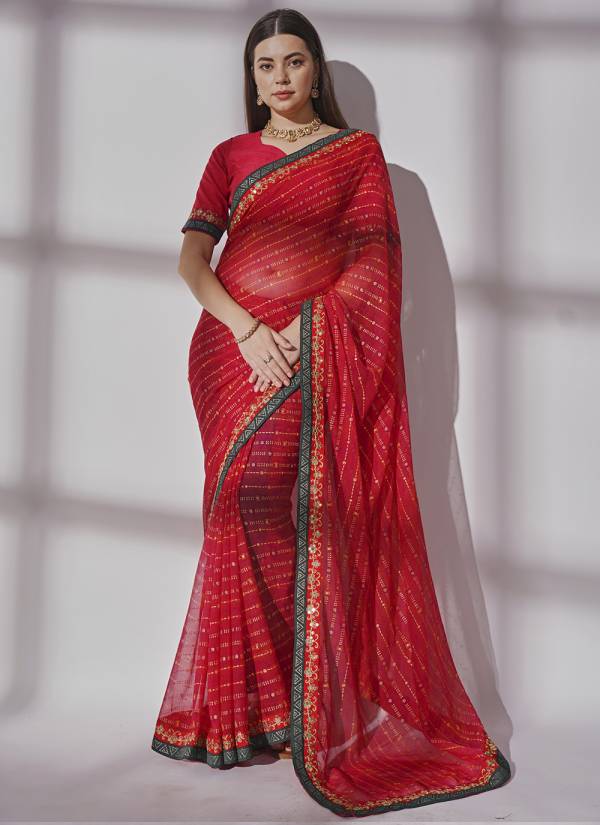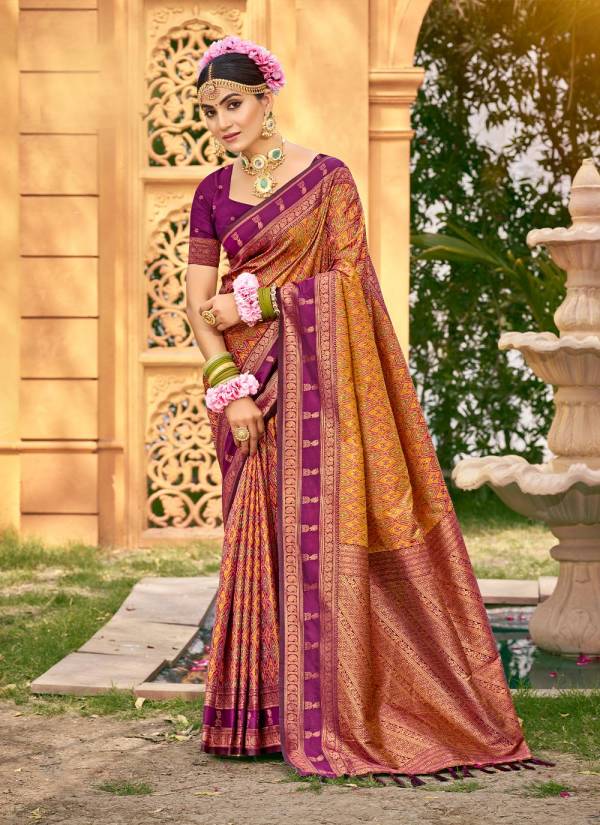
Indian Ethnic Wear Wholesale Supplier in Australia
Bulk Indian sarees, lehengas, kurtis and fabrics for Australian importers and South-Asian fashion retailers — private label and seasonal programmes welcome.
Wholesale Indian Ethnic Wear & Textiles for Australia
Ajmera Export is a Surat-based manufacturer and wholesale exporter supplying sarees, lehengas, kurtis, salwar suits, gowns, men's & kids' wear and fashion fabrics to importers, wholesalers, retail chains and boutique owners across Australia. Every order is backed by dependable quality control, export-grade packing and complete documentation support.
What we supply
- Women's Ethnic Wear — designer & party-wear sarees, bridal lehengas, kurtis, salwar suits, sharara sets, gowns
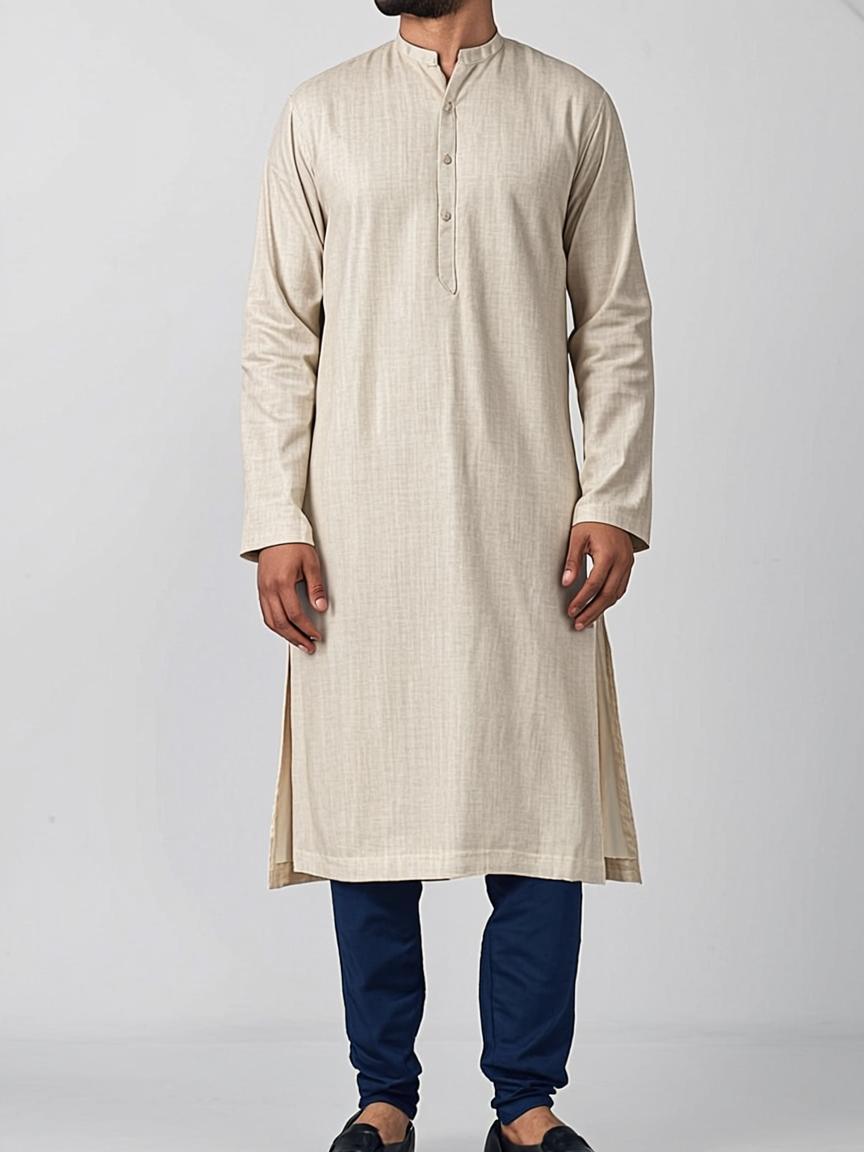
- Men's & Kids' Wear — kurta pyjama sets, indo-western, festive kids collections
- Fabrics — cotton, silk, georgette, organza, velvet, jacquard by the roll or per programme
- Private Label — custom labels, size sets, packaging and made-to-order production
Why importers in Australia choose Ajmera
| Benefit | Detail |
|---|---|
| Factory-direct pricing | Manufactured in Surat — no middlemen, consistent wholesale margins |
| Low MOQ flexibility | Mix designs, colours and sizes within one consolidated shipment |
| Quality assurance | In-line checks plus a pre-shipment inspection with photo/video approval |
| Documentation | Commercial invoice, packing list, certificate of origin & shipping coordination |
| Responsive export desk | Quotations within 48 hours, dedicated relationship manager |
How ordering works
- Share your product list or target prices through the enquiry form or WhatsApp
- Receive catalogue, MOQ and FOB/CIF quotation for Australia
- Approve samples & photos before dispatch
- Consolidated shipment with tracking until delivery
Ready to source from Surat?
Send us your requirement — our export desk shares the full catalogue, MOQ, FOB pricing and shipping options within 48 hours.
MOQs, samples and how a first order runs
First orders on this programme typically run 20–50 pieces per design mixed across sizes and colours for garments, or 500–1,000 metres per shade for fabric — sized so a Australia buyer tests the market without warehousing a season. Samples of shortlisted pieces ship on a courier account, with sample costs adjusted against the first bulk order. Video walk-throughs of current stock run on appointment, which is how most of our long-distance buyers shortlist before any cutting travels.
Repeat programmes are where the pricing and the allocation improve: reserved production slots, shade standards held on file, and dispatch calendars planned against Australia retail windows rather than mill convenience.
Why buyers consolidate with one Surat desk
- One supplier across the full range — fabrics, garments, kids and menswear under one accountable desk
- One documentation chain instead of five — invoice, packing list and certificate of origin prepared together
- Mixed consignments so a full season programme ships in one container, cutting per-piece landed cost
- A reorder desk that keeps programme history, so a single message re-triggers your standard mix
- Export experience across 30+ countries applied to every Australia consignment
The collections behind our Indian Ethnic Wear Wholesale Supplier in Australia programme
A full ethnic counter is a wardrobe, not a category — and buyers serving Australia source the whole arc from one desk when the freight arithmetic and the accountability both improve. Our manufacturing and consolidation range covers the complete story: sarees from daily prints to bridal silks, the kurti rotation that reorders monthly, lehengas for the wedding shelf, gowns for the occasion circuit, salwar and Pakistani suit programmes, dupattas, blouses, menswear from kurtas to sherwanis, and the kids ethnic sets that spike with every festival calendar.
Every programme runs the same export disciplines — matched dye lots across set pieces, size-graded lots with consistent proportioning, colourfast finishing tested to home-wash reality, and retail-ready packing from the carton to the rail. The counters we serve range from single-boutique operations to multi-city wholesale programmes, and the MOQ ladder respects both.
Consolidated sourcing is the structural advantage: one enquiry, one quality standard, one documentation pack and one shipping calendar across categories that would otherwise mean five vendor relationships. Buyers who switch to the consolidated model tell us the working-capital relief matters as much as the freight savings.
- Sarees — the full counter range
- Kurtis — daily to designer rotation
- Lehengas — wedding shelf programme
- Gowns — occasion circuit range
- Salwar Suits — volume backbone
- Pakistani Suits — lawn and festive calendar
- Mens Wear — kurta to sherwani arc
- Kids Wear — festival-driven range
Fabrics behind the range
A full ethnic counter runs the complete fabric ladder:
The fabric ladder runs from voile-light summer cloths through mid-weight Challis and poplin families, the suiting and shirting weights, and up to canvas and heavy furnishing constructions. Natural fibres cover the comfort trade; regenerated cellulose — viscose, modal, the Tencel family — carries the drape-led programmes; synthetics hold the technical and price-disciplined tiers.
Finish determines shelf behaviour as much as the base cloth does. The same 100 GSM cotton reads crisp or soft depending on mercerising; the same georgette drapes clean or stiff depending on the finishing heat profile. We hold those finish specs on file per buyer, because reorder drift in finish is as damaging as shade drift — and both are preventable with archived standards.
The Surat advantage — a short history
Surat's textile economy runs on proximity. Within a short drive of any finishing floor in the city you can reach spinning sources, weaving sheds, dyeing and printing process houses, embroidery units, stitching units, label printers, carton makers and the freight forwarders who consolidate all of it into export containers. Other textile cities have some of these layers; Surat's advantage is having all of them, at scale, competing with each other on turnaround.
The city earned that stack one decade at a time. Handloom weaving families industrialised into powerloom cooperatives through the mid-1900s. The polyester boom of the 80s and 90s pulled in process houses and printers. The embroidery boom of the 2000s added computerised multi-head machines by the thousand. Each wave trained a workforce the next wave hired, which is why the city's average textile worker today is multi-skilled across processes that would be separate trades elsewhere.
For buyers, the practical result is developmental speed. A concept reaches a counter-sample in days, a strike-off within the week, and a production slot follows the approval rather than the calendar quarter. We build our export programmes on exactly that responsiveness, and we think the history matters because it explains the mechanics behind the promise.
About Ajmera Export — the brand behind this page
Ajmera Export operates where the buyer's risk actually lives: between the approved sample and the landed consignment. Our job is to make that gap boring. The company runs production and consolidation programmes across Surat's textile clusters — weaving to finishing to stitching to packing — under one accountable desk, so there is never a question of which vendor owns which defect.
The model is deliberately consolidated. One enquiry becomes one programme: fabric development, dyeing approval, stitching spec, private labelling if you want it, export packing to your market's retail standard, and documentation your customs broker does not have to interpret. Buyers running lean operations tell us the consolidation matters as much as the product — managing one supplier relationship costs less than managing five, in attention as much as in margin.
Our growth has come almost entirely from reorders and referrals, which in the Surat merchant community is both the cheapest and the least forgiving marketing channel available. A buyer who ships clean recommends you at a wedding, a family function, a trade association meeting. We like that economy. It keeps the standard where it belongs — on the floor, in the carton, at the port.
Why businesses choose us
- Sampling in days from local clusters — development speed is the first thing Surat buyers notice
- Staged quality inspections with reports travelling inside the shipment, not after it
- Festival-calendar planning help — we flag order-by dates that protect your seasonal sell-through
- Container consolidation across categories to pull freight cost per piece down
- Claims resolved on photographs and lot numbers within 15 days, not on argument
Start your first order
Begin with a straightforward enquiry: category, target quantity band and your market. From there we map the programme — which constructions or styles to sample, what MOQ the first order runs at, and what the production calendar looks like against your launch or season date. Counter-samples move within days, and nothing enters bulk production until you have approved the physical sample in hand.
Use the enquiry form on this page or message the desk on WhatsApp — both reach the people who actually run the programme. Buyers consolidating multiple categories can plan one shipment calendar across all of them, which is where the freight economics of a single-supplier relationship really start to show.
Frequently Asked Questions
Which Australian cities do you ship to?
Shipments route to Sydney, Melbourne and Brisbane gateways via sea, with air courier for samples and urgent top-ups across Australia and New Zealand.
Can you produce for Australian summer vs winter ranges?
Yes — breathable cottons, rayons and georgettes for summer; velvets, silks and layered styles for the winter wedding season. We plan production to your calendar.
Do you work with Australian online sellers?
Yes — we support e-commerce resellers with consistent barcode/SKU labelling, retail-ready packing and repeatable programmes so listings stay in stock.
What are the payment terms for a first order?
Standard terms are advance T/T with balance against documents; established buyers move to flexible terms. Every quotation is shared upfront in writing.
What documents do you provide with export shipments?
Commercial invoice, packing list, bill of lading or airway bill, certificate of origin, GSP where applicable and any fumigation or quality certificate your destination customs office requires. Documents go to your forwarder before the vessel sails, so clearance is never waiting on paperwork.
Can we source multiple categories in one consolidated order?
Yes — consolidation is the core of our model. One enquiry becomes one programme across categories, riding one shipping calendar and one documentation set. Mixed-category containers also cube out efficiently, which pulls freight cost per piece down across the whole order.
How do you keep quality consistent across so many categories?
The disciplines are identical regardless of category — matched dye lots, approved strike-offs before bulk, staged inspections with reports travelling with the shipment. The same desk is accountable whether your order is sarees, menswear or a mixed programme.
What MOQ does a multi-category starter order run at?
First orders run at accessible MOQs per category, structured so a new buyer can trial several categories in one shipment rather than committing to one at full volume. The ladder scales with your sell-through, not with our convenience.
How do you control quality on bulk orders?
Every lot passes a four-point inspection — fabric checking on the greige, in-line checks during stitching, a pre-packing audit and a final AQL sampling before cartons are sealed. The report travels with your shipment so your team can verify against the same checklist we used on our floor.
Can you match a sample or shade card we already sell?
Yes. Send us a physical swatch or a Pantone reference and our dyeing floor matches it on the actual base fabric before bulk production starts. You approve a strike-off, and only then does the lot run — that approval trail is what keeps reorders consistent.
Featured Range
Products for Australia
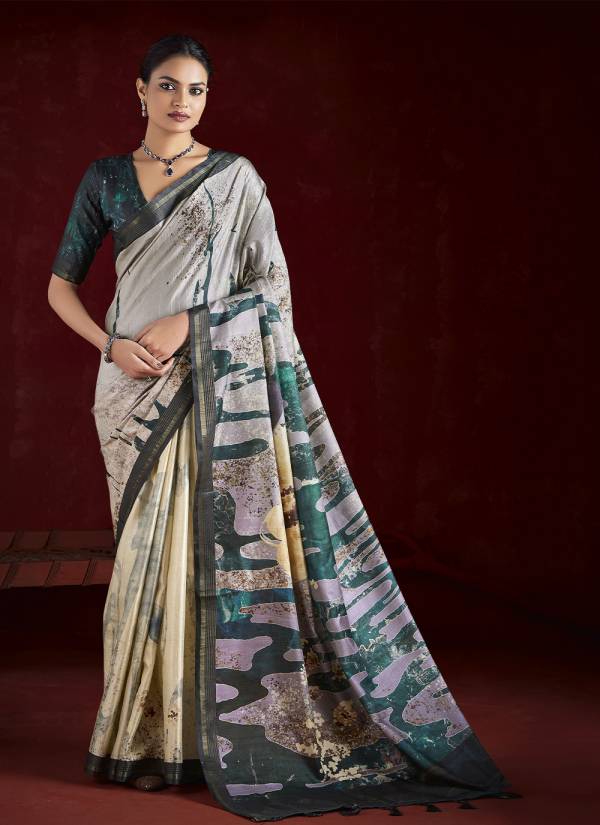
Wine Red Hand Block Printed Banarasi Silk Printed Saree
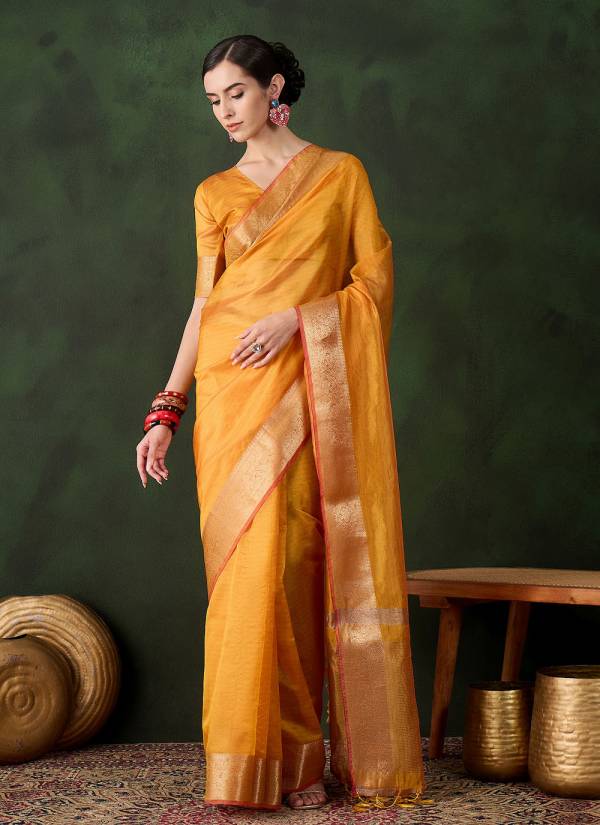
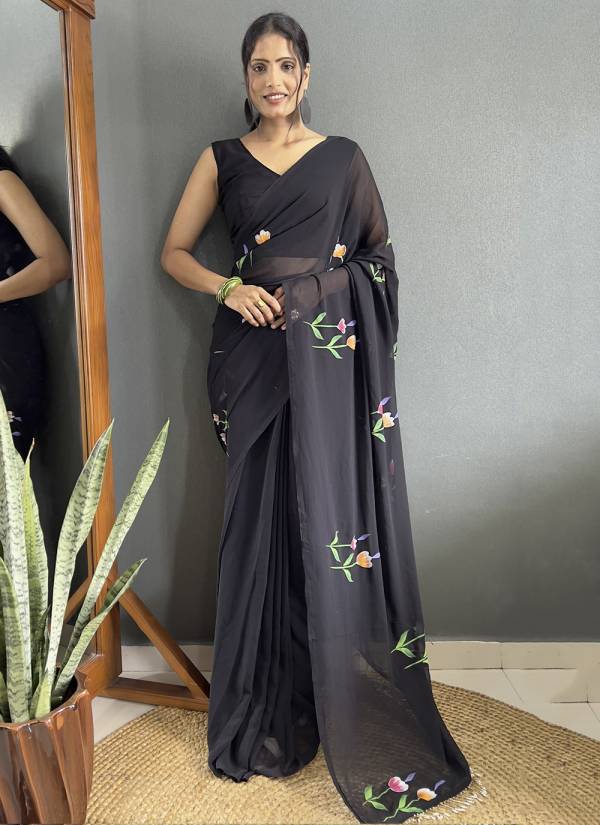
Champagne Gold Resham Thread Tussar Silk Printed Saree