Salwar Kameez Wholesale Supplier
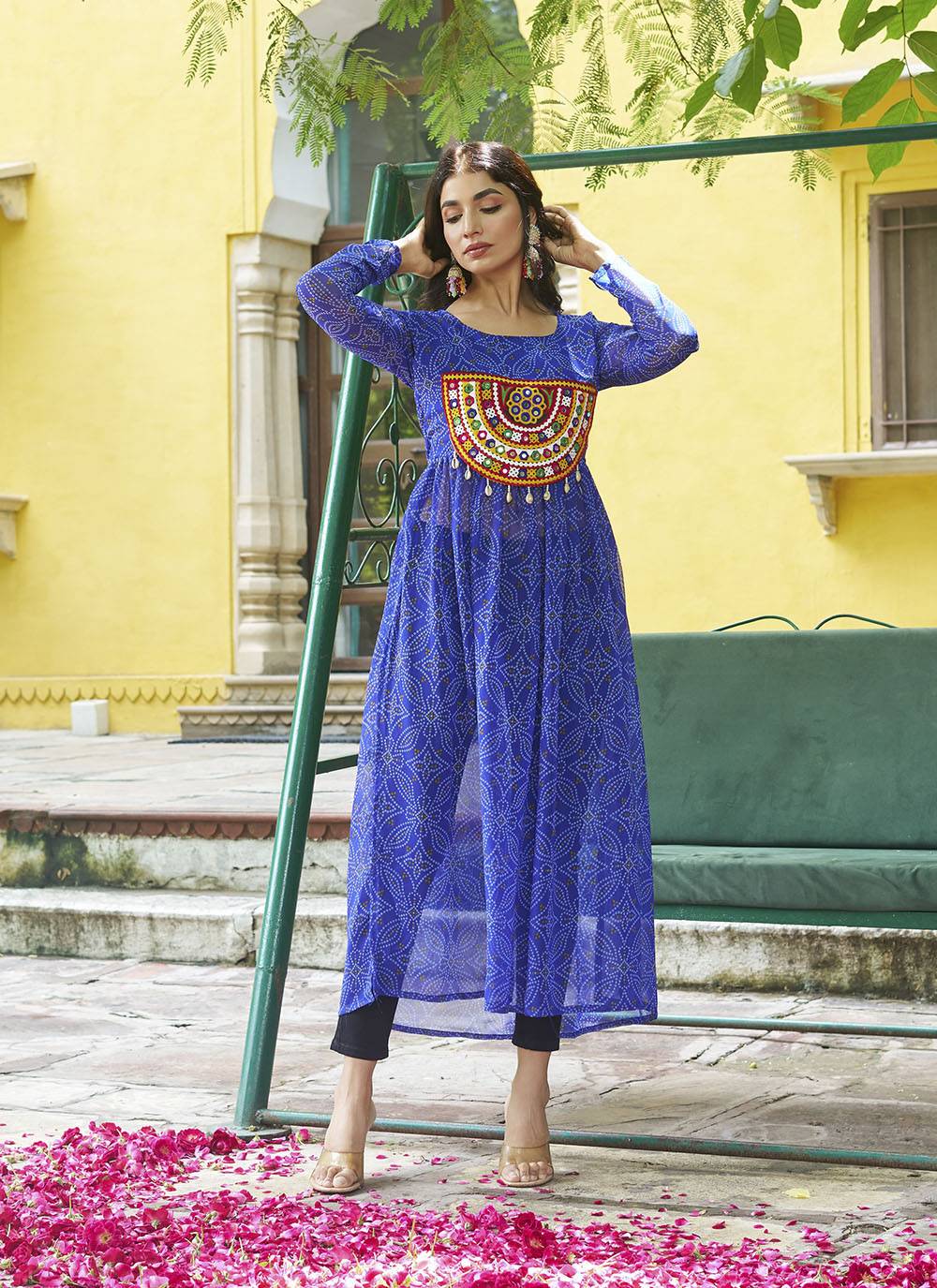
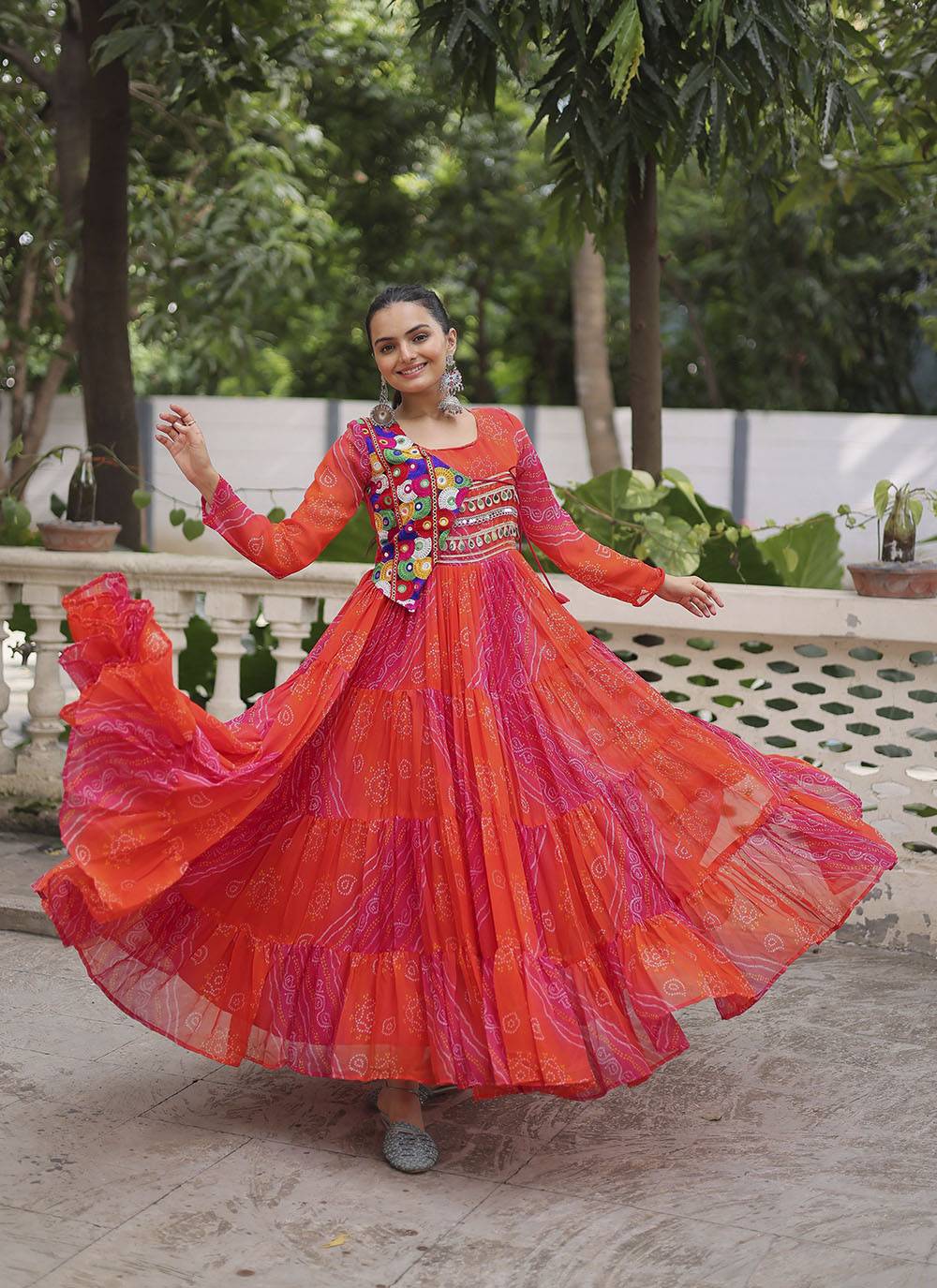
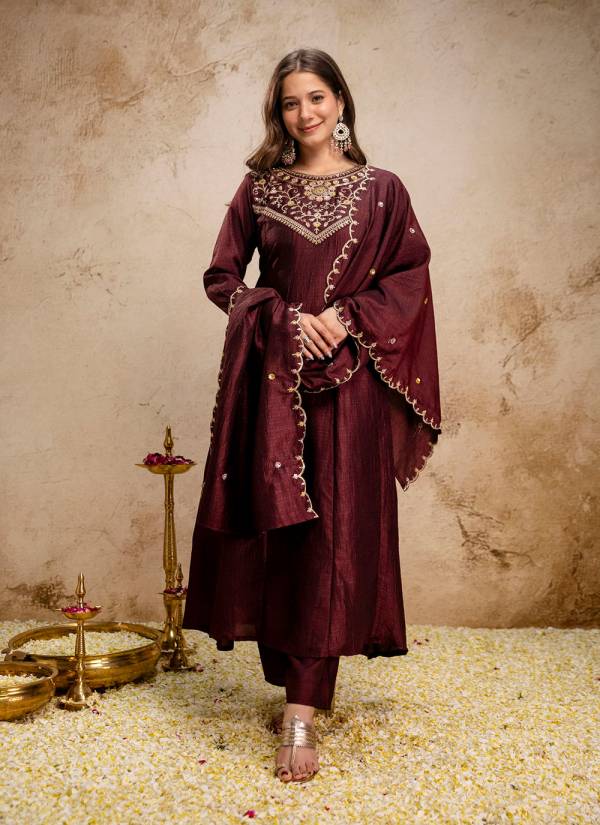
Magenta Stone Work Cotton Silk Designer Suit Set
AE-SA-0001Cotton Silk
Manufacturer and wholesale exporter from Surat, Gujarat - premium sarees, bridal lehengas, kurtis, gowns, mens and kids ethnic wear, hotel towels and bed sheets for importers, wholesalers and fashion brands in 34+ countries.
34+
Export Countries
100%
B2B Wholesale
Surat
Manufacturing Base
Ajmera Fashion Exports is a leading saree exporter from India, supplying bulk Indian ethnic wear and textile products to importers, wholesalers, retail chains and fashion brands across global markets. Based in Surat, the textile hub of India, we support international buyers with a wide product range and streamlined export coordination.
Our export collection includes bridal sarees, designer lehengas, kurtis, gowns, men's ethnic wear, kids' wear, hotel towels and bed sheets. We support international orders with export documentation, product labelling, pre-shipment quality checks and consolidated shipments, according to order requirements and destination-country regulations.
Whether you are importing Indian ethnic wear for the first time or searching for a reliable private label clothing supplier in India, our export team helps you explore bulk sourcing options, competitive trade pricing and quotations, typically targeted within 48 hours, subject to order details.
Discuss Your Bulk Export OrderSourcing support for importers, distributors, wholesalers and fashion businesses.
Sarees, lehengas, kurtis, gowns and more.
Bed sheets, hotel towels and textile essentials.
Documentation, labelling and pre-shipment checks.
One vendor, one consolidated shipment - our complete ethnic wear and home textile portfolio is manufactured in Surat and export-packed for global B2B buyers. Every category below is available for bulk orders, custom packing and private label production
Selected styles moving across our export markets right now.
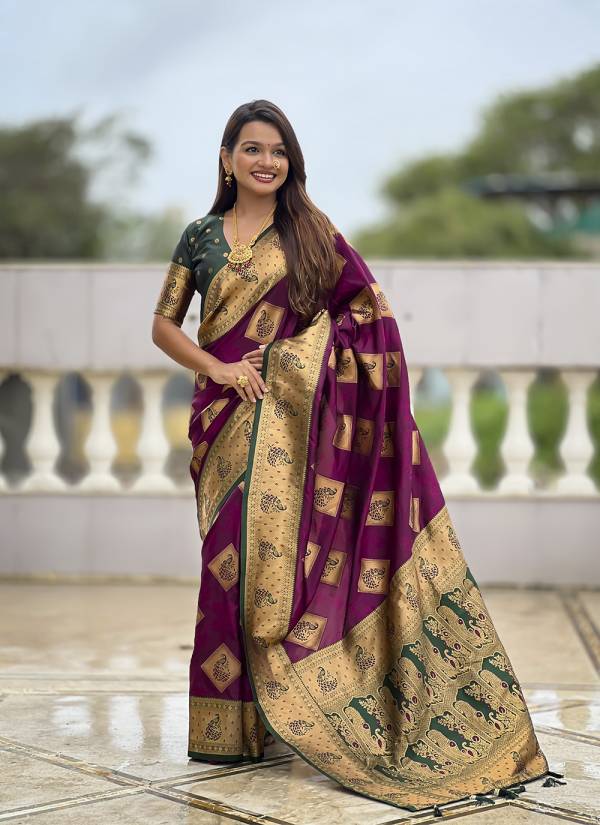
From pure mulberry silk to micro velvet — source the base fabric of your next bestseller.
Importing from India becomes simple when your supplier is also the manufacturer. Here is what makes global buyers stay with us for years, not just orders.
Direct-from-manufacturer pricing with in-house production across textile and garment categories - no middlemen, no trader margins added to your import cost.
Sarees to shararas, kurtis to gowns, towels to bedsheets - consolidate your entire Indian ethnic wear import with one vendor and one shipment.
 Surat · Gujarat · India
Every shipment starts in Surat, Gujarat - the heart of India's textile industry. Our production chain is controlled end to end: weaving and dyeing through power looms and vetted dyeing partners across the Surat textile cluster, stitching and finishing in garmenting units with stage-wise quality checkpoints, fabric inspection with measurement audits before packing, and export cartons with container loading supervision.
Power looms and dyeing partners across Surat’s textile cluster.
Garmenting units with stage-wise quality checkpoints.
Fabric inspection, measurement audits and packing checks.
Export cartons, labelling and container loading supervision.
Ajmera Fashion Exports supplies bulk Indian ethnic wear and textiles across six regions. In North America, we serve indian ethnic wear wholesale buyers in the USA and Canada - from New Jersey wholesale distributors to Canadian retail chains. In Europe, our network covers the UK, Germany, France, Italy, Netherlands, Spain, Portugal and Ireland. The Gulf is our strongest corridor: UAE, Saudi Arabia, Oman, Qatar, Kuwait and Bahrain receive regular consolidations. Across Africa we supply Mauritius,
New to importing from India? The process can be simpler than you expect. Ajmera Fashion Exports helps international buyers understand each stage, from the first enquiry and product selection to export documentation and shipment coordination.
Share your preferred product categories, estimated quantities and destination market through our enquiry form or WhatsApp. Our export team can help you explore the available catalogue, product options and applicable wholesale pricing.
Where samples are available, request samples of your selected products before confirming a bulk order. Evaluate the fabric, stitching, finishing, colours and overall product quality in your own market.
Finalise the selected styles, sizes, colours, quantities and packing requirements with our export team. Review the proforma invoice, payment terms and agreed delivery conditions before confirming your order.
After order confirmation, the order moves into the agreed preparation or production schedule. Quality checks and product inspections can be coordinated according to the order requirements, with progress photographs or videos where available and agreed.
Arrange shipment according to the agreed delivery terms. Depending on the transaction and destination, export documents may include a commercial invoice, packing list, certificate of origin and bill of lading or other applicable transport documents.
You do not necessarily need to begin with a full container. Depending on product availability and the supplier's order terms, you may be able to start with a smaller or mixed wholesale order, test demand in your local market and expand your range as your business grows.
If you are researching how to start a saree business, our export team can help you explore product categories, wholesale options and market-specific sourcing needs.
Explore Wholesale SareesTell us what you want to source and where you plan to sell it.
Send Your EnquiryFrom first catalogue request to consolidated container - a simple, transparent process built for busy wholesale buyers.
Message us on WhatsApp or submit the enquiry form and receive the complete digital catalogue with the export price list the same day.
Share your quantities and destination port to receive an FOB or CIF quotation with full packing details - no hidden charges.
Test quality before you commit - samples are shipped worldwide by DHL and FedEx within days.
Guides on importing, fabrics and building a profitable ethnic wear business.
 Export Guides
Explore 10 clothing manufacturing cities in India, their garment specialities and sourcing opportunities for wholesalers, retailers and international buyers.
Read articleAjmera Fashion Exports is the export division of the Ajmera Group, a Surat-based textile and ethnic wear business serving domestic and international markets.
The group's domestic wholesale operations run through Ajmera Fashion, while Ajmera Fashion Exports focuses on international bulk orders, private label programmes and export documentation for global B2B buyers.
From Surat, India's renowned textile hub, we offer a broad range of Indian ethnic wear and home textile products for importers, wholesalers, retail chains, distributors and fashion brands. Our product portfolio includes sarees, bridal lehengas, kurtis, gowns, men's and kids' ethnic wear, hotel towels and bed sheets.
Our approach centres on competitive sourcing, product quality checks and transparent communication around order schedules. We aim to build long-term sourcing relationships with businesses across the USA, UK, UAE, Canada, Africa and other international markets.
Connect With Our Export TeamAjmera Fashion Exports | Indian Ethnic Wear & Home Textile Sourcing for Global B2B Buyers
Ready to import premium Indian textiles for your market? Get the complete export catalogue with wholesale price list, or send your requirement for a 48-hour quotation. Bulk buyers, private label brands and first-time importers - every enquiry is answered by our dedicated export desk within 48 hours.
B2B Only — Bulk & Wholesale Enquiries
AJMERA FASHION EXPORTS · INDIA
Ajmera Fashion Exports connects B2B buyers with textile and apparel sourcing opportunities from India. Based in Surat, Gujarat, the business covers fabric categories, Indian ethnic wear and home textile products for buyers exploring bulk purchasing and international trade.
From fabrics used in garment production to sarees, kurtis, lehengas, bedsheets and towels, product selection starts with understanding the buyer's market, required specifications and commercial expectations. Importers, wholesalers, distributors, retailers and sourcing companies can explore the available range and enquire about products suited to their business requirements.
If you are searching for a fabric supplier in India, the most useful starting point is a clear product specification. Fibre composition, fabric construction, dimensions, finish, colour, quantity and delivery destination all influence whether a material is appropriate for an order. These details also help buyers compare quotations more accurately.
Explore the fabric catalogue or visit the Ajmera Fashion Exports homepage to learn about the business and its product categories.
Fabric sourcing is a technical and commercial decision, not simply a search for a material at the lowest price. Garment manufacturers, fashion businesses and textile wholesalers need fabrics that suit their intended products, production methods and customer expectations. The right selection depends on fibre content, yarn and fabric construction, weight, width, surface finish, drape and other application-specific properties.
India's textile industry serves a wide range of applications, including apparel manufacturing, ethnic wear, fashion collections and home furnishing products. Buyers sourcing from India should identify the intended end use before comparing suppliers. A lightweight fabric suitable for a flowing garment may not provide the structure required for a tailored product. A fabric intended for home use may also need different durability and care characteristics from an occasionwear material.
Ajmera Fashion Exports is based in Surat, Gujarat, an established textile business location. Buyers can explore the available fabric categories and discuss their requirements with the business. Before confirming a purchase, establish the exact composition, width, weight, colour, finish, available quantity and any relevant testing requirements for the selected product.
For bulk fabric procurement, buyers should also confirm the minimum order quantity, price basis, sample availability, payment terms and expected lead time. These conditions can differ between materials, colours and order arrangements. Custom dyeing, printing, finishing or other special requirements should be discussed separately and confirmed before they are included in a purchase order.
Businesses comparing wholesale fabric suppliers in India should evaluate both technical suitability and commercial reliability. An approved sample, written product specification and clearly documented acceptance criteria help establish a common understanding before a larger order is placed.
Visit the Ajmera Fashion Exports fabric catalogue to review the available categories and identify materials relevant to your sourcing requirements.
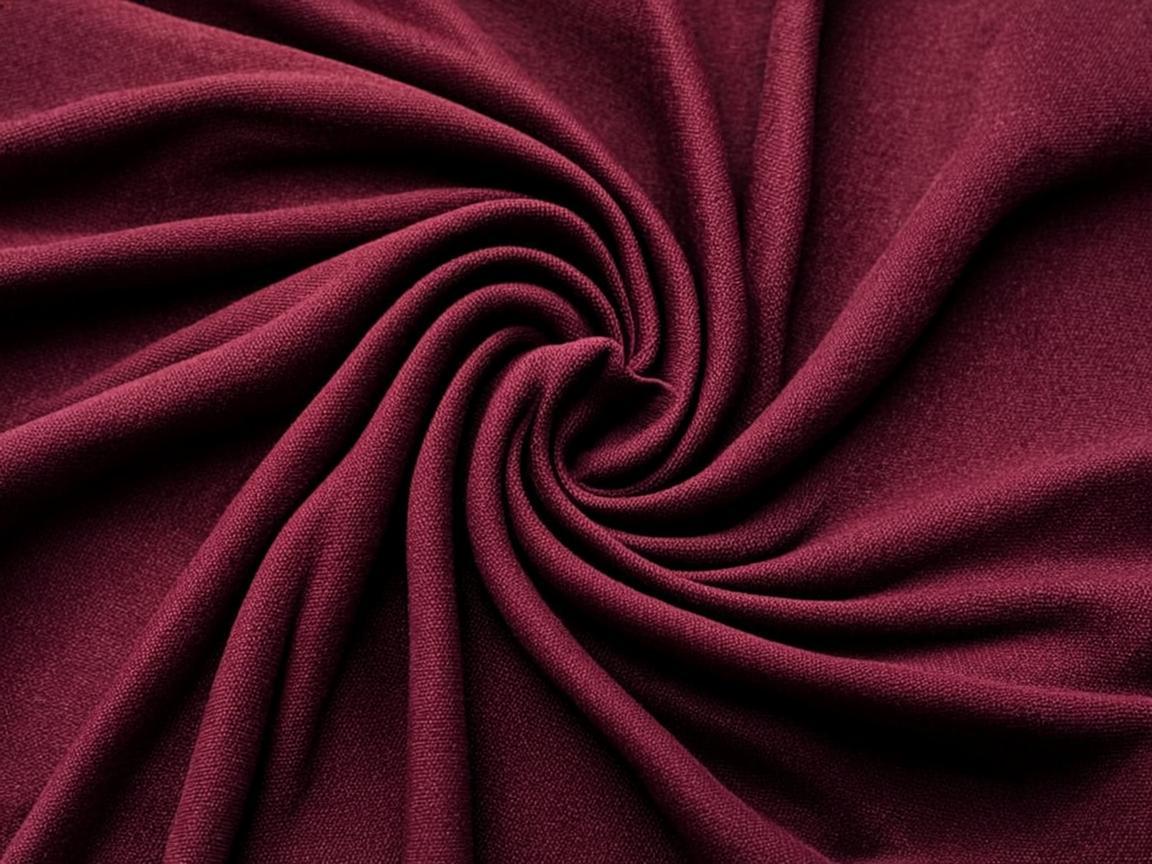
Cotton and blended fabrics are considered across a range of apparel and textile applications. The appropriate construction depends on the intended garment, required comfort, appearance, weight and maintenance expectations. Buyers should confirm whether a product uses pure cotton or a blend and establish the relevant specification before evaluating its suitability for manufacturing or resale.
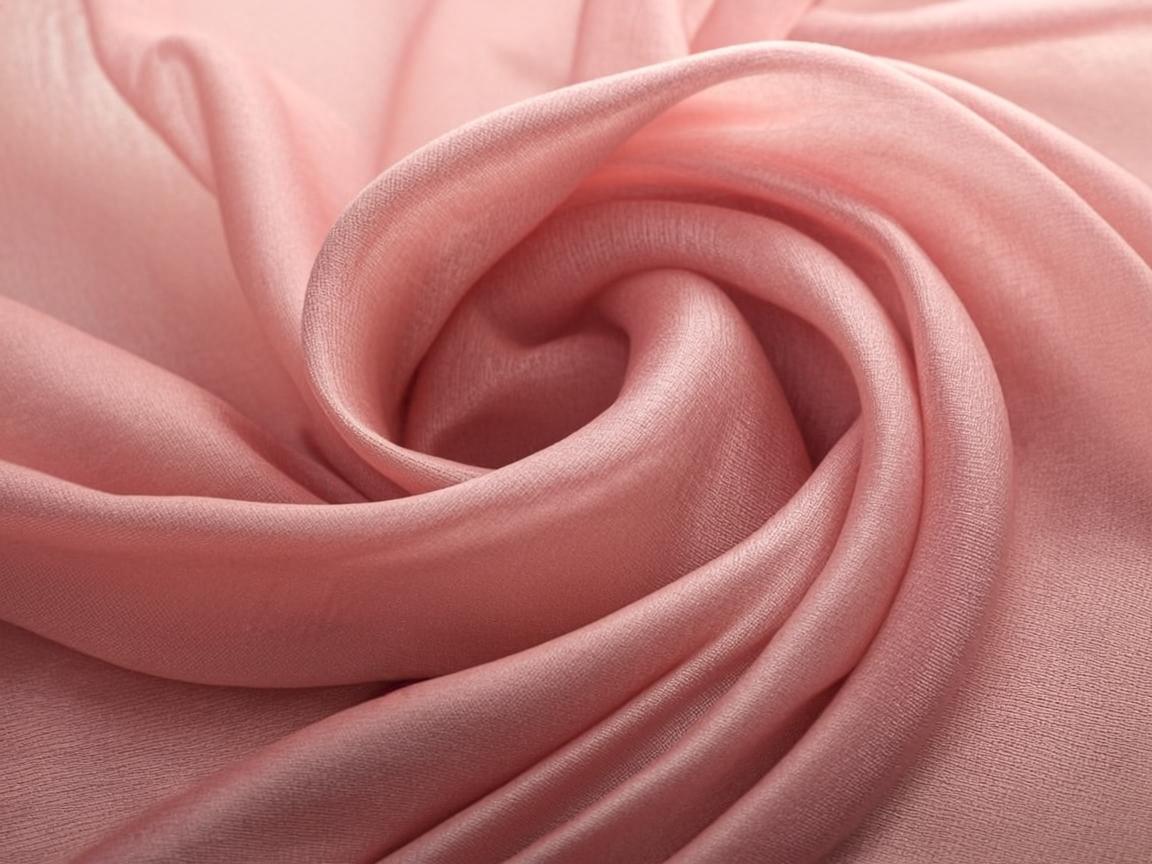
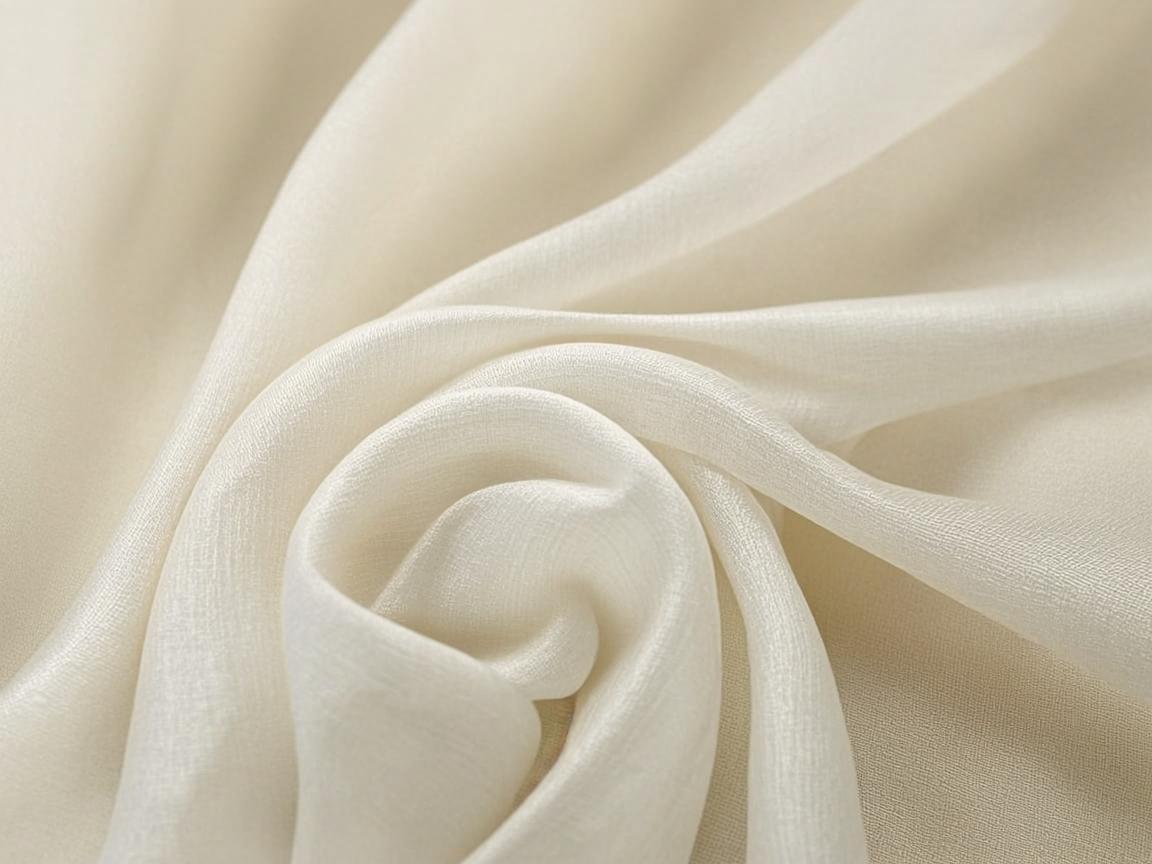
Georgette, chiffon and organza are used in different lightweight garment and occasionwear applications. Their transparency, drape, texture and structure can vary according to fibre content and construction. A category name alone does not establish the full specification, so buyers should assess the actual material and intended application before approving a bulk order.
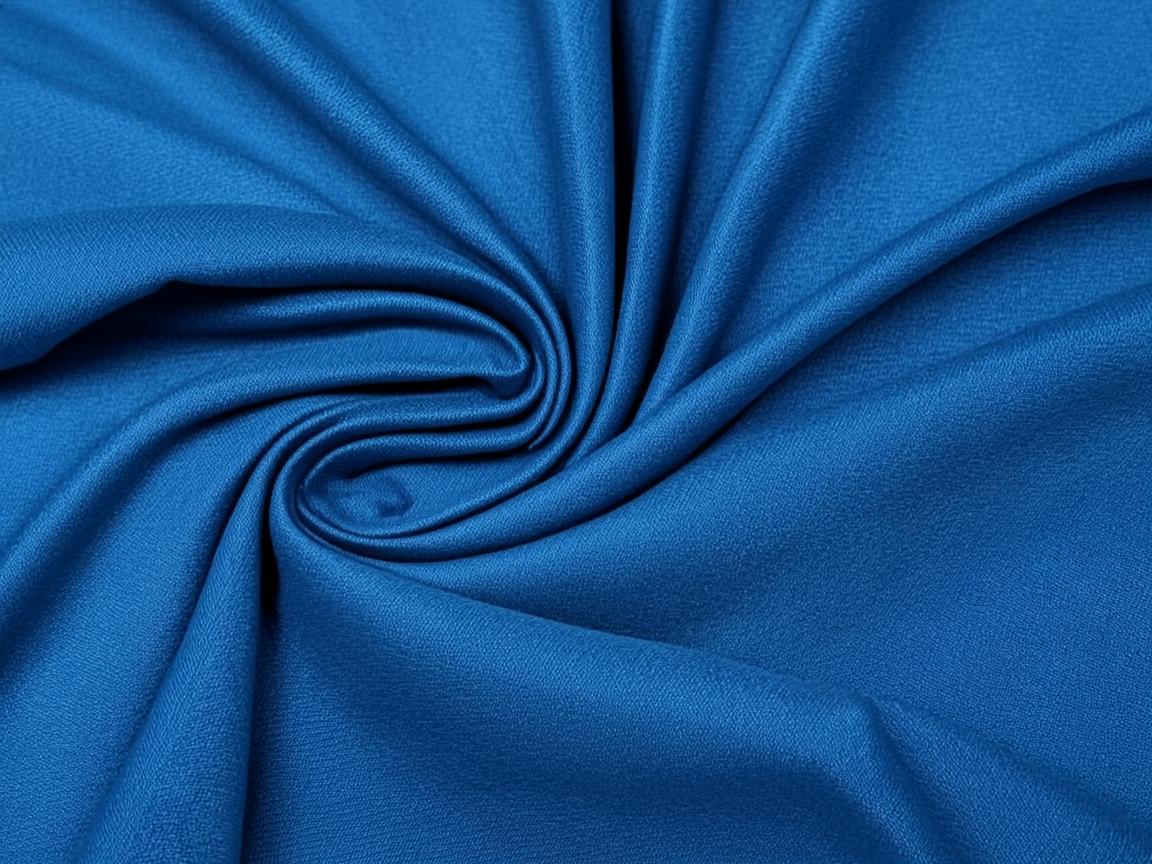
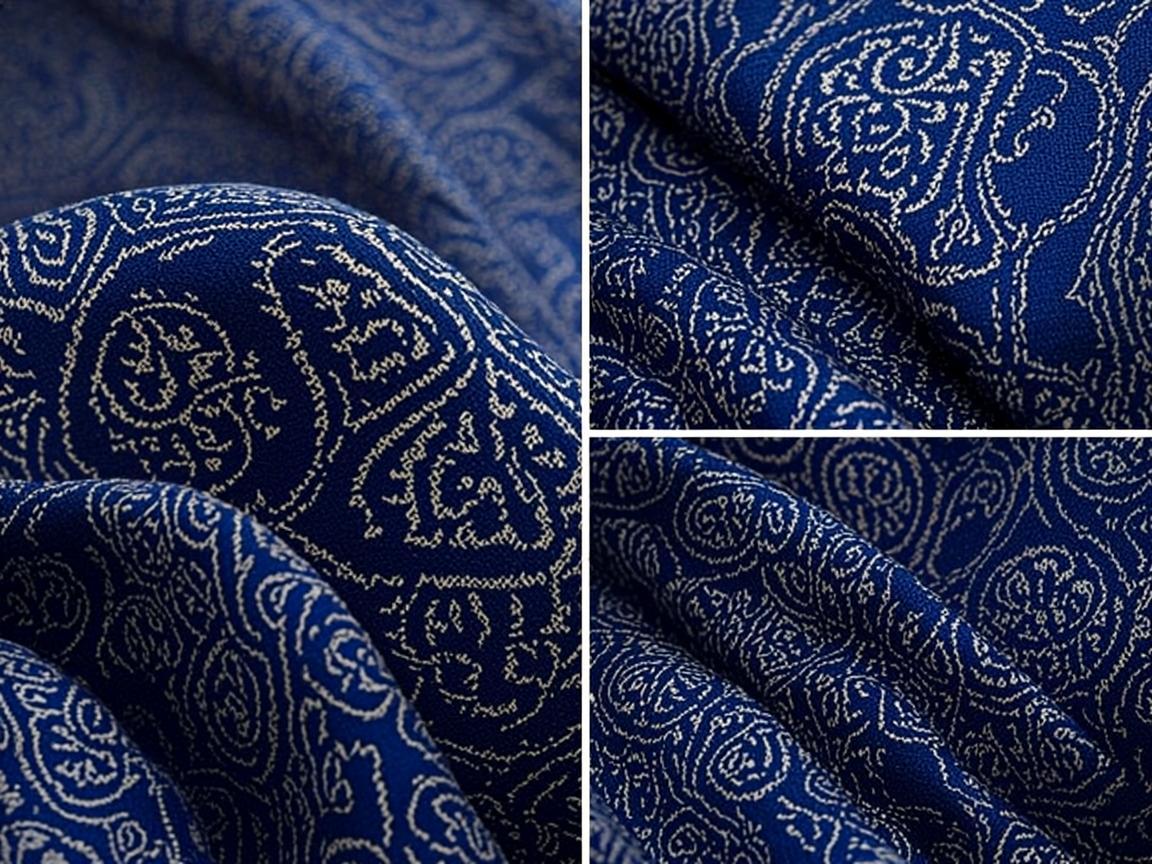
Silk and silk-blend fabrics may be considered for premium garments, while jacquard and brocade constructions can provide patterned surfaces. Satin is selected for its characteristic surface lustre, whereas velvet is associated with a plush surface. Fibre composition, finish, weight and construction influence the properties of each material. Buyers should verify the exact specification instead of assuming that products within the same category are interchangeable.
Product suitability also depends on manufacturing requirements. Cutting, stitching, embroidery, printing and finishing can place different demands on a fabric. For repeat purchasing, maintaining an approved reference sample and a documented specification can help buyers communicate the same requirements in subsequent orders.
Explore the fabric range and confirm the current availability and technical details of the materials relevant to your business.
Indian ethnic wear serves a diverse market, from everyday apparel and casual collections to festive clothing and occasionwear. For importers, boutiques, retailers and wholesalers, sourcing decisions depend on the intended customer, target price segment, design, garment construction and availability of the required styles.
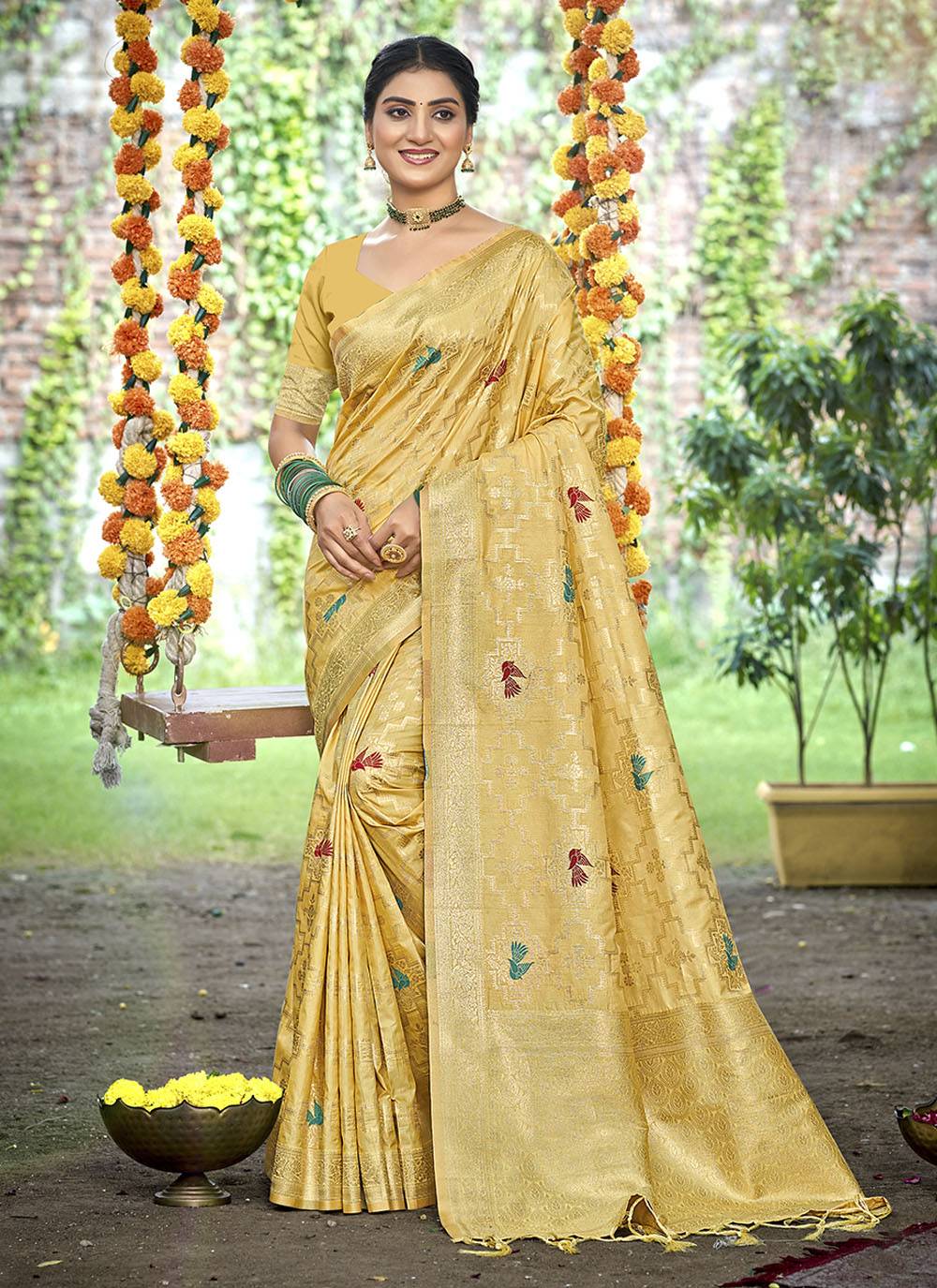
Buyers evaluating sarees for wholesale distribution should consider the fabric, design, drape, finishing, colour selection and target customer. Product details matter because sarees within a broad category can differ significantly in appearance, construction and price positioning. Before placing an order, confirm the specific styles, quantities, available colours and whether repeat orders can be supported.
Kurtis form part of many women's apparel assortments, with product requirements varying by design, fit, fabric, length, size range and intended use. Retailers and distributors should define the styles and customer segment they serve before requesting a quotation. Garment specifications and available sizes should be confirmed for the exact products under consideration.
Lehengas and other occasionwear products can involve additional considerations, including embroidery, embellishment, lining, construction, finishing and presentation. Buyers sourcing these garments for a specific market should establish the required designs, sizes, quantity and quality expectations before approving an order.
For businesses sourcing both fabrics and finished ethnic wear, coordinating product selection can help align material requirements with the intended garment assortment. Ajmera Fashion Exports provides a starting point for enquiries covering these product categories. Confirm the current styles, specifications and fulfilment arrangements directly with the business.
Visit the Ajmera Fashion Exports website to explore its wider product offering and identify the relevant category for your enquiry.
Home textile sourcing involves requirements that differ from apparel fabrics and finished garments. Importers, retailers, distributors and hospitality buyers may need to assess material composition, dimensions, construction, surface feel, durability, finishing and care requirements. The appropriate specification depends on how the product will be used and the expectations of the final customer.
Buyers sourcing bedsheets should confirm the required dimensions, fibre composition, weave, colour, print, finish and intended application. Cotton and blended materials can have different characteristics, and product suitability cannot be established from a general description alone. If the order requires a consistent assortment, confirm available sizes and colours, packing requirements and specification tolerances before purchase.
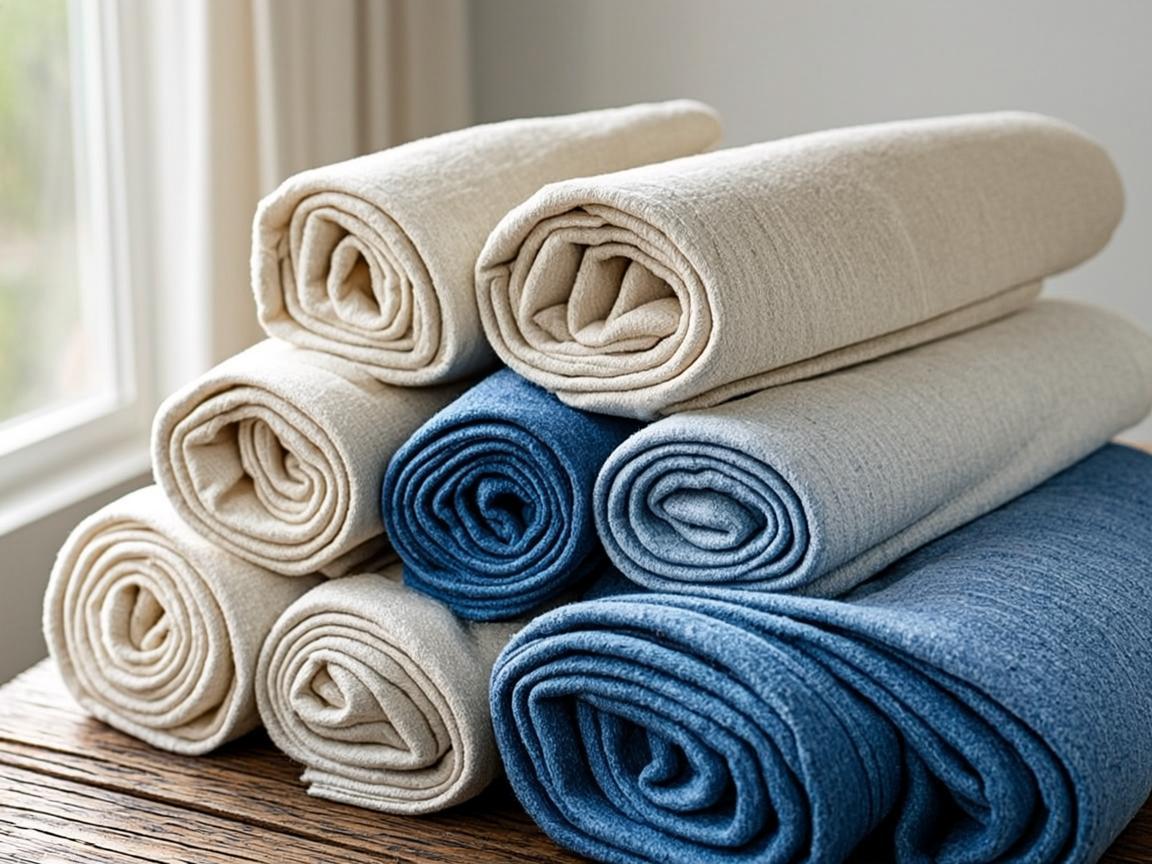
Towel purchasing may involve considerations such as absorbency, weight, dimensions, softness, durability, construction and laundering performance. Household retail products may have different requirements from towels intended for hospitality or institutional use. Buyers should define the application and required specifications before comparing products or quotations.
For wholesale bedsheets and towels, it is useful to document material composition, dimensions, colour, finishing and packaging requirements in the purchase specification. Export buyers should also communicate any destination-specific labelling or documentation requirements before the order is confirmed.
Businesses interested in home textile sourcing can contact Ajmera Fashion Exports to confirm the currently available products, quantities and commercial terms. Availability and fulfilment capabilities should be verified for each product rather than assumed for the entire category.
An effective B2B sourcing process starts with a clear description of the requirement. Buyers should identify the product category, intended application, target quantity, destination market and expected delivery schedule. Where several product categories are involved, each should have its own specification so availability and pricing can be evaluated separately.
For fabrics, the specification may include composition, width, weight, colour and finish. For finished garments, it may include design, size range, material, construction and embellishment. For bedsheets and towels, dimensions, material composition, construction and packing may be more relevant. These details provide a clearer basis for supplier evaluation than a broad request for a product category alone.
Sample evaluation is important where colour, texture, fit or performance affects the purchasing decision. Buyers should compare the sample with the agreed requirements and document acceptance criteria before confirming a larger order. If a product requires testing, the relevant methods and acceptable limits should be agreed in advance.
Commercial discussions should establish the price, minimum order quantity, payment terms, production or sourcing lead time, packing and delivery responsibilities. For international orders, the buyer and supplier should also confirm the applicable Incoterm, shipment arrangements and required export documents. Customisation, if required, should be confirmed for the particular product and order quantity.
A clear sourcing brief helps the supplier assess the request and identify which details require further confirmation. It also helps buyers compare quotations on a consistent basis and reduces misunderstandings before the order is placed.
International textile procurement requires coordination between product selection, commercial terms, packaging, transport and destination requirements. Buyers importing from India should confirm the exact product description, quantities, agreed delivery responsibilities and documentation requirements before dispatch. The relevant conditions depend on the destination and transaction.
Buyers in the UAE and wider Gulf region may be interested in fabrics, Indian ethnic wear or home textile products for wholesale distribution, retail, apparel production or other business applications. The right assortment depends on the local customer, price segment, design preferences and intended use. Importers should provide these details when requesting product information or a quotation.
Businesses evaluating an Indian textile exporter should establish whether the supplier can support the exact product, quantity and destination. Export documentation, shipping terms, labelling, packaging and any relevant compliance requirements should be confirmed before the purchase order is finalised.
Ajmera Fashion Exports is based in Surat, Gujarat, India. International buyers can explore the company's available product categories and submit an enquiry describing their sourcing requirements. Current export destinations, product availability, shipping arrangements and order fulfilment capabilities must be confirmed directly for the specific transaction.
A professional sourcing relationship depends on clear communication, accurate specifications and realistic commercial commitments. Buyers should understand what is being supplied, how the product is described, which quality requirements apply and how any variations will be handled. Written records help both parties maintain a shared understanding of the order.
When evaluating a supplier, buyers should ask relevant questions about product availability, sourcing or manufacturing responsibilities, inspection procedures, sample approval and delivery arrangements. Claims about production capacity, certifications, quality systems or manufacturing facilities should be supported by verifiable information.
For repeat orders, retain approved samples, specifications, colour references and purchase records. Confirm whether the same material or design remains available and whether any specification, price or lead-time changes apply. Repeat-order consistency should be agreed rather than assumed.
Ajmera Fashion Exports provides an online starting point for businesses exploring fabrics, Indian ethnic wear and home textile categories from India. Buyers can review the available product range and discuss specific requirements before making a purchasing decision.
If your business is looking for a fabric supplier in India or exploring wholesale sourcing for sarees, kurtis, lehengas, bedsheets and towels, begin with a clear product specification. Identify the quantity, intended use, required material or design and destination market so the enquiry can be evaluated accurately.
Explore the fabric catalogue to review the available fabric categories, or visit Ajmera Fashion Exports to learn more about the company's product offering.
When contacting the business, include your product requirements, approximate quantity, destination country and expected delivery schedule. The relevant team can then confirm availability and discuss the applicable commercial terms.
Practical answers for buyers sourcing fabrics, ethnic wear and home textiles from India.
Identify the fabric type, composition, required quantity and intended application. Review supplier catalogues and request specifications, sample availability, pricing and commercial terms. Ajmera Fashion Exports is based in Surat, Gujarat, and provides a fabric catalogue for B2B sourcing enquiries.
The product categories identified for the business include fabrics, sarees, kurtis, lehengas and home textiles such as bedsheets and towels. Confirm the currently available products, specifications and commercial conditions for your particular requirement.
The website is positioned for B2B textile and apparel sourcing. Buyers should provide the required products, quantities, specifications and destination so the business can assess the enquiry and confirm the relevant options.
Include the fabric type, fibre composition, width, weight, colour, finish, required quantity and destination country. Mention any sample, testing, customisation or delivery requirements. A clear specification makes it easier to assess suitability and prepare a relevant quotation.
MOQ means minimum order quantity. It is the minimum quantity accepted for a particular product or order arrangement. MOQ can vary according to material, design, colour, customisation and availability. Confirm the MOQ for the exact product you intend to purchase.
Ask whether a sample or swatch is available for the selected material. Confirm any sample charges and dispatch arrangements. Evaluate the sample against the required composition, colour, finish and other specifications before approving the bulk order.
Check composition, construction, weight or GSM, usable width, colour, finish and any relevant performance requirements. Shrinkage, colour fastness and other tests may be relevant depending on the intended application. Agree on the applicable requirements before confirming the order.
Buyers can contact the business to confirm the available saree styles, fabrics, colours, quantities and commercial terms. Provide your target customer segment and destination market to help narrow the requirement.
Buyers should specify the required designs, sizes, material, finishing, quantities and destination. The business must confirm current availability and its ability to fulfil the specific products and export requirements.
Bedsheets and towels are home textile products with different specifications and end uses. Buyers should confirm available sizes, material composition, construction, colours, finishing and packaging requirements for each product.
Define the required dimensions, fibre composition, weave, colour, print, finish and target quantity. If consistency across an assortment is important, establish sample approval and acceptable specification tolerances before confirming the order.
Consider dimensions, material, weight, absorbency, softness, construction, finishing and intended application. Requirements may differ between retail, household and hospitality uses. Confirm the actual specification and any testing requirements before purchasing.
You can describe several categories in one initial enquiry. Specify the quantity and product requirements for each category separately. Availability, pricing, minimum quantities and fulfilment arrangements should be confirmed for every product.
A manufacturer produces a product or arranges its production through its manufacturing operations, while a supplier may source or distribute products from one or more producers. Some businesses perform both roles. Buyers should verify who is responsible for the particular product.
Surat is an established textile business location in Gujarat. Buyers can explore suppliers in the region and evaluate them according to product specification, availability, commercial terms and fulfilment capability. Confirm the details relevant to the particular order before proceeding.
International buyers should provide the destination country, product specifications, quantity and required delivery schedule. Ajmera Fashion Exports must confirm whether the requested product and destination can be supported, including the applicable shipping and commercial arrangements.
The quotation should clearly identify the product, specification, quantity, price basis, payment terms, packaging and expected delivery conditions. For international orders, clarify the agreed Incoterm, shipping responsibilities and required documentation before confirming the purchase order.
Request the relevant product specifications and evaluate a representative sample. Where necessary, agree on test methods, acceptable limits and inspection arrangements before production or dispatch. Claims about certifications and quality systems should be verified using appropriate evidence.
Keep approved samples, material specifications, colour references and purchase records. Reconfirm availability, lead time, pricing and any changes before each order. Agree with the supplier on how specification variations will be reviewed and approved.
Visit the Ajmera Fashion Exports website or browse the fabric catalogue. Use the relevant enquiry option available on the website and include your product requirements, approximate quantity and destination country. Confirm availability and commercial terms directly with the business.
Ajmera Fashion and Ajmera Fashion Exports are our two business divisions, serving domestic wholesale customers and international B2B buyers through their respective business websites.
Connecting global markets with quality fashion and textiles
 Sri Lanka
 United Kingdom
 United States
 Afghanistan
 Australia
 Bahrain
 Bangladesh
 Canada
 China
 Egypt
 France
 Germany
 Ghana
 Greece
 Hong Kong
 Indonesia
 Iraq
 Italy
 Japan
 Kenya
 Kuwait
 Malaysia
 Maldives
 Mauritius
 Nepal
 Nigeria
 Oman
 Qatar
 Saudi Arabia
 Singapore
 South Africa
 Thailand
 United Arab Emirates
 Vietnam
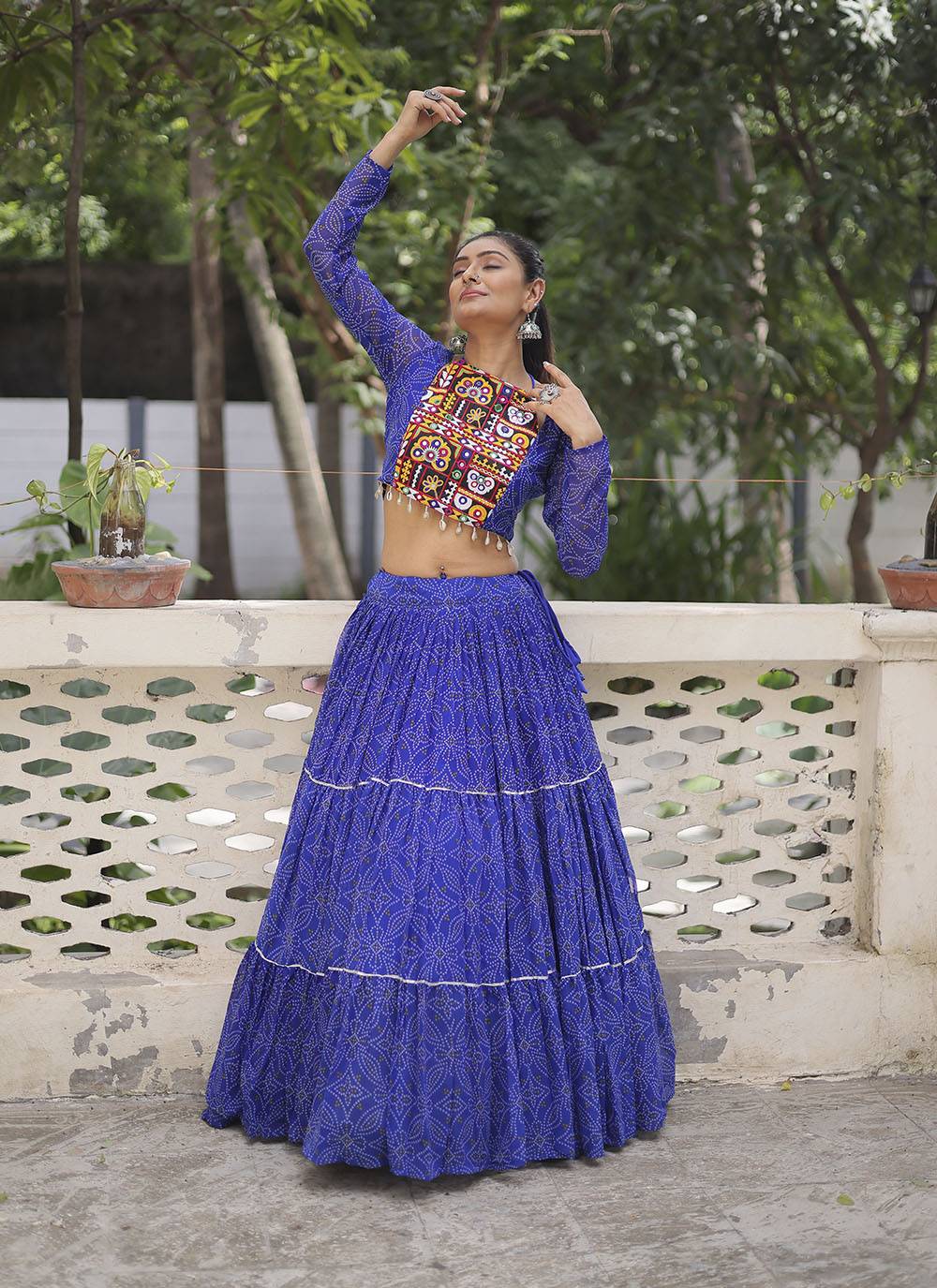
Bulk Export
One vendor, one consolidated shipment. Ajmera Fashion Exports offers a complete portfolio of Indian ethnic wear and home textiles for international B2B buyers. Explore our product categories for bulk orders, custom packing and private label requirements. Based in Surat, India's textile hub, we support importers, wholesalers, retail chains, distributors and fashion brands sourcing products from India.
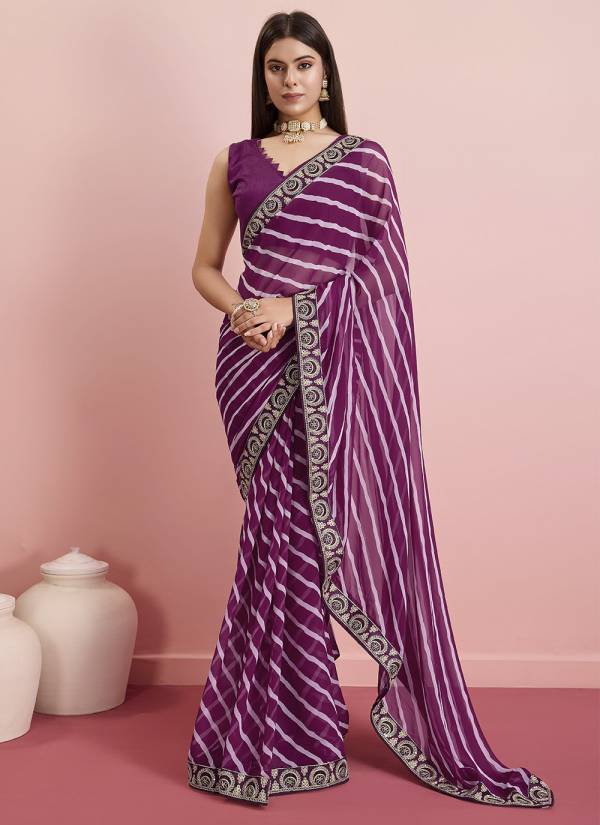
Explore wholesale sarees from India, from everyday georgette and art silk to bridal sarees featuring zardozi, stone work and decorative embroidery. Our saree range caters to different price segments and international market requirements. Fabric, colour and embroidery customisation can be discussed according to product availability and order specifications.
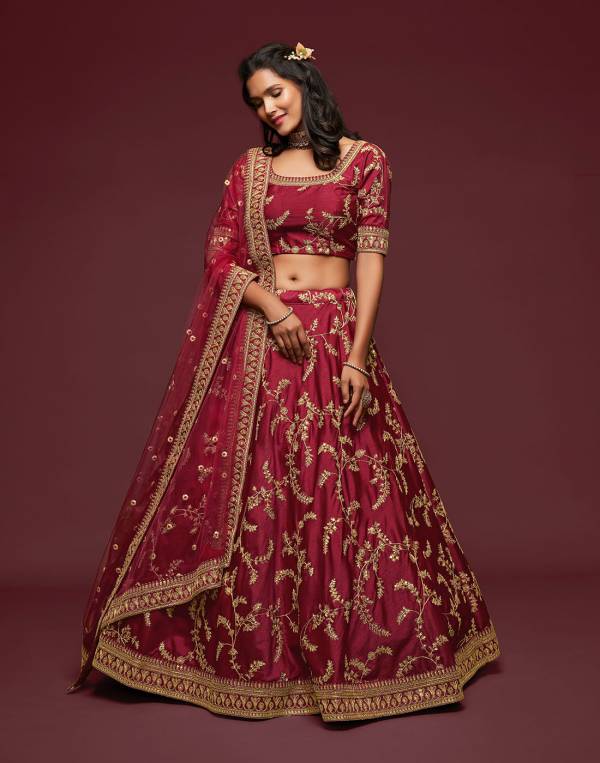
Explore SareesSource wholesale bridal lehengas in velvet, tissue silk and zari-woven blends, featuring gota patti, resham threadwork and stone embellishments. These collections are suitable for bridal boutiques, ethnic wear retailers, distributors and fashion businesses serving wedding-season demand in the USA, UK, Gulf markets and beyond.
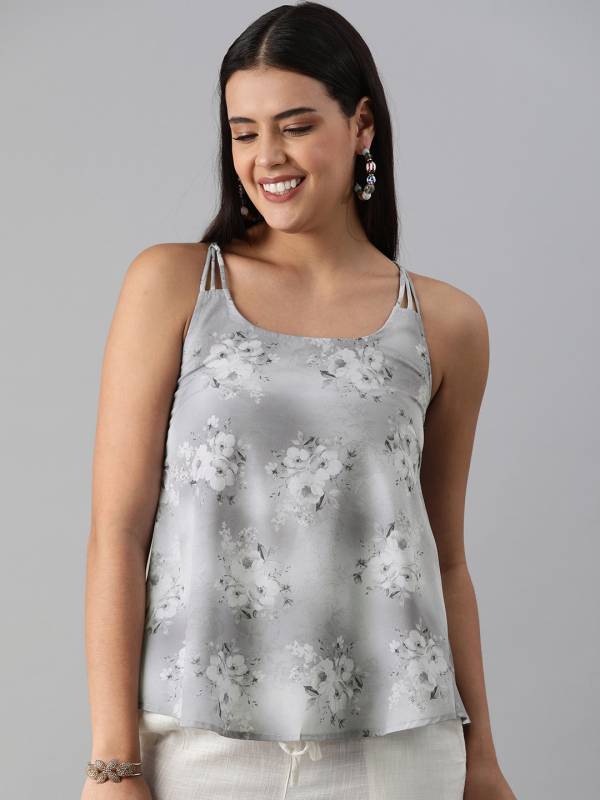
Explore LehengasDiscover designer kurtis in rayon, crepe and cotton-silk fabrics, ranging from everyday styles to premium embroidered designs. Ajmera Fashion Exports supports bulk sourcing for boutiques, retail chains, online sellers and international fashion distributors looking for Indian women's wear.
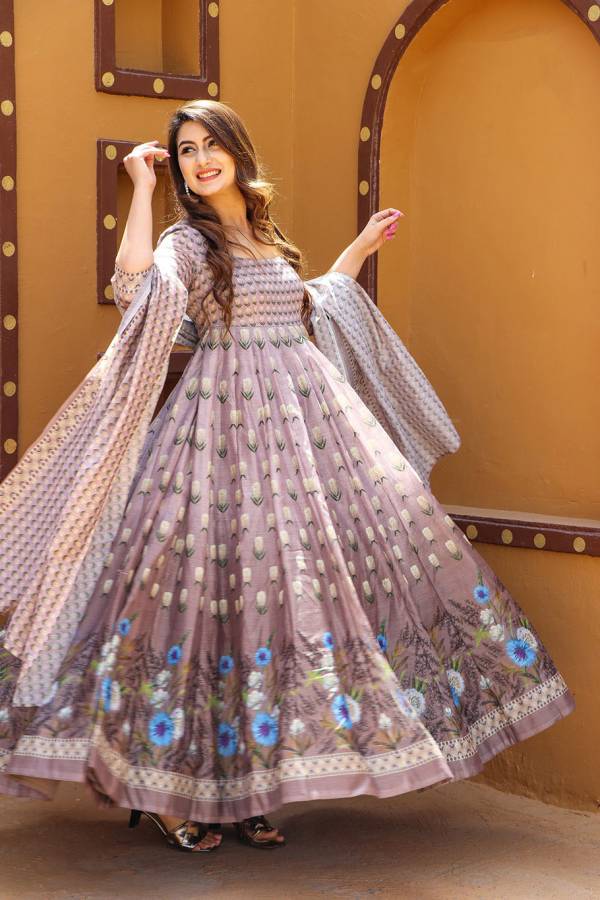
Explore KurtisExplore designer gowns featuring decorative embroidery, zardozi embellishments and occasionwear styles for fashion retailers and eveningwear businesses. Bulk buyers can discuss custom colours, size ranges, product selection and private label branding according to their requirements.
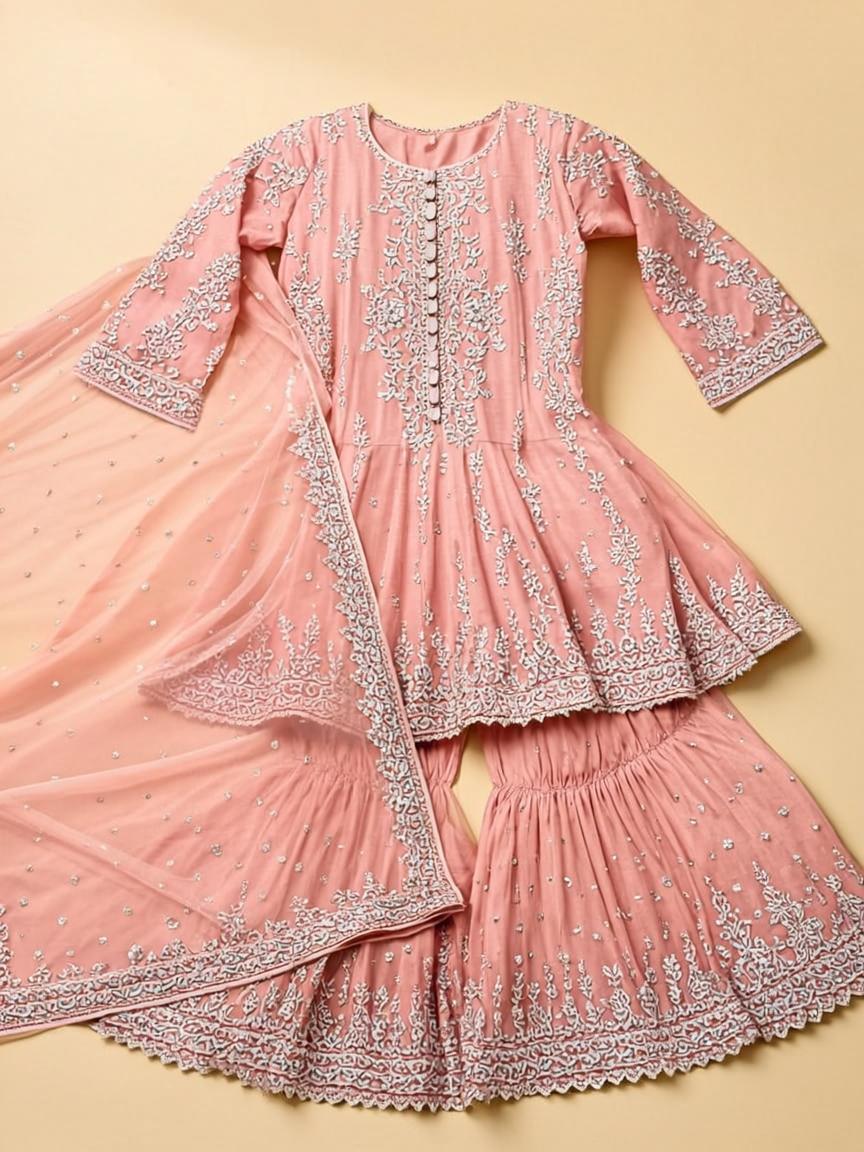
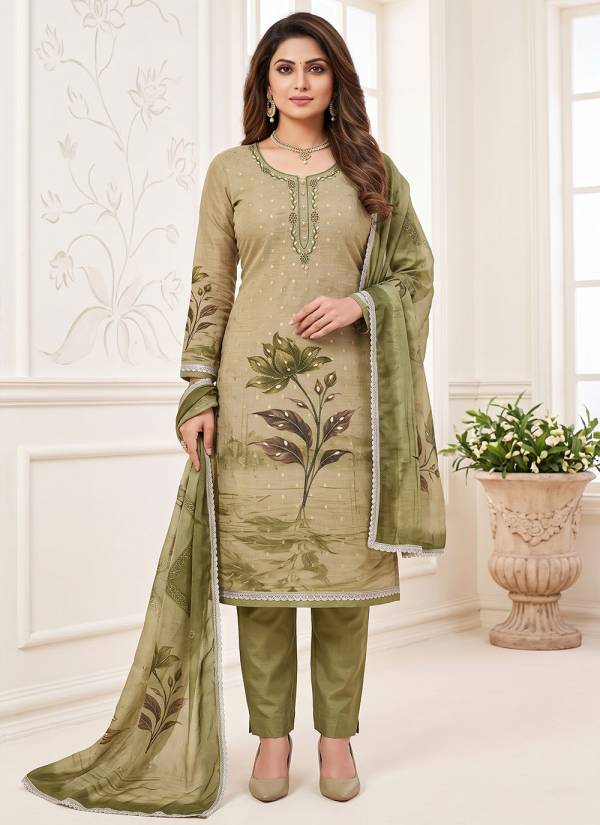
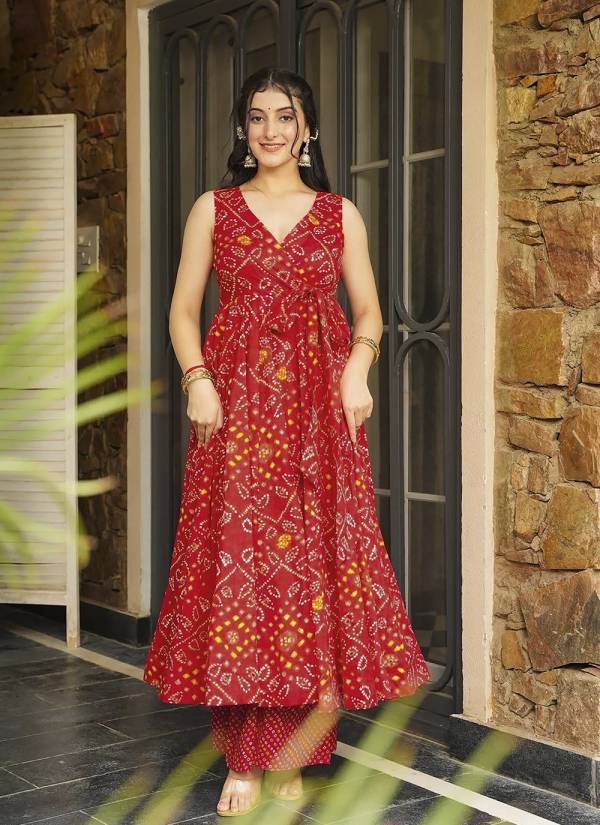
Explore GownsExplore wholesale salwar suits from India, including embroidered salwar kameez, everyday suits, festive styles and three-piece suit sets. Our collections are suitable for importers, wholesalers, boutiques and fashion retailers sourcing Indian ethnic wear in bulk. Custom packing and private label options can be discussed based on order quantities and product specifications.
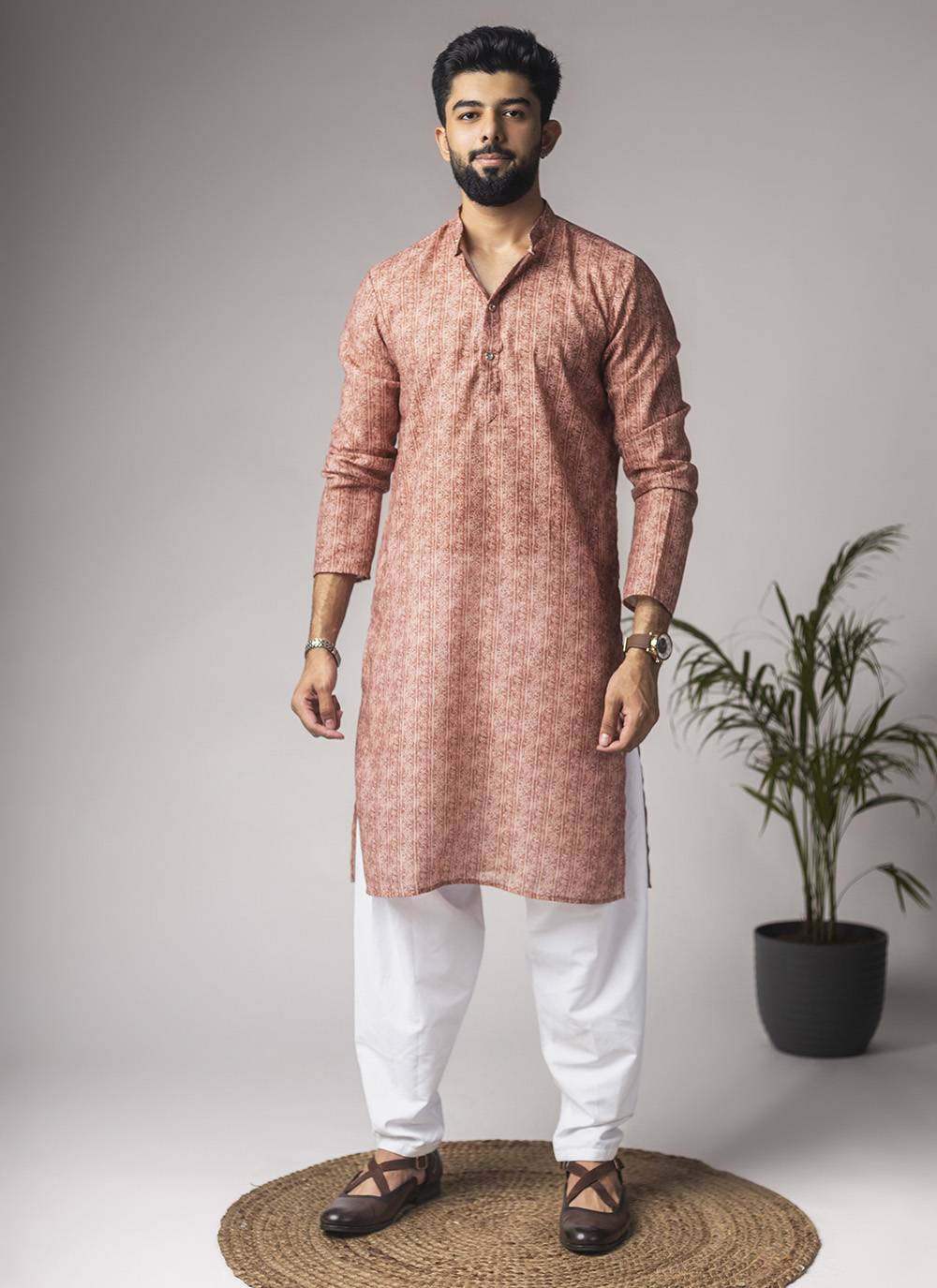
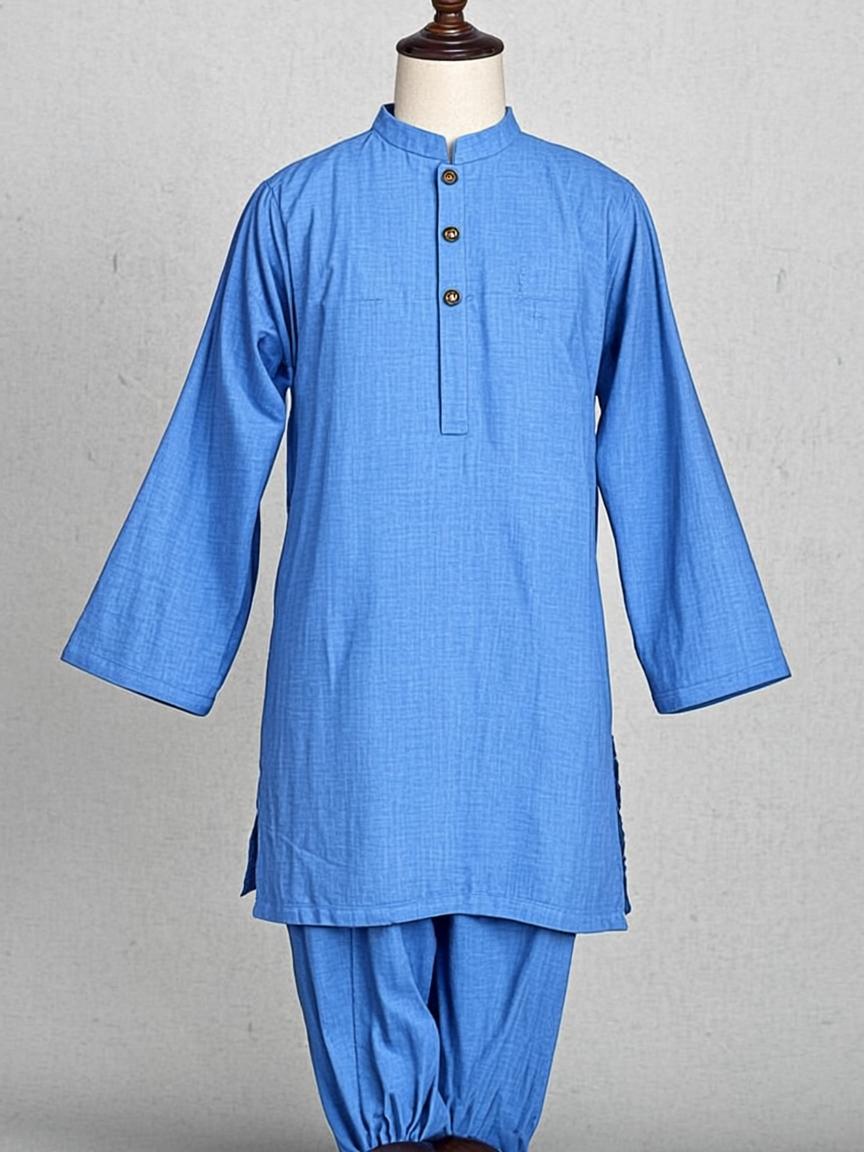
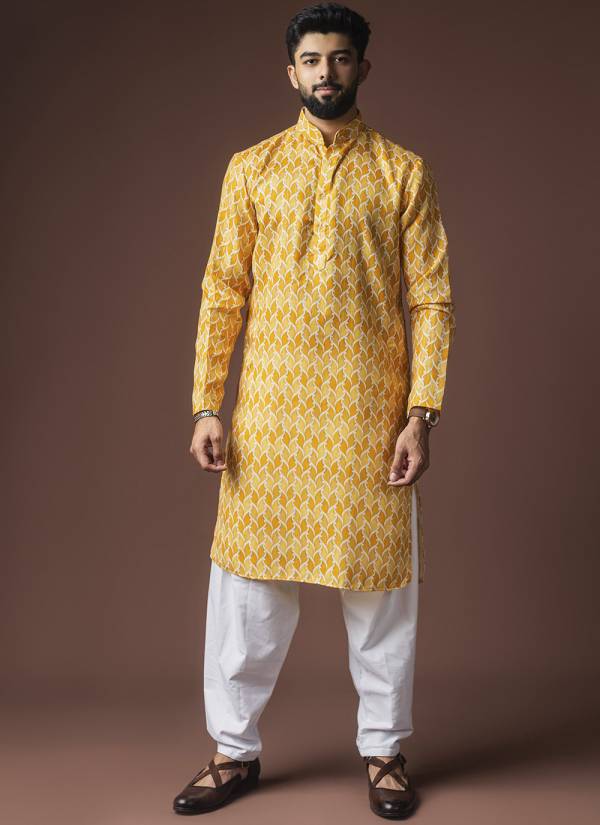
Explore Salwar SuitsSource men's ethnic wear in bulk, including kurtas, kurta-pajama sets and festive ensembles. These collections cater to wedding retailers, cultural clothing stores, ethnic fashion distributors and businesses planning Diwali and seasonal festive collections for domestic and international markets.
Explore MenswearDiscover kids' festive clothing, including lehenga choli sets and occasionwear for children's fashion retailers, boutiques and importers. Buyers can discuss available size ranges, coordinated size-set packing and suitable trims in accordance with applicable product and destination-market requirements.
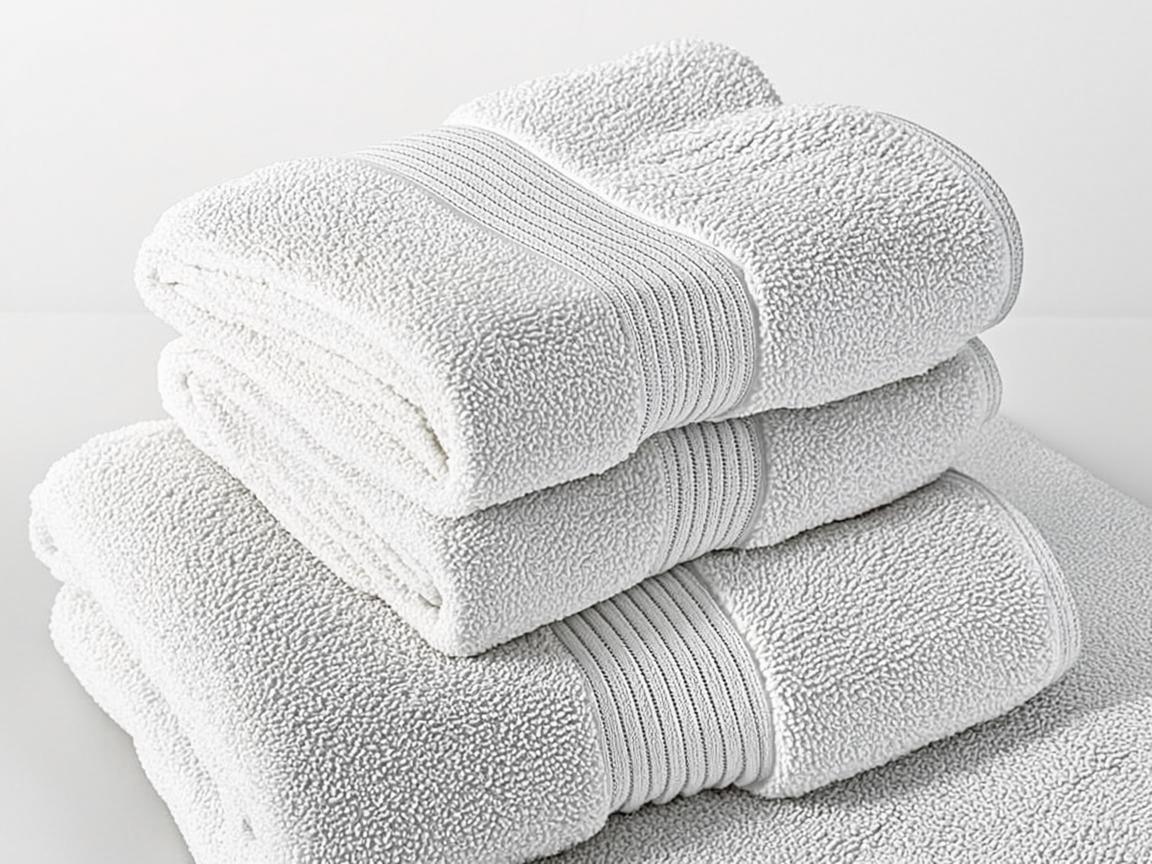
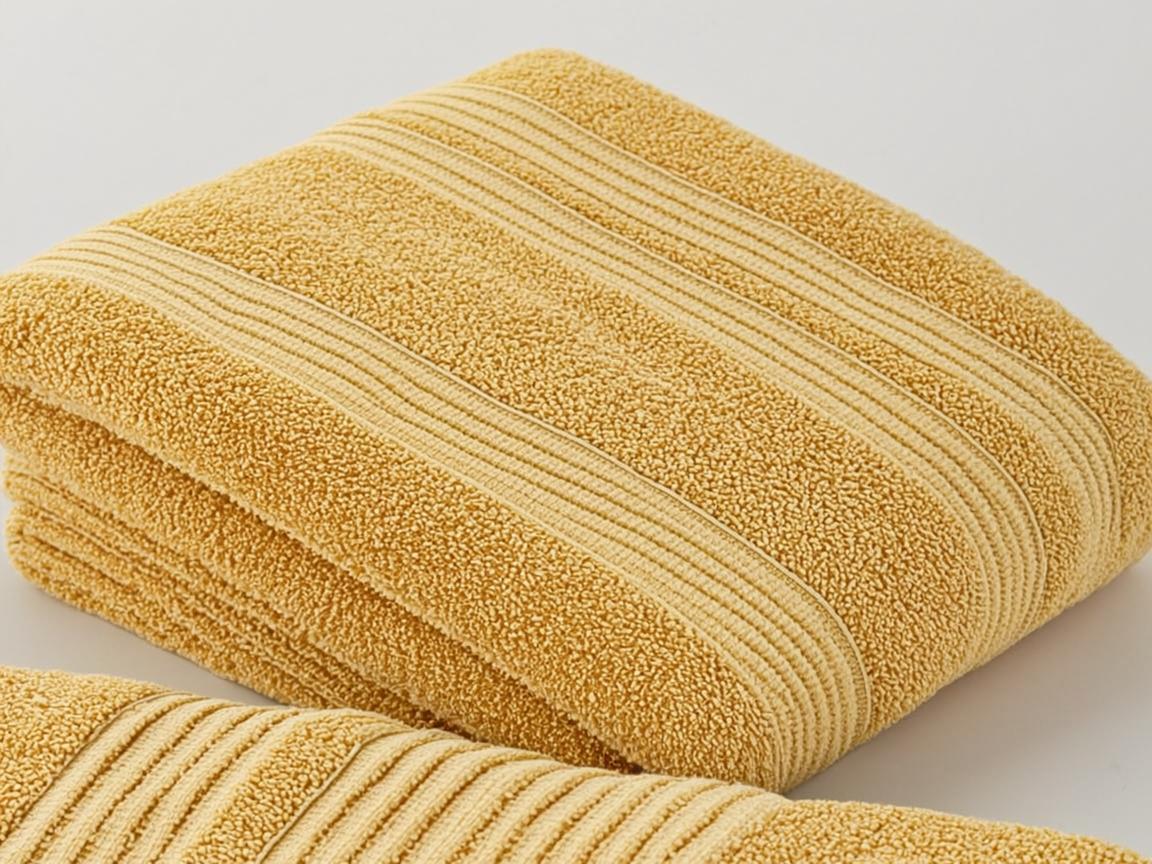
Explore Kids WearExplore hotel towels and cotton terry towel options for hospitality suppliers, resorts, linen distributors and institutional buyers. Bulk buyers can confirm fabric composition, GSM, dimensions, colour options and packaging requirements against the selected product and intended application.
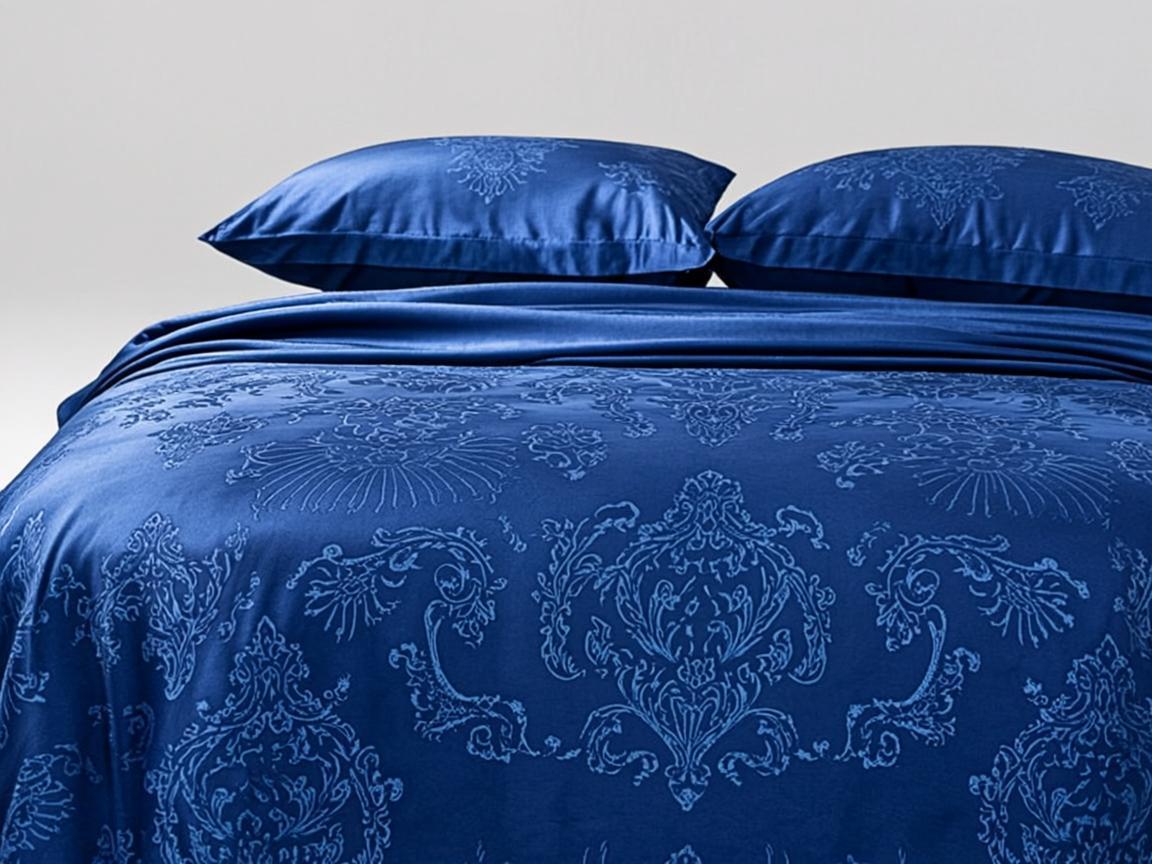
Explore Hotel TowelsSource bedsheets for home textile retailers, hospitality buyers, bedding distributors and institutional customers. Explore available bedding options and discuss fabric composition, thread count, dimensions, colours and bulk packing according to your market requirements.
Explore Bed SheetsWe work with B2B buyers looking to source Indian fashion and home textile products for their respective markets.
Share your selected categories, estimated quantities, destination country and packing requirements with Ajmera Fashion Exports to discuss your sourcing needs.
A dedicated export desk for importers, wholesalers, retail chains and private label buyers - proforma invoices, HS codes and destination-market compliance handled by our team.
Documentation, labelling and packing tuned per destination - from retailer-ready barcodes for the USA to GCC-standard packing for the Gulf.
Stage-wise quality checks from fabric inspection to pre-shipment audit - what you approve in samples is exactly what loads in the container.
Size-set packing, barcode labelling and export cartons built for retail backends - your stock arrives shelf-ready, saving repacking cost.
Approved orders move into production with pre-shipment inspection; mixed-category orders are consolidated into one shipment to save your freight cost.
Explore the best textile markets in India for online shopping, including Surat, Jaipur, Ahmedabad and Panipat. Compare textile hubs and learn how to buy online.
Read article Export Guides
Learn how to import kurtis from India, find wholesale suppliers, compare bulk prices, check garment quality, calculate landed costs and prepare for international shipping.
Read article