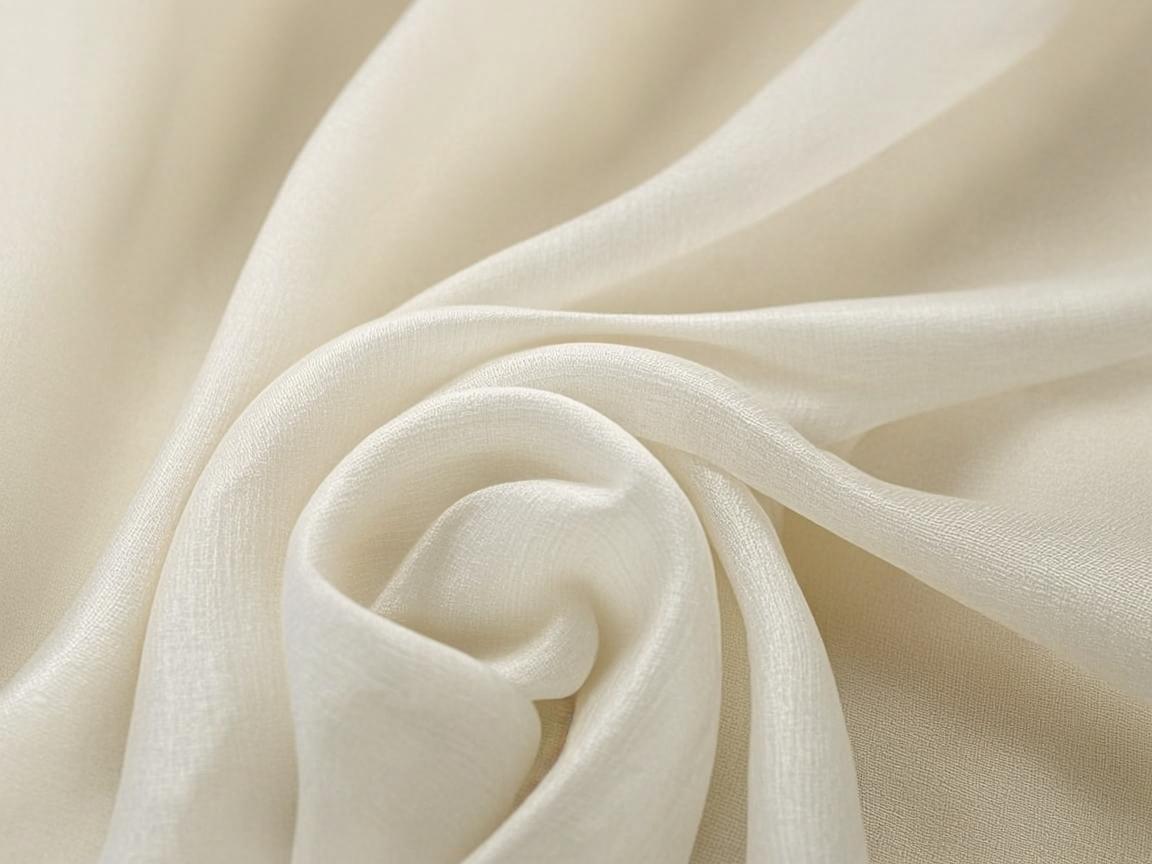
Abaya Fabric Supplier in Bahrain — Woven & Finished in Surat
premium black and muted-tone fabrics woven and finished for abaya production — supplied mill-direct to Manama souq fabric shopss with shade-matched lots, custom finishing and full export documentation via Khalifa Bin Salman Port in Hidd.
If you have been sourcing abaya fabric for Bahrain for a while, you already know the fabric is rarely the problem — the problems live in shade drift between lots, lead times that stretch when the season peaks, and paperwork that stalls at customs while your shelf waits. That is the gap this page exists to close.
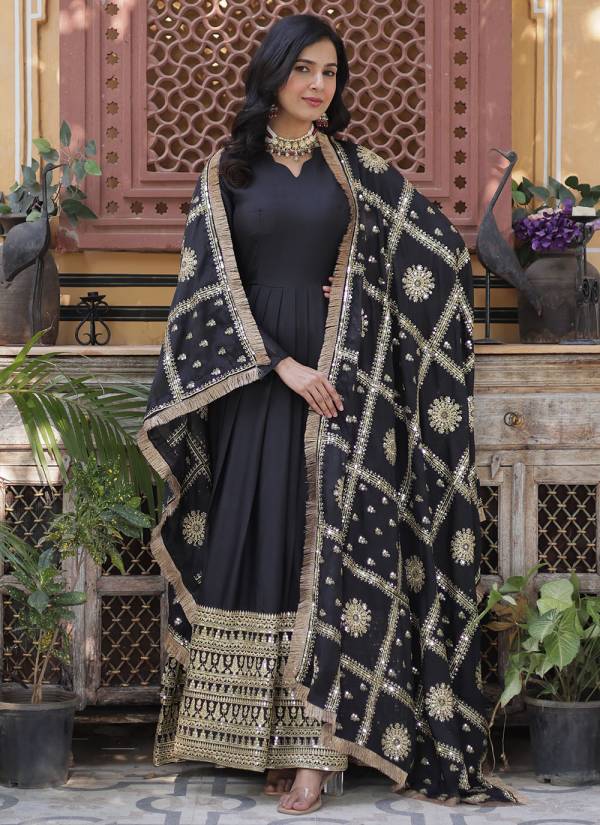
Abaya fabric is judged on three things — depth of black, drape and crease recovery. Our dyeing partners in Surat have spent years tuning their blacks so the fabric stays rich after the third wash, and the hand-feel Gulf ateliers expect from nidha and khaliji bases is exactly what our finishing line is calibrated to deliver.
We supply premium black and muted-tone fabrics woven and finished for abaya production to Manama souq fabric shops, abaya ateliers, boutique owners and uniform contractors, and Bahrain demand balances everyday abaya and sheila bases with a genuinely design-led boutique scene in Adliya and Manama that buys seasonal statement yardage.
Our abaya fabric programme
The programme is built around what Bahrain ateliers and production floors actually cut and sell — the bases, the widths and the finishes that survive a full retail season.
- Bases: nidha crepe, khaliji satin, georgette, chiffon and linen-blend bases
- Widths: 44” and 58” as standard, custom widths on request
- Colours: full shade card plus matching to your pantone or a cutting from existing stock
- Finishing: soft-flow, pre-shrunk, brushed or standard mill finish
- Lots: shade-matched within lot and across lots for continuing programmes
- Packing: tube-rolled, poly-wrapped, carton-packed for export to Khalifa Bin Salman Port in Hidd
Why Bahrain buyers stay with this desk
- Consignment sizes that fit real Bahrain businesses — from trial lots to full season volumes
- Shade discipline that holds across lots, because one drifted lot costs a season of trust
- Direct-from-mill supply without trading-house padding
- Documentation formatted for Khalifa Bin Salman Port in Hidd clearance, prepared in-house
The Bahrain calendar
Abaya Fabric demand in Bahrain moves with Ramadan, both Eids and the Bahrain wedding season from October to April. Bahraini buyers test small, then commit deep — the classic arc is a trial lot, an inspection of how the fabric behaves on their floor, then a season programme.
How supply relationships start
New abaya fabric buyers usually begin with a fabric cutting and a video walk-through of the current programme, then a trial lot of the specific bases their production will actually cut. The trial answers the questions a catalogue cannot — how the fabric behaves on their machines, how the shade sits under their shop lights, how the finishing survives their handling. Once the trial passes, season programmes run on reserved capacity with shade standards held on file.
Shipping to Bahrain — the practical details
Sea freight via Khalifa Bin Salman Port in Hidd with air freight for festival windows. Every consignment carries the full documentation pack, and payment structures are discussed openly at enquiry stage.
Talk to us about your abaya fabric supplier bahrain requirement
Send your abaya fabric supplier bahrain requirement across — quantities, shades, widths and the season you are planning for. The desk responds with costing, lead times and the sampling path, because a first order built on verified samples is the only first order we are interested in.
Modest-wear fabric and garment collections we supply
Modest-wear supply is its own discipline — the Gulf counter judges fabric on drape, opacity, crease recovery and how the base takes embellishment, and the tailoring trade around it judges shade consistency across millions of garments. Our programme serving Bahrain covers both sides: the fabric yardage that ateliers and thobe chains cut from, and the finished-garment consolidation that retail groups source directly.
The fabric programme runs the full modest-wear register — flowing bases for abaya layers, crisp shirting for kandora and thobe production, premium black yardage with the sheen and hand-feel the boutique tier demands, plus sheila, hijab and kaftan cloths. Weight bands, opacity standards and GSM tolerances are held to the spec discipline the regional trade audits for.
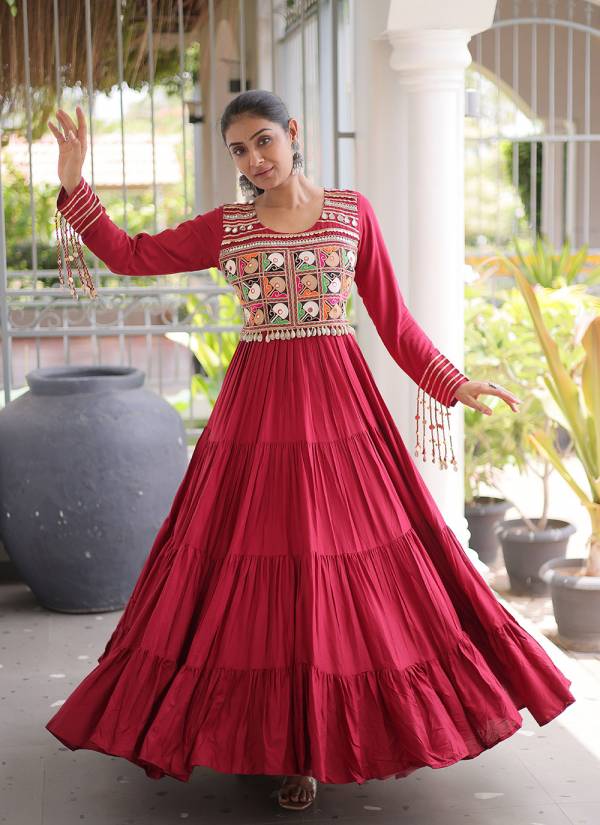
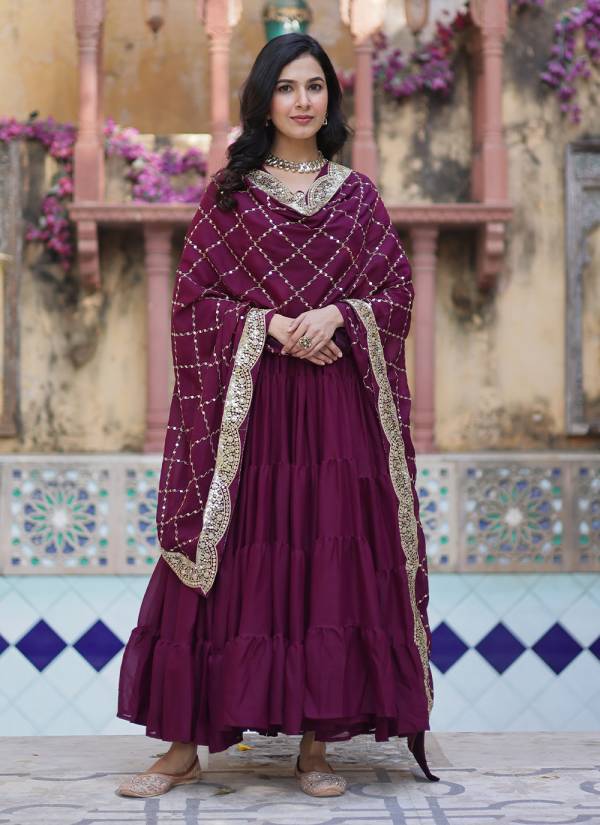
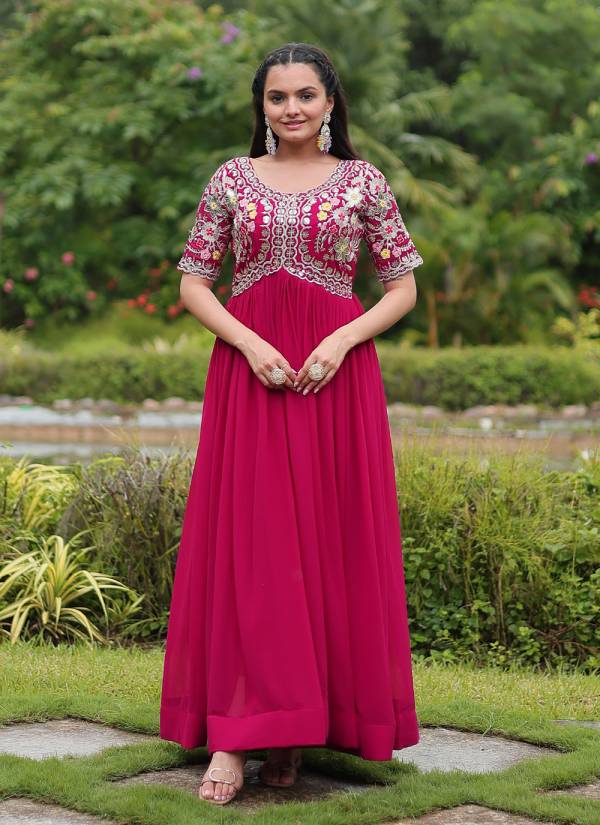
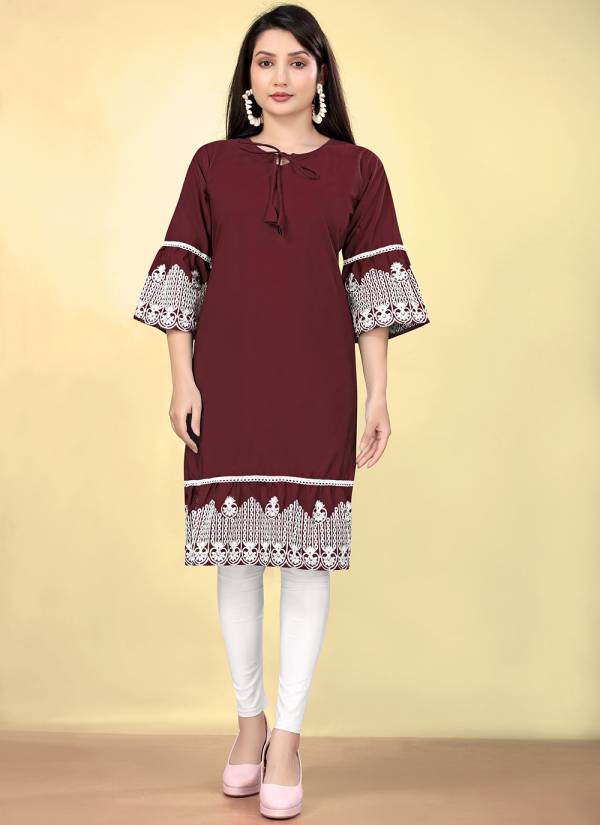
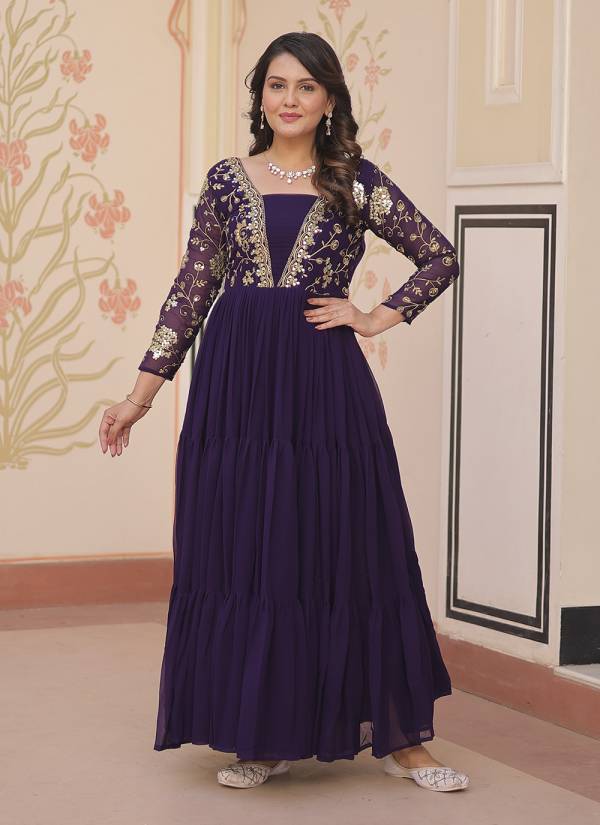
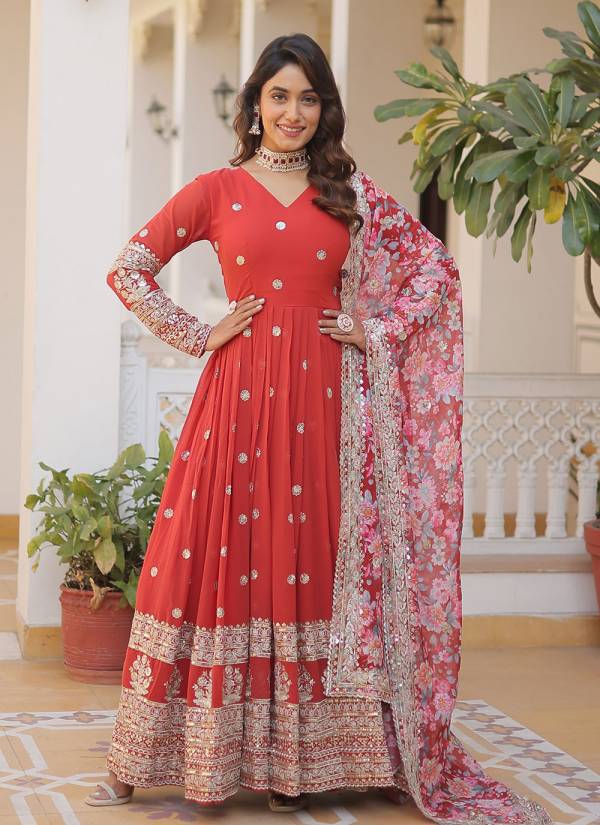
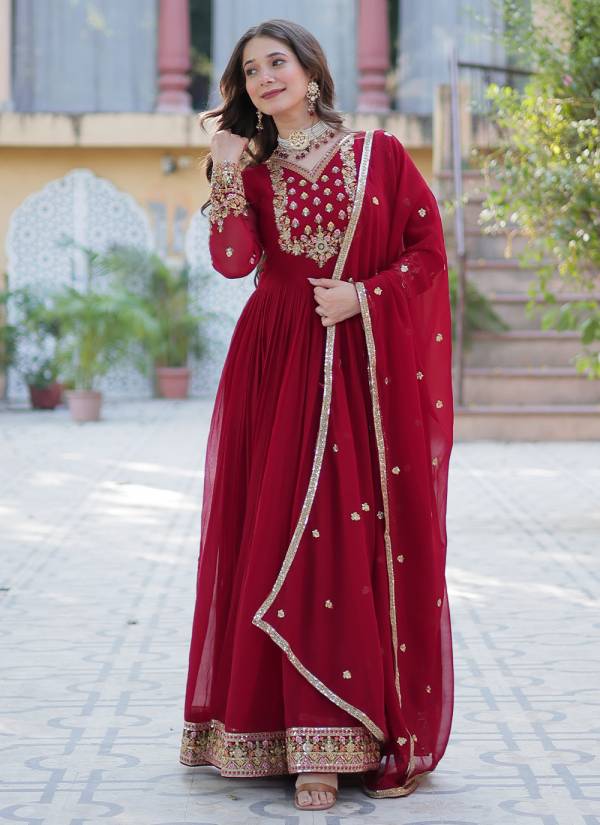
On the garment side, our consolidation covers occasion wear and the ethnic programmes that Gulf retail groups run alongside their core modest-wear counters — the diaspora demand for sarees, kurtis and suit programmes rides the same shipping calendar. Buyers managing both sides of the shelf source them from one desk for exactly that calendar discipline.
- Fabrics — the weaving cluster range
- Ethnic wear collections — diaspora counter programmes
- Gowns — occasion range
- Kurtis — rotation programmes
Fabrics behind the range
Modest-wear fabric standards are specific and testable:
Cotton from 80 GSM voile to 220 GSM canvas, on plain, twill, satin and dobby constructions. Silk from 40 GSM chiffon through 120 GSM dupion. The polyester and viscose families across their full weight range, chosen where drape and cost discipline matter more than fibre romance. Then the fashion registers — georgette, crepe, satin, velvet, organza, jacquard, brocade — each with its own GSM band and finishing behaviour that decides how the end garment actually performs.
Every programme we quote is built on a specified construction, not a fibre name. "Cotton fabric" tells a buyer nothing until the GSM, weave and finish are attached — which is why our quotations run on spec sheets, and why the sampling stage exists: your hand on the cloth beats any description we could write.
The Surat advantage — a short history
The saree and dress trade built this city before the export business did. Surat's weaving families supplied India's saree counters for generations — the zari work, the jacquards, the printed georgettes that moved by the million through wholesale halls around Ring Road. That domestic trade taught the cluster something export markets now benefit from: how to hold quality at volume, week after week, at price points real retailers can mark up.
When export demand arrived — Gulf fabric houses first, then diaspora boutiques in London, New Jersey and Nairobi, then the trade buyers of West Africa and Southeast Asia — the cluster simply aimed the same machinery at new specifications. Kandora shirting, abaya bases, kurti sets, hotel linen: the looms do not care what the end product is called; the discipline is in the GSM and the shade card.
What has not changed is the trading culture. Deals still close on trust and trial lots, reputations still travel by word of mouth through community networks, and a supplier who ships clean three times earns a buyer for a decade. That is the history we operate inside, and it is the honest reason a Surat desk can promise what bigger-sounding operations cannot: the person who quotes your order is the person accountable for it.
About Ajmera Export — the brand behind this page
Behind this page is a Surat export desk that has spent years learning what international buyers actually get judged on by their own customers. Landed-cost surprises kill retail margins. Late festival arrivals kill a whole season's plan. A shade drift between the sample and the bulk kills trust permanently. Our systems are built backwards from those three failure points.
Ajmera Export consolidates manufacturing and finishing across Surat's clusters into programmes that behave predictably: approved strike-offs before bulk runs, lot-level shade discipline, staged quality inspections with reports that travel with the shipment, and documentation packs that clear customs without follow-up. The desk runs on MOQ structures that let smaller buyers grow into larger ones without renegotiating the relationship each time.
We are a family-trade company in a city where that still means something — the reputation economics of a close-knit merchant community apply. Shortchange a buyer once and three others hear about it at the next trade sit-down. That pressure suits us fine, because the way we work anyway is the way that pressure enforces: honest specs, honest timelines, honest claims handling.
Why businesses choose us
- One accountable desk across weaving, dyeing, printing, embroidery, stitching and packing — no multi-vendor blame chains
- Strike-off approvals before every bulk run, so the shade you sign is the shade that ships
- Lot-level shade and GSM discipline with archived specs on file for every buyer programme
- MOQ structures designed for growing buyers — scale up without renegotiating the relationship
- Private labelling, retail-ready packing and destination-market documentation handled in-house
Start your first order
Start the way most of our long-term buyers did: send one enquiry with what you stock today and where you want to take the programme. We reply with constructions or styles that fit your shelf, a counter-sample plan, and MOQ levels matched to your current volumes. Samples ship within days, approvals happen on your timeline, and the first production slot is booked the day you sign the strike-off.
The enquiry form on this page reaches the export desk directly, and WhatsApp works just as well for buyers who prefer trading-floor speed. Either way, the conversation that follows is a working one — spec, quantity, lead time, packing — not a brochure exchange.
Frequently Asked Questions
What is the minimum order quantity for abaya fabric supplier bahrain?
MOQs are flexible and depend on the construction — most fabric programmes start around 500 to 1,000 metres per shade for stock bases, and higher for custom-dyed or custom-woven lots. Mixed shipments combining several constructions in one container are routine for our buyers, so you can build a full fabric programme without over-committing to a single item.
How long does delivery to Bahrain take?
Stock constructions dispatch within a week, and sea freight transit to Khalifa Bin Salman Port in Hidd typically adds three to four weeks depending on sailing schedules. Air freight is available when you need to catch a retail window — tell us your deadline at enquiry stage and we will quote the realistic option, not the optimistic one.
Can you match the fabric we already buy?
Yes — send us a cutting of your current fabric and we will analyse weight, construction and finish, then send back a matched sample for your approval before any order is confirmed. This is the most common way buyers start with us, and it protects you from the classic switching risk of a new supplier.
Featured Range
Products for Bahrain