Apparel Manufacturer for Indian Brands
Ajmera Fashion Exports supports B2B apparel and textile sourcing enquiries from Indian fashion brands, clothing retailers, wholesalers and growing businesses. Explore garment sourcing, fabric selection, stitching, dyeing and printing coordination, quality checks and bulk order requirements from Surat, India.
APPAREL MANUFACTURING · PRIVATE LABEL · B2B SOURCING
Apparel Manufacturing and Sourcing for Indian Fashion Brands
Finding the right apparel manufacturer for Indian brands is an important decision for fashion labels planning to launch new collections, expand product categories or manage bulk clothing orders. A suitable manufacturing partner needs to understand fabric selection, garment construction, stitching requirements, sizing, finishing, quality expectations and order timelines. Ajmera Fashion Exports, based in Surat, Gujarat, India, welcomes B2B enquiries from Indian fashion brands, clothing businesses, retailers, wholesalers and professional sourcing companies.
Whether you are searching for an apparel manufacturer in India, a clothing manufacturer for your brand, a private-label apparel sourcing partner or a supplier for bulk garment orders, your sourcing decision should begin with a clearly defined product requirement. Garment type, fabric composition, design, size range, quantity, finishing and packaging can all influence the production and supply arrangement.
Ajmera Fashion Exports operates in the textile and apparel sector from Surat. Its published manufacturing and infrastructure information covers textile sourcing, in-house stitching, dyeing and printing coordination, export packing and quality-related processes. Buyers can discuss their requirements and confirm the exact manufacturing or sourcing arrangement available for their selected product.
For Indian brands, the objective is not simply to find an apparel supplier. It is to establish a clear process for product development, specification approval, order planning, quality evaluation and commercial coordination. A well-defined sourcing brief helps both sides understand the work involved before a bulk order is confirmed.
Apparel Manufacturer for Indian Brands: What Should You Look For?
When comparing an apparel manufacturer for Indian brands, evaluate the complete production and sourcing process instead of considering only the quoted garment price. A clothing brand needs products that match its design direction, customer expectations and selling price. The manufacturing or sourcing partner should be able to discuss the relevant fabric, garment construction, measurements, finishing and order requirements.
Start by identifying the type of apparel you want to develop. Women's ethnic wear, everyday clothing, occasionwear, men's apparel and kidswear can require different materials, stitching methods, size specifications and finishing details. A manufacturer or sourcing partner should understand the intended product category before confirming feasibility and commercial terms.
Next, review how the product specification will be documented. A useful specification may include a reference design, fabric composition, GSM, garment measurements, size range, colour, stitching details, embellishments, finishing and packaging requirements. If a sample is available, compare it against the specification before proceeding with bulk production.
Finally, confirm the minimum order quantity, sample arrangements, production responsibility, quality checks, payment terms and expected timeline. These details can vary by garment category, design complexity and production arrangement. Do not assume one MOQ or lead time applies to every apparel product.
Clothing Manufacturer for Indian Fashion Brands and Startups
New fashion labels often need help converting a design concept into a product that can be sold commercially. This involves choosing a suitable fabric, establishing garment measurements, understanding construction requirements and confirming the finishing details. A clothing manufacturer for an Indian brand should be evaluated according to the actual product requirements and the production arrangements available.
Startups should avoid beginning with an unclear bulk order. Prepare a product brief containing the garment category, reference images or design, target customer, expected selling segment, fabric preference, size range and estimated quantity. This helps establish the basic requirements before sampling and quotation discussions.
Brands should also consider whether they need standard products, selected design modifications or a more customised product. Customisation may involve fabric selection, colours, prints, measurements, labels, tags or packaging. Each requirement should be checked separately because technical feasibility, minimum quantities and additional costs can differ.
Ajmera Fashion Exports welcomes B2B enquiries from growing clothing businesses and established brands. Share the proposed collection and order requirements so the team can review the relevant product and sourcing arrangements.
Private Label Apparel Manufacturing and Brand Development
Private-label apparel allows a fashion business to sell clothing under its own brand identity. Depending on the agreed production arrangement, a private-label programme may involve product selection, fabric specifications, garment construction, brand labels, tags, packaging and other product presentation requirements.
For businesses looking for private-label clothing manufacturers in India, it is important to distinguish between a standard wholesale product and a made-to-order product. A standard product may require selection from available designs and sizes, while a customised product may need additional development, sampling, material planning and production approval.
Before requesting a private-label quotation, define the product category, design, fabric, colour, size range, label requirements and expected order quantity. If your brand requires custom packaging, care labels, hang tags or specific product identification, include those details in the initial enquiry.
Ajmera Fashion Exports can review private-label and product-specific B2B enquiries. Buyers should confirm which branding, labelling, customisation and production services are available for the selected garment and order before making commercial commitments.
Apparel Product Categories for Indian Clothing Brands
Women's Ethnic Wear Manufacturing and Sourcing
Women's ethnic wear is an important category for brands serving everyday, festive, wedding and occasionwear markets. Sarees, kurtis, lehengas and related apparel require attention to fabric, design, colour, embellishment, finishing and presentation. Brands should identify the intended customer segment and product positioning before choosing a collection.
When sourcing ethnic wear in bulk, confirm the available designs, fabric specifications, size or measurement requirements, colour options and finishing. Lehengas may involve additional requirements such as embroidery, lining, decorative work and garment measurements. Sarees and kurtis have their own material and product-specific considerations.
Kurti and Women's Apparel Manufacturing
Kurti collections may cover everyday wear, office wear, casual clothing and festive styles. Fabric selection, garment measurements, neckline, sleeve construction, fit, prints and finishing all influence the final product. Brands should provide a reference design or detailed product brief when discussing a new kurti collection.
For bulk kurti sourcing, specify the size range, colour assortment, fabric preference, approximate quantity and intended price segment. Confirm whether the requested designs are available as standard products or require additional customisation.
Lehenga and Occasionwear Sourcing
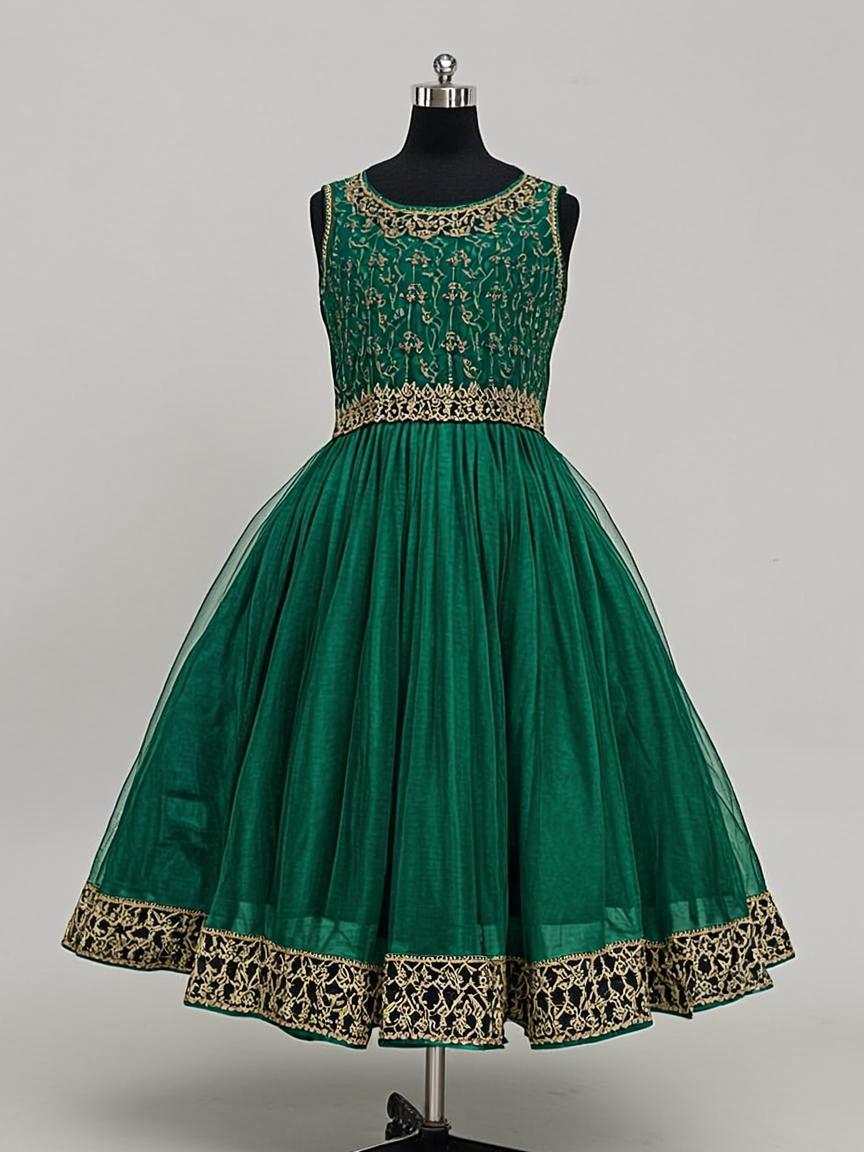
Lehengas and occasionwear may require detailed attention to embroidery, embellishments, lining, closures, garment measurements and finishing. Retail brands should establish the design specifications and intended customer before requesting a production or sourcing quotation.
Where a collection includes several designs, maintain separate product specifications and quantities for each style. Confirm the availability of matching components, colours and size options before finalising the purchase order.
Men's and Kidswear Apparel Requirements
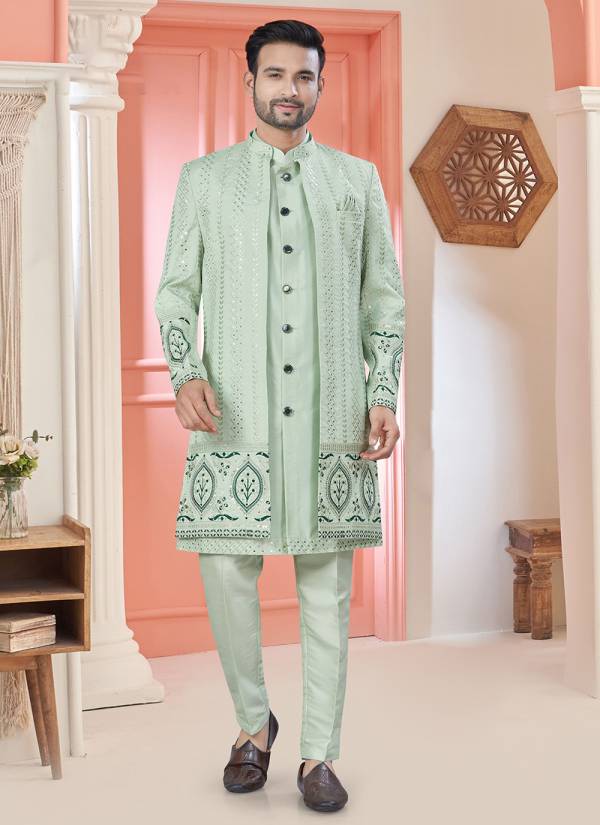
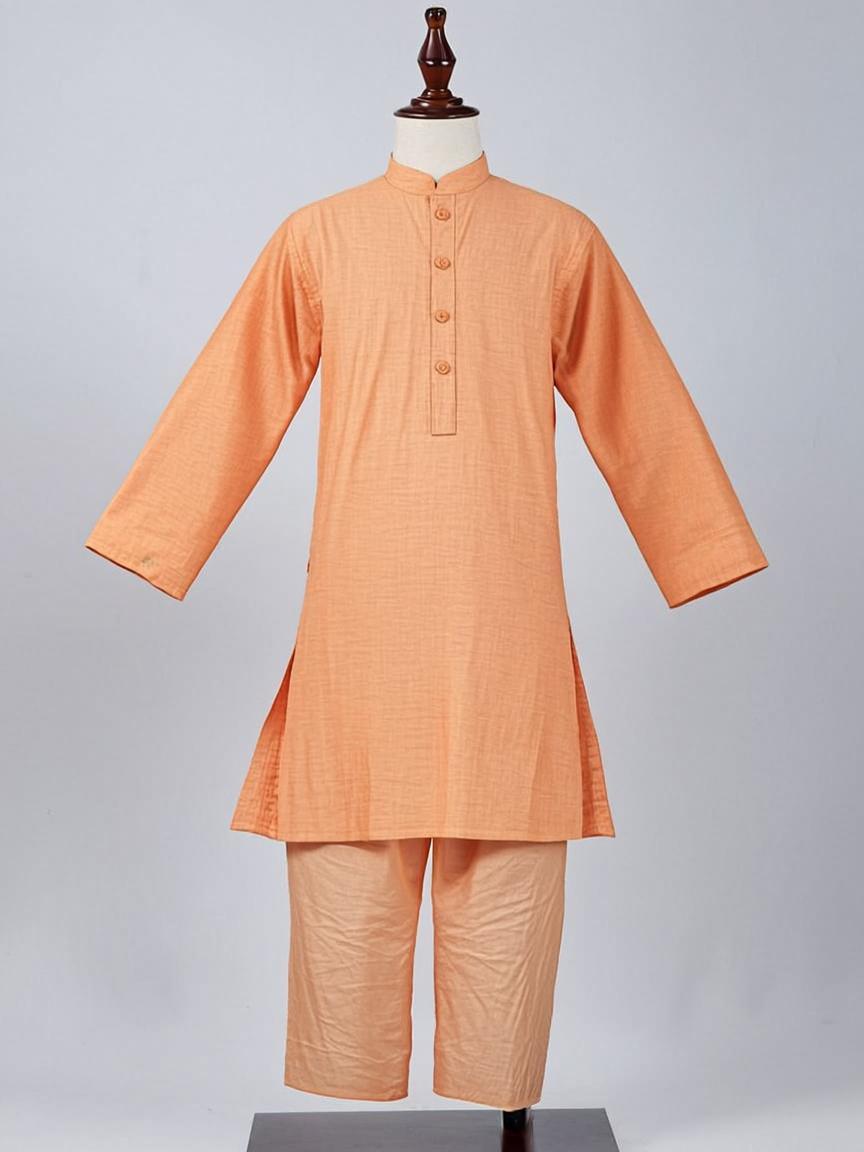
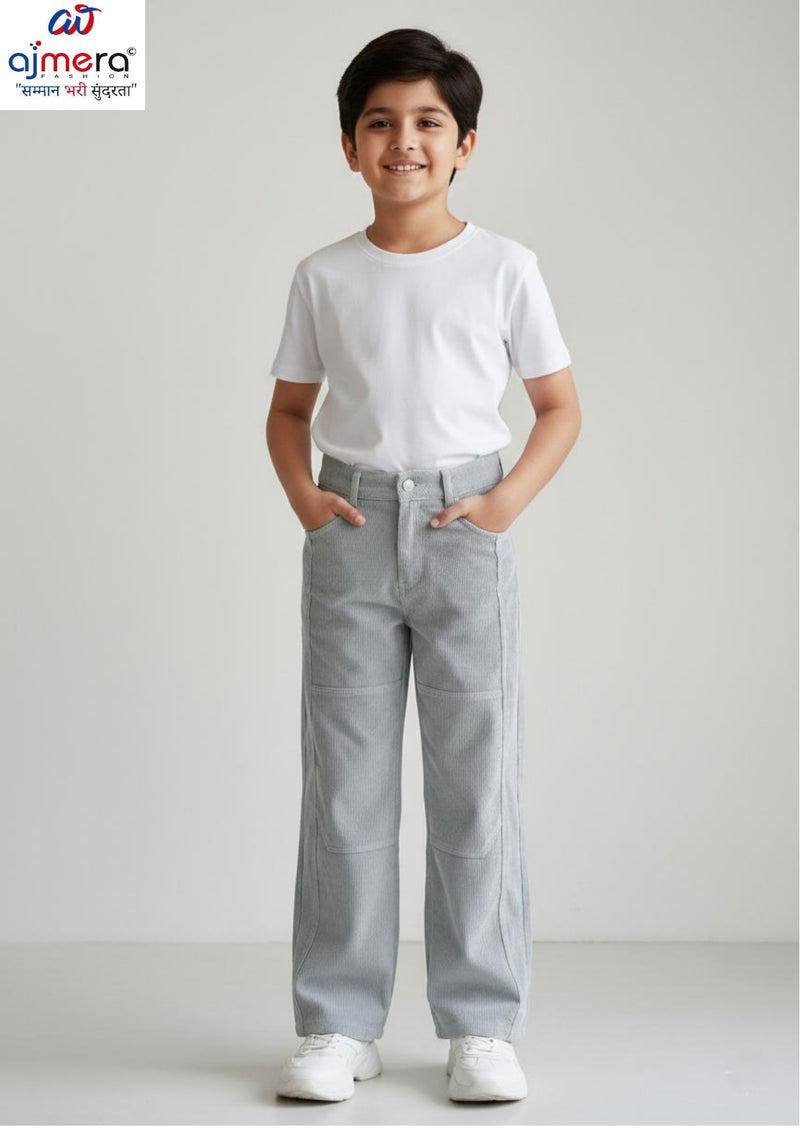
Men's clothing and kidswear involve different sizing, fit, fabric and construction considerations. Brands should define the intended product category, measurements, material requirements and finishing details. For children's apparel, buyers may also need to review age-based sizing, comfort, trims and any applicable product safety requirements.
Current product availability and manufacturing arrangements for these categories should be confirmed with Ajmera Fashion Exports before planning a collection.
Fabric Sourcing for Apparel Manufacturing in India
Fabric selection directly influences the appearance, comfort, construction and commercial positioning of an apparel product. A fashion brand should evaluate fibre composition, GSM, usable width, texture, drape, colour and finishing before approving the material. Different garments require different fabric characteristics, so the material should be selected according to the intended design and application.
Ajmera Fashion Exports lists fabric categories including cotton, georgette, chiffon, organza, silk, jacquard, satin and velvet. These categories may be relevant to different apparel applications, but suitability depends on the exact construction and specification of the selected fabric.
Brands should provide a clear fabric brief. Include the preferred composition, weight, width, colour, finish, print or design requirements and approximate quantity. If the fabric is intended for a particular garment, mention the intended use so that the relevant material characteristics can be evaluated.
For businesses sourcing fabrics and finished garments together, confirm which materials and production stages are included in the proposed arrangement. Do not assume that every listed fabric is automatically available for every garment or customisation requirement.
Garment Sampling, Product Development and Approval
Sampling helps brands assess a garment before confirming a larger order. It provides an opportunity to review the fabric, measurements, fit, stitching, finishing, colour and overall appearance against the intended product specification.
A useful sample approval process begins with a defined product brief. Include a design reference, material requirements, measurements, size range, trims, labels and finishing instructions. If any changes are required after reviewing the sample, document them clearly and confirm whether they affect the price, minimum quantity or production schedule.
Brands should also establish how the approved sample will relate to the bulk order. Retaining the reference sample and approved specification can help reduce confusion during repeat orders or subsequent collection development.
Sample availability, development charges and production feasibility depend on the product and the proposed arrangement. Confirm these details directly before beginning a sampling programme.
Apparel Quality Control and Garment Inspection
Quality control is an important part of apparel manufacturing and wholesale sourcing. A garment should be assessed against its agreed specifications rather than a general description such as premium quality. The relevant checks may include fabric composition, garment measurements, stitching, seams, colour consistency, embellishments, finishing and packaging.
For brands, measurement accuracy is particularly important because size inconsistencies can affect customer experience and returns. Establish the measurement chart and acceptable tolerances before production. If the product includes embroidery, prints, decorative elements or special finishing, define the expected result and approval process.
Ajmera Fashion Exports publishes information about fabric inspection, measurement audits, AQL sampling, traceability records, carton drop tests and buyer approvals. The applicable checks and documentation should be confirmed for the particular product and order.
If your brand requires third-party inspection, laboratory testing or destination-specific compliance documentation, communicate those requirements before order confirmation. Availability, scope and cost should be agreed in advance.
Bulk Apparel Manufacturing: MOQ, Pricing and Production Planning
Bulk apparel manufacturing prices depend on the garment design, fabric, material consumption, stitching complexity, trims, embellishments, finishing, quantity and packaging. Customisation and special processing can change the final quotation. Brands should compare supplier quotations using the same product specification and quantity.
Minimum order quantity can vary by garment type, design, colour, size assortment and production arrangement. A standard product may have different purchasing requirements from a garment requiring custom fabric, labels or specialised finishing. There is no single MOQ that applies to every apparel manufacturer in India.
For a meaningful quotation, provide the garment category, design reference, fabric preference, size range, colour assortment, quantity, branding requirements and destination. Ask for clarification about sampling, production lead time, packing, payment terms and any additional charges.
Production planning should include time for specification approval, sampling where applicable, material confirmation, production, quality checks and dispatch coordination. Confirm the schedule for the actual order rather than relying on a generic delivery estimate.
Why Choose a Surat-Based Apparel and Textile Sourcing Partner?
Surat, Gujarat, is an established textile business centre with a broad network of textile trading, processing and apparel-related activity. Brands exploring apparel manufacturers in India may consider Surat-based businesses when evaluating fabric sourcing, ethnic wear and textile product requirements.
Ajmera Fashion Exports operates from Surat and covers fabric, Indian ethnic wear and selected home textile categories. Its published manufacturing information describes stitching, dyeing and printing coordination, export packing and quality-related processes. The exact production responsibility, facilities and available capabilities should be confirmed for each requested product.
For fashion brands, working with a sourcing partner requires clarity about product specifications, manufacturing arrangements and commercial responsibilities. Before placing a bulk order, confirm who is responsible for fabric procurement, garment construction, quality checks, packing and dispatch.
Apparel Manufacturing for D2C Brands, Retailers and Wholesalers
D2C fashion brands often need products that fit a clearly defined customer profile and collection strategy. Their sourcing requirements may include consistent sizing, selected fabric qualities, branded packaging and repeat-order planning. A detailed product brief helps establish whether the proposed production arrangement suits the brand's requirements.
Retailers and boutiques may focus on design selection, available quantities, colour options and product presentation. Wholesalers may prioritise assortment, bulk pricing and commercial availability. Established apparel brands may need more detailed specifications, sampling and approval procedures.
Regardless of the business model, buyers should define the product, target market, estimated order quantity and required timeline before requesting a quotation. Confirm the exact scope of production or sourcing services and record the agreed specifications before placing an order.
How to Start an Apparel Manufacturing Enquiry
Prepare a sourcing brief containing your brand or company name, product category, design references, fabric preference, size range, estimated quantity and expected timeline. Mention whether you require an existing product, selected modifications, private-label branding or a more customised development arrangement.
Ask the supplier to confirm the applicable MOQ, sample availability, price, production responsibility, quality checks, packaging and dispatch arrangements. If you have a technical specification sheet or measurement chart, include it with your enquiry.
Ajmera Fashion Exports welcomes B2B enquiries from Indian fashion brands and businesses exploring apparel and textile sourcing. The team can review the details and clarify the relevant product availability and commercial arrangements.
Looking for an Apparel Manufacturer for Your Indian Brand?
Discuss your next clothing collection with Ajmera Fashion Exports. Share your product category, design reference, fabric preference, quantity, size range and branding requirements. Our team can review your B2B enquiry and confirm the relevant sourcing, manufacturing and commercial arrangements.
Discuss Your Apparel RequirementPeople Also Ask: Apparel Manufacturing for Indian Brands
How do I find an apparel manufacturer for my clothing brand in India?
Start by identifying manufacturers or sourcing partners that handle your required garment category. Compare fabric options, construction capabilities, sampling, MOQ, quality checks and commercial terms. Ajmera Fashion Exports welcomes B2B enquiries from Indian clothing brands and can review product-specific requirements.
What is the minimum order quantity for apparel manufacturing in India?
MOQ depends on garment type, fabric, design, colour, size assortment and customisation. Standard wholesale products and made-to-order garments may have different minimum quantities. Ask the manufacturer to confirm the MOQ for each design before planning your collection.
Can a clothing manufacturer make garments under my own brand name?
Private-label arrangements may include brand labels, tags, packaging and other product identification requirements, depending on the supplier's capabilities. Share your branding specifications and confirm availability, additional charges and minimum quantities before proceeding.
How much does it cost to manufacture clothes in India?
Apparel manufacturing costs depend on garment design, fabric, material consumption, stitching complexity, trims, finishing, order quantity and packaging. A useful quotation requires a clear product specification and estimated quantity rather than a general garment description.
Which clothing products can Indian fashion brands source from Ajmera Fashion Exports?
Ajmera Fashion Exports lists categories including sarees, kurtis, lehengas, fabrics and selected home textile products. Buyers can enquire about relevant apparel and textile products, subject to current availability and confirmed supply arrangements.
Can I get a sample before placing a bulk garment order?
Sample availability depends on the product and proposed manufacturing or sourcing arrangement. Ask about sample development, charges, timelines and approval requirements. Confirm that the approved sample represents the specification intended for the bulk order.
What information should I send to an apparel manufacturer for a quotation?
Provide the garment category, design reference, fabric preference, size range, colour, quantity, finishing, branding requirements and expected timeline. Include a technical specification sheet or measurement chart where available to help the supplier assess the request.
What is the difference between an apparel manufacturer and a clothing wholesaler?
An apparel manufacturer produces garments or coordinates their production, while a clothing wholesaler generally supplies finished products in commercial quantities. Some businesses operate across both activities. Buyers should confirm the actual production and supply arrangement for their selected products.
How can I check garment quality before bulk production?
Review fabric composition, measurements, fit, stitching, seams, colour, finishing and packaging against the agreed specification. A sample approval process can help establish expectations. Confirm the applicable inspection and quality checks before placing the order.
Can an apparel manufacturer help with fabric sourcing?
Some apparel manufacturers and sourcing partners can coordinate fabric selection as part of a garment requirement. Ajmera Fashion Exports lists cotton, georgette, chiffon, organza, silk, jacquard, satin and velvet categories. Confirm material availability and its suitability for your garment before ordering.
How long does apparel manufacturing take in India?
Production time varies according to garment complexity, material availability, quantity, sampling, customisation and the production schedule. Confirm a realistic timeline for your specific order, including approval, production, quality checks and dispatch.
Can startups work with apparel manufacturers in India?
Startups can approach apparel manufacturers and sourcing businesses with a clearly defined product brief and estimated quantity. They should confirm MOQ, sample options, development charges and commercial requirements before committing to a collection.
What is included in private-label clothing manufacturing?
Private-label requirements may involve garment production or sourcing, brand labels, tags, packaging and product-specific customisation. The exact scope varies by supplier and order. Confirm which services are included in the quotation and which are charged separately.
Why do Indian fashion brands source garments from Surat?
Surat is an established textile business centre in Gujarat. Brands may explore Surat-based suppliers for fabric, ethnic wear and related textile sourcing requirements. Product availability and manufacturing capabilities should be assessed individually.
How do I start a bulk apparel order with Ajmera Fashion Exports?
Submit your product category, design reference, fabric preference, estimated quantity, size requirements and expected timeline through the official enquiry page. Ajmera Fashion Exports can review the B2B requirement and confirm the relevant availability, MOQ and commercial terms.