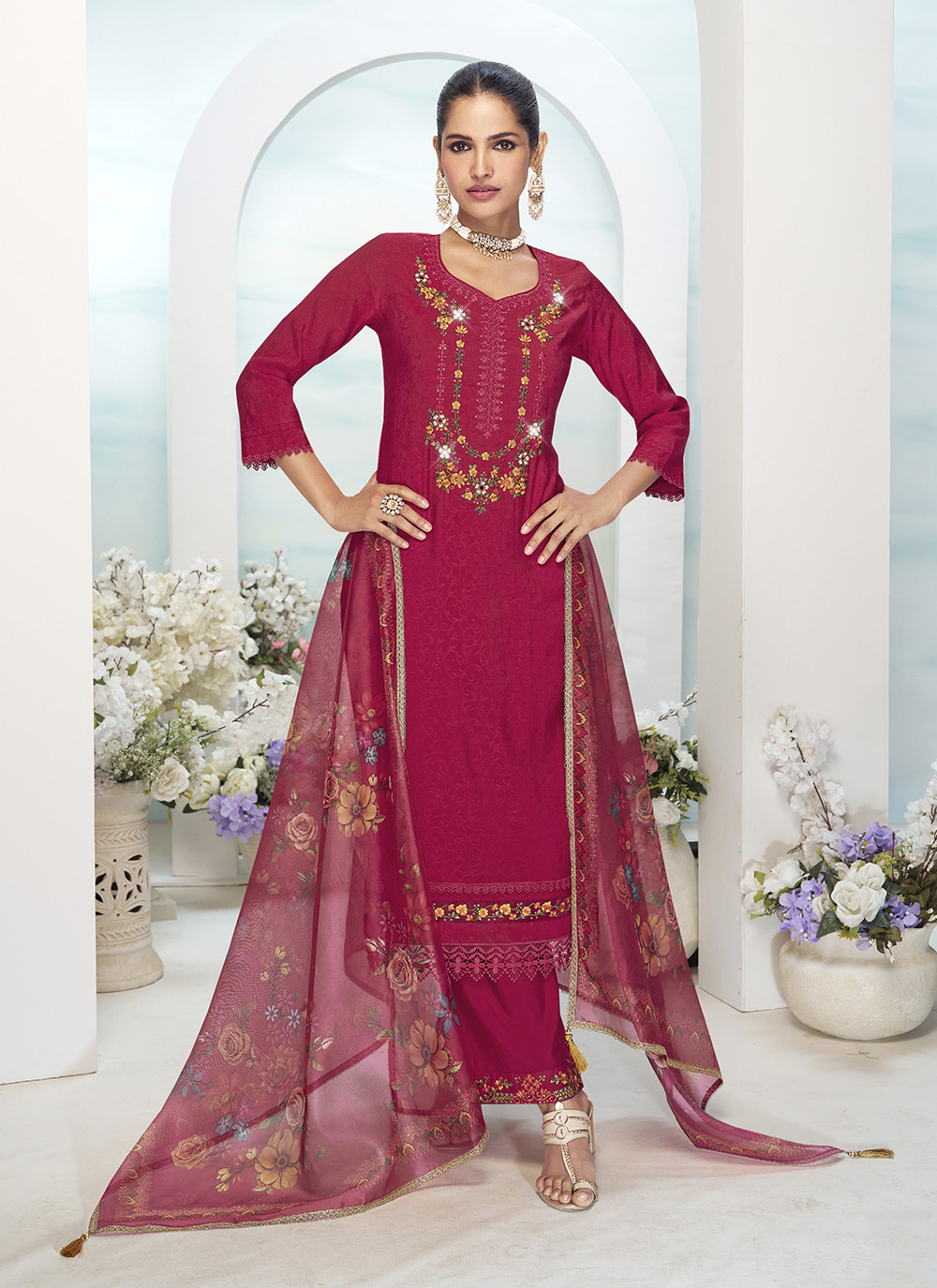
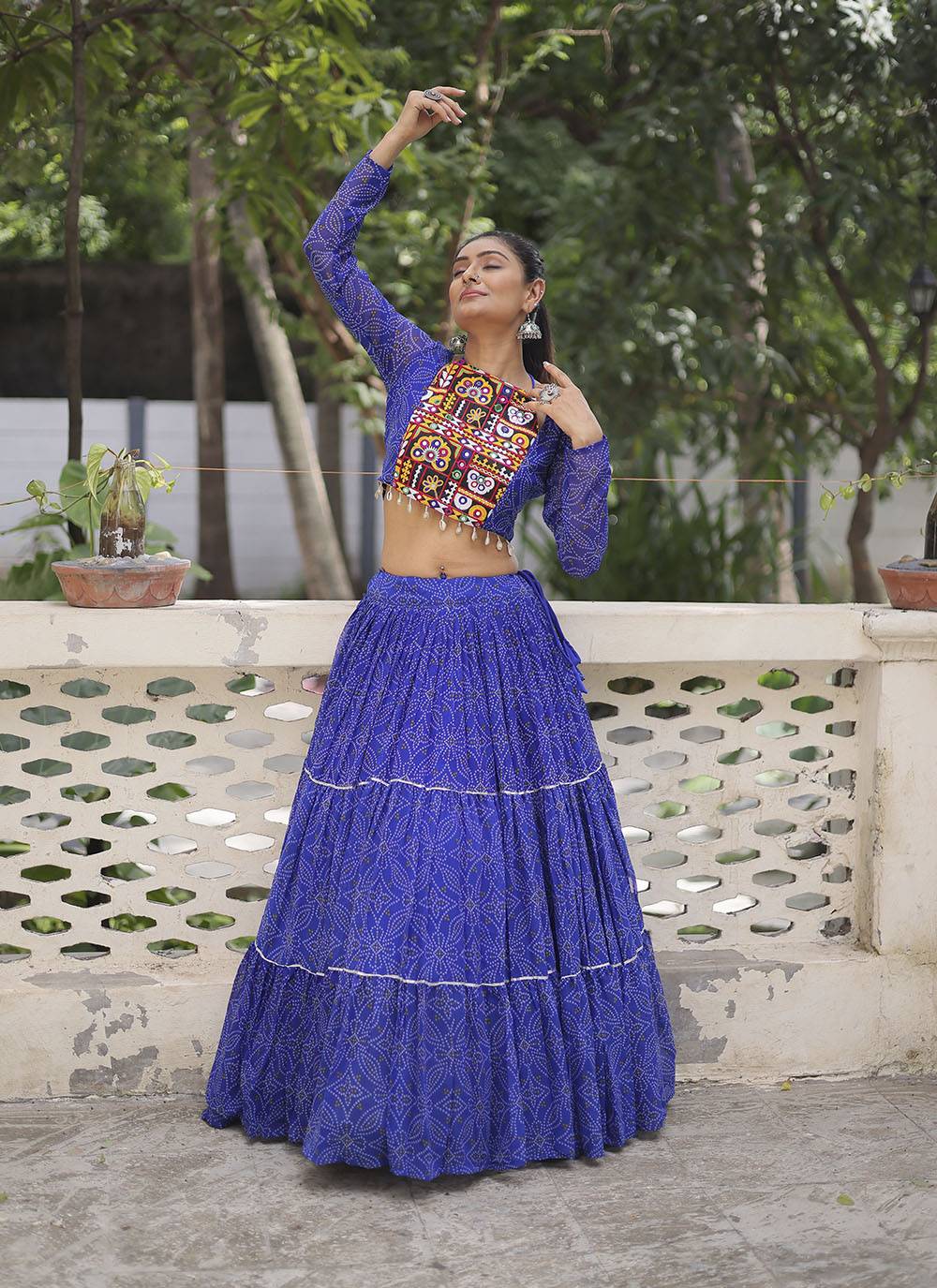
Two sarees, both labelled Banarasi, both deep maroon with gold work. One came off a powerloom in a single day. The other took a weaver in Varanasi the better part of forty-five days. The difference is visible from across the room once you know what to look at, and invisible forever if you don't. This guide is about making it visible, because in Banarasi trade, vocabulary is money.
The Vocabulary That Runs the Trade
Katan is pure silk yarn made by twisting raw silk filaments into a workable thread, and it is the standard body yarn of a genuine Banarasi. Kora silk, lighter and organza-like, gives the translucent tissue grounds. Art silk, which is rayon, is not silk at all and everything labelled art silk is being honest about being an imitation.
Zari is the metallic thread, and its grade does most of the pricing work. Pure zari is a silk or cotton core wrapped in flattened silver wire and electroplated with gold, heirloom material, heavy and softly lustrous. Tested zari, silver-plated copper, is the honest commercial standard that most genuine weaving carries today. Metallic film, lurex, is the polyester ribbon that imitations use. The three feel different in the fingers, behave differently over years, and burn very differently, which we will come to.
Kadhwa and cutwork are the two great weaving techniques. In kadhwa, each motif is woven separately, thread by thread, with no long floats connecting anything. It is slower, denser, more expensive, and the reverse of the fabric shows a clean, disciplined back. In cutwork, the weaver floats threads across the ground between motifs and the floats are cut away afterwards, leaving the characteristic cut ends on the reverse. Faster, lighter, and entirely legitimate, but a different tier of effort. Around them sit the classic families: jangla, the scrolling floral creepers, kadiyal borders woven integrally with the body rather than stitched on, meenakari, the multi-colour enamelled fills inside motifs, and tissue grounds where zari dominates outright.
What the reverse side tells you
Turn any Banarasi-style saree over. Kadhwa shows a tidy back. Cutwork shows clipped float ends in the motif areas, and that is normal for cutwork. What is never normal is a reverse with long, machine-regular floats running in identical rows across the whole width, because that is jacquard powerloom structure. The reverse of a saree is more honest than its face.
How a Real One Is Woven
Raw silk comes in from Karnataka, gets twisted into katan and dyed in Varanasi's own units, and the warp for a saree runs to several thousand ends, five thousand-odd at typical densities and widths. Each end is drawn through the loom by hand before weaving starts, days of setup before a single motif exists.
Then the pace reveals the product. A plain tissue weave moves quickly. A cutwork design moves moderately. A dense kadhwa pallu with meenakari can consume a week on its own, and a heavy bridal piece can hold a weaver's loom for one to three months. Weaving happens in the old weaver mohallas of Varanasi, much of it within the Ansari community, whose families have run these looms for generations. When you book a genuine handloom Banarasi, you are booking calendar on a specific craftsman's loom, which is why lead times of eight to twelve weeks are normal and why wedding-season capacity sells out months ahead.
The finished weight tells its own story: a genuine katan Banarasi with decent zari typically runs 500 to 800 grams per saree, tissue and kora pieces lighter, and the heaviest bridal brocades above that. It is a rough field guide, not a certificate, but a "pure silk Banarasi" that weighs like a georgette is telling you something.
Powerloom Banarasi: A Different Product, Not a Scam
A large share of the world's "Banarasi-style" volume is powerloom jacquard cloth, much of it woven around Surat on high-speed looms, with film zari and art silk or polyester grounds. Sold as what it is, this is a completely legitimate tier that fills price points handloom cannot reach and serves retail customers who want the look at accessible levels. Sold as handloom katan with real zari, it is fraud, and it happens constantly.
The tells are consistent. Machine-identical motifs repeating with zero variation, plastic-feeling zari, long regular floats on the reverse, a too-light body, and prices that make no sense against the raw material of silver-bearing thread. Genuine goods can carry the Banarasi GI tag and Silk Mark certification, and asking whether a supplier can provide either, or explain exactly what they are selling instead, sorts conversations quickly.
Our own position, since we sit in Surat and could sell you either tier: be honest in your range. A shop that stocks a real kadhwa piece at the top, honest cutwork in the middle and clearly labelled powerloom below serves every customer truthfully. The buyers we lose are never the ones who bought the powerloom tier knowingly. They are the ones who discovered they had paid handloom money for it.
Desk Tests You Can Run Yourself
Four tests, none of them needing a laboratory.
The zari burn test. Pull a zari thread from a hidden area and burn it with a lighter. Pure and tested zari, metal on a fibre core, burns slowly with a hair-like smell and leaves a metal skeleton, a strand of silver or copper residue. Film zari melts into a hard plastic bead with a chemical smell. This single test catches more fakes than any other.
The reverse inspection. Look for kadhwa's clean back, cutwork's clipped ends, or powerloom's regular machine floats, as described above.
The rub test. Rub the zari briskly with a dry thumb. Plated metal zari holds its shine. Cheap film flakes and dulls under simple friction, and it will do the same on your customer's shoulder within a season.
The drape and scroop test. Genuine silk katan drapes with weight and makes a faint rustle, the scroop, when compressed. Rayon imitations drape flatter and sound like nothing much. Old-fashioned, but it works in a showroom with the fabric in your hands.
Buying Banarasi on Export Timelines
Plan the calendar backwards like any festival-driven programme. Wedding season in India runs November through February, diaspora wedding season stretches through northern-hemisphere summer, and handloom capacity is the constraint, not our floor. Genuine handloom bookings need design lock three to four months ahead; powerloom jacquard programmes ship in three to four weeks.
Packing matters more than buyers expect. Pure zari and silk both hate humidity, so for sea freight the pieces go soft-folded with butter paper, boxed, with silica sachets in the cartons, and the cartons ride away from container walls where condensation forms on long sea legs. A Banarasi that arrives with zari tarnish from container moisture is a write-off that no inspection at origin catches, because it happens in transit.
Frequently Asked Questions
What is katan silk in a Banarasi saree?
Katan is pure silk yarn made by twisting raw silk filaments into a strong, lustrous thread, and it is the standard body yarn of a genuine Banarasi. If a saree is described as katan, its body should be pure silk, distinguishable by weight, drape and the burn test, while art silk versions are rayon imitations sold at a different tier.
How can I tell if a Banarasi saree is real?
Run the desk tests: burn a zari thread, metal zari leaves a metal residue while film zari melts into a plastic bead, inspect the reverse for handloom structure versus machine-regular floats, rub the zari for flaking, and weigh the piece, genuine katan Banarasis typically run 500 to 800 grams. Genuine goods can also carry the Banarasi GI tag and Silk Mark.
What is the difference between kadhwa and cutwork weaving?
Kadhwa weaves each motif separately with no connecting floats, which is slower and produces a clean reverse, while cutwork floats threads between motifs and clips them afterwards, leaving cut ends on the back. Both are legitimate handloom techniques at different effort levels, with kadhwa the more prestigious and expensive tier.
Is real zari actually used in Banarasi sarees today?
Yes, in two honest grades. Pure zari, silver wire with gold plating over a fibre core, goes into heirloom pieces, while tested zari, silver-plated copper, is the commercial standard in most genuine weaving. Metallic film thread is the imitation used in powerloom copies, and the burn test distinguishes them in seconds.
How long does a handloom Banarasi saree take to weave?
Plain tissue grounds weave quickly, cutwork designs take days to weeks, and dense kadhwa with meenakari can hold a loom for weeks per piece, with heavy bridal work running to months. For wholesale, that translates into eight to twelve week lead times and bookings well before wedding season, because the constraint is loom calendar, not factory space.
Are powerloom Banarasi sarees fake?
They are a different product honestly sold, and an imitation dishonestly sold. Powerloom jacquard with film zari fills accessible price points legitimately when labelled as what it is. The fraud is only when it is invoiced as handloom katan with real zari, which is why composition, zari grade and technique should be stated in writing on any serious order.
If you are building a Banarasi programme and want the tiers explained against your shelf, send us the target range and quantities. We will tell you honestly what is handloom, what is powerloom, and what each tier costs in weeks. Serious buyers get weave samples and the test results before booking.
Sourcing ethnic wear for your business?
Our export team shares catalogues, MOQ and pricing tailored to your market — response within one business day.