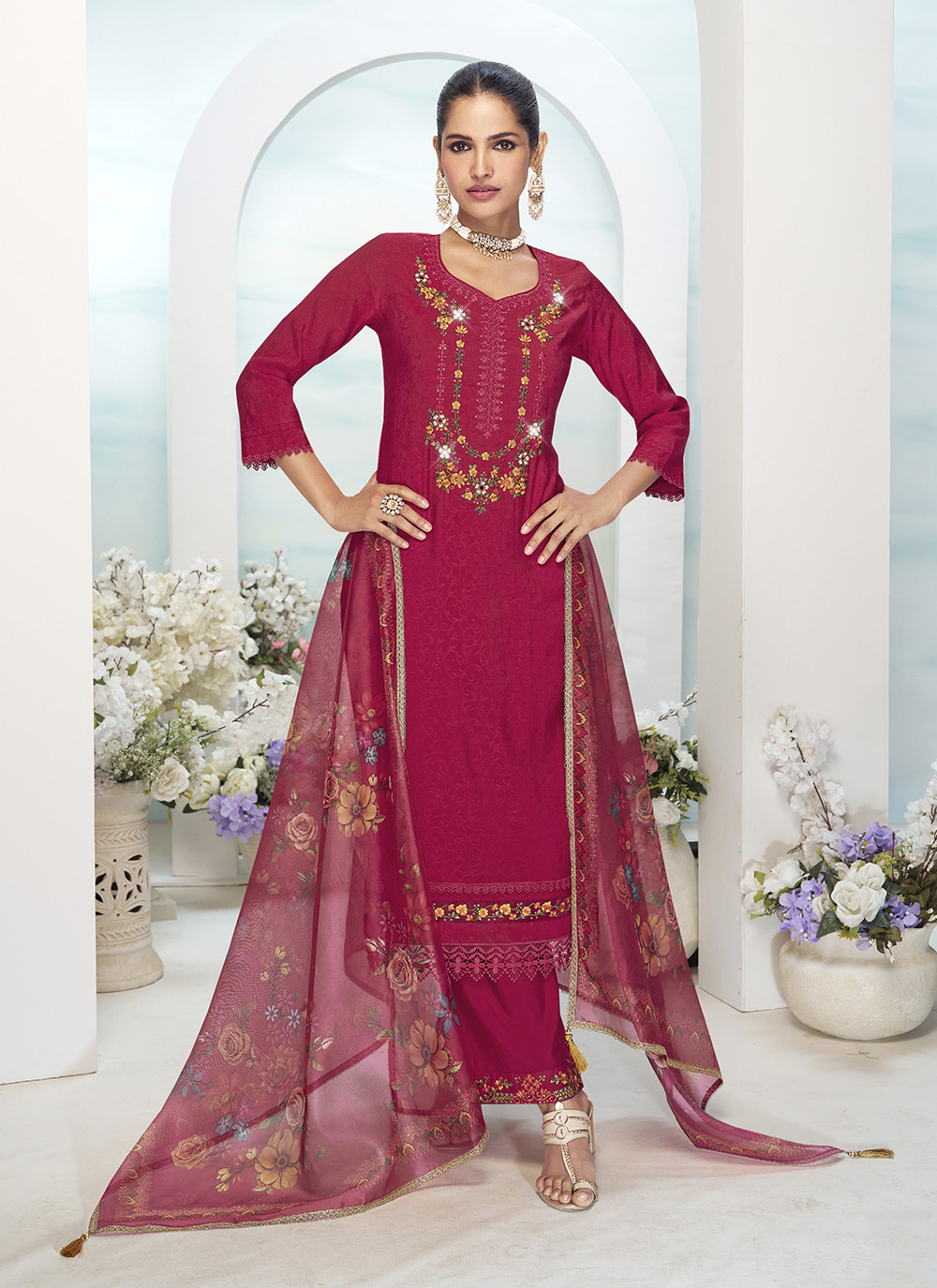
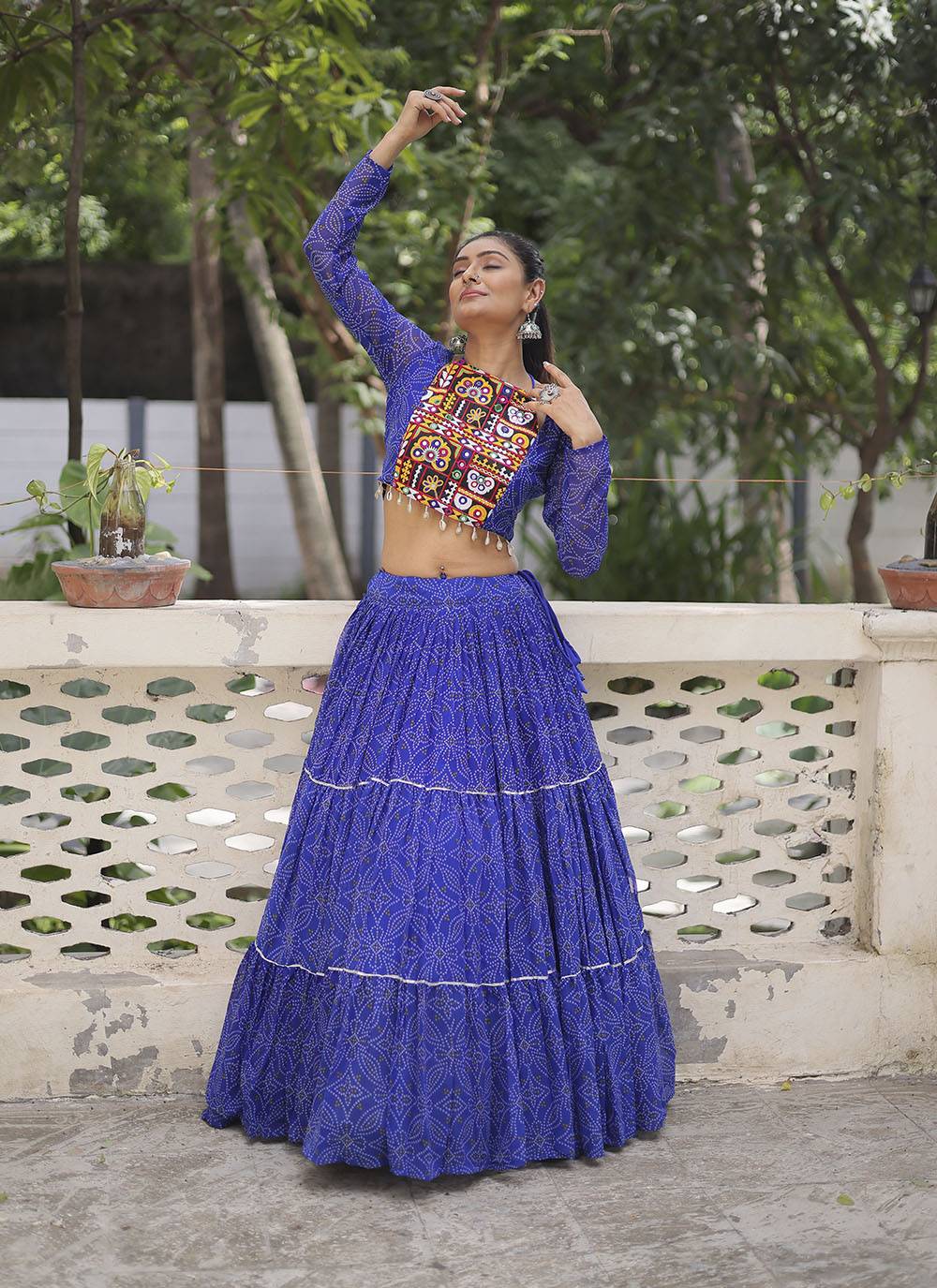
A wholesaler in Biratnagar once learned his fastest lesson in fabric weight. He had stocked a full Terai summer of 140 GSM cotton suiting, on the theory that heavier cloth was somehow better cloth. The shop next door sold out of 90 GSM voile twice over while his shelf stood still through the heat.
Nepal Is Three Cotton Markets, Not One
Look at a map and you see one small country. Look at an order book and you see three climates. The Terai belt along the border, where Birgunj, Biratnagar, Janakpur and Nepalgunj trade, runs long hot summers and a humid monsoon, and there breathable cotton is daily wear rather than occasion wear. The Kathmandu Valley is moderate, with warm afternoons and winters that bite, so medium weights sell steadily through most of the year. Above the Valley, in Pokhara and the hill towns, winter is cold enough that cotton becomes the layering base under shawls and heavy knitwear rather than the outer garment.
One country, three wardrobes. The buyers who plan assortments by climate band instead of by national average are the ones whose stock clears.
The GSM Bands That Actually Sell in the Terai
Cotton fabric for Nepal starts with an honest question about the thermometer. In the Terai heat, the weights that move run from 80 to 120 GSM. Voile and mul at 80 to 100 GSM work for blouses, dupattas and summer suitings, the pieces that sit against skin from May through September. Printed suitings and saree bodies at 100 to 120 GSM carry enough body for stitched silhouettes while still breathing in the humidity. Anything much heavier sits through the hot months and gets discounted into the wedding season, which is a loss you feel twice.
The festival calendar sharpens this. Teej in August or September pulls red cotton sarees and suit fabrics in serious volume. Chhath, in October or November, pushes plain cottons in a purity register, and the devotee crowd in the Biratnagar, Itahari and Janakpur corridor is famously unforgiving of anything that reads as synthetic. If you sell in the eastern Terai, that one week can outperform a month of ordinary trade.
Cotton Weights for the Valley and the Hill Belt
Terai climate fabric logic stops working once you climb. Kathmandu and Lalitpur retail runs on 120 to 160 GSM: kurtis, palazzos, dress material, the everyday categories that sell year-round in the Valley's moderate air. Suitings at 160 to 180 GSM cover the cooler stretch from November to February, when Valley mornings are genuinely cold.
For the true hill trade, 180 to 220 GSM canvas and heavy weaves do the work. Winter kurtis worn under shawls, heavy dupattas, and fabric that crosses over into cushion and furnishing programmes for the tourist-facing shops of Pokhara. The honest trade-off: heavy cotton is freight-heavy cotton, so the same truck space buys fewer metres. Hill buyers keep assortments tight for exactly this reason.
The Festival Calendar Behind Cotton Demand
Cotton demand in Nepal is not flat through the year. It spikes, and the spikes are predictable months in advance. Teej arrives in August or September, then Dashain in September or October, the single biggest retail window in the country, then Tihar, then Chhath in the east, and finally the wedding season from November to February, where cotton supplies blouses, petticoats and men's kurta fabric around the silk showpieces.
Working backwards is the discipline that separates clean seasons from panicked ones. Fresh production takes weeks, the truck from Surat to the border runs three to six days depending on route and season, and border formalities add their own margin. GSM cotton Nepal orders confirmed in July sit comfortably on the shelf for Dashain. Orders confirmed in September are a gamble we have watched lose more than once.
Importing Cotton Fabric From India: Route and Paperwork
Cotton import from India to Nepal runs on the land route, and the gate you choose shapes both lead time and handling. Birgunj-Raxaul is the busiest crossing and carries the majority of Nepal-bound cargo, which suits Kathmandu and the central Terai. Biratnagar-Jogmani serves the eastern industrial corridor, Bhairahawa-Sunauli the Lumbini side, Nepalgunj-Rupaidiha the far west, and Kakarbhitta-Panitanki the Jhapa end.
Paperwork decides whether the consignment rolls or waits. Under the Indo-Nepal Treaty of Trade, Indian-origin goods meeting origin criteria receive preferential customs treatment, and the proof is a properly issued Certificate of Origin. A supplier who has actually shipped into Nepal knows this document set cold; one who has not will learn on your deadline. Payments are commonly settled in INR through banking channels, since the Nepali rupee is pegged to the Indian one, and a first order typically runs advance-against-documents. None of this is exotic. It is simply competence worth verifying before the truck loads.
Quality Realities That Decide Repeat Orders
Weight is only half a specification. The other half is how the fabric behaves by the third wash, and that is where weak lots quietly fail. Ask whether the cotton is sanforised or pre-shrunk; if it is not, your tailors need to allow for shrinkage in the cut. Ask about colourfastness to washing and to perspiration, because Terai humidity is merciless on unstable dyes. Ask how shade continuity is held across lots, since a reorder two shades off from its predecessor will sit beside it on the shelf and advertise the difference to every customer.
Our own floor checks every Nepal-bound lot on the 4-point system for weaving faults before it is packed. The honest admission: lightweight cotton is where corner-cutting concentrates in this trade, and a supplier who talks only about weight is not talking about the greige source. Ask that question directly. The answer tells you most of what you need to know.
Ajmera Export: Your Trusted Cotton Fabric Partner for Nepal
From our Surat floor we run cotton programmes cut to Nepal's climate bands: 80 to 120 GSM voiles and printed suitings for the Terai heat, 120 to 160 GSM dress material and kurti fabric for the Valley, and 180 to 220 GSM heavy weaves for the hill winter trade. We fold the festival calendar into production planning, so Teej and Dashain programmes are woven and processed with the trucking window in mind rather than after it. Every Nepal-bound lot is inspected before loading, packed with documentation that clears at Birgunj without drama, and supported by a merchandiser who still answers after dispatch. Pricing stays enquiry-only: quotes are prepared against your programme, and sample cuttings go out to serious buyers before any bulk decision.
Why Businesses Choose Ajmera Export
- Climate-band assortments: GSM ranges built for Terai, Valley and hill markets instead of one national average
- Festival-first planning: production scheduled backwards from Teej, Dashain and Chhath shelf dates
- Land-route paperwork: Certificate of Origin and Birgunj-ready documents handled before the truck loads
- Inspection before loading: 4-point checks, shade continuity and GSM verification on our own floor
- Enquiry-only pricing: quotes built around your programme, never displayed on a list
Frequently Asked Questions
Which GSM cotton fabric is best for the Nepal Terai summer?
For Terai heat and humidity, 80 to 120 GSM is the band that sells. Voile and mul around 80 to 100 GSM work for blouses, dupattas and suitings, while 100 to 120 GSM printed cotton carries kurtis and saree bodies. Anything heavier tends to sit on shelves through the hot months unless it is positioned for winter hill trade.
How do I import cotton fabric from India to Nepal?
Order from an Indian supplier experienced with the land route. Cotton moves by truck from Surat to a border gate, usually Birgunj-Raxaul, over three to six days. Under the Indo-Nepal Treaty of Trade, Indian-origin goods with a proper Certificate of Origin receive preferential customs treatment. Payments are commonly settled in INR through banking channels.
What cotton weights sell best in Kathmandu and the hills?
The Valley runs mainly on 120 to 160 GSM kurtis, dress material and palazzos year-round, with 160 to 180 GSM suitings for cooler months. Hill markets above the Valley want 180 to 220 GSM canvas and heavy weaves for winter layering under shawls. Medium weights dominate Valley retail because the climate is moderate rather than extreme.
How long does cotton fabric take from Surat to Nepal?
Trucking from Surat to the border gate typically takes three to six days depending on route and season, with Birgunj-Raxaul the busiest crossing for Kathmandu-bound cargo. Onward movement from Birgunj to the capital adds another short leg. Total door-to-counter time is measured in days, not weeks, once the consignment is produced and packed.
Do I need a Certificate of Origin for cotton fabric going to Nepal?
Yes, and it is the document that decides whether your consignment moves quickly or waits. The Indo-Nepal Treaty of Trade gives Indian-origin goods meeting origin criteria preferential customs treatment, and the Certificate of Origin is the proof. Suppliers who ship to Nepal regularly prepare it as routine, so treat any hesitation on this document as a warning sign.
Which border gate should cotton fabric enter Nepal through?
It depends on your final market. Birgunj-Raxaul handles the majority of Nepal-bound cargo and suits Kathmandu and the central Terai. Biratnagar-Jogmani serves the eastern corridor, Bhairahawa-Sunauli the Lumbini side, Nepalgunj-Rupaidiha the far west, and Kakarbhitta-Panitanki the Jhapa region. Matching gate to destination saves days and handling.
How much cotton stock should I order before Dashain?
Dashain in September or October is Nepal's biggest retail window, so buyers typically plan their largest cotton assortment of the year around it. Work backwards from the shelf date: production time, three to six days of trucking, and border formalities. Orders confirmed by July reach the counter comfortably; September orders are a gamble.
What quality checks should I demand on cotton fabric lots?
Ask for pre-shipment inspection with a 4-point system check for weaving faults, GSM verification against the ordered specification, shade continuity across the lot, and colourfastness to washing and perspiration. For Terai humidity especially, unstable dyes fail in customers' hands and returns follow. Reports and sealed samples should travel with the truck.
Is cotton imported from India to Nepal paid in INR or NPR?
The Nepali rupee is pegged to the Indian rupee, and trade settlements commonly run in INR through banking channels. A first order typically works on advance-against-documents terms, with later orders settling into agreed cycles as the relationship builds. Confirm the payment structure in writing before production starts.
Can I order small trial lots of cotton fabric for Nepal buyers?
Serious suppliers welcome trial programmes because they prove quality before volume. A small first lot lets you check shade accuracy, GSM and wash behaviour on your own shelf before committing to festival quantities. Ask for sample cuttings first, then a trial order, then scale into the season. Our desk runs exactly this ladder for new Nepal buyers.
Conclusion
Cotton sells in Nepal when the weight matches the climate band and the arrival matches the festival. Get those two decisions right and the same cloth that sat unsold in Biratnagar clears twice in a season. We build cotton programmes for Terai heat, Valley retail and hill winters from our Surat floor, with inspection before loading and paperwork that clears at the border. To discuss GSM bands for your market, message us on WhatsApp or send the enquiry form, and we will arrange sample cuttings for serious buyers.
Sourcing ethnic wear for your business?
Our export team shares catalogues, MOQ and pricing tailored to your market — response within one business day.