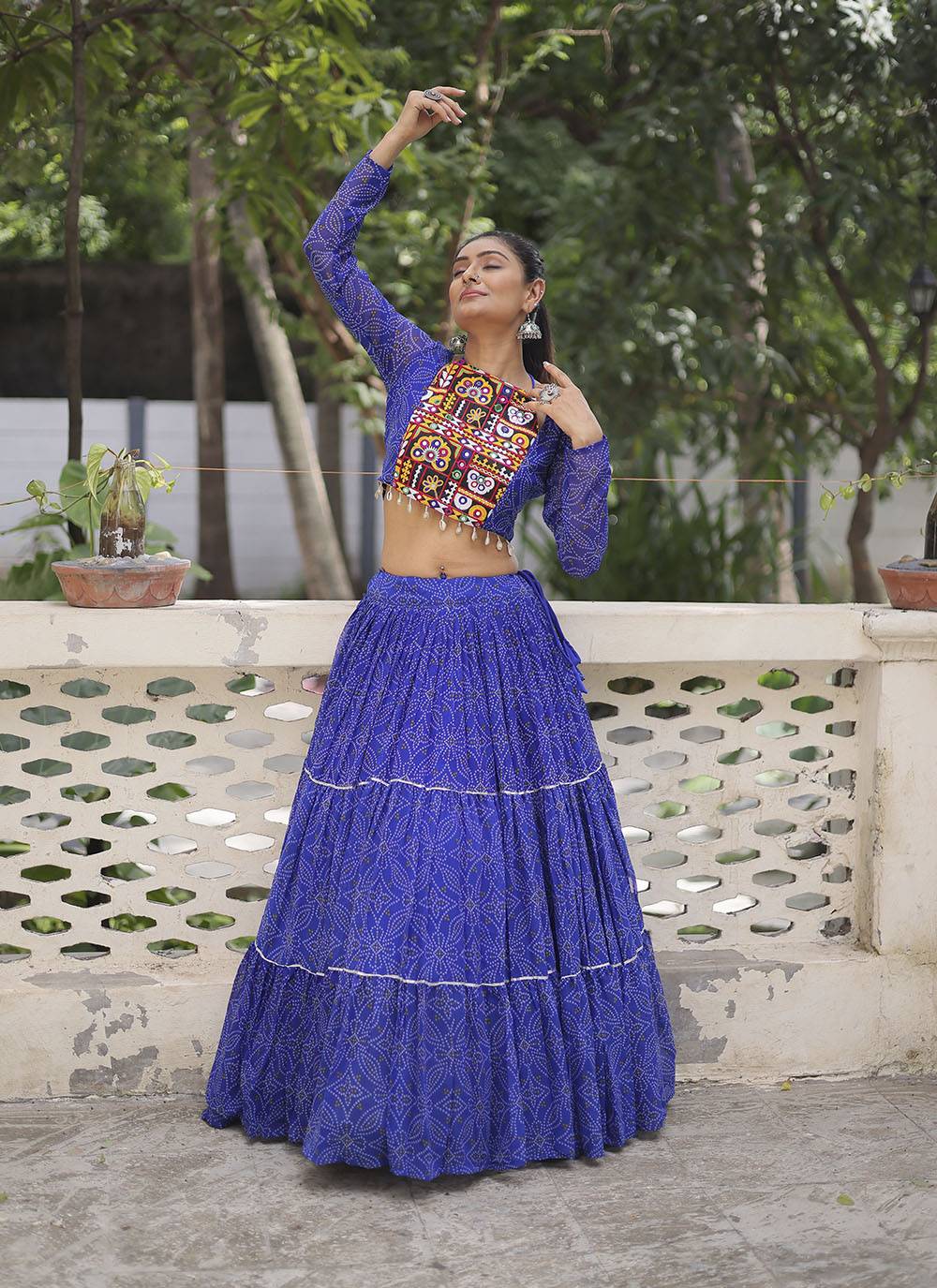
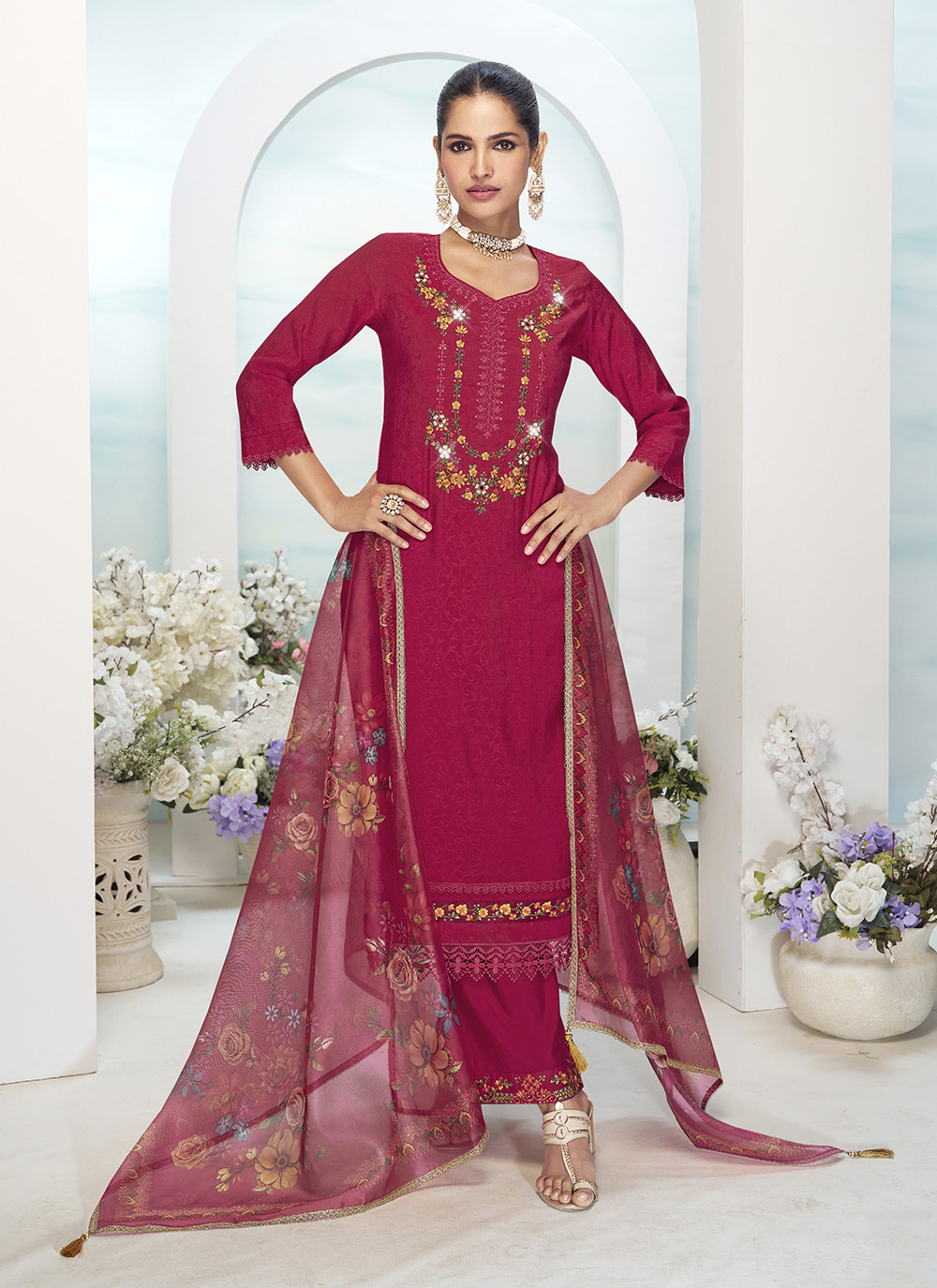
Ask a room of buyers to define crepe and you will get five confident, contradictory answers. One means a saree her mother wore. Another means an abaya fabric from Doha. A third means the printed kurti cloth filling half her rail. All of them are right, because crepe is not one fabric. It is a family of fabrics built on a single trick, and that trick is why crepe lines survive in every collection while trend fabrics come and go.
What Crepe Actually Means
The crepe family is defined by yarn, not by weave or fibre. Crepe yarns are overtwisted, spun or thrown far beyond the twist of ordinary weaving yarn, and often the twist alternates direction between S-twist and Z-twist yarns in the same cloth.
Nothing dramatic happens on the loom. The drama comes in finishing, when heat, moisture and relaxation let those overtwisted yarns finally release their stored energy. The yarns kink, crawl and crinkle against each other, and the fabric surface pulls into the pebbled, finely crinkled texture that defines every crepe. That surface is permanent, structural, and the source of everything crepe does well.
Which is what, exactly? Three things, and they compound.
The pebbled surface scatters light, which hides creasing: wrinkles simply disappear into the texture. The twisted yarns hold a mechanical give, so crepe stretches and recovers without a thread of elastane in it. And the textured surface absorbs light rather than reflecting it, so dyes read deeper and richer on crepe than on any smooth weave at the same shade. Blacks are blacker, jewel tones are fuller, and everybody who has compared a black crepe gown against a black satin one understands this instantly.
The Family That Matters in Ethnic Trade
Crepe de chine is the silk classic, around 16 momme, smooth-faced with a soft pebble and a lustrous face. It drapes with the fluidity that made it a couture favourite, and it is the lane where the word crepe carries the most prestige.
Georgette is a crepe, whatever our georgette-versus-chiffon guide says about its family tree. Alternating twists, sheer-ish weight, grainy hand; it is the crepe principle at its most transparent.
Moss crepe is the Surat kurti workhorse, a poly crepe with a fine textured surface around 130–160 GSM that prints, washes and wears through a full retail season without complaint. If you have bought printed ethnic wear at volume, you have sold moss crepe.
Satin crepe and crepe-back satin have a satin face with a crepe reverse, reversible in the hands of a clever designer, and they carry the drape problem of all satins, which brings us to seam slippage below.
Plissé crepe is heat-set into permanent crinkles, the wash-and-wear travel fabric of the saree trade, and Moroccan crepe, sometimes called Khaliji crepe in the Gulf, is the heavyweight poly crepe, roughly 180–260 GSM, opaque, matte and endlessly draping, that a large share of the region's abayas are cut from.
Why Crepe Never Leaves a Range
Our buyers' reorder books answer this better than any theory. A crepe-based gown programme in London has been re-ordered in new shades for six seasons running, same base construction, updated palette. A crepe saree line holds its shelf presence while flashier fabrics cycle out beside it. Crepe kurtis sell to customers who travel, commute and machine wash.
Behind the reorders sit the three behaviours from the yarn section: wrinkles hidden, mechanical stretch without elastane, and dye depth. Add two more that matter at volume. Crepe prints and dyes to some of the deepest shades available, which makes it the leading base for digital-print kurti programmes out of Surat; the print sits beautifully on the pebbled surface. And crepe packs and ships without pressing drama, so garments come out of export cartons shelf-ready, a quiet margin advantage nobody puts in the brochure.
One honest admission from our floor, because every fabric has its tax: deep black crepe shows every fibre of lint, every speck of dust, every stray thread in a photography setup. Our packing lines lint-roll dark crepe garments before poly-bagging, and our buyers' e-commerce teams have learned to steam and lint-roll before every shoot. It is the price of the deepest black in the business, and it is worth paying.
The One Check Most Buyers Learn Too Late: Seam Slippage
Crepe's weakness hides at the seams, specifically on smooth-faced crepes with satin construction.
Seam slippage happens when the smooth filament yarns of the fabric shift along each other under seam stress, opening a gap beside the stitch line. The seam itself does not break; the fabric around it simply migrates, and you see light through a seam that is technically intact. Satin-faced crepes and lightweight polys are the classic victims, and the failure appears after wearing, not in the showroom.
The counter check takes a minute. Sew or get a sewn seam in the actual fabric, grab the fabric firmly on both sides an inch from the stitching, and pull. Look at the seam line: if the weave visibly separates and light shows along the seam before the thread strains, that fabric needs closer stitch density, wider seam allowances, or a different construction in load-bearing seams. We run this pull test on every smooth-faced crepe style before production sign-off, because finding slippage in a sample garment is a cost, and finding it in a shipped container is a catastrophe.
Moroccan Crepe and the Gulf Abaya Programme
The Gulf deserves its own section, because Moroccan crepe is a case study in a fabric locking onto a market's needs.
An abaya wants opacity without weight, drape that falls straight from the shoulder and keeps moving with the wearer, a matte surface that photographs flat black rather than glossy, and enough body to tailor clean seams without lining. Moroccan crepe in the 180–260 GSM band delivers all of it, which is why the Doha and Riyadh atelier trade runs on it year after year. Heavier cuts use the top of the band, fluid summer styles the bottom, and the black depth that crepe's surface delivers is the standard the market measures everything against.
Compared with nidha, the other Gulf staple, Moroccan crepe drapes longer and heavier where nidha sits softer and brushed; ateliers choose by silhouette as much as by climate. We supply both, and the conversation always comes back to how the customer moves in the garment.
Buying Crepe in Volume
Weights by garment, as our order book runs them: printed kurti programmes sit at 130–160 GSM moss crepe; sarees at 60–110 GSM in chiffon-crepe and georgette weights; gowns and dressy kurtis at 90–150 GSM; abaya-grade Moroccan crepe at 180–260 GSM. Silk crepe de chine trades in momme, and everything else in GSM, with the usual plus-or-minus 5 percent tolerance written in.
Two lot disciplines protect repeat programmes. High-twist crepes drift more between dye lots than plain cloths, the twist itself affects dye take-up, so one lot per colourway remains the rule. And because the pebbled hand depends on finishing, ask for the finishing route to stay consistent between orders: a mill that relaxes crepe differently on the reorder produces a hand your customers will feel, even at a perfect shade match.
Frequently Asked Questions
What is crepe fabric made of?
Crepe can be woven from silk, viscose, polyester or blends. The defining feature is not the fibre but the yarn: overtwisted threads, often alternating in twist direction, that crinkle in finishing to give the pebbled crepe surface.
Does crepe fabric wrinkle?
Far less than smooth weaves, because the pebbled surface hides creasing inside its texture. Plissé and crease-textured styles effectively never show wrinkles. Crepe's wrinkle resistance is a core reason it survives in travel-heavy ethnic retail.
What is Moroccan crepe used for?
It is the Gulf abaya staple: a heavyweight polyester crepe, around 180–260 GSM, opaque, matte and deeply draping. It also cuts well for winter kurtis, straight trousers and structured modest-wear pieces.
What GSM crepe is best for kurtis?
Printed daily-wear kurtis run 130–160 GSM moss crepe. Dressier styles sit 90–150 GSM in poly or viscose crepe, and premium drape programmes use viscose crepe at the heavier end of that band.
How do I check crepe fabric for seam slippage?
Sew a seam in the actual fabric, grip the cloth on both sides close to the stitching, and pull. If the weave opens along the seam line while the thread is intact, the fabric slips. Use closer stitch density and wider seams, or change the fabric for load-bearing styles.
Is crepe fabric good for sarees?
It is one of the great saree bases: the texture hides packing creases, the drape flatters every body, and dyes read deep. Crepe sarees have held steady reorder demand across generations of buyers while trendier bases cycle.
If your range needs a base that sells steadily instead of loudly, tell us the garments, the market and the wash habits involved, and we will bring the crepe weights, fibres and finishing route to match, with the seam test already run. Swatch cards across the crepe family go to serious buyers, shades dyed to lot discipline. Raise an enquiry or message us on WhatsApp to begin.
Sourcing ethnic wear for your business?
Our export team shares catalogues, MOQ and pricing tailored to your market — response within one business day.