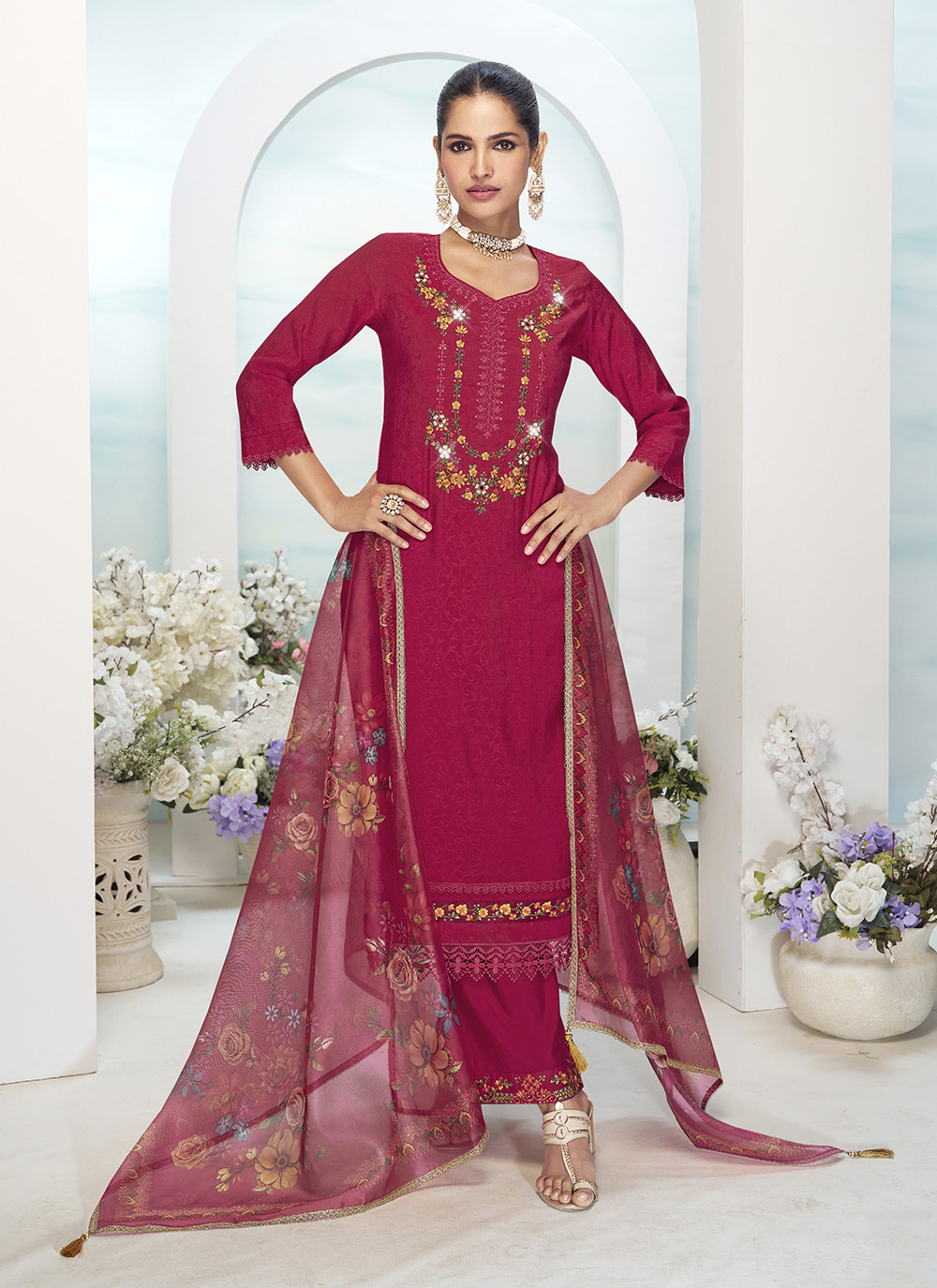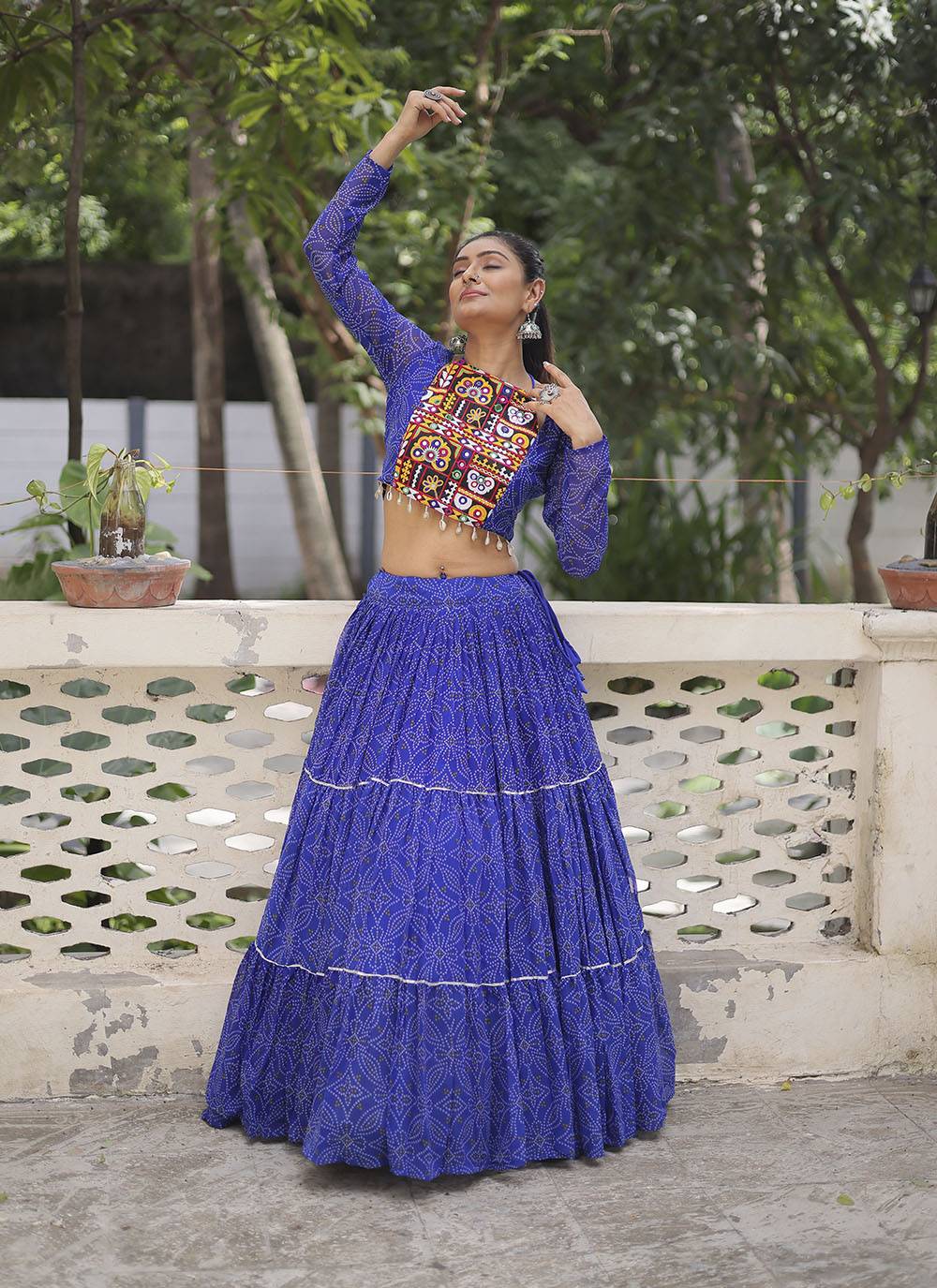
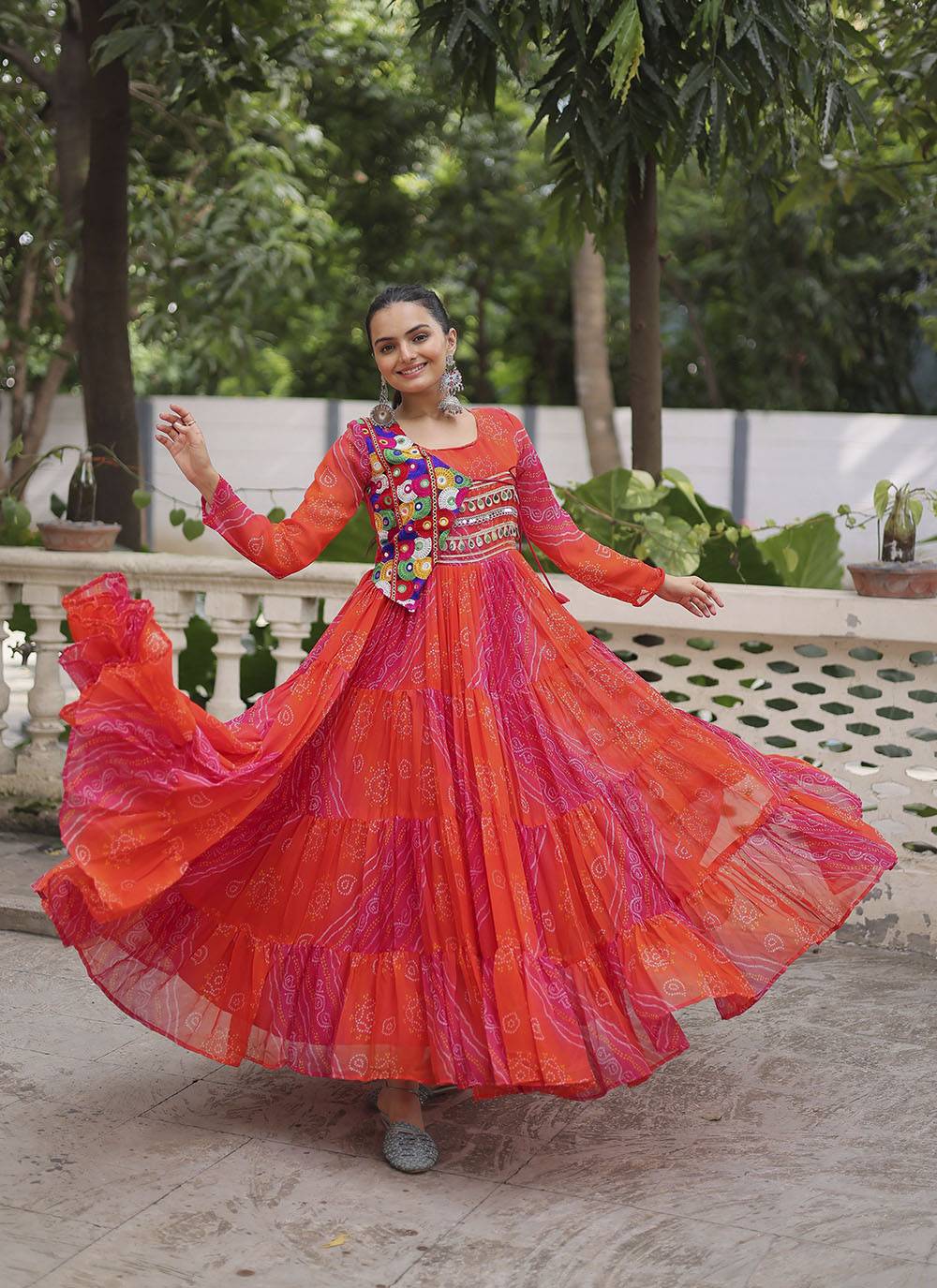
A buyer in Toronto once sent us photographs of forty navy kurtis pulled off her shelf. Same purchase order, same fabric, same navy, except the sleeves on one batch sat half a tone duller than the bodies under her store lights. Nothing was wrong with the cloth itself. Two dye lots had simply been cut as if they were one, and the fabric had been telling the truth the whole time.
That call rearranged how we write shade instructions into every order confirmation. It might do the same for how you place them.
What Actually Happens in a Dye House
Fabric does not come off a loom ready for colour. It arrives as greige, loom-state cloth still carrying sizing, spinning oils and natural cotton impurities, and the dye house's first job is stripping all of that out. The standard preparation sequence runs singeing, desizing, scouring, then bleaching. Cotton bound for anything decent usually gets mercerised as well, a caustic treatment under tension that swells the fibre, adds a quiet lustre and, more usefully, makes it take dye far more evenly.
Only after that bath chain does colour go in. A jigger dyes fabric in open width, shuttling it back and forth through the liquor in controlled ends. Soft-flow machines circulate knits and delicate wovens in a gentle rope current. Polyester has to go into a pressurised machine at around 130 degrees, because disperse dyes only strike properly at high temperature.
The dye class has to match the fibre. Reactive dyes bond chemically with cotton and viscose, which is why a properly washed reactive dyeing will not bleed. Disperse dyes handle polyester, acid dyes handle silk and nylon, and vat dyes give the deep, light-fast darks you see on serious suiting. Direct dyes are the ones to watch for. They are cheap, easy to apply, and have poor fastness, and if an unusually generous rate comes back on dyed cotton, ask which dye class was used. Direct-dyed fabric bleeds onto white trim in the wash, and your customer finds out before you do.
When two suppliers quote wildly different lead times for the same dyeing, part of that gap is usually the preparation sequence. Cut scouring short and the colour sits patchy, and no amount of arguing with the lab report fixes it after the fact.
Dye Lots, Explained Without the Jargon
A dye lot is one machine charge. Everything that went into that bath together, under the same recipe and the same run, comes out as one lot, and everything inside that lot will match well. The next charge of the same recipe will not match it exactly, even in the same plant on the same day.
Machine capacity sets the lot size. A jigger charge for the weights used in ethnic wear typically runs somewhere around 1,000 meters depending on roll build and fabric gram weight. Soft-flow machines work by weight, usually a few hundred kilos per chamber. So a 10,000 meter order of a solid-dyed base is always several lots, and no promise otherwise survives contact with the machine schedule.
Drift between lots comes from ordinary physics. Water hardness shifts through the day, dye batches from the manufacturer carry their own tolerances, temperature ramps wander a degree or two, and greige from a different weaving run takes colour slightly differently. This is why every roll coming out of a respectable finishing floor is stamped or tagged with a lot number. It is a small paper ticket that prevents very large arguments.
Lab Dips, Bulk Trials and the Delta E Number That Runs the Trade
The approval chain that actually works: your physical swatch or Pantone reference, then two or three lab dips on small cuttings, then approval under a named light source, then bulk. Lab dips are dyed on tiny swatches at low liquor ratios, and scale chemistry does not travel in a straight line, so a good dye house runs a pilot piece before full bulk on critical shades.
Shade difference gets measured with a spectrophotometer and expressed as Delta E. As working numbers from our floor: under 0.5 reads as a match to most eyes, 0.8 to 1.2 is normal commercial tolerance, and anything above about 1.5 is visible in a side-by-side fold. The older visual scale, the grey scale rating, still governs fastness assessment, where 4 to 5 is what you want on export goods.
One word worth knowing is metamerism. A lab dip that matches your swatch under daylight can split apart under store lighting, because the two colours were built from different dye combinations that behave differently as light changes. If your retail environment runs LED spotlights or tri-phosphor tubes, say so, and ask the dye house to approve under a second light source such as TL84 in the light box alongside daylight D65. It costs them ten minutes at approval stage. Skipping it costs you a claim later.
Colorfastness Specs Worth Writing Into the Order
Fastness is separate from shade, and it is where cheap dyeing quietly fails. The tests that matter for garment export:
- Washing fastness, ISO 105-C06 or AATCC 61: how much the shade changes and how much it stains an adjacent white fabric in the wash cycle. Ask for staining of 4 or better.
- Rubbing fastness, ISO 105-X12, tested dry and wet: dark grounds rubbing onto light embroidery, linings or dupattas at the fold. Wet rub of 3 minimum, 3 to 4 for anything dark meeting light in the garment.
- Light fastness, blue wool reference or xenon arc: matters for window-display stock and for Gulf sunshine. Fading at six weeks on display is a slow retail death nobody blames on the dyer, they blame it on you.
Dark grounds are the problem children of the colour card. Blacks, navys, deep maroons and wines carry the highest dye loads and leave the most unfixed colour behind, so wet crocking is exactly where they fail. If your programme is built on darks, get the wet rub number in writing before bulk rather than discovering it on a customer's cream dupatta.
How We Manage Lots on Export Orders
Some habits from our side of the desk that transfer to any supplier you use. Book the full season's greige from one weaving run wherever the order allows, because lot matching starts in grey, not in colour. Ask for a shade blanket: one small strip cut from every roll in sequence, taped to a card in dispatch order, so any drift shows as a gradient you can see before cutting. Instruct the cutting floor to cut one garment's panels from one roll, and where lots must meet, keep them within garment parts that do not sit side by side. Keep a signed, dated master swatch on both sides of the order and quote it on every reorder.
And one honest admission: no dye house anywhere delivers perfect lot-to-lot repeatability forever. What separates a good supplier is not magic, it is that they measure, label and tell you, while a careless one lets your cutting floor find out.
Frequently Asked Questions
What is a dye lot in fabric?
A dye lot is everything dyed together in one machine charge under one recipe. Fabric from the same lot will match closely, while fabric from a later lot of the same recipe will differ slightly because water chemistry, dye batches, temperature profiles and greige quality all shift between runs. Lot numbers stamped on each roll let you keep the differences organized instead of accidental.
Why do two dye lots of the same colour look different?
Because dyeing is a chemical process, not a printing operation. Small shifts in water hardness, alkali dosing, temperature ramp and fabric preparation each move the final shade a little, and the differences stack. Trained eyes see the gap above roughly 1.5 Delta E, which is exactly why commercial tolerances get agreed in numbers rather than adjectives.
What Delta E tolerance is normal in commercial fabric trade?
For fashion colours, 0.8 to 1.2 Delta E against the approved master is a workable commercial tolerance. Below 0.5 is treated as a visual match, and anything past 1.5 will be noticed in a fold. Brand-critical colours that repeat across seasons are usually held tighter, which costs machine time and should be agreed at order stage, not argued at inspection.
Can a supplier guarantee one dye lot for a full order?
Only within the size of one machine charge. Beyond a jigger charge or a soft-flow chamber's kilo capacity, the order splits into multiple lots by physics, not by choice. What a good supplier can do is dye lots in a planned sequence within one tolerance band of the master, pack them lot-wise, and tell you exactly where the splits fall.
What colorfastness tests should buyers specify?
At minimum: washing fastness with staining of 4 or better on the grey scale, dry and wet rubbing fastness of 3 or better, and light fastness of 4 or better on the blue wool scale for display stock. For dark grounds destined for warm climates, add perspiration fastness. These are line items on the order confirmation, not favours.
Will my reorder match the original delivery?
Not exactly, and any supplier who promises otherwise is guessing. The cotton, dyes and water all come from different production runs by then. The fix is procedural: retain a signed swatch from the first delivery and ask the dye house to match the swatch rather than rerun the old recipe, which lands you closer to what your customers already own.
If you are planning a dyed programme, suit fabric, dupatta yardage or abaya bases in one shade family, send us the shade reference and quantities. We will tell you honestly how many lots the order will run in and how we plan to hold them together. Serious buyers are welcome to lab dips and lot-wise samples before bulk ships.
Sourcing ethnic wear for your business?
Our export team shares catalogues, MOQ and pricing tailored to your market — response within one business day.