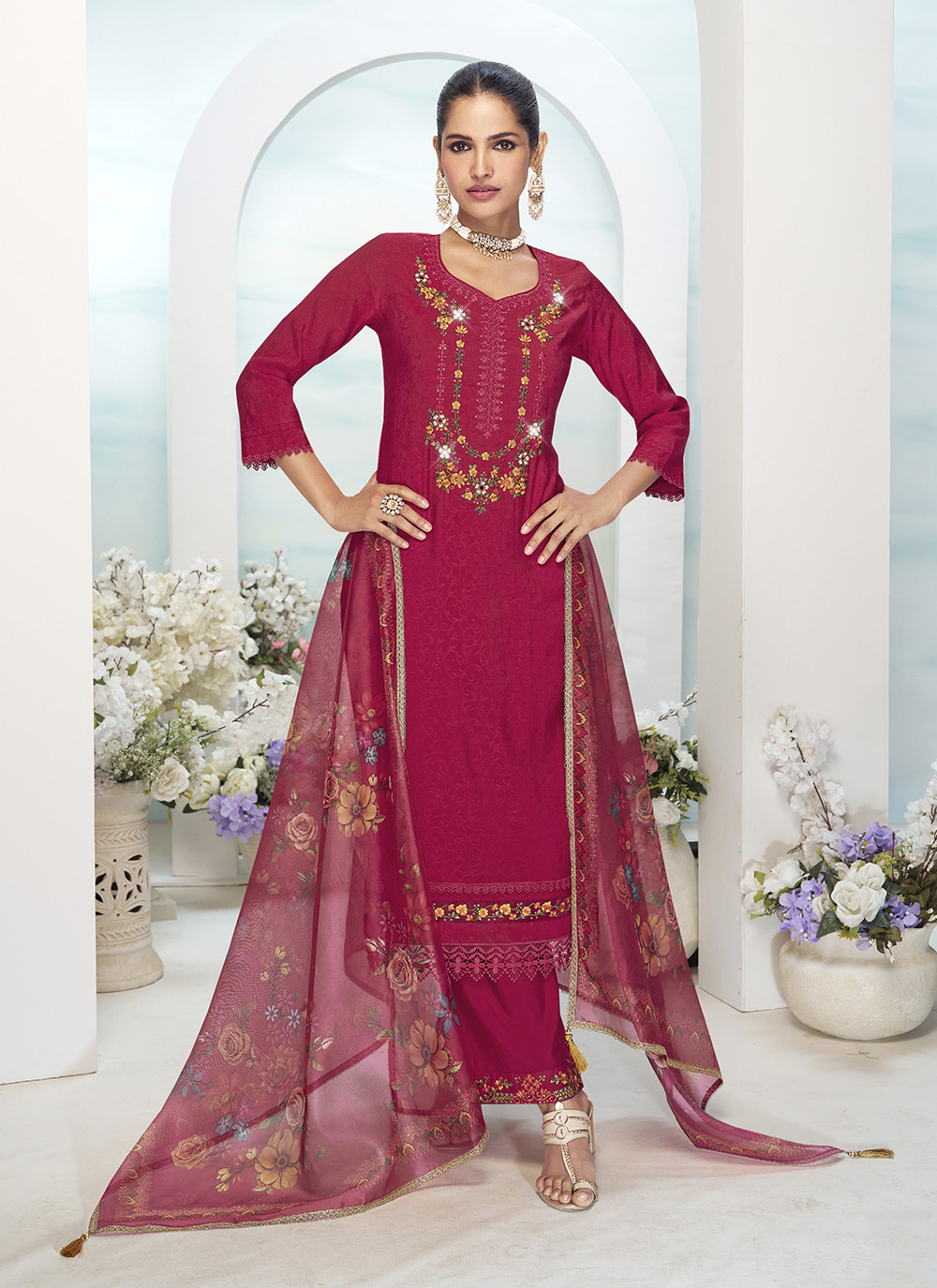
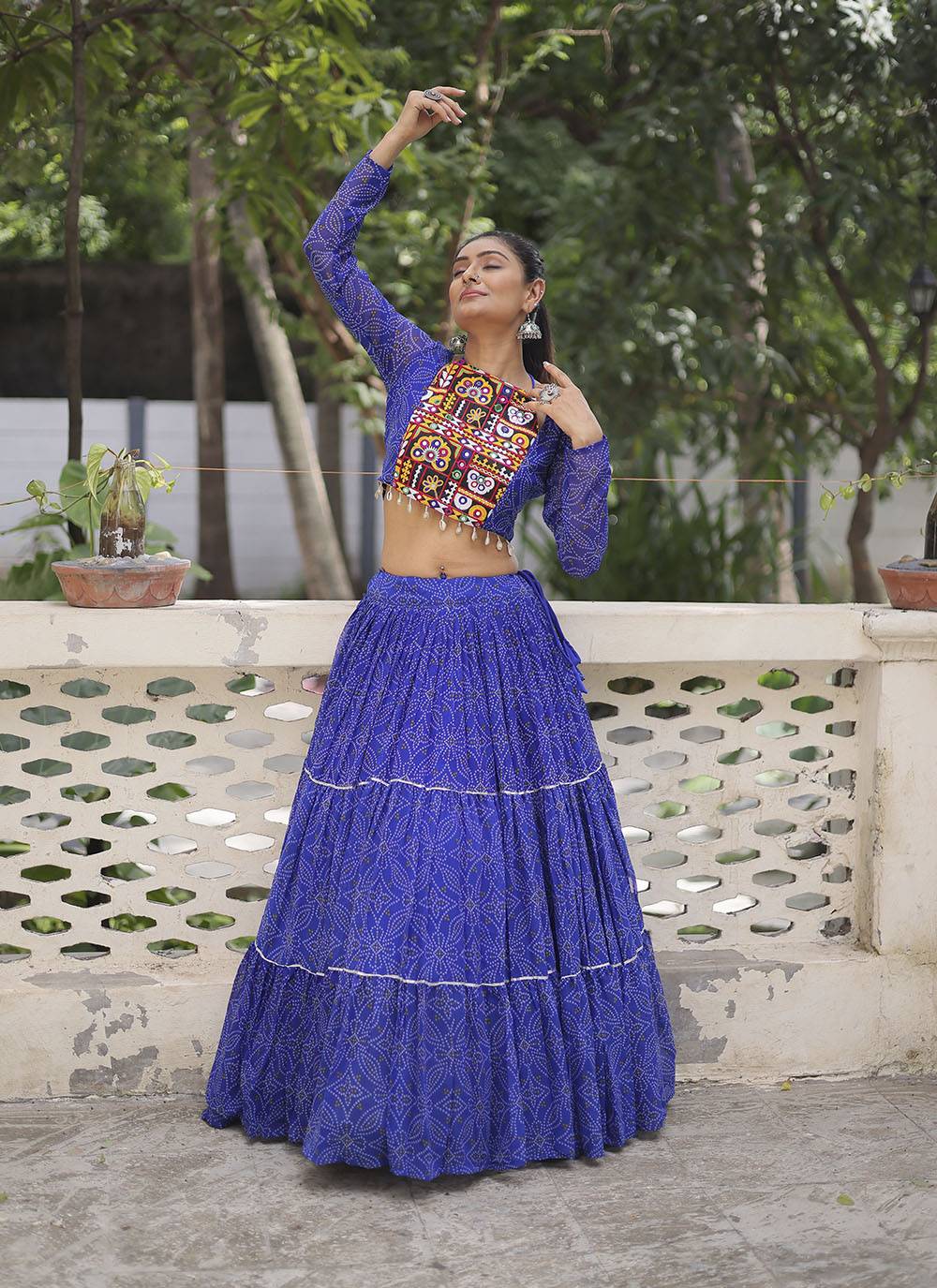
A Kathmandu boutique owner told us her best-selling reception saree last season was not silk at all. It was a georgette with a satin border, chosen because it draped well on camera and survived an evening of relative-hugging. The silk pieces photographed beautifully too, she admitted. They just stayed in the shop while the georgette sold.
Why Georgette and Crepe Own Nepal's Occasion Calendar
Nepal's occasion calendar is compact and intense. Teej in August or September, Dashain in September or October, Tihar, and then the wedding season that runs from November into February, filling hotel banquet halls in Kathmandu, Pokhara and Biratnagar week after week. Georgette fabric Nepal demand rides this circuit, because these are the fabrics that answer the actual questions of occasion wear: how does it move, how does it photograph, and does it survive an evening.
Georgette and crepe are the two drape workhorses of that shelf. Georgette is woven from highly twisted yarns, giving a lightly grainy surface and a fluid fall. Crepe covers a family of pebbled-surface weaves with a touch more body. Both are Surat specialities, produced inside the city's man-made fibre chain at volumes and structures that pure silk cannot match. Occasion wear fabric buying for Nepal is, in practice, mostly deciding between these two and their variants.
Georgette Fabric for Nepal: What Moves and Why
Three georgette programmes dominate Nepal orders from our floor. Printed georgette sarees and dupattas, where the fabric's fall makes a print read expensive. Plain georgette as a base for gowns and anarkalis, where its opacity matters; unlike chiffon, a georgette gown does not demand full lining, and retailers notice the difference in their stitching bills. And georgette with satin or zari borders for the reception tier, the piece our Kathmandu boutique friend described.
The retail logic is simple. Customers want the drape and sheen of silk with the wearability of a washable modern fabric, and georgette delivers that compromise. It is light without looking fragile, and it holds deep dye shades, which is exactly what the wedding guest register wants.
Crepe Fabric Wholesale Basics for Nepali Retailers
Crepe fabric wholesale for Nepal splits into four practical types. Moss crepe and granite crepe, textured surfaces used in kurtis and semi-formal suits. Viscose crepe, softer with an excellent fall, used in higher-end suitings and dupattas. Stretch crepe with a lycra core, now common in fitted kurtis and gown bases because it moves with the body. And heavy polyester crepes for palazzos and bottoms that need structure through wash and wear.
One technical note your tailors already know: crepe gives on the bias. Cut panels without margin and a kurti that fit in the trial will strain at the seam after a month. Suppliers who understand the Nepal market cut nothing themselves but will still flag bias behaviour when you order, because a stitching failure at your tailor reads as a fabric failure at your counter.
The Wedding Season Concentration
After Tihar, the Nepali wedding calendar fills fast, and georgette and crepe volumes concentrate accordingly. Reception gowns, guest sarees, cocktail-tier lehengas and the suits that carry through engagement parties all land in the November to February window. A retailer who treats this as a gentle quarter-round demand gets caught every year; the season behaves more like a second Dashain for drape fabrics.
The sourcing rhythm follows. Bulk for the wedding season needs to be confirmed by early autumn, so production, trucking and border formalities all land before the first invitations do. Retailers in the Valley also plan a second, smaller buy in December to fill sell-through gaps, which the land route makes possible: a reorder placed in Surat in mid-December can be on a Kathmandu counter before New Year. Drape fabric import planning around that reality is what keeps a wedding assortment from running dry mid-season.
Care Realities Retailers Must Plan For
Georgette and crepe reward retailers who set expectations honestly. Georgette snags on rings, bangles and clutch hardware; a shop that mentions this at the counter sees fewer returns than one that does not. Crepe crushes less than georgette but shows steam marks if pressed carelessly, so advise customers to steam rather than iron. Viscose crepes can relax in a hot wash, so the tag should say cold wash, first wash separately.
For the shop itself: hang georgette sarees where possible, fold the embroidered ones with tissue, and steam pieces before display. A crushed piece on a mannequin sells the idea that the fabric looks tired. Ten minutes of steaming converts directly into fewer objections at the counter.
The honest admission: georgette is not a hard-wearing daily fabric, and pretending otherwise costs you customers. It sells on drape and photography, and the shops that position it that way keep both the stock and the goodwill moving.
Importing Drape Fabrics: Packing and Transit
Drape fabrics are transit-sensitive in ways cotton is not. Fold marks that would relax out of a cotton suiting can sit in a crepe for days after unpacking, so ask how the lot is packed. Folded with interleaf tissue is standard for sarees; roll packing suits longer runs of plain bases. Embroidered georgettes should travel in cartons rather than compressed bales, because crushed embroidery does not fully recover.
The truck from Surat to Birgunj or Biratnagar runs three to six days depending on route and season, which is quick, but quick does not mean gentle. Monsoon road conditions and repeated handling at the border both leave marks. Ask for loading photos and a packing list that matches carton by carton, so anything that arrives crushed is traceable to a handling stage rather than becoming an argument.
Ajmera Export: Your Trusted Georgette and Crepe Partner for Nepal
We run georgette and crepe programmes for Nepal's occasion circuit from our Surat floor, from printed georgette sarees and dupattas to plain bases for gowns, anarkalis and fitted kurtis, across moss, granite, viscose and stretch crepes. Lots are packed with the land route in mind, tissue-interleaved or rolled where the programme demands it, and inspected before the truck loads. Our merchandisers flag bias behaviour and care notes up front, because we would rather your tailor know than your customer find out. Pricing is enquiry-only, structured around your programme and volumes, and sample cuttings ship to serious buyers ahead of any bulk commitment. For the November to February season, we plan production backwards from your shelf dates.
Why Businesses Choose Ajmera Export
- Occasion-tier depth: georgette and crepe ranges built for receptions, engagements and wedding guests
- Care-honest guidance: snag, bias and wash notes shared before you order, not after
- Season-timed dispatch: wedding-season bulk planned backwards from November shelf dates
- tissue interleaving, roll options and carton protection for the hill road
Frequently Asked Questions
What is the difference between georgette and crepe fabric?
Georgette is woven from highly twisted yarns, giving a lightly grainy surface and a fluid fall. Crepe is a family of pebbled-surface weaves with a touch more body and better crush resistance. Georgette dominates sarees, dupattas and gown bases; crepe dominates kurtis, suitings and structured bottoms. Both are Surat strengths produced at programme scale.
Which fabric is better for wedding guest wear in Nepal?
For the guest tier that carries the November to February volume, georgette with satin or zari borders is the proven seller, because it drapes and photographs like occasion wear while surviving an evening of celebration. Crepe suits and gowns serve receptions and engagements similarly. Pure silk reads as bridal or family tier, not guest volume.
Is georgette good for Teej sarees?
Yes, though Teej pulls a split assortment. Traditional red cotton sarees dominate the core observance, but printed and plain georgette in festive shades sells strongly for Teej gatherings and outings, especially in the Valley and among younger buyers. Position georgette as the celebration-evening piece beside the cotton ritual piece.
How should retailers store georgette and crepe fabric in Nepal?
Hang georgette sarees where you have rail space, fold embroidered pieces with tissue interleaf, and keep heavy stock off the top of the pile, because crush marks settle in over months. Steam pieces before they go on display. In monsoon humidity, keep viscose crepes away from damp walls, and never store embroidered georgettes compressed.
What is the lead time for georgette and crepe fabric from Surat to Nepal?
Stock-supported lines dispatch quickly, with trucking to the border running three to six days depending on route and season. Programmes that need fresh dyeing, printing or embroidery run to production timelines of several weeks before that. For wedding-season bulk, confirm by early autumn; a December fill-in reorder can still land before New Year.
Does georgette fabric need lining for sarees and gowns?
Less than chiffon does, which is one of georgette's commercial advantages. Its slightly grainy, denser construction gives usable opacity for sarees and dupattas, and gown bases in heavier georgette often skip full lining. Deep shades need less lining than pale ones. Your supplier should flag which programmes read sheer before you order.
Which crepe fabric types are best for kurtis?
Moss and granite crepes for everyday kurtis that wash and wear, viscose crepe for premium suitings where fall matters, and stretch crepe with a lycra core for fitted silhouettes. Heavy polyester crepe works for palazzos and bottoms needing structure. Remember that all crepes give on the bias, so tailors need seam margin.
How are drape fabrics packed for trucking to Nepal?
Sarees fold with interleaf tissue, longer plain runs roll, and embroidered georgettes travel in cartons rather than compressed bales. Ask for loading photos and a carton-wise packing list, since crush marks need to be traceable to a handling stage for claims to settle fast. The run from Surat to the border takes three to six days.
Can georgette fabric handle heavy embroidery?
It handles embroidery well when the base is chosen for it, which means a georgette with enough construction to carry stone, sequin or zari work without distorting. Lightweight georgettes used for heavy work will pucker and sag. Tell your supplier the intended work weight, and the honest ones will steer the base fabric accordingly.
What should a first occasion-wear order from Surat include?
A spread across the tiers rather than depth in one: a few reception-tier georgettes with borders, printed georgette sarees and dupattas, crepe kurti fabric in your market's shades, and one embroidered line to test premium demand. Keep the lot small enough that surprises are cheap, then reorder into whatever sells through first.
Conclusion
Georgette and crepe are the fabrics Nepal's occasion circuit actually runs on, and they reward buyers who treat drape, packing and care as sourcing decisions rather than afterthoughts. We supply both families from Surat with season-timed production, transit-aware packing and honest care notes for your counter staff. If you are planning a wedding-season programme, message us on WhatsApp or send the enquiry form, and we will arrange sample cuttings so you can judge the fall with your own hands.
Sourcing ethnic wear for your business?
Our export team shares catalogues, MOQ and pricing tailored to your market — response within one business day.