Georgette vs Chiffon — The Difference That Decides Your Garment's Drape
A gown designer in Dubai blamed her supplier for "bad chiffon" after a bridal sample came out stiff and heavy. She sent us photos. The fabric was never chiffon. It was georgette, ordered by a stockist who used the two words interchangeably, and the whole gown had been engineered around the wrong drape. Nothing was wrong with the fabric. Everything was wrong with the word. This mix-up happens weekly somewhere in the trade, so here is the full separation.
Same Family, Different Yarns
Georgette and chiffon are cousins, not twins. Both are plain-weave fabrics built on highly twisted crepe yarns, which is why both have that slightly grainy hand instead of the slick flatness of a satin. The difference is in how the twist is used.
Chiffon uses finer yarns with a hard twist in a single direction. The result is very light, very sheer, with a flat, fluid, almost weightless surface that floats.
Georgette uses alternating S-twist and Z-twist yarns in warp and weft. Alternating the twist direction makes the yarns kink against each other after finishing, and that is what produces georgette's signature crinkled, crepey grain. It is heavier than chiffon at every comparable count, less sheer, and it has a faint springiness that chiffon simply does not have.
Explore 10 textile manufacturers in Surat for B2B fabric sourcing, including woven fabrics, synthetic textiles, denim, sarees, dress materials and processed fabrics.
The real difference between georgette and chiffon: how the yarns are twisted, what that does to drape and GSM, and which one belongs on which garment. Includes cutting-room habits and four counter checks before you confirm an order.
Ajmera Export 19 Feb 20267 min read
In weight terms, and speaking of the polyester versions that make up most of the volume trade: chiffon runs roughly 30–55 GSM and georgette roughly 60–110 GSM. In the Surat market both are quoted in denier, so you will hear 75-denier or 100-denier chiffon and georgette. Same denier, different fabric, because the twist construction differs. Ask for GSM alongside denier and the picture completes itself.
How They Behave on the Body
Chiffon falls in soft ripples and keeps moving after the wearer stops. It layers over itself without bulk, which is why floated saree pallus, layered dupattas and gown flounces are chiffon work.
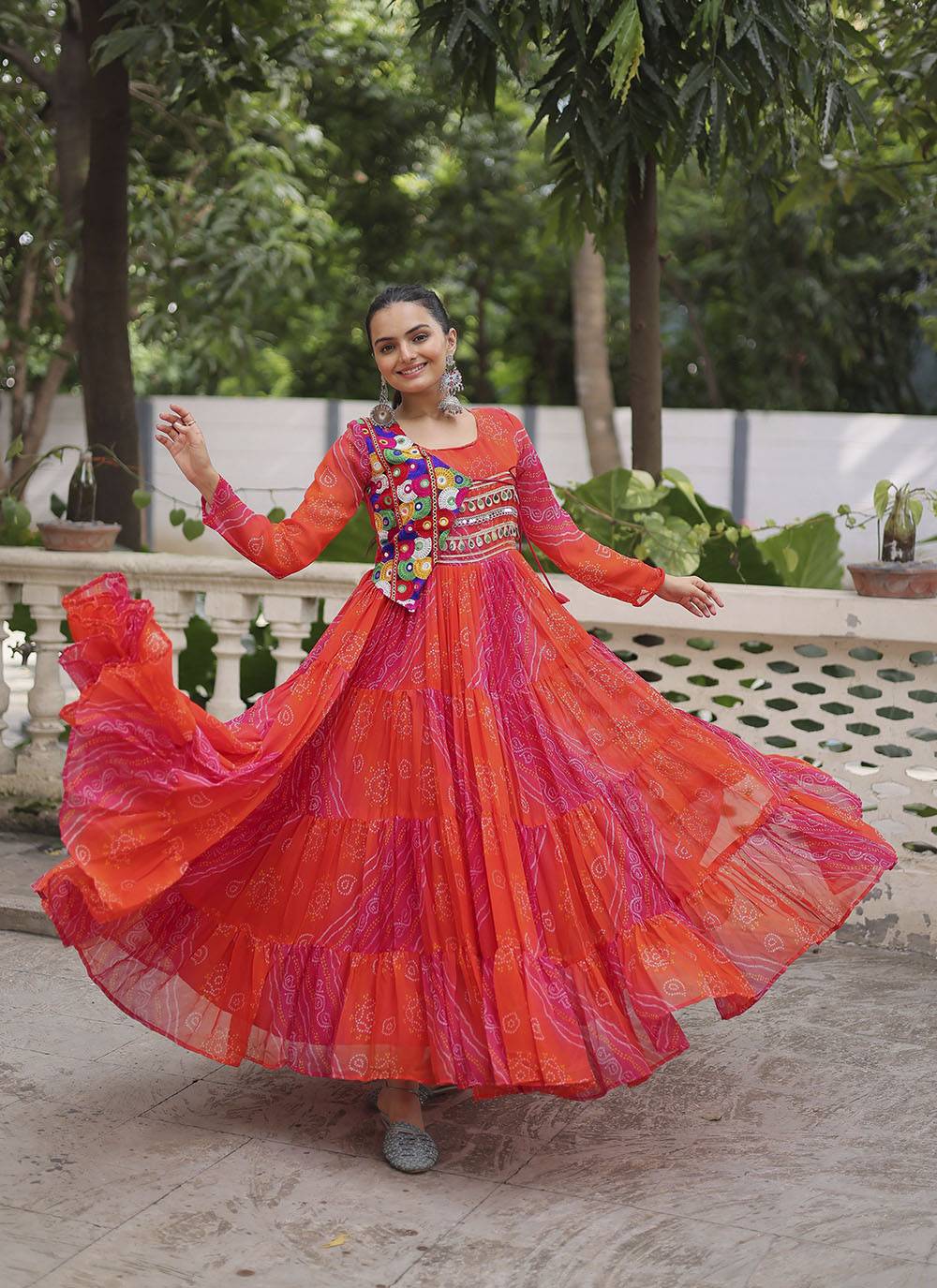
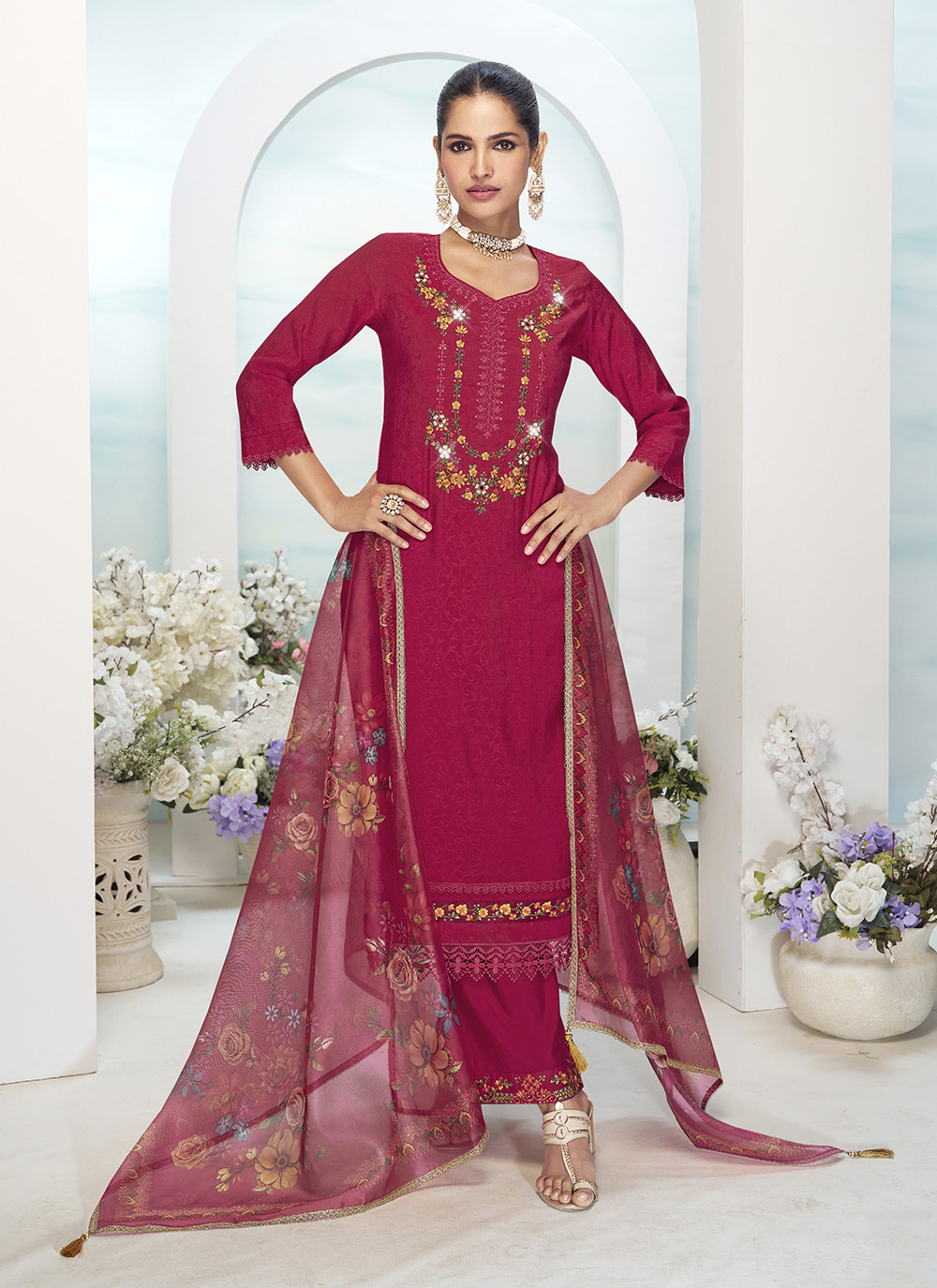
Georgette has body. It falls closer to the figure, holds a pleat, and carries embroidery weight without collapsing. Anarkalis, designer kurtis, heavier dupattas and Pakistani suit tops are georgette work.
A quick demonstration we do for buyers in person: hold a metre of each over your arm and let it fall. Chiffon pools and slides off; georgette drapes in defined folds and stays put. Now crush both in your fist. Chiffon comes back smooth-ish; georgette springs back with its crinkled grain visibly intact. That grain is why georgette shrugs off creasing in packing, one quiet reason it survives long sea transits to retail shelves better than people expect.
Which One for Which Garment
Our order book answers this question every week, so here is the pattern as it actually runs.
Sarees: chiffon for soft-drape, printed and lightweight ranges aimed at younger buyers; georgette for embroidered, heavier and premium sarees that need to hold structure.
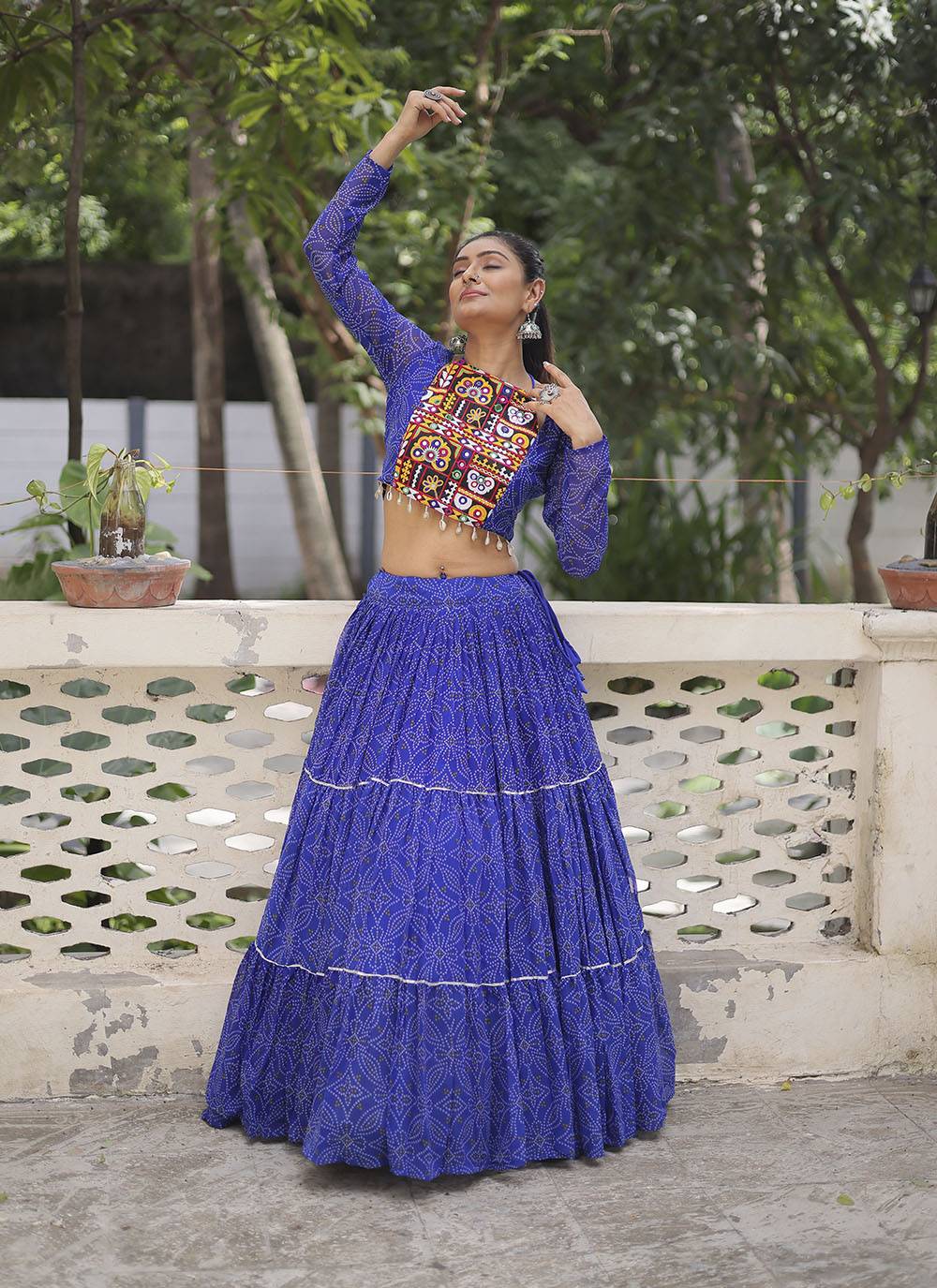
Dupattas: chiffon for floaty everyday dupattas and dye-gradient ranges; georgette for anything carrying sequins, gota or thread work.
Kurtis and salwar suits: georgette, almost always. Chiffon is too sheer and too fragile for a daily-wear top without lining.
Gowns: chiffon for frills, overskirts and layer-on-layer volume; georgette for the structured bodices and skirt bases under all that chiffon.
GCC sheilas and hijabs: both move in volume. Chiffon for light layered wraps; the denser georgettes for opacity and shape-holding styles.
The Cutting Room Decides the Real Cost
The price of the fabric is not the price of the garment, and the difference between these two shows up hardest in the cutting and sewing room.
Chiffon is the more difficult fabric to work with, full stop. It slips when stacked, so serious cutting rooms cut it single-ply with tissue or newsprint underneath, which slows the table down. It frays instantly, so seams need finishing as they go: a three-thread rolled hem on the overlocker, or French seams on anything visible. Needle choice matters too; a fine 60 or 70 microtex point, sharp, changed often. A blunt needle on chiffon leaves snags that no pressing will hide.
Georgette tolerates life better. It can be cut two-ply with care, it frays less aggressively, and it accepts embroidery without backing for medium-weight work. Heavy zardozi still needs a frame and a lining, but standard thread work and sequin lines go straight on.
If a factory quotes you a higher making charge on a chiffon style than the same style in georgette, they are not cheating you. They are pricing reality.
Fibre Changes Everything
Everything above describes the weave behaviour. The fibre decides the rest, and this is the second place where buyers get surprised.
Polyester is the volume workhorse for both, and it is what most of the Surat trade means by default. It holds disperse prints with strong light fastness, washes without drama, and ships well. For digital-print saree programmes, polyester chiffon is the single biggest base in our market.
Viscose versions of both drape more deeply and breathe better, closer to how silk behaves. The trade-offs are real: viscose shrinks more unless pre-shrunk, and it water-spots, meaning steam or rain can leave faint rings that only a full wash removes. For Gulf ateliers we flag this every time, because a humidity-controlled boutique and a seaside shop in humid months are two different storage environments.
Silk chiffon and georgette sit at the premium end, and the burn test from our silk guide applies here unchanged. A surprisingly large number of "silk georgette" offers in the market are viscose georgette wearing a hopeful label.
Four Checks Before You Confirm the Order
Hold it to the light. Chiffon is markedly sheerer. If you can read a printed page through one layer, you are holding chiffon.
Crush it. Georgette springs back with visible crinkle; chiffon recovers flatter and slower.
Weigh a cut square. A 10 cm square, weighed in grams, times 100, gives you GSM. Compare against the quoted spec, not the quoted name.
Burn a thread. Melting bead means polyester; paper smell with glowing ash means viscose; burnt-hair smell means silk. The name on the label did not survive this test in Dubai, and it will not in your shop either.
Frequently Asked Questions
Which is better for dupattas, georgette or chiffon?
For plain, dyed or printed dupattas that float and layer, chiffon. For dupattas carrying sequins, gota patti or heavy borders, georgette, because the fabric carries the weight without tearing at the corners. Many boutiques stock both and let the work decide.
Is georgette heavier than chiffon?
Yes, consistently. At comparable yarn counts, georgette runs roughly twice the GSM of chiffon because of its denser twist construction. Polyester chiffon sits around 30–55 GSM while polyester georgette runs 60–110 GSM.
Can chiffon be used for kurtis?
It can, but it needs a full lining and patient sewing, which erases its price advantage quickly. Most kurti programmes run better in georgette or in viscose versions of either. Chiffon earns its place on sleeves, yoke overlays and dupattas rather than full bodies.
Does georgette fabric shrink?
Polyester georgette shrinks minimally. Viscose georgette can shrink noticeably unless it is pre-shrunk, and cotton georgettes shrink more again. Ask which fibre you are buying and whether the mill has pre-shrunk it, then wash a swatch before cutting your first lay.
Which fabric is better for gowns?
Both, doing different jobs. Chiffon makes the floaty overskirts, frills and layer-on-layer volume. Georgette makes the structured bases, bodices and skirt foundations under the chiffon. A well-engineered gown very often uses both on purpose.
How do I tell chiffon and georgette apart in a delivered roll?
Sheerness first: hold both to light, chiffon is clearly more transparent. Then crush: georgette's crinkled grain bounces back. Weighing a cut square settles borderline cases. With repeated deliveries you will recognise georgette's dry, grainy hand on contact, blindfolded.
If you are building a saree, kurti or gown programme and are unsure which base carries your designs, send us the styles and the target market. We will come back with GSM, denier and fibre options for both fabrics, and swatch cards for serious buyers so your first order lands on the right cloth. Raise an enquiry or message us on WhatsApp and we will take it from there.
georgette vs chiffonchiffon fabric guidegeorgette fabric wholesale
Sourcing ethnic wear for your business?
Our export team shares catalogues, MOQ and pricing tailored to your market — response within one business day.
Velvet concentrates almost all of its Nepal sales into a short winter window in the hill cities. Here is how weights, colours and packing decisions decide whether that window pays for the truck.
Why the Gulf's modest-wear trade runs on viscose, and what the fibre's weaknesses cost you if unmanaged. Covers abaya weights, blend percentages, shrinkage planning and the wet-rub checks worth demanding from any supplier.