London's Indian Wholesale Scene — From Southall to the Golden Mile
A Leicester buyer once told us he could guess which decade a shop's family had arrived in Britain by the way they bought stock. The families who came in the early seventies, many of them from Uganda in 1972, bought small repeats in cash, never over-ordered, and kept the same suppliers for decades. That instinct still runs the British Indian wholesale trade. It is a market built on kinship networks, and if you understand that, the strange buying patterns start making perfect sense.
The map: Southall, Wembley, Leicester, Birmingham
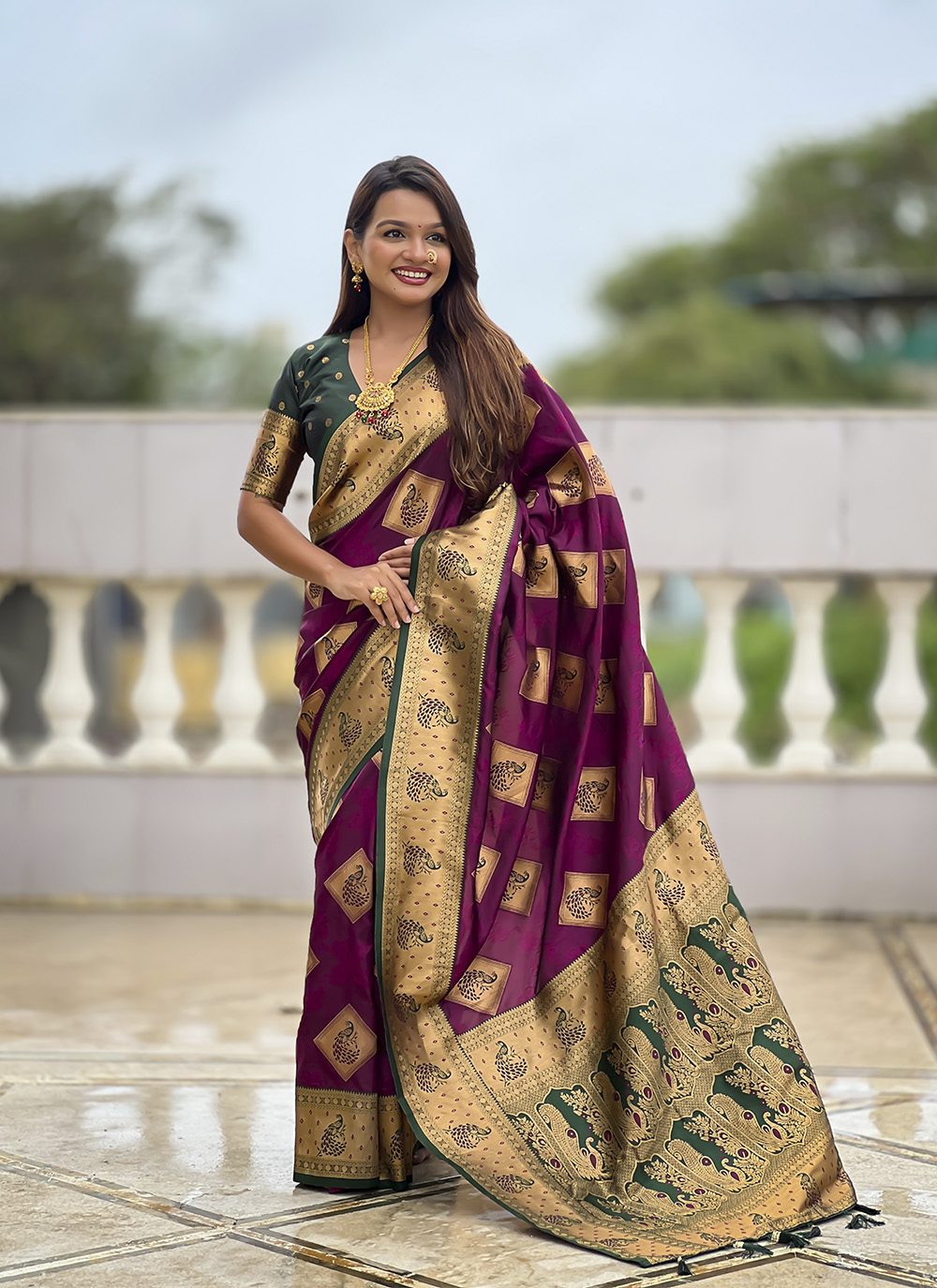
West London first. Southall Broadway is the historic heart of Indian retail in Britain, its saree palaces and fabric shops anchoring a high street that has served the Punjabi and Gujarati communities since the 1960s. A few miles east, Ealing Road in Wembley, around Alperton, is the modern saree and fabric strip, where wholesale counters sit above and behind the retail fronts.
The Midlands carries as much weight as London. Leicester's Belgrave Road, the famous Golden Mile, hosts one of the largest Diwali celebrations outside India, with light displays that have run along that stretch for decades, and the wholesale trade around it is correspondingly deep. Birmingham's Soho Road in Handsworth serves a strongly Punjabi customer base and trades harder around Eid and the wedding season. There are smaller clusters in East London, in cities like Wolverhampton and Coventry, and in Glasgow, but the four anchors above are where most buying power sits.
Looking for a bedsheet supplier in India for bulk purchasing? Explore bedsheet types, wholesale sourcing, quality checks, minimum order quantities, pricing factors and supplier selection tips for retailers, distributors, hospitality businesses and international B2B buyers.
A map of Britain's Indian wholesale trade, from Southall Broadway and Wembley's Ealing Road to Leicester's Golden Mile and Birmingham's Soho Road. Covers UK import duty, post-Brexit paperwork, festival buying calendars and how small UK orders can still make sensible landed costs.
Ajmera Export 27 Mar 20266 min read
The history explains the geography. The expulsion of Asians from Uganda in 1972 resettled a large Gujarati population in Leicester, and those families built retail and wholesale businesses that now trade into their third generation. Kinship lines run from these shops back to Gujarat and Mumbai, and buying trips still follow them.
How UK ethnic wholesale actually behaves
Do not expect American-style container buying. The British trade runs on cash-and-carry discipline: shops buy monthly, in small multiples, six to twelve pieces per design, and expect mixed cartons rather than full runs of one style. Cash flow is the religion. A shop that turns its stock four times a year at modest margin outlives a shop that gambles on a container of one silhouette.
Trends arrive through two channels. Bollywood releases drive saree and lehenga demand with a lag of weeks, which is why wholesalers watch release calendars the way commodity traders watch harvest reports. And the wedding season, which in Britain runs hard from April to September with a second winter wave from November into February, decides the shape of the whole year. The online layer, eBay, Amazon and TikTok shop resellers, has added a new rung of small buyers who order exactly like the shops did a generation ago, in careful multiples.
Freight, customs and post-Brexit paperwork
Sea freight from Nhava Sheva to Felixstowe runs about four weeks, give or take a few days, with Southampton and London Gateway as alternates. Since Brexit, every consignment needs a proper import declaration through a broker and an EORI number, which is no longer the friction it was in 2021 but is still paperwork you want right the first time.
On duty, the standard UK tariff sits around twelve percent on most readymade garments, with fabrics generally lower. India's developing-country preferences can reduce or remove duty on many lines, so the practical habit is to ask your broker which of your specific HS codes qualify before you build margin assumptions. UK textile labelling rules also require fibre composition declarations in English with care symbols on the garments, so agree labelling with your supplier before production, not after goods arrive at Felixstowe.
Air freight earns its place here more than in any other market we serve. A kurti programme that lands ten days before Diwali by air can pay for the upgrade through sell-through alone. Sea for the base programme, air for the festival top-up, is the standard British rhythm.
The festival clock for UK buyers
Diwali is the year's spine, falling between October and November on the shifting lunisolar calendar. The Golden Mile lights switch-on tells you when Leicester is fully in season. Work backwards: goods should reach UK shelves by early October at the latest, which means shipping from India in August, which means production confirmed in June and July. Eid brings two windows, and both depend on moon sighting, so experienced buyers hold a small buffer lot that can airfreight when the date firms up.
Beyond those, Vaisakhi in April turns Southall into a day-long festival and moves Punjabi suit stock. Navratri in September and October carries chaniya choli and garba fabric into Leicester and London. Rakhi, Karva Chauth and the winter wedding wave round out the calendar. A wholesaler who plans against all six of those dates simply out-sells one who plans only against Christmas.
One honest trade-off from our own shipments: UK first orders are small, and freight per unit on a fifty-carton LCL hurts. The buyers who fix it are the ones who group their cargo, sharing containers with Leicester and Birmingham buyers through consolidators, or timing their orders to ride with a bigger programme going to the same port. The landed cost maths changes completely when three small buyers share one customs entry.
Buying smart from India for the UK market
Ask your supplier for the things British trade rewards: small repeats of proven designs rather than big bets on new ones, mixed cartons packed shop-ready, and photos of actual production lots rather than catalogue renders. Confirm UK labelling in the purchase order. And keep one eye on Bollywood's release slate three months ahead, because the shops on Belgrave Road certainly are.
Frequently Asked Questions
Where do Indians buy fabric and clothes wholesale in London?
Southall Broadway and the lanes around it in West London, plus Ealing Road in Wembley near Alperton. Outside London, Leicester's Belgrave Road Golden Mile and Birmingham's Soho Road carry the deepest wholesale trade.
What is the import duty on Indian clothes in the UK?
Most readymade garments sit around twelve percent under the standard UK tariff, with fabrics generally lower, and India's developing-country preferences can cut or remove duty on specific lines. Ask your customs broker to check your exact HS codes before you model margins.
How long does sea freight take from India to the UK?
Around four weeks from Nhava Sheva into Felixstowe, plus a few days for customs handling. Pre-Diwali sailings get busy, so book space in advance rather than assuming weekly availability.
When should I order stock for Diwali in the UK?
Order by June or July, ship in August, and land by early October. For the pieces that sell out early, airfreight a top-up: a ten-day saving before the festival is worth more than the freight difference.
Do I need special labels on imported garments in the UK?
Yes. Fibre composition must be declared in English, and garments need care labelling. Agree the label format with your supplier before production starts, because relabelling after arrival eats the margin a small order can barely spare.
Which UK cities have the biggest Indian wholesale clothing trade?
London through Southall and Wembley, Leicester through the Golden Mile, and Birmingham through Soho Road. Leicester deserves particular attention: its Gujarati wholesale base supplies shops far beyond the city itself.
If you supply Britain's Indian retail trade, or you are planning your first season, tell us the categories and festivals you are buying for. We send catalogue sets and physical samples for serious buyers, pack mixed cartons to shop-ready spec, and we know exactly how late a Diwali shipment can leave Surat and still make Felixstowe in time.
indian ethnic wear wholesale londonsaree wholesale londonsouthall fabric shops
Sourcing ethnic wear for your business?
Our export team shares catalogues, MOQ and pricing tailored to your market — response within one business day.
Discover how to choose a bedsheet wholesaler in India for bulk purchasing, retail distribution, hospitality and export requirements. Explore bedsheet types, wholesale pricing factors, minimum order quantities, quality checks and practical B2B sourcing tips for businesses.
Explore bedsheet sourcing in India for wholesale, retail, hospitality and export markets. Learn about bedsheet fabric types, quality standards, minimum order quantities, bulk purchasing and supplier selection for B2B textile businesses.