Sourcing Indian Ethnic Wear for Australia — A Southern-Hemisphere Buying Guide
Our first Melbourne buyer asked for velvet in June and the lightest voile we make in December. Buy for Australia on a northern-hemisphere calendar and you will stock wool in their summer. Everything about this market begins with the flip.
The Australian map
Sydney's Indian trade concentrates in Harris Park, Wigram Street above all, with Parramatta next door carrying the overflow footfall. Melbourne splits between Springvale and Dandenong. Brisbane's southside grows every year, Adelaide sustains a compact but loyal customer base, and Perth, which feels like the end of the earth, buys like a serious city with money and no competition.
Community mix matters more here than buyers expect. Alongside the Indian and Pakistani base, there is a large Sri Lankan Tamil community and a significant Fijian-Indian population concentrated in Sydney and Melbourne. Our Melbourne buyers tell us Fijian-Indian customers skew toward bright georgette sarees and Bollywood-led salwar sets rather than heavy silk, so a store that stocks only a traditional silk wall is missing a real slice of the room. Ask your walk-ins; the answer changes your first order.
Looking for a bedsheet supplier in India for bulk purchasing? Explore bedsheet types, wholesale sourcing, quality checks, minimum order quantities, pricing factors and supplier selection tips for retailers, distributors, hospitality businesses and international B2B buyers.
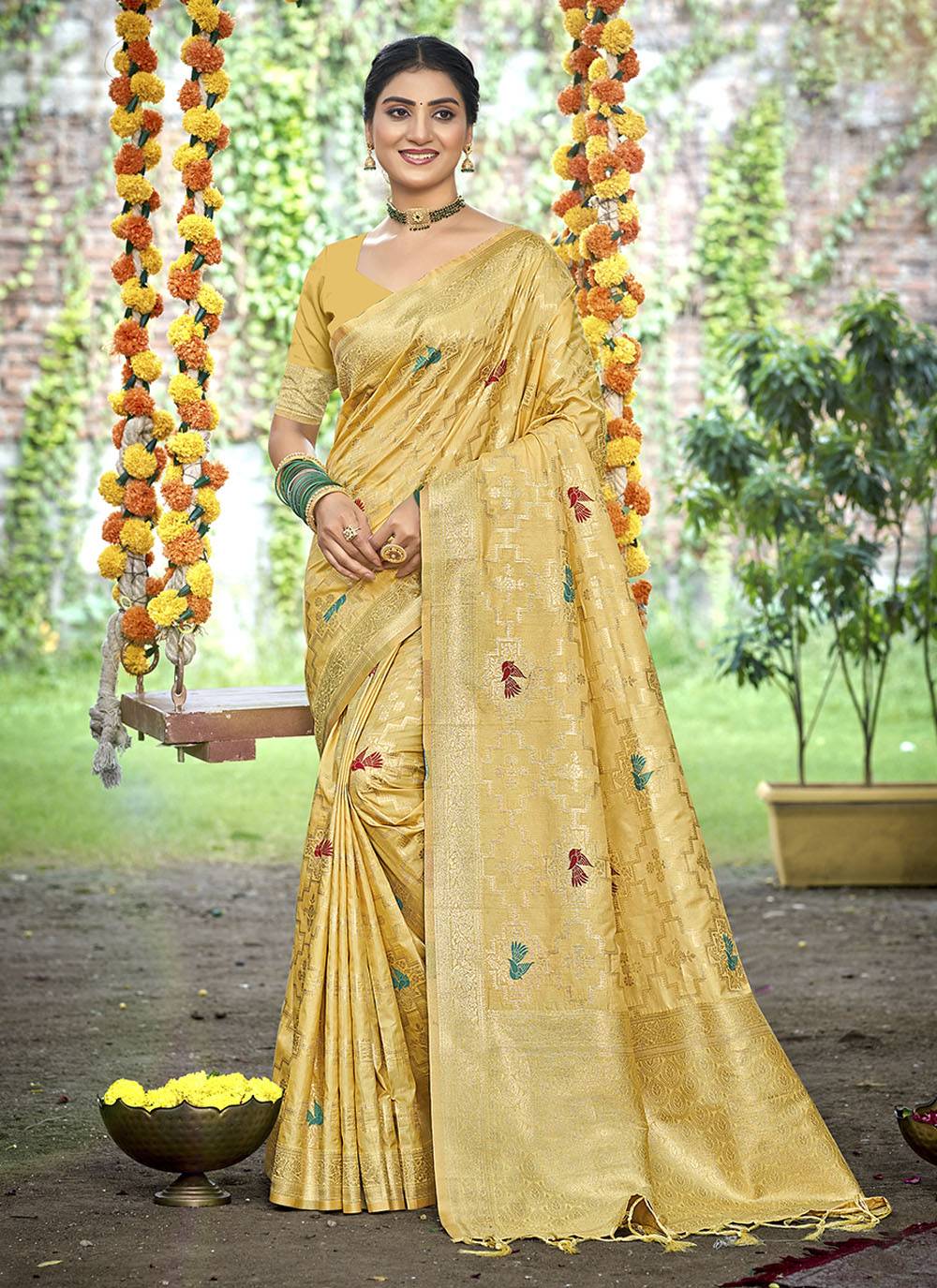
A southern-hemisphere sourcing guide for Australian ethnic retailers: the flipped season calendar that catches northern-trained buyers, the Perth freight paradox, and the community mix that shapes what to ship first. Desk notes from Surat.
Ajmera Export 3 Apr 20266 min read
The flipped calendar
Wedding season runs October to March, the Australian summer. Diwali lands in their spring, which means dispatch by end of July for an August-September arrival. Christmas and New Year form a beach-heat party season: sequinned georgette and light party wear move, and velvet sits in the storeroom looking confused. Velvet, shawls and full-sleeve viscose belong to June through August, so dispatch those lines by late March or April.
Eid runs on its own shifted clock as everywhere else, roughly 11 days earlier each solar year, and the capsule needs a fresh date check every season. Navratri garba runs in Sydney and Melbourne halls at a scale strong enough to move chaniya choli volume nine time zones from Gujarat; Harris Park goes properly festive for those nine nights. If you are buying from India for an Australian shop, write the year plan in southern-hemisphere months and then convert it to Indian dispatch deadlines. Not the other way round.
The public events deserve their own line in the plan. Sydney's Parramatta festival circuit and Melbourne's Fed Square celebrations pull tens of thousands through Diwali events, and the community stalls around them can sell more in two weekends than some shops move in a quarter. If you can take a market stall at one, order specifically for it: light, forgiving sizes, bright colours, and a second pair of hands who can talk while making change.
Freight and the Perth paradox
East-coast cargo transships through Singapore or Port Klang, so Nhava Sheva or Mundra to Sydney and Melbourne runs roughly three to five weeks port to port. Then comes the counter-intuitive part that surprises every first-timer: Fremantle, the Perth port, often arrives sooner despite feeling remote, because it sits directly on the main shipping lane while the east coast waits for a feeder connection. Perth's disadvantage is retail competition, not freight time.
First orders run LCL with door delivery arranged interstate after clearance; add days rather than weeks for the interstate leg. The honest admission we make to every new Australian buyer: this is the market where we most often watch first-timers over-buy winter stock. Melbourne winters are properly cold and reward velvet depth; Sydney winters are mild and do not. Keep winter depth deep in Victoria and shallow in New South Wales, and you will not be the shop marking down pashminas in a Sydney August.
Duty, GST and paperwork
GST at 10% applies at import, and that is the line item that surprises people who planned only for duty. On the duty side, most Indian apparel clears at zero or minimal tariff under Australia's developing-country tariff arrangements, but confirm the current schedules with your customs broker rather than trusting a blog, ours included. Trade arrangements change, and your broker sees yesterday's rulings while a blog sees last year's.
Country-of-origin labelling is enforced on garments, and we handle export documentation on our side: commercial invoice, packing list, certificate of origin. What we need from you is a clear delivery arrangement for the interstate leg, because "somewhere in Australia" is not a delivery address that survives customs.
What to ship first
The summer-first basket: cotton voile kurtis at 90 to 120 GSM, rayon and viscose sets, printed georgette sarees, soft silks, sequinned party lines timed for the Christmas window, and kids ethnic for the dance academies (yes, they exist in every Australian metro too, and they buy like institutions everywhere). The winter basket for the June reorder: velvet kurtis, wool-blend and pashmina-style shawls, and full-sleeve viscose. Shawls attach beautifully to a Melbourne winter basket and almost never come back.
On the kids point specifically: Australian academies run the same June and December recital rhythm as their US and UK counterparts, with costumes locked 8 to 12 weeks ahead, and they order by WhatsApp like everyone else in the diaspora. A boutique that introduces itself to four local academies has quietly solved its kids category for the year, and the reorder arrives before the recital posters are even printed.
Then settle into a monthly replenishment rhythm once sell-through tells you which side of the flip pays your rent. Australian shops on a steady rhythm discover what UK buyers discovered long ago: a small stable monthly book beats two heroic swings a year, and suppliers treat it accordingly.
Frequently Asked Questions
What MOQ should I plan for a first Australian order?
Modest. Mixed-category LCL shipments combining kurtis, sarees and kids wear are the standard first order, with minimums per design per colour in the dozens. The freight structure rewards consolidation, so breadth across categories beats depth in one.
How long does shipping take from India to Australia?
Roughly three to five weeks port to port to Sydney or Melbourne via Singapore transshipment, with Fremantle often arriving sooner. Door delivery and clearance add the rest; plan on five to seven weeks door to door for the east coast.
Do I pay duty on Indian garments into Australia?
Most Indian apparel clears at zero or minimal duty under Australia's developing-country tariff arrangements, but verify current schedules with your broker. GST at 10% applies at import, and that is usually the bigger line on the invoice.
How does Australian sizing compare?
Australian sizing sits close to UK sizing, 8 to 20, so the same grading discipline applies: two-inch bust steps with depth in the middle sizes. Indian domestic grading runs one to two steps smaller and will misfit an Australian rail if nobody adjusts it.
Which categories sell best in Australia?
Printed georgette and bright sarees, kurtis and co-ord sets for the spring-summer run, kids ethnic for academies and festivals, and winter accessories in the southern winter. Kids ethnic and party sarees reorder year-round, which makes them the backbone of the monthly rhythm rather than the seasonal spikes. The Fijian-Indian customer base rewards bright georgette lines that a silk-only wall never captures.
Can I get samples before ordering?
Yes, couriered in under a week to the east-coast capitals. We adjust sample charges against the first bulk order for serious buyers, and a video call through the sample set saves a week of email tennis on fabric choices.
If you are planning an Australian programme, tell us your city and the months your floor actually turns stock, and we will translate it into a dispatch calendar from Surat. Reach us on WhatsApp or through the enquiry form. We hold sample sets for serious buyers and can walk you through fabrics and GSMs on a video call before your first LCL goes out.
indian ethnic wear wholesale australiasaree supplier australiakurti wholesale sydney
Sourcing ethnic wear for your business?
Our export team shares catalogues, MOQ and pricing tailored to your market — response within one business day.
Discover how to choose a bedsheet wholesaler in India for bulk purchasing, retail distribution, hospitality and export requirements. Explore bedsheet types, wholesale pricing factors, minimum order quantities, quality checks and practical B2B sourcing tips for businesses.
Explore bedsheet sourcing in India for wholesale, retail, hospitality and export markets. Learn about bedsheet fabric types, quality standards, minimum order quantities, bulk purchasing and supplier selection for B2B textile businesses.