Lawn Fabric for Summer Programmes — The Fabric Behind Pakistan's Biggest Season
Somewhere in February, every year, the same message lands in our inbox from a Toronto buyer asking whether her lawn programme is on the water yet. By then the printing is finished, the three-piece sets are folded into polybags, and the question is really about whether Eid delivery holds. Lawn is the only fabric we handle where the calendar matters as much as the cloth.
What Lawn Actually Is
Lawn is a fine, combed cotton plain weave, the lighter and crisper member of the fine-cotton family. Good lawn is spun from 60s to 80s combed yarn, the combed part mattering because it removes the short fibres that would otherwise print as neps, and it typically finishes between 70 and 90 GSM. It is sheer-ish without being fragile, and it holds a crisp edge that softer cottons abandon by lunchtime.
The finish chain is what separates printable lawn from ordinary shirting-weight cotton. It gets mercerised for lustre and dye affinity, singed clean, bleached to a high, even whiteness, and stentered to a controlled width, because a print base with streaky whiteness prints streaky grounds no matter how good the engraving is.
Explore towel manufacturing and wholesale sourcing opportunities in India with Ajmera Fashion Limited. Learn about cotton towels, terry towels, hotel towels, bulk purchasing, quality standards, MOQ and key factors for selecting a B2B towel supplier.
What lawn actually is in counts and GSM, how it differs from voile and cambric, and which print route suits a volume summer programme. Includes the Eid buying calendar and the QC checks that stop lawn claims before they start.
Ajmera Export 6 May 20268 min read
Its two relatives cause most specification confusion. Voile is lighter and more sheer, often 55 to 70 GSM, spun from tightly twisted yarns, and it drapes rather than crisps. Cambric is the heavier sibling, around 100 to 130 GSM, and it is what autumn programmes move to when the nights turn. Buyers who order "lawn" and receive voile, or vice versa, usually have a specification conversation to thank for it.
Why Pakistan's Summer Runs on Lawn
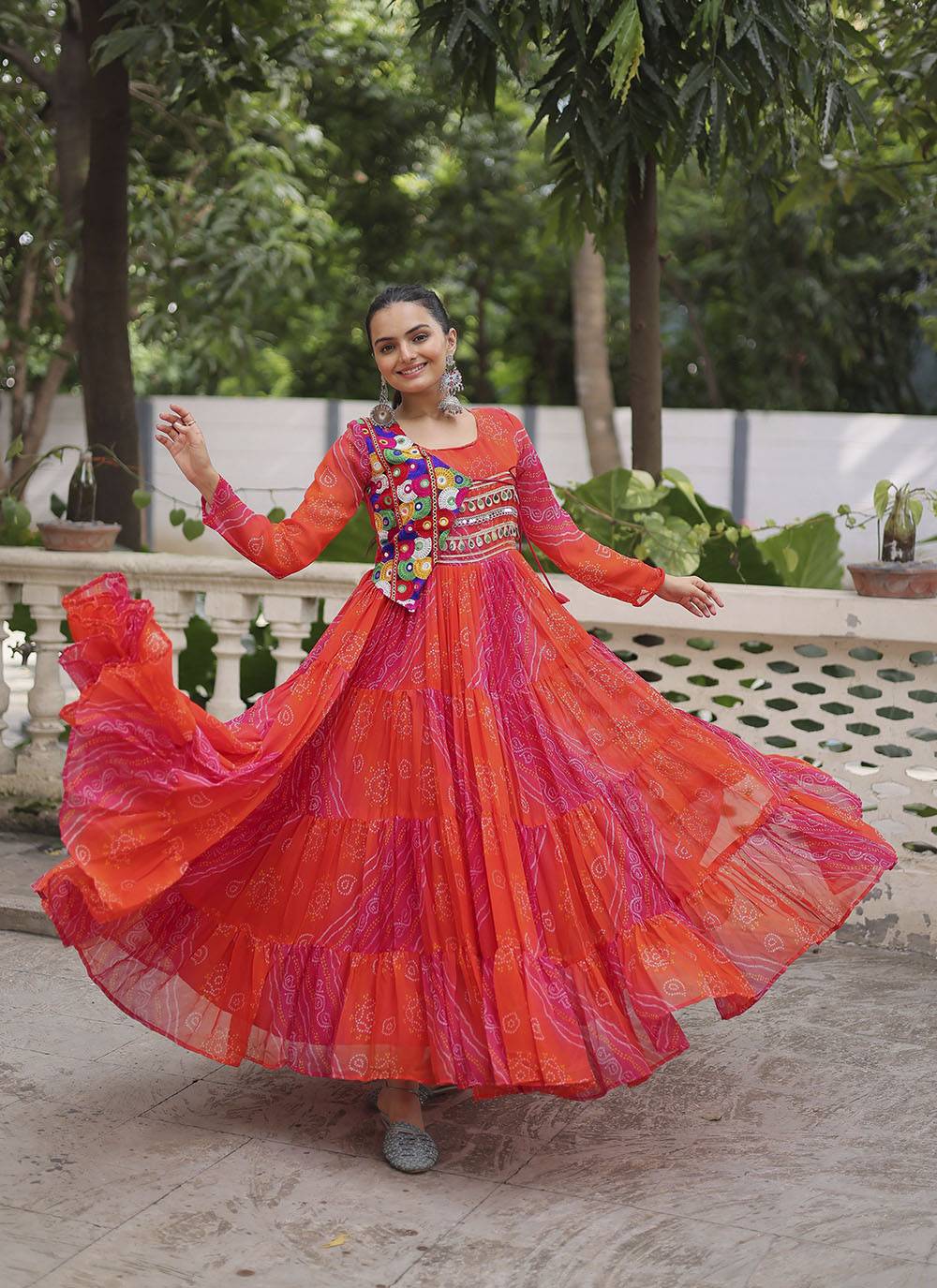
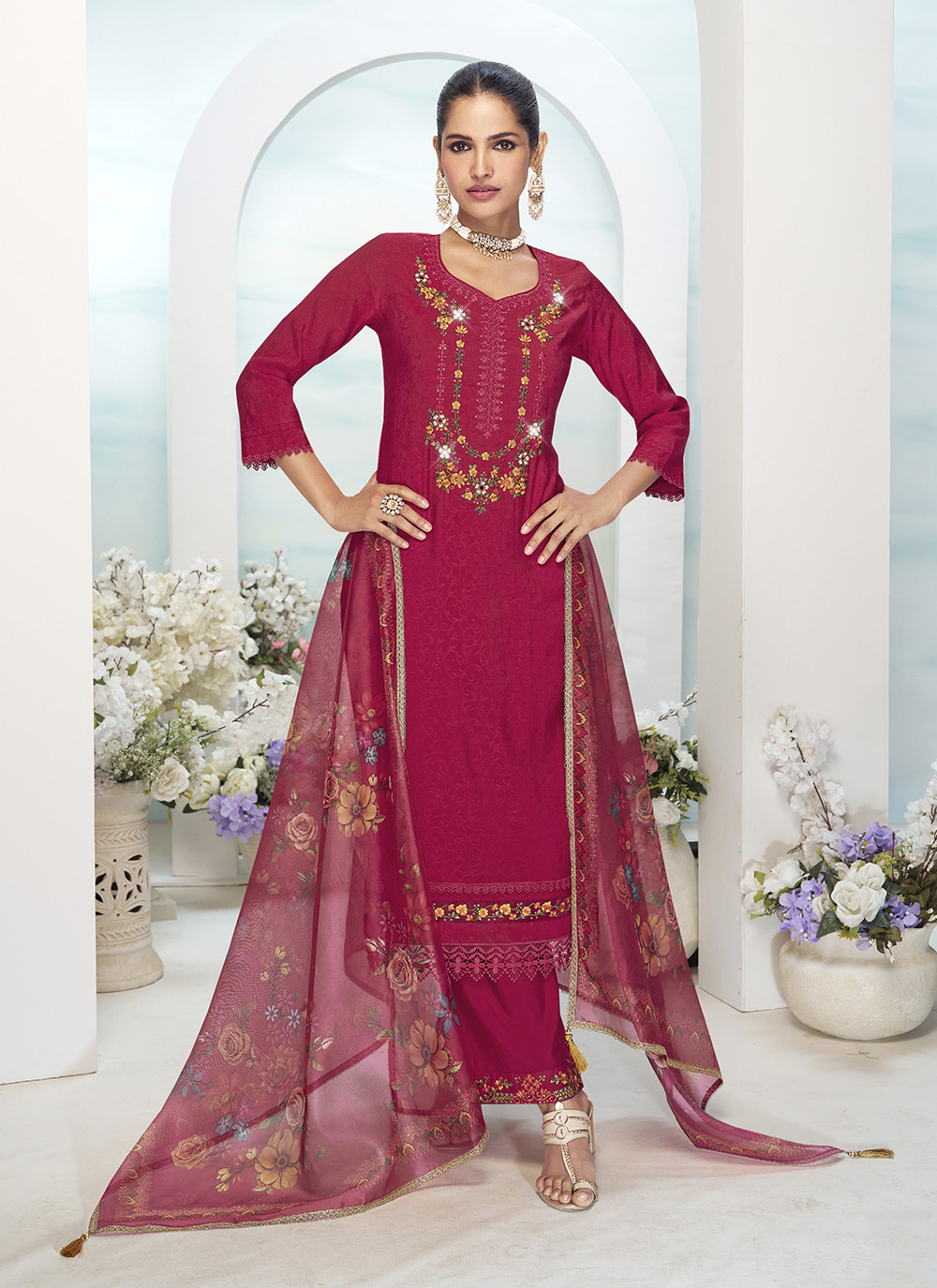
The season structure is unique in textiles. The big Karachi and Lahore houses launch printed lawn collections from late February through spring, in staged drops, with designer capsules and pre-booking windows that customers treat like event tickets. The retail peak builds toward Eid and runs through the hot months, and unstitched three-piece sets, shirt, dupatta and trouser yardage, are the standard unit of purchase.
The cuts follow the pattern. A shirt piece runs 3 to 4.5 meters depending on kameez length, dupatta 2.5 meters, trouser around 2.5, and wholesale buyers book in suit sets rather than bare meters. The customer at the tail end buys the print, the brand story and the lawn handfeel together, which is why print sharpness and ground whiteness are not cosmetic details in this trade. They are the product.
What does India have to do with Pakistan's fabric? Two things, in our experience. Surat's print capacity serves enormous volumes of cotton lawn and lawn-blend programmes for export markets, including GCC buyers who run their own summer suit ranges, and the diaspora retail trade in North America and the UK sources summer cotton programmes from Indian mills at weights and finishes that sit in the same family. The season belongs to the subcontinent as a whole. The printing is genuinely international.
The Specs Behind a Good Lawn Programme
Four numbers decide whether a lawn programme sells through or gets returned.
Weight. 70 to 90 GSM covers the working range. Below 65 you are in voile territory and the shirt piece loses body, above 95 you have bought cambric and the summer story weakens.
Yarn. Combed 60s to 80s. Carded yarn saves a little on greige and costs a lot at print, because neps print as white specks on dark grounds, and every nep is a customer complaint waiting for a microscope.
Shrinkage. Sanforised lawn should sit under 3 to 4 percent residual. Unfinished loom-state lawn can lose 5 to 8 percent, and a 3 meter shirt piece that becomes 2.75 meters is noticed instantly by whoever is cutting it. Ask for measured shrinkage figures on the finished lot, not on last season's, because finishing conditions drift.
Ground whiteness. White-base lawn shows lot variation more than dyed grounds, so a season's white base should be planned from one bleached lot where the volume allows.
The printing route follows the run length, the same as any cotton programme. Volume prints go rotary, with the 64 centimetre standard repeat shaping how the artwork gets engineered, and the border repeats on a 2.5 meter dupatta have to land so the ends finish on complete motifs. Designer drops and short runs go digital, and the sampling turnaround, 48 to 72 hours for a strike-off, is what lets a range react to what sold in the first drop.
The dupatta question
Every lawn buyer faces it eventually: lawn dupatta or chiffon. Lawn dupattas stay in the crisp summer story and cost the programme nothing extra, but they double the lawn weight on the shoulder in real heat. Chiffon or voile dupattas lighten the wear and look dressier, at the price of a second fabric in the set, a second dye lot to match and a packing line that runs two cloth types. There is no universally right answer, only the answer that matches your customer's summer, and mixed-fabric sets need the print ground matched across two very different cloth types, which is where the good printers earn their keep.
The Buying Calendar for Eid Delivery
The part first-time buyers get wrong. Eid al-Fitr follows the lunar calendar, so it lands roughly eleven days earlier every Gregorian year, which means last year's February booking is this year's January panic. Nothing about your supplier's January capacity will save a programme that should have been booked in November.
Working backwards from a North American Eid retail date: garments need to be on shelves two to three weeks before Eid, sea freight from Nhava Sheva or Mundra to the East Coast runs four to six weeks, customs and inland movement add a week to ten days, stitching and finishing need three to four weeks, and printing needs to be scheduled into the mill's peak, which is everyone else's peak too. Reverse the arithmetic and the design lock lands in October or November. UK buyers via Felixstowe sit on similar timings, and GCC buyers shipping into Jebel Ali get a shorter sea leg with correspondingly more tolerance, though Ramadan itself compresses GCC retail logistics in its own way.
The honest admission from our side of the desk: the first week of March, everyone in this trade is firefighting somebody's late programme, and air freight off a missed sea window is a margin conversation nobody enjoys. Book the calendar properly and lawn is one of the calmest programmes you will ever run.
QC Checks That Stop Lawn Claims
Five checks catch most lawn problems before dispatch: rub-test dark grounds, wet and dry, because maroon and navy prints crock onto white embroidery; measured shrinkage on the finished lot; print sharpness inspection at the repeat joins, where misfit repeats show first; bow and skew measurement, since striped and bordered prints sitting more than a percent or two off-grain land diagonally on the garment; and ground whiteness comparison across lots under a light box.
Packing finishes the job. One suit per polybag with design and size sticker, cartons built to a manageable weight for retail staff, and design numbers on the outer carton, because a warehouse full of identical white cartons full of lawn is a picker's nightmare in peak week.
Frequently Asked Questions
What GSM is lawn fabric?
Printed lawn for summer programmes typically finishes between 70 and 90 GSM. Voile runs lighter at 55 to 70 GSM and cambric heavier at 100 to 130 GSM, so if a quote sits well outside the 70 to 90 band, ask which fabric you are actually being sold.
Is lawn fabric good for hot summers?
It is one of the best cotton options for serious heat. The fine combed weave is open enough to breathe, crisp enough to keep its shape through a humid day, and light enough that a full three-piece set stays wearable. That combination is exactly why the subcontinent's biggest retail season is built on it.
How many meters does a three-piece lawn suit need?
The standard unstitched set cuts a shirt piece of 3 to 4.5 meters depending on kameez length, a 2.5 meter dupatta and roughly 2.5 meters of trouser fabric. Programme your yardage from the top of the shirt range if your market wears long kameez cuts.
Does lawn fabric shrink?
Sanforised lawn holds residual shrinkage under about 3 to 4 percent, which is manageable in cutting. Unfinished loom-state lawn can shrink 5 to 8 percent, which turns a 3 meter shirt piece into a shorter garment and a customer complaint. Always buy finished, sanforised lawn with measured shrinkage figures.
When should I order lawn for Eid delivery?
Design lock in October or November, with printing scheduled into the mill's December and January capacity, so goods ship in time for four to six weeks at sea plus customs. Because Eid moves roughly eleven days earlier each Gregorian year, the deadline shifts annually and last year's calendar quietly stops applying.
Can I get custom prints on lawn, or only stock designs?
Custom prints run on both routes. Rotary suits volume per design with the standard 64 centimetre repeat shaping the artwork, while digital handles short designer drops with no repeat limit and strike-offs in a couple of days. Send the artwork and the run length and the route chooses itself.
If you are planning a summer lawn programme, send us the target Eid date and we will work the calendar backwards with you honestly, including where the risk weeks sit. Serious buyers get print strike-offs, shrinkage figures and a sample three-piece set before booking bulk.
Explore 10 textile manufacturers in Surat for B2B fabric sourcing, including woven fabrics, synthetic textiles, denim, sarees, dress materials and processed fabrics.
Velvet concentrates almost all of its Nepal sales into a short winter window in the hill cities. Here is how weights, colours and packing decisions decide whether that window pays for the truck.