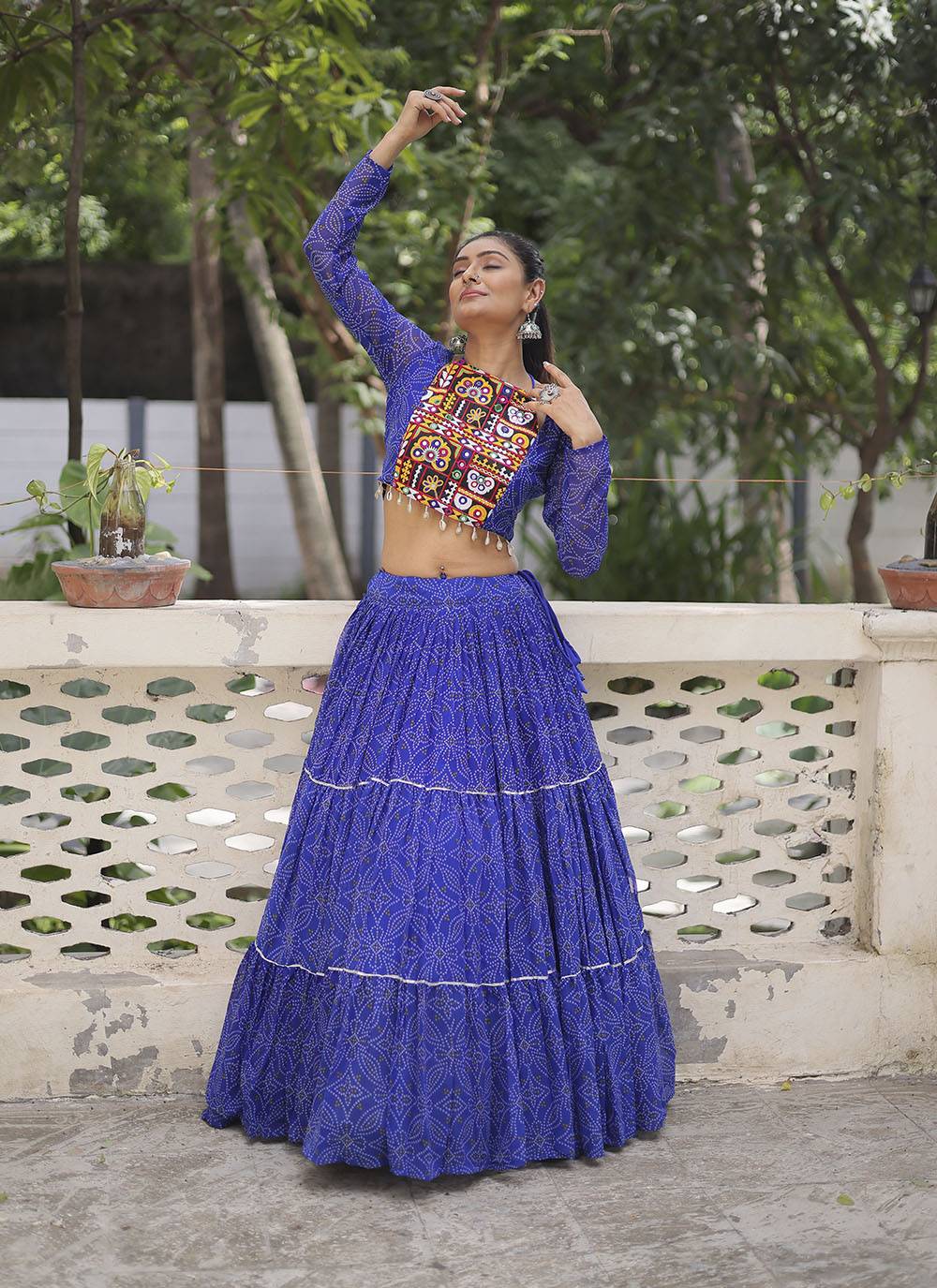
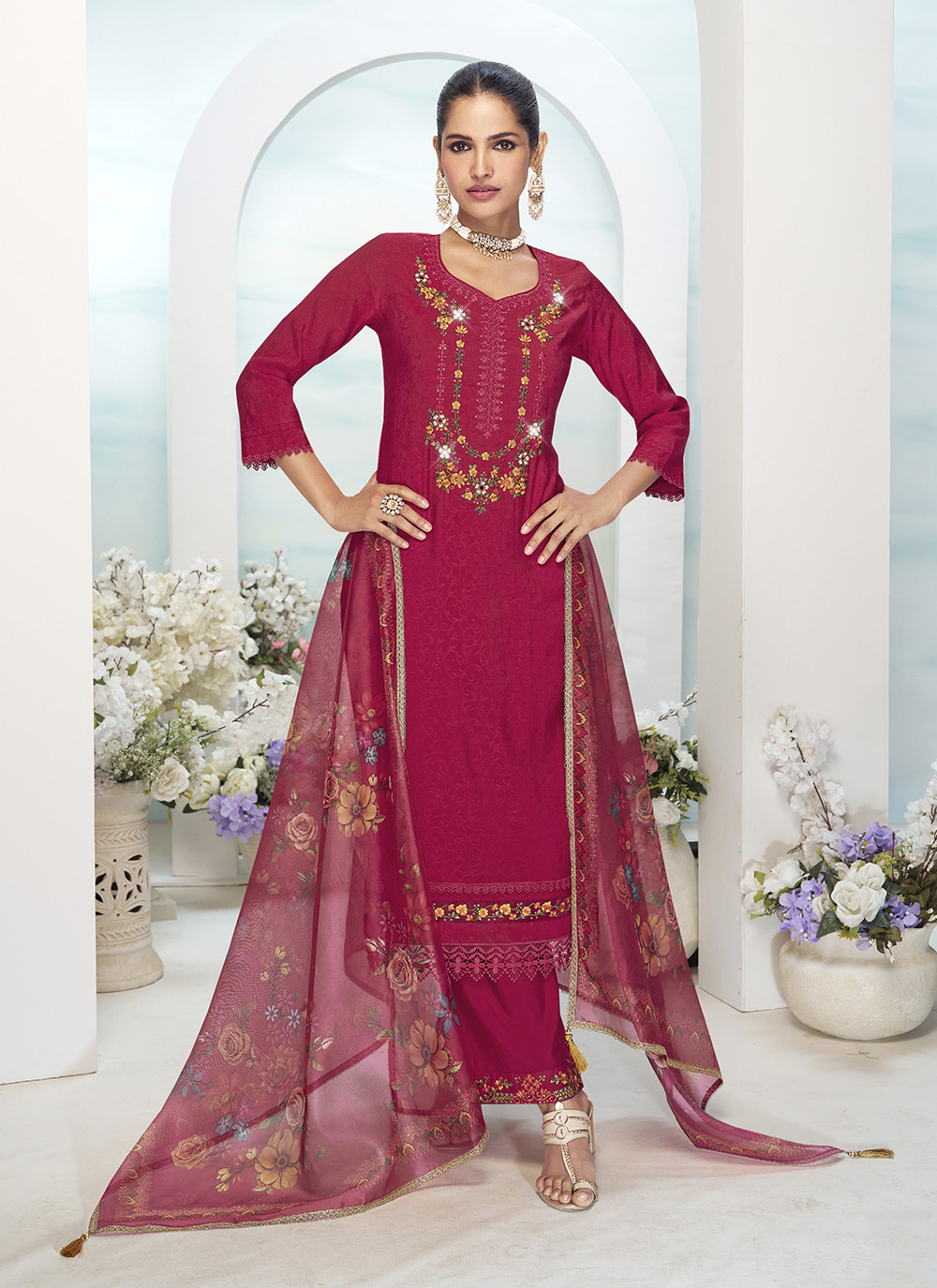
The first time a Leicester boutique owner unrolled a 118-inch net in our showroom, she stood in the doorway and said, that is a whole dupatta without a single join. Width, more than anything else in this category, is what separates useful net from frustrating net. The second thing, which she learned a season later, is that heavy sequin embroidery physically shrinks the ground it sits on. Both facts live quietly in spec sheets, and both cost buyers money when nobody mentions them.
What "Net" Covers in a Wholesale Catalogue
Net is a family, not a fabric, and wholesale quotes blur it constantly. The members that matter:
Tulle is the fine, hexagonal-mesh cloth, nylon or polyester, the bridal illusion and veil standard. It is measured in denier-like fineness and mesh count rather than GSM alone, and it runs the lightest of the family.
Soft net, the diamond-mesh workhorse of the dupatta trade, has a fuller hand, takes embroidery beautifully, and is what most "net dupatta" programmes are actually cut from. It finishes somewhere in the 40 to 70 GSM band depending on mesh and finish.
Hard net and crinoline are the structural grades, stiff enough to hold a lehenga hem's volume without hooping. They live at the firm end of the finish spectrum and are sold by stiffness as much as weight.
Power mesh and stretch nets carry elastane, recover their shape, and serve linings, sleeves and fitted overlay panels. Fishnet is the coarse fashion grade. Over all of these sits the embroidered net trade, soft net grounds carrying sequin, zari and thread work, which is the highest-value member of the family and the one Surat handles at serious volume.
Fibre matters within each member: polyester nets dominate on cost and dye fastness, nylon nets take acid dyes to richer depths, and both melt under hot tools, which is why net edges get cut with heat or laser, never unfinished with shears alone.
Width Is the First Spec to Get Right
Nets run 60, 72, 108 and 118 inches wide, and the wide formats exist because net's biggest products are square and unbroken. A full-circle dupatta wants roughly a 2.4 to 2.5 meter square of cloth, single piece. From 60-inch goods that is impossible, the circle gets joined and the join shows in net like a scar. From 108 or 118-inch goods, it cuts in one piece. Wide widths also let a long dupatta fall carry its border without a mid-length seam, and give lehenga panels taller unbroken embroidery fields.
Net also stretches under its own weight on the roll, so measure relaxed, after the roll has stood, not straight off a tensioned batch, and always ask whether the quoted width is the usable mesh width or includes the solid selvedge bands, which cut nothing useful.
The honest trade-off on width: wide goods cost more per meter, carry higher defect risk in the middle of the cloth where a trim cannot reach, and roll-build heavy, so storage and handling need planning. For square and circle products it is still worth every rupee of the difference, because a join in net is not a detail, it is the product's weak point on display.
Weight, Denier and the Hand Test
GSM across the family runs from the twenties for illusion tulle to seventy-plus for heavy soft net, and after embroidery, all bets are off, because sequin and thread work multiply the finished weight several times over. Weight therefore has to be discussed by state, ground only or fully worked, and every experienced buyer specifies both.
The hand test is faster than any datasheet. Fold a meter over your hand: soft net collapses around it, hard net stands away, and the angle at which the fabric holds itself tells you what it will do at a hem. Finishing moves this, starched and heat-set finishes stiffen the same mesh, so order finish by end use: soft finish for draping dupattas, firmer finish for veil-standing shapes and hem support.
The pull-in problem nobody budgets for
Heavily embroidered net shrinks. Every sequin row and zari stitch pulls the mesh together, and an all-over embroidered ground can pull in 5 to 8 percent, sometimes more, in both dimensions. Buy the ground at finished size without allowance and your 2.5 meter dupatta finishes at 2.3, your border lands short of the pallu end, and the shape distorts toward the heavier edge. Experienced buyers order net grounds with explicit pull-in allowance and discuss expected shrinkage with the embroidery floor before the frames are set, not after the first sample comes out small.
Embroidered Net: The Dupatta Hero
The value in this category is the work, not the ground, and the work is where quality separates. Soft net goes onto adda frames stretched with muslin backing and takes its embellishment by hand or machine: matte and glossy sequins, flat and cup shapes, bugle beads, dabka and zari threads. What matters at buying stage is weight distribution. An all-over even spread drapes evenly. A four-heavy-borders construction piles weight at the edges, and a dupatta whose edges outweigh its middle stands away from the body like a frame instead of falling over it. Neither is wrong, they are different products, but the dupatta that photographs draped on a mannequin is the one whose weight lets the cloth fall.
Colour fastness is the claim-generator. Red and maroon embroidery threads bleeding onto white or pastel net in the first wash is the classic net complaint, so run a damp white-cloth rub on a corner of every embroidery colour before dispatch. Edge finishes complete the product: scalloped edges cut by hand or sealed by laser, hand-rolled hems, or the blunt cut edge for pieces that will be finished at your end.
QC, Cutting and Packing Without Tears
Inspect net over a light table, through the mesh, not on a dark surface. You are looking for mesh evenness, dropped stitches that ladder, snags that pull diamonds out of shape, embroidery holes, and sequin attachment, where cheap work single-strings every sequin and sheds them in a season, while proper work locks each one. Cut with heat or laser so edges seal, since knitted and fine meshes run from a cut like stockings. And insist on rolled packing on tubes for anything sheer or embroidered, folded into cartons under weight. A bale-packed net arrives creased at every fold, sequins crushed at the compression lines, and no amount of showroom steaming fully recovers a crushed mesh.
One small habit worth stealing from bridal warehouses: store bolts standing on end or hanging, never stacked flat under other bolts, and keep velcro, hooks and open zips away from net shelving entirely. Half the snagging in this trade happens after inspection, in storage.
Frequently Asked Questions
What is the difference between net and tulle?
Tulle is the finest member of the net family, a lightweight hexagonal mesh used for veils and illusion work, while net in trade usually means the fuller diamond-mesh soft nets used for dupattas and overlays. All tulle is net, not all net is tulle, and quotes that use the words interchangeably should be pinned to a mesh description and a GSM.
How many layers of net does a lehenga skirt need?
For real volume without hooping, two to three layers of soft net over a base petticoat is the working recipe, with hard net or crinoline substituted into the lowest layer when the hem needs to stand. The layer count trades weight against volume, and the GSM of each layer matters as much as the count.
Does net fabric fray when cut?
Woven and fine knitted nets can run or ladder from a cut edge, which is why professionals cut net with a hot tool or laser that seals the mesh as it goes, or finish edges with rolled hems and bindings. A clean sheared edge on fine net is a ladder waiting for the first snag.
Can net fabric be dyed?
Polyester nets dye with disperse dyes under heat, nylon nets take acid dyes, and both dye well at lot level. Practically, most programmes buy white or stock-dyed grounds and put colour into the embroidery instead, because dyed grounds show lot variation through the open mesh and re-dyeing finished embroidered pieces is not realistic.
What width net should I buy for dupattas?
For square and full-circle dupattas that must cut in one piece, 108 or 118-inch goods, so a 2.4 to 2.5 meter square cuts without a join. For bordered rectangular dupattas and garment panels, 60 and 72-inch goods work, with the border running along the length and the repeat maths planned to land complete motifs at the ends.
How should net fabric be packed for export?
Rolled on tubes, never folded and baled, with tissue interleaving on embroidered grounds and cartons stacked light so sequin work is not crushed at the compression lines. Net creases set permanently under load, and crushed mesh is a write-off no inspection at destination can reverse.
If you are planning net dupattas, overlay programmes or embroidered net for bridal work, tell us the finished sizes and the embroidery weight you have in mind. We will work out the ground width, the pull-in allowance and the packing before you commit meters. Serious buyers get embroidered samples and mesh swatches first.
Sourcing ethnic wear for your business?
Our export team shares catalogues, MOQ and pricing tailored to your market — response within one business day.