The most expensive fabric in many bridal gowns is one nobody sees. Under the satin, under the beading, there is often a layer of silk organza doing quiet structural work, holding the gown's shape through a twelve-hour wedding day. Buyers who think of organza as gift-wrapping material are missing the fabric's real job, and the ones who understand it build their premium bridal and occasion programmes around it.
Why Organza Is Crisp
Organza looks like a frozen moment of sheer fabric, and it earns that character from three things working together: a plain weave, fine tightly twisted yarns, and a finishing process that sets the twist under tension.
The twist is the heart of it. The yarns are twisted far tighter than ordinary weaving yarn, in the tradition of the silk organzine yarn the fabric is named for, and when the finished cloth is heat-set or acid-finished, that twist locks into a state of permanent tension. The fabric becomes a crisp, paper-thin sheet with a dry rustle you can hear.
That rustle has a name, by the way: scroop. Run a silk organza swatch through your fingers next to a poly one and you will hear the difference before you feel it. Silk organza scroops with a dry crunch; poly organza makes a smoother, fainter whisper. It is the fastest identifier on a counter, faster even than the burn test, though you should run that too before paying.
Silk, Polyester, and the Grades in Between
Silk organza is graded in momme like other woven silks, usually 5 to 8 momme, which is roughly 21 to 34 GSM. It is warm to the touch, glows rather than shines, takes dye in soft deep pastels, and presses into knife pleats that hold for years. It is also, without embarrassment, the expensive lane.
Polyester organza is the volume lane, typically 25 to 50 GSM, and it divides into recognisable grades. Crystal organza is the high-shine, glassy standard, the most common grade in the market. Frosted or matte organza tones the shine down for a softer, more modern look, and it photographs with less glare under studio lighting, which e-commerce buyers should note. Shimmer organza weaves fine metallic threads into the ground for a sparkle that reads at distance, a favourite for stage and festive volume.
A word about the cousin: organdy is the cotton version of this crisp-sheer idea, finished with starch rather than silk's acid process, and it creases readily where organza springs back. Trade people keep them straight; casual listings often do not.
The Bridal Engineering Angle
Here is where organza stops being a trim and becomes an engineering material, the knowledge that separates bridal insiders from everyone else.
Silk organza is the standard underlining fabric in serious couture and premium bridal construction. Basted to the back of a fashion fabric like satin or crepe, it gives body and dimensional stability that no amount of interfacing achieves with less bulk. Heavy beading spread over an organza-underlined satin stays flat instead of sagging into hollows by the end of an evening. Gownmakers who quote long lead times are often doing exactly this kind of layered construction, and it is worth your buyers understanding why.
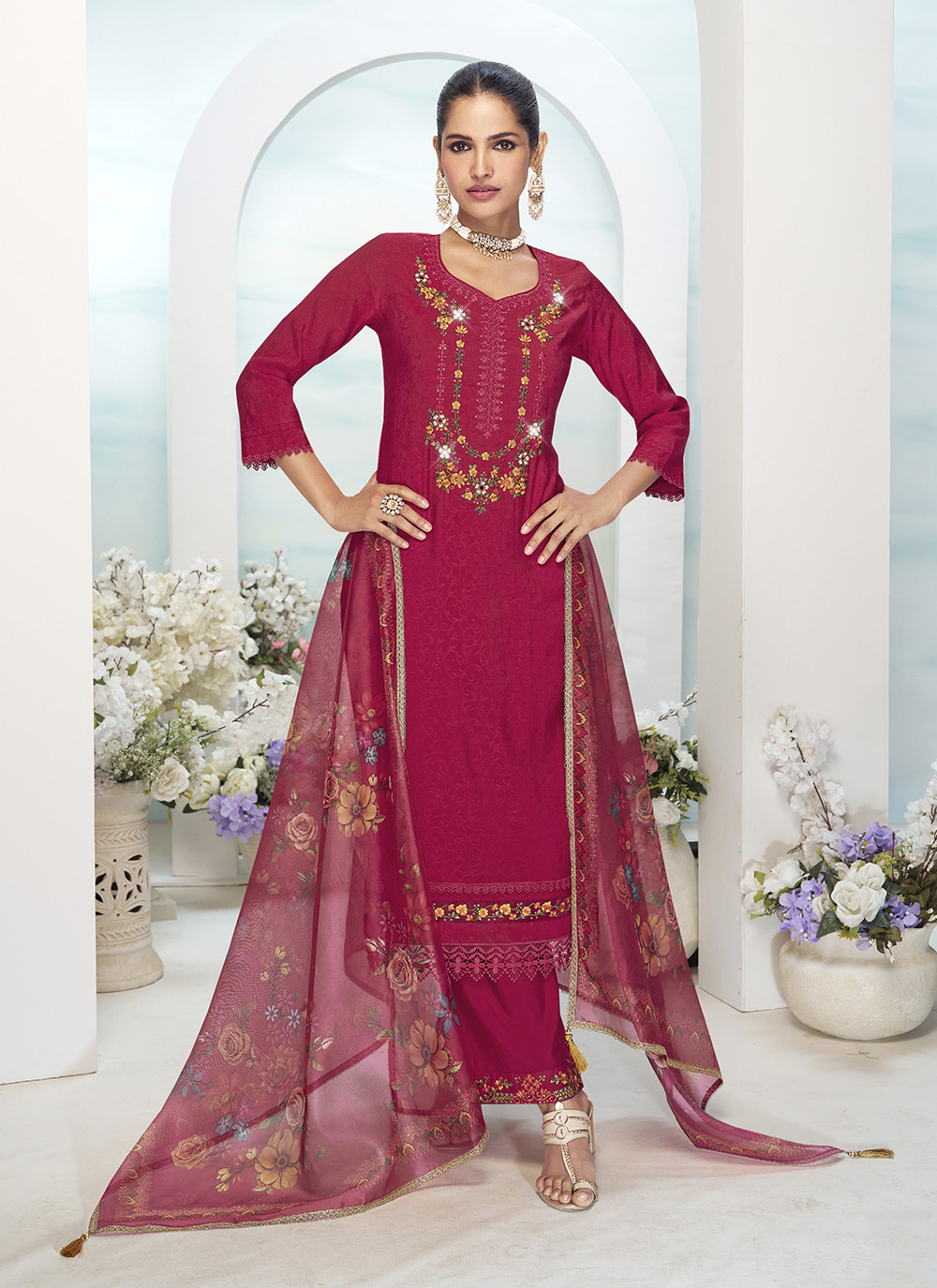
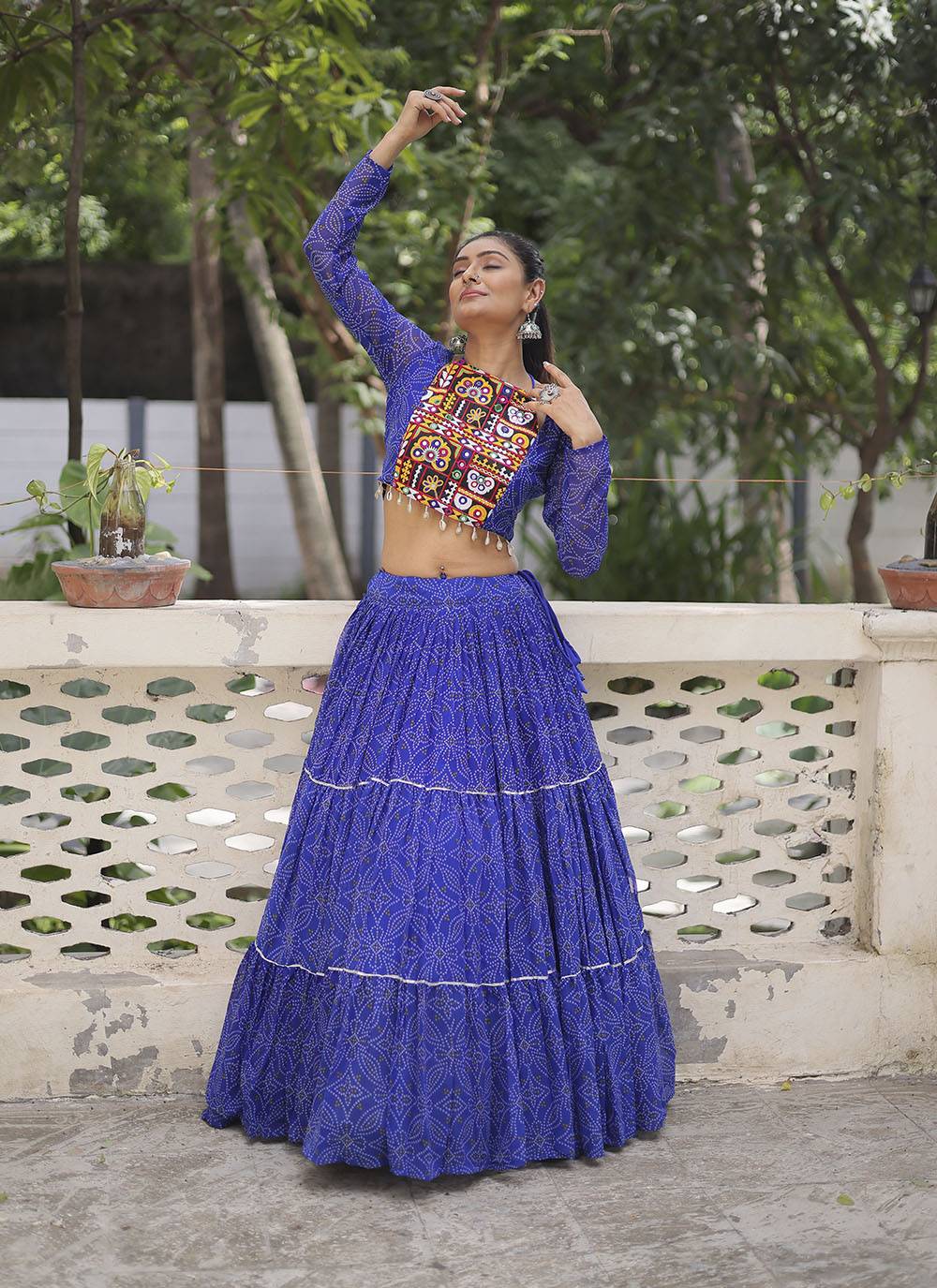
Then there is volume. An organza overskirt holds the telescopic pleats and full flare that chiffon cannot; chiffon collapses into softness while organza keeps the architecture of the silhouette. Lehenga sleeves, dupattas that hold their sculptural drape, saree pallus that stay crisp through a function, all of this is organza behaviour.
And in hand-embroidery workshops, silk organza is the classic ground for heavy zardozi and sequin panels precisely because it holds shape under the weight of the work without distorting. A embroidered silk organza panel can carry substantial metallic work and still hang true. That combination of sheerness and load-bearing is nearly unique among fabrics.
The Ethnic Trade Uses
On our order book, organza runs in five lanes: pastel organza sarees, usually with sequin buttis, which have held several seasons of steady reorder; embroidered dupattas and veil-style panels; lehenga sleeves, yokes and overskirts; gown overlays and underskirt structure; and festive packaging volumes of crystal organza for the gift trade. The pastel saree lane deserves special mention for first-time buyers: it photographs beautifully, suits younger customers, and its light weight keeps shipping costs friendly per piece.
For the Gulf and Western boutiques, dyed organza in blush, champagne and powder tones moves steadily through the wedding season, and printed poly organza carries festive volume programmes.
Cutting, Sewing and Pressing Without Tears
Organza rewards preparation and punishes improvisation, so here are the floor rules our cutting room runs on.
Cut single ply. Organza slips and shifts when doubled, and its sheerness shows every misaligned seam, so serious rooms cut it one layer at a time with tissue or pattern paper underneath for stability. It frays instantly, the instant is not an exaggeration, so seams are finished as they are sewn: French seams on visible construction, narrow overlocked hems on full circles, bias-bound edges on couture work.
Sew with a fine sharp needle, a 60 or 70 microtex, changed at the first sign of snagging, and hold the fabric taut at the machine rather than letting it push into the plate. Pressing divides by fibre: silk organza presses crisp and holds what it is told, but poly organza scorches and glazes at high heat, so keep the iron cool and test on the selvedge first.
Expect cutting loss. Between single-ply cutting, directional seams and the fraying allowance at every edge, organza programmes consume more fabric per garment than the lay plan of a cooperative cloth would suggest. Budget the waste honestly and the programme prices correctly.
Ordering Smart: Widths, Dye Lots and Packing
Two ordering details carry real money.
First, width. Silk organza weaves narrow, commonly 44 to 45 inches, while poly organza runs up to 60 inches. On a circle skirt or a wide dupatta, the extra width of the poly grade changes marker efficiency dramatically, sometimes the difference between a profitable style and one you quietly drop. Ask for width in writing with the GSM.
Second, dye lots. Pastel shades, which is most of the organza trade, show lot variation more than saturated colours do, and poly organza dyes in batches like any piece-dyed cloth. Programmes with multi-panel garments should dye to one lot, and repeat orders should reference the original lot for shade matching.
Packing: organza ships rolled or loosely folded with tissue, and poly organza creases set hard in transit, so avoid crushed compression packing. A crease across a crystal organza overskirt is a permanent design feature nobody ordered.
Frequently Asked Questions
Can organza be used for lehengas?
Yes, as sleeves, yokes, overskirts and dupattas over a lined base. Full organza lehenga skirts need firm lining and cancan support underneath. The fabric gives festive volume and translucency that no opaque cloth can imitate.
What is the difference between organza and chiffon?
Organza is crisp and holds structure; chiffon is soft and flows. Organza keeps pleats, flare and sculptural shape, while chiffon drapes close to the body. Many premium designs deliberately layer chiffon softness over organza architecture.
How do I tell silk organza from polyester organza?
Listen and touch. Silk organza has a dry rustle, called scroop, feels warm and glows softly; poly organza whispers rather than rustles, feels cool and slick, and shines harder. A thread burn test settles any doubt: silk smells of burnt hair, poly melts into a bead.
Does organza fabric fray?
Faster than almost anything on the shelf. Cut edges unravel immediately, so garment construction finishes seams as it goes, using French seams or narrow overlocked hems. Cutting rooms work single ply with paper backing for the same reason.
What GSM is organza fabric?
Silk organza runs 5 to 8 momme, roughly 21 to 34 GSM. Polyester organza runs about 25 to 50 GSM depending on grade, with the heavier end of the range feeling more like a structured sheer than a float one.
Is organza good for sarees?
Printed and sequin-work poly organza sarees have become a steady category, light to wear and inexpensive to ship. Silk organza sarees sit at the premium end with hand work. Both sell on the same crisp drape story to younger customers.
If bridal, occasion or festive volume is on your plan, tell us the silhouettes and the shelf story you are building, and we will bring the organza grades, widths and dye-lot plan to match, with swatch books for serious buyers across silk, crystal, frosted and shimmer grades. Raise an enquiry or message us on WhatsApp and we will start with samples.
Sourcing ethnic wear for your business?
Our export team shares catalogues, MOQ and pricing tailored to your market — response within one business day.