Silk for Nepali Weddings: The Premium Register That Photographs
A wedding shopper in Kathmandu holds a silk saree up to her phone camera before she holds it up to a mirror. A New Road retailer we supply learned this the hard way when a beautifully woven pastel sat unsold beside a deep maroon that photographed like jewellery. Now she tests every bridal delivery under the shop's harshest white light before she accepts it.
What the Nepal Wedding Shelf Actually Carries
A Nepali wedding shelf is tiered, and each tier buys differently. The bridal tier at the top carries the heaviest zari and the most serious fabrics, bought once and deliberated over for weeks. The family tier follows, for mothers, sisters and the ritual roles that Nepali weddings assign with precision. The guest tier is the volume engine: receptions in Kathmandu, Pokhara and Biratnagar put hundreds of people in new clothes, and most of those outfits are bought in the weeks between the invitation and the date.
demand concentrates in the November to February season, and the wholesale trade around New Road and Setopul in Kathmandu plans its year around it. What that shelf carries under the silk label is mostly Banarasi-style: brocade grounds, zari borders, woven pallus, the register that reads as wedding at first glance.
Explore towel manufacturing and wholesale sourcing opportunities in India with Ajmera Fashion Limited. Learn about cotton towels, terry towels, hotel towels, bulk purchasing, quality standards, MOQ and key factors for selecting a B2B towel supplier.
Silk is the premium register of a Nepali wedding shelf, and most of it is Banarasi-style art silk from Surat. This guide covers zari quality, photography under reception light, moisture care and the import calendar for bridal fabric.
Ajmera Export 28 Jul 20269 min read
Silk fabric Nepal
Banarasi-Style Silk for Nepal: Borders That Read
Most Banarasi-style silk reaching Nepal at wholesale volume is woven in Surat, on powerlooms, across the city's mill clusters. Varanasi handlooms weave the prestige pieces, and nobody in this trade would pretend otherwise, but the metres that stock the wedding shelves of a hundred Nepali towns come out of Surat's weaving sheds in a fraction of the time. Banarasi silk Nepal buyers should simply know which they are being offered, because the words are used loosely.
The technical detail that decides value is the zari. Borders and pallus are woven with metallic thread, and its grade decides both how the saree photographs and how it ages. Ask your supplier about zari grade in plain terms: what the thread is made of, how it is finished, and how it behaves after a year in a shop drawer. A supplier who answers comfortably is weaving with intention. One who changes the subject is buying whatever the market had that week.
Art Silk Economics Versus Pure Silk
Art silk means artificial silk, and at Nepal retail volume it is usually viscose or polyester given a silk-like sheen. Here is the structure that matters: pure mulberry silk costs multiples of art silk per metre, demands careful dry cleaning, and behaves like the heirloom it is. Art silk delivers the sheen and the drape at a fraction of that structure, holds zari work without distorting, and survives a wedding season's handling.
That is why most Banarasi-style sarees sold across Nepal are art silk or silk blends, and why the pure silk tier sits at the bridal trousseau end of the shelf. Wedding silk import planning is really tier planning: a small pure silk assortment for deliberating brides, and a deep art silk assortment for everyone the bride loves. Retailers who invert that mix end the season with beautiful stock and thin sell-through.
How Silk Photographs Under Reception Light
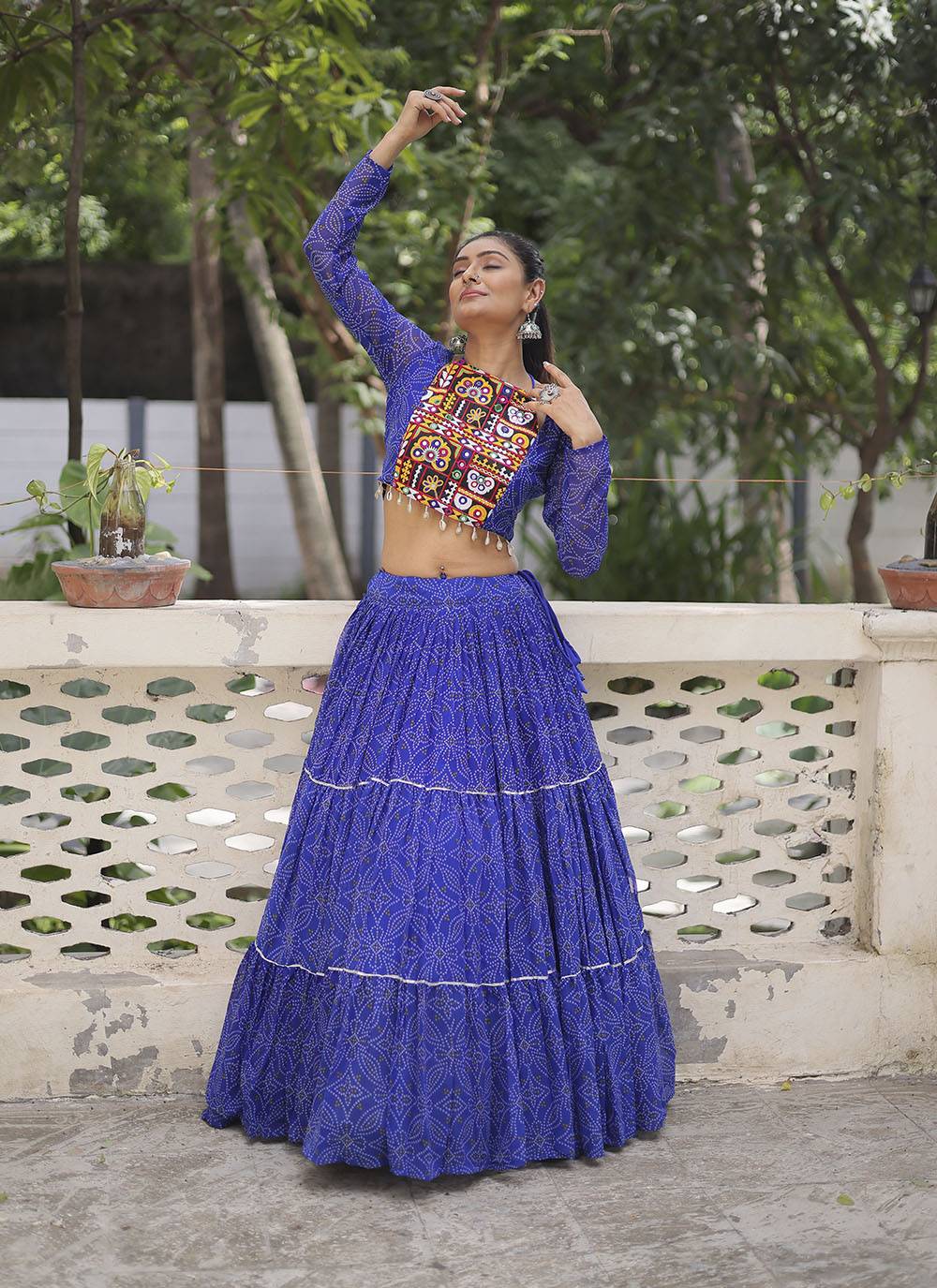
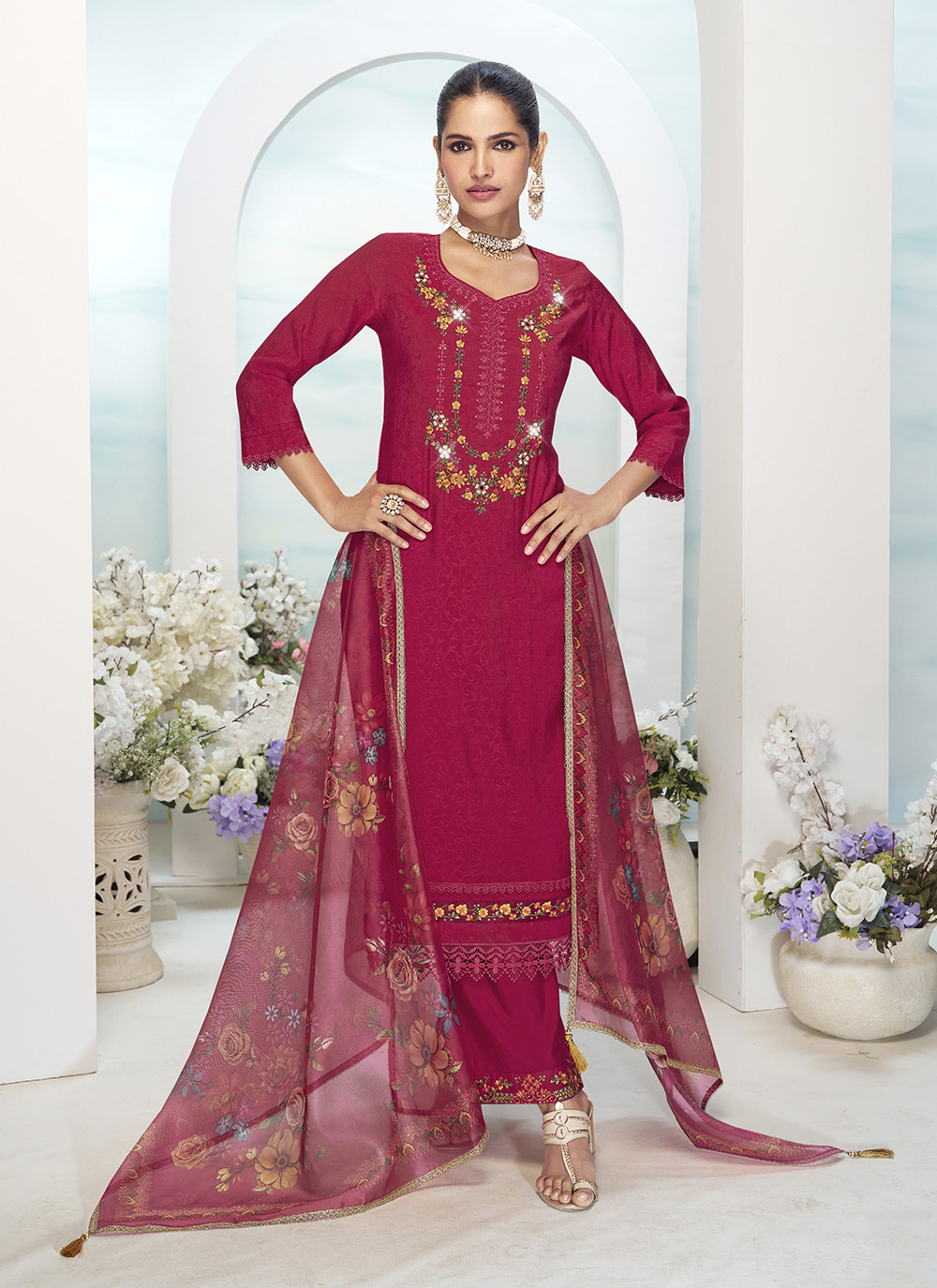
Nepali wedding receptions happen under a mix of warm chandeliers and hard spotlights, and every guest in that hall is a photographer. What reads on a phone camera is contrast, not subtlety. Deep grounds with metallic borders photograph reliably: maroon with gold, emerald with antique zari, navy with silver. Tone-on-tone pastels, which look expensive in daylight, can flatten under flash.
This is why the deep register dominates Nepali bridal counters, and it is not tradition alone that keeps it there. Pastels sell for daytime functions and engagement shoots, and a modern assortment carries both. The test we recommend to every retailer: photograph the piece under your shop's brightest light with the flash on. If the border disappears, your customers will discover the same thing at the venue, after buying, when it becomes your problem.
Moisture, Monsoon and Zari Care Realities
Kathmandu's monsoon months bring humidity that quietly attacks zari. Metallic thread can tarnish when stored in sealed plastic through a damp season, and the customer who discovers dulled borders a year later blames the shop, not the storage. The remedies are unglamorous and they work: wrap zari silks in muslin or cotton rather than sealed plastic, keep them away from the damp wall side of the stock room, and rotate the shelf so no piece sits folded in the same crease for months.
For the sales counter, the honest line to give customers is dry clean only, and the first clean before any home pressing. Steam and zari are a poor combination; the shine dulls and does not come back. Retailers who pass these care notes along build the quiet trust that makes the second saree sale automatic.
Importing Wedding Silk: Timing the Season
Wedding-season silk needs the longest runway of any Nepal programme. Heavy zari weaves run slower on looms than prints run through processing, and the autumn crush for Teej, Dashain and Tihar stock means every loom in Surat is committed by late August. A wedding programme confirmed in September is asking for slot priority that does not exist.
The rhythm that works: confirm bridal and family-tier silk by mid-summer, guest-tier art silk by early autumn, and plan a December fill-in buy for sell-through gaps, which the land route makes genuinely possible. Trucking from Surat to Birgunj runs three to six days, so a December reorder placed with a supplier who holds your spec can still land for a January wedding. Bridal fabric wholesale planning is calendar discipline more than anything else.
Ajmera Export: Your Trusted Wedding Silk Partner for Nepal
We weave and trade Banarasi-style silk programmes from Surat for Nepal's wedding shelves: heavy zari borders and pallus for the bridal tier, art silk grounds for the guest volume, and the deep photographic register that sells under reception light. Zari grades are discussed plainly, with no mystery around what a border is made of, and lots are inspected for weaving faults and shade continuity before packing. We plan the November to February calendar backwards from your shelf dates, including the December fill-in window that land-route transit makes possible. Pricing is enquiry-only and prepared against your tier structure, and sample cuttings with zari references go to serious buyers before any bulk commitment.
Why Businesses Choose Ajmera Export
Banarasi-style depth: zari borders, woven pallus and brocade grounds at wholesale programme scale
Zari-grade transparency: plain answers on thread grades and how they age
Reception-light thinking: assortments weighted toward shades that photograph under venue lighting
Season-calendar discipline: bridal, family and guest tiers timed to the Nov-Feb window
Enquiry-only pricing: quotes built around your tier structure, never displayed
Frequently Asked Questions
Which silk fabric is best for Nepali weddings?
For the bridal tier, pure silk or top-grade art silk with heavy zari borders. For the guest tier that carries the volume, art silk Banarasi-style sarees deliver the sheen and drape at a structure pure silk cannot match at scale. Deep grounds like maroon, emerald and navy with metallic borders photograph best under reception lighting.
Is Banarasi silk for Nepal woven in Surat or Varanasi?
Both exist, and the label is used loosely. Varanasi handlooms weave prestige pieces at long lead times. The wholesale volume that stocks Nepali wedding shelves is overwhelmingly Banarasi-style weaving from Surat's powerloom clusters, faster to produce and structured for programme orders. Ask your supplier directly which you are being quoted; honest ones answer without pausing.
What is art silk and is it good for wedding sarees?
Art silk is artificial silk, usually viscose or polyester with a silk-like sheen. It holds zari work without distortion, drapes well, and survives wedding-season handling better than most customers expect. Most Banarasi-style sarees retailed across Nepal are art silk or blends. Pure silk remains the bridal trousseau tier, chosen for lustre rather than volume.
How do I check zari quality before ordering wedding silk?
Ask what the metallic thread is made of and how it behaves after a year of storage, because zari grade decides both appearance and ageing. Request zari reference samples with your cuttings, and test them against your shop lighting, not just daylight. Suppliers who weave with intention answer these questions in plain terms and keep references on file.
When should wedding silk be ordered for the Nepal season?
Wedding season runs November to February, and heavy zari weaves need the longest production runway. Confirm bridal-tier silk by mid-summer and guest-tier art silk by early autumn, before the Teej and Dashain crunch locks up loom capacity. A December fill-in order is realistic on the land route if your supplier holds your specification.
How do I store zari silk sarees in Kathmandu's humidity?
Wrap them in muslin or cotton rather than sealed plastic, because zari can tarnish in trapped humidity during the monsoon. Keep stock away from damp walls, rotate folded pieces so creases do not set, and advise customers of dry-clean-only care. A little storage discipline prevents the dulled-border complaints that surface a year later.
Which silk colours photograph best at wedding receptions?
Contrast photographs, subtlety does not. Deep maroon with gold, emerald with antique zari and navy with silver read reliably under mixed warm and spot lighting, and on phone cameras with flash. Pale tone-on-tone pastels can wash out at venues even when they look expensive in daylight, so position them for daytime functions and engagement shoots.
Do I need a Certificate of Origin to import silk into Nepal?
Yes, for smooth clearance. Under the Indo-Nepal Treaty of Trade, Indian-origin goods meeting origin criteria receive preferential customs treatment, and the Certificate of Origin is the proof. Any supplier experienced with Nepal prepares it routinely. Hesitation over that document set is a warning sign about their actual export experience.
Can bridal and guest-tier silk ship in one Nepal consignment?
Yes, and it is usually smart logistics. One consignment carrying the bridal assortment, family-tier pieces and guest-tier art silk travels under one document set through Birgunj, saving handling and paperwork cycles. Keep the tiers clearly separated in the packing list so your customs entry and your own shelf allocation both stay clean.
How much wedding silk should a new Nepali retailer stock?
Start tiered rather than deep. A small bridal assortment for deliberating customers, a moderate family tier, and a deeper guest-tier art silk programme, because guest volume carries the season. Land-route transit of three to six days means a December reorder can still serve January weddings, so depth can be added mid-season rather than gambled upfront.
Conclusion
Wedding silk is the premium register of a Nepali retail year, and it rewards buyers who understand tiers, zari grades and how fabric behaves under reception light. We supply Banarasi-style programmes from Surat with plain-spoken zari answers, season-timed production and packing built for the hill road. If you are planning a wedding-season assortment, message us on WhatsApp or use the enquiry form, and we will send sample cuttings with zari references so your first order rests on evidence rather than catalogues.
Explore 10 textile manufacturers in Surat for B2B fabric sourcing, including woven fabrics, synthetic textiles, denim, sarees, dress materials and processed fabrics.
Velvet concentrates almost all of its Nepal sales into a short winter window in the hill cities. Here is how weights, colours and packing decisions decide whether that window pays for the truck.