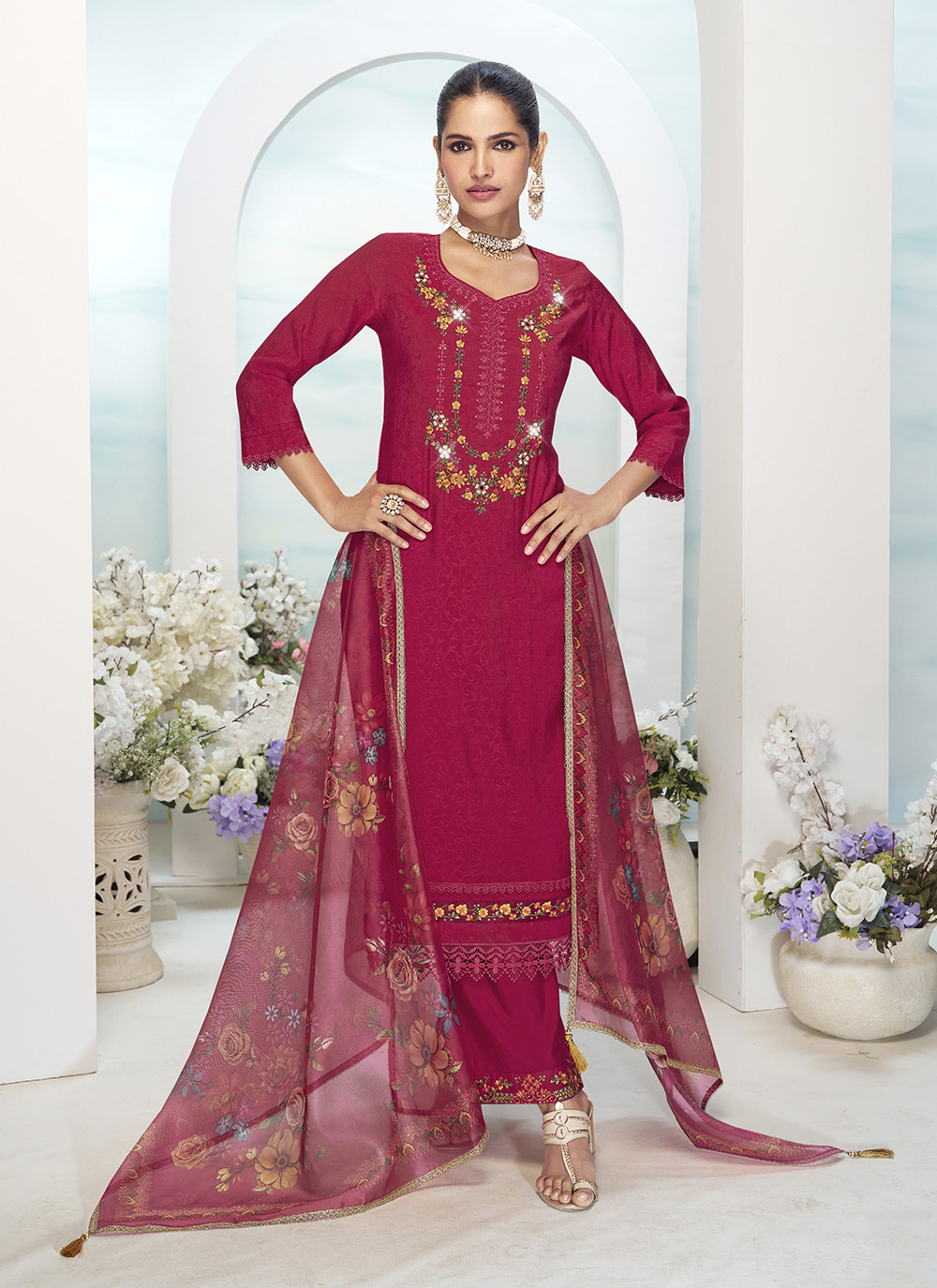
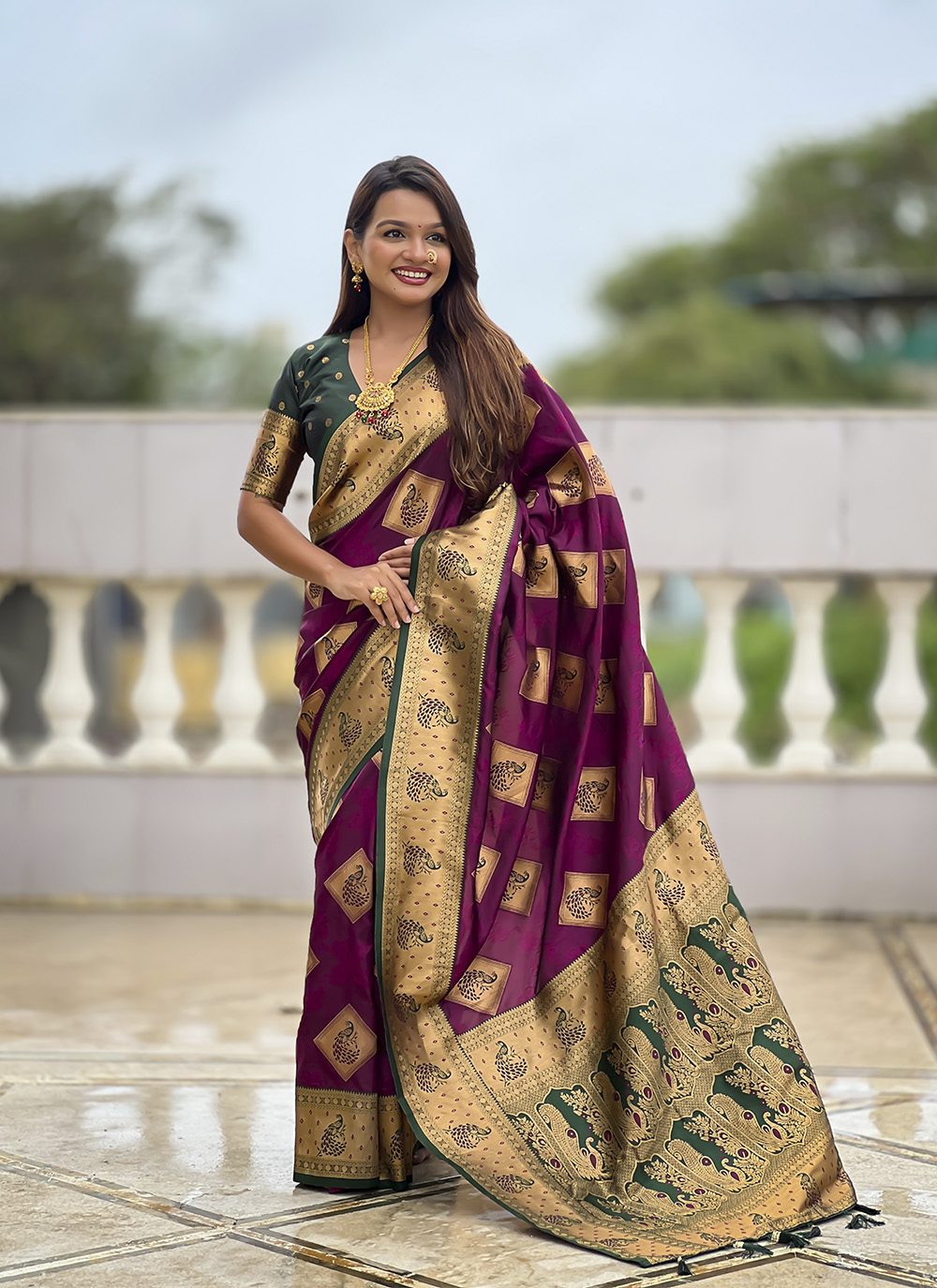
Surat's Dyeing Cluster — Why Colour Consistency Is a City-Wide Skill
A Dubai atelier once told us their repeat order arrived in "the same red, but not the same red." That sentence is the single best description of dyeing we have ever heard from a buyer. The fabric dyeing Surat does at city scale exists precisely to kill that problem, and this is how it works.
A Cluster Mapped by Water
Pull up a map of Surat's textile processing cluster and you are reading the river. Dyeing is a wet process, historically a thirsty one, and the industry grew up along the Tapi and the industrial estates that follow the water south of the old city: Pandesara GIDC first, then the Palsana corridor, and the large estates at Sachin GIDC further out. That geography still decides which dye house your fabric reaches, because transport costs and machine availability shape daily routing as much as any quality logic.
The map has been redrawn once in recent memory. Environmental enforcement pushed the cluster towards common effluent treatment plants and, on the processing corridor, zero liquid discharge norms, which closed the careless operators and concentrated volume into the organised estates. The trade-offs were real: compliance raised the cost structure of every lot processed in the cluster. The upside for buyers is also real, because a supplier whose dye house runs inside a compliant CETP estate is a supplier whose fabric story survives scrutiny in markets that ask such questions.
Colour consistency across repeat orders is not one factory's achievement; it is a cluster habit built over decades. A tour of how the Surat dyeing industry actually works, from grey fabric in to shade-checked lots out.
Ajmera Export 10 Aug 20267 min read
Polyester Sets the Rules
Fabric dyeing Surat style is mostly polyester dyeing, and polyester will not simply sit in a warm bath like cotton. It takes disperse dyes locked in under high temperature and pressure, around 130 degrees Celsius in the HT, high-temperature, machines that dominate these estates. After dyeing, polyester grounds pass through heat-setting on stenters, running at temperatures near 200 degrees, which fixes the fabric's dimensions so a saree does not twist in the wash and a kurti panel stays true to its marker.
Cotton and viscose follow the gentler route: reactive dyes on jigger machines for the flat goods, soft-flow machines for the delicate viscose georgettes and chiffons that tangle under tension. A serious dye house holds both machine parks, because the city's product mix uses both. When a buyer's programme spans a polyester saree line and a viscose kurti line, they are not one process with two fabrics. They are two processes with two disciplines, and the lot planning has to respect that.
How a Lot Actually Moves
The unit of dyeing is the lot, and the lot is the thing your entire shade life depends on. Grey fabric arrives from the greige markets, gets scoured and bleached, then loaded into machines in batches sized to the vessel. A jigger takes its metres per batch, a soft-flow machine takes its kilos per cycle, and a high-temperature vessel takes its own weight. Cycle times run hours, not minutes, and the estates run three shifts, because a dye house standing still is a dye house losing fixed cost.
Practical turnaround for a standard lot, grey in to finished fabric out, is a few working days once the shade is approved. What stretches timelines is never the dyeing itself; it is the approvals in front of it and the queue in the middle of it. Peak wedding season loads every machine in the corridor. A supplier who plans lots around the calendar is worth more than one who quotes optimistic days.
The Shade Discipline
Here is the part buyers cannot see from abroad, and the part that separates the city's good desks from its average ones. Every colour begins as a lab dip, a small dyed swatch offered in three or four variations so you can pick the one that matches your reference. The lab dip is dyed under ideal small-batch conditions. Bulk never exactly matches lab, and the honest dye houses tell you so instead of pretending. The skill is holding the drift inside a band your customer cannot see on the rail.
Metamerism is the trap in the middle. A red matched under warm tungsten light can walk away from its swatch under cool daylight, so serious buyers and serious dye houses approve shades under standardised daylight lamps, D65 in the trade's shorthand, sometimes cross-checked under the cool store lighting known as TL84. Then the discipline moves to packing: fabric from different dye lots goes into the shipment marked lot-wise, so your cutting room can cut single garments from single lots rather than splitting a bodice across two dye batches.
What to Ask a Supplier About Dyeing
Our short list for any buyer qualifying a Surat supplier, built from the questions we would ask if the roles were reversed:
Does the supplier dye in-house or job-work? Both are normal here, but job-work means shade control lives in the relationship with the dye house, not in a plant you can audit.
What is the realistic maximum single lot for your order's shade? Two thousand metres in one lot behaves differently from two thousand metres split across five.
Are lab dips approved under D65, and can you cross-check under store lighting?
Is bulk packed lot-wise with lot numbers on the packing list, so claims can be traced?
What happens on a rejected shade: who pays for the re-dye, and how fast does it run?
One honest admission from our floor: re-dyes happen. A small percentage of lots every season miss the approved shade badly enough to go back in the vessel. The good houses do not pretend otherwise; they catch it before dispatch, own it fast and re-run it inside the schedule. The bad ones ship it and argue. Ask any supplier this exact question and listen to which answer you get.
Frequently Asked Questions
Why do dye lots differ even in the same order?
Dyeing is chemistry inside moving machinery, not printing a page. Machine load, water condition, dye batch and cycle timing all shift slightly lot to lot. Within tolerance this drift is invisible on the rail, which is why the trade works in approved shade bands rather than demanding impossible perfection.
What is a lab dip and why does it matter?
A lab dip is a small swatch dyed to your colour reference, offered in a few variations for approval before bulk. It is the point where you lock the shade, and approving it under the right lamp, daylight-standard D65, protects you from colours that only match under one kind of light.
Can I dye small quantities or is there a minimum?
The job-work culture of the Surat dyeing industry means small lots run constantly alongside large ones. Very small runs carry their own constraint: minimum viable machine load. Split planning, where your small order joins compatible shades, is the standard solution.
How fast is dyeing turnaround in Surat?
Standard lots move from grey to finished in a few working days once shade approval exists. Realistic planning includes lab dip days, machine queues and peak-season congestion, so build the front-end approvals into your calendar rather than the dyeing itself.
What is a CETP or zero liquid discharge, and why should I care?
A common effluent treatment plant pools wastewater from many processing units for treatment, and zero liquid discharge norms push treated water to reuse rather than release. For buyers, processing inside a compliant estate means your supply chain story holds up when sustainability questions arrive from your own customers.
Can you match my own custom shade, not a catalogue colour?
Yes. You send a physical swatch or an approved Pantone-style reference, the lab builds dips around it, and you approve one. Physical references beat screen colours every time, because screens lie about red and about deep blues more than any other shades.
If your programme lives or dies on repeat-order colour, it is worth talking to a desk that treats shade as a discipline rather than a hope. We run lab dips under proper lamps, pack lot-wise by default and will tell you plainly which of your colours are stable repeaters and which are drifters. Send your swatches and target quantities on WhatsApp and we will begin there.
surat dyeing industryfabric dyeing surattextile processing cluster
Sourcing ethnic wear for your business?
Our export team shares catalogues, MOQ and pricing tailored to your market — response within one business day.
Delhi designs and Mumbai finances, but the metres themselves are decided in Surat. A look at why one Gujarati city out-manufactures both metros and what that means for your sourcing.
A first-time buyer's walking plan for Surat's market belt, from the Surat Textile Market complex to Ratan Firdous and Bombay Market. Covers how to structure two days, who you are actually talking to in each seat, and the etiquette that gets you treated as trade.