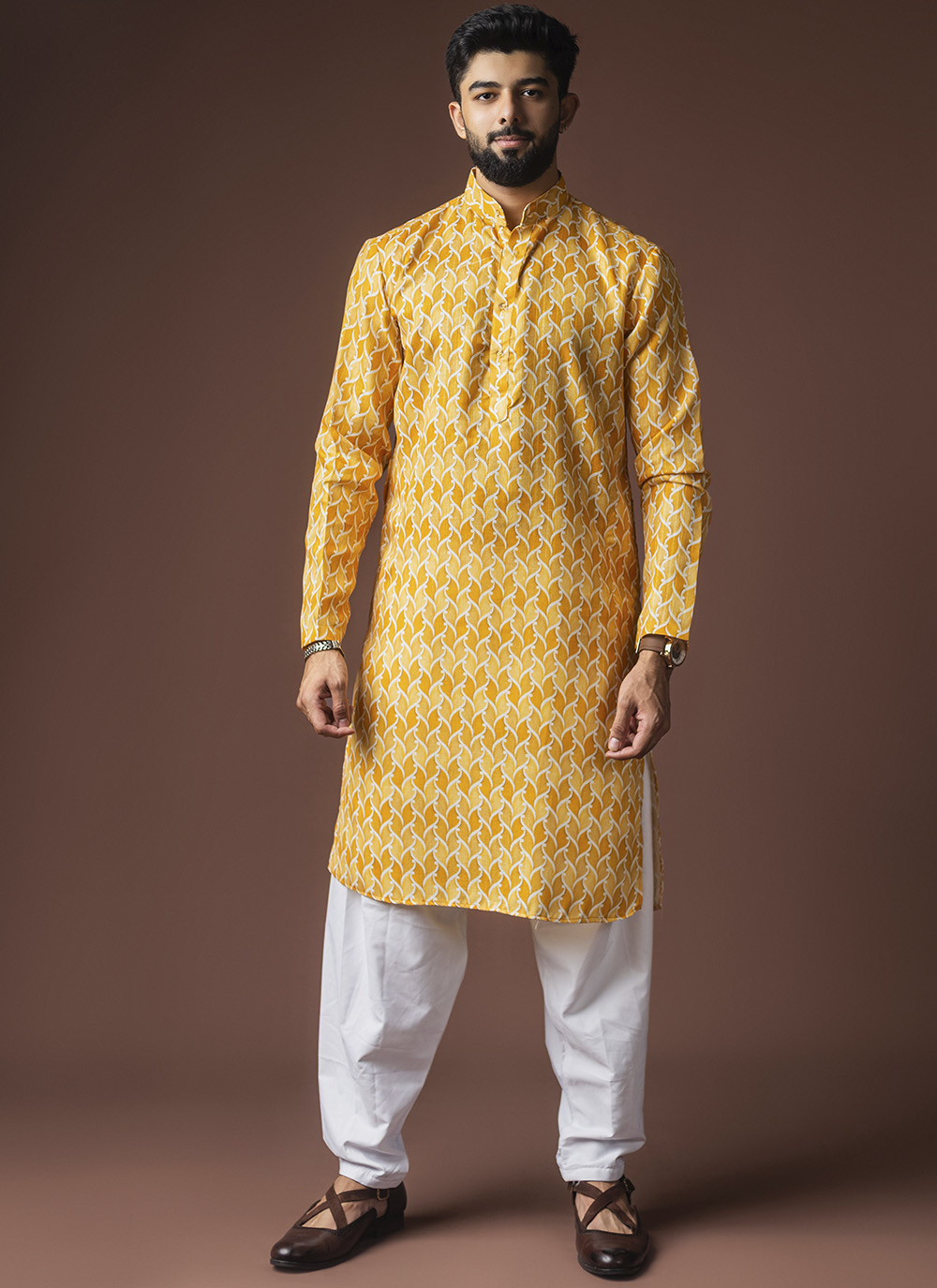
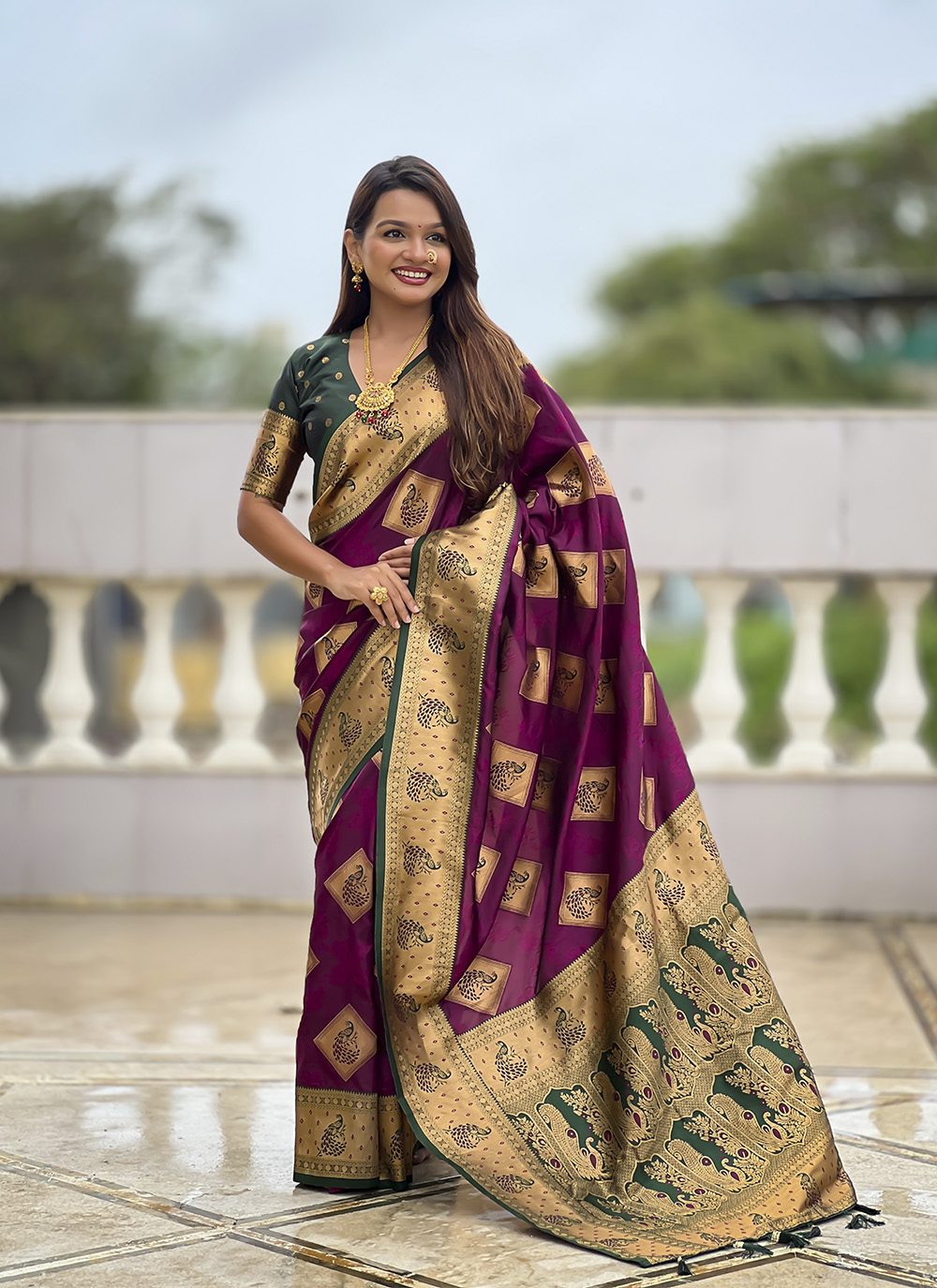
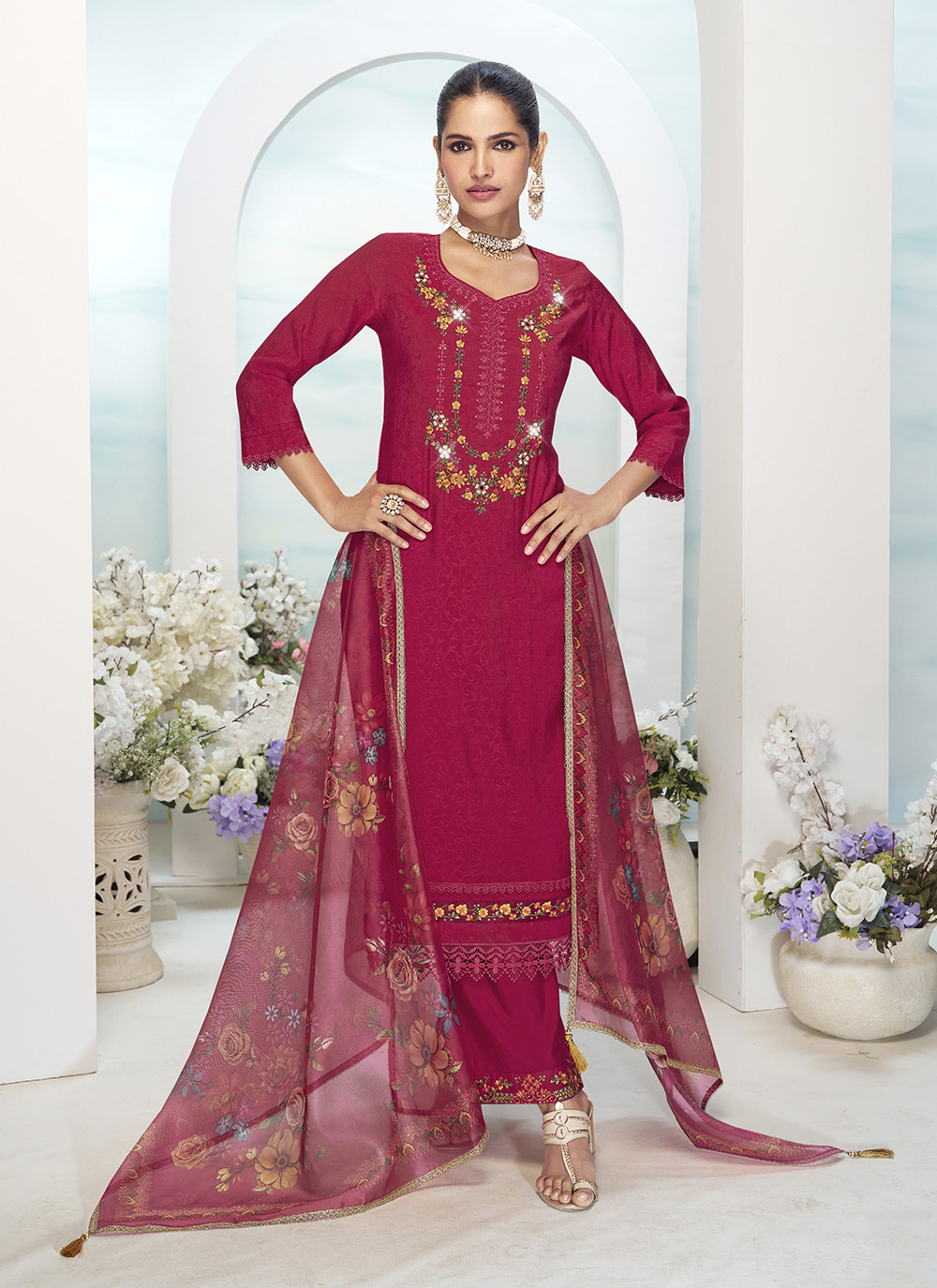
Inside Surat's Lehenga Market — Where Bridal India Actually Sources
A bridal boutique owner from Delhi once found her best-selling "in-house design" hanging in a Ring Road showroom under a catalogue number, three colourways deep. She rang us that evening, half scandalised, half relieved. Once you accept that bridal India sources in Surat, the question stops being whether and becomes how.
Where the Bridal Trade Actually Sits
The lehenga wholesale Surat runs on is concentrated along the Ring Road belt and the big market compounds just off it. Millennium Textile Market and its neighbours carry dedicated lehenga floors, and Bombay Market over towards Umarwada has whole halls where bridal and semi-stitched collections hang by the rail. This is not boutique browsing. Showrooms work on catalogue numbers, hanger racks organised by collection, and swatch cards for embroidery and border options.
The rhythm of the market follows the wedding calendar. Serious domestic buyers tour between July and September to lock their November-to-February season stock. Gulf buyers, who need bridal weight across more of the year, come whenever their flight schedule allows, though they also cluster ahead of the Gulf wedding peaks. If you arrive in October expecting unhurtered attention, you will be competing for it with half the wedding retail industry of two countries.
Most bridal lehengas sold across India and the Gulf begin life in Surat's markets and embroidery halls. A working guide to how the trade is organised, what the lehengas are made of, and how to buy it well.
Ajmera Export 14 Aug 20267 min read
The Fabric Stack of a Surat Lehenga
Ask for the construction sheet of a good Surat bridal lehenga and you get a stack, not a fabric. A typical heavy piece runs gaji satin or raw-silk-style base for the skirt panels, a jacquard or embroidered border running metres along the hem, net or organza overlays, a velvet or brocade waistband, canvas interlining to hold the flare, and a cancan crinoline underneath that eats more shipping volume than the outer fabric ever does.
Weights matter to freight people before they matter to brides. A lightweight printed lehenga for a sangeet function might use 80 to 100 GSM georgette with light sequence work. A bridal showpiece stacks base, lining, interlining and dense embroidery until the piece carries real weight in the hand and bulk in the carton. On our floor we plan packing around the cancan more than around anything else, because the stiff layers refuse to compress.
Machine Base, Hand Crown
Here is something first-time bridal buyers rarely know: nearly every export lehenga out of Surat is a hybrid of two workforces. The fills, the all-over jaal and the repetitive scallops run on multi-head embroidery machines in the halls around Umarwada, Bhestan and Pandesara. Then the piece travels to karigar workshops where hands finish the parts machines cannot do justice to: the zardozi raising on the border, the stone setting on the blouse, the pearl couching along the dupatta edge.
This is not a cost-cutting compromise, whatever the marketing copy says elsewhere. It is how you get both density and life in one garment. Machine work delivers uniform coverage at a pace no hand can match. Hand work delivers tension, direction and the slight organic variation that reads as richness under showroom lighting. The best bridal output of this city has always been a collaboration between the two.
Catalogue, Custom and the Designer Economy
The catalogue business and the custom business coexist in the same corridors, and it helps to know which one you are actually in. Catalogue buying means selecting from running collections, choosing colourways from swatch cards, and often adjusting sleeve or border options on a booked order. Custom programmes mean your sketches, your trims, your fit blocks, and a sampling cycle before anything is booked.
A large share of designer-label bridal wear in India involves Surat manufacturing at some stage, often invisibly. We are careful about how we say this, because the labels have their own story to tell their customers. What we will tell buyers is this: judge a piece on its construction and finishing, not on the story attached to it, and do not be surprised when the same embroidery unit's signature tension shows up under two different labels. The one-of-one narrative is, in part, theatre. The stitching is real, so grade the stitching.
Export Realities: Weight, Volume, Packing
Bridal consignments pack differently from every other category we ship. A hundred sarees fit comfortably in one export carton; the same carton might hold twenty to twenty-five heavy lehengas, and even that depends on the cancan. Flat packing with poly sleeves protects the embroidery, but hanger packing in garment boxes preserves shape for pieces that will go straight onto a boutique rail after a steam.
For boutiques, we build in a post-transit steam and finish instruction, because three weeks inside a carton flattens even excellent embroidery. For bridal rush orders there is air freight, and our honest note on that: air makes sense for an actual bride with an actual date, not for stocking shelves. For shelf stock, sail. A sea shipment leaving on schedule reaches UK and East Coast destinations comfortably within the usual 4 to 6 weeks at sea, and the margin you save belongs on the piece, not in the freight line.
Buying Calendar and Reorder Logic
Indian wedding season runs November through February, with a secondary window after the monsoon. Sangeet and garba-driven demand spikes around Navratri in September or October, depending on the lunar calendar. Gulf bridal demand is steadier across the year, which is why the Surat lehenga market never fully sleeps.
Reorder logic is where Surat earns its keep. Catalogue pieces reorder in four to six weeks by sea, sometimes faster when the embroidery halls are not in peak. Custom programmes need a sampling cycle first, so a serious boutique plans its custom bridal window about three months ahead of need. The buyers who do best here treat their first order as an audition and their second order, placed early, as the real profit cycle, because by then the supplier knows their colour instincts and their fit blocks.
Frequently Asked Questions
Where exactly do boutiques buy lehengas in Surat?
The Ring Road market belt and Millennium Textile Market carry dedicated lehenga floors, and Bombay Market near Umarwada has halls specialising in bridal and semi-stitched ranges. Serious buyers book showroom appointments in advance, especially for the July-to-September window before the Indian wedding season.
Can I order custom bridal lehengas with my own designs?
Yes. Custom programmes run from your sketches, trims and fit blocks, with a sampling cycle before bulk booking. Expect the full custom route to need around three months of lead time, and expect a good desk to push back on details that will not survive wear or freight.
Can I put my own label on Surat lehengas?
Most export buyers do. Labelling, tagging and packing specifications are standard parts of an export order here. What we always add: get the construction right for your market's labelling rules, and be honest in your own marketing about what the piece is.
How are lehengas packed for export?
Heavy bridal pieces pack flat in poly sleeves, roughly twenty to twenty-five per carton depending on cancan bulk, with stiffer garment boxes used for pieces that must reach a rail in display condition. Every bridal consignment should be planned for a steam and finish after transit.
What is the minimum order for lehenga wholesale?
Minimums in the catalogue business are genuinely flexible because the job-work network absorbs small runs. Custom programmes carry higher effective minimums through the sampling cycle. The honest answer is that the number depends on the collection and the calendar, so ask with your actual volumes in hand.
How far ahead should I order for wedding season?
Indian wedding season stock should be ordered by July to September for the November-to-February window. Gulf programmes can run later into the year. Custom bridal work for any market needs the sampling cycle added on top, so start three months before you need goods on the shelf.
If bridal is your category, it is worth seeing this market once with your own eyes. We host buyers through the showrooms, the embroidery halls and the karigar workshops, and we send samples ahead of any serious programme so you can judge finishing before you judge anything else. Tell us your market and your wedding calendar on WhatsApp, and we will plan the rest around it.
surat lehenga marketlehenga wholesale suratbridal lehenga surat
Sourcing ethnic wear for your business?
Our export team shares catalogues, MOQ and pricing tailored to your market — response within one business day.
Delhi designs and Mumbai finances, but the metres themselves are decided in Surat. A look at why one Gujarati city out-manufactures both metros and what that means for your sourcing.
A first-time buyer's walking plan for Surat's market belt, from the Surat Textile Market complex to Ratan Firdous and Bombay Market. Covers how to structure two days, who you are actually talking to in each seat, and the etiquette that gets you treated as trade.