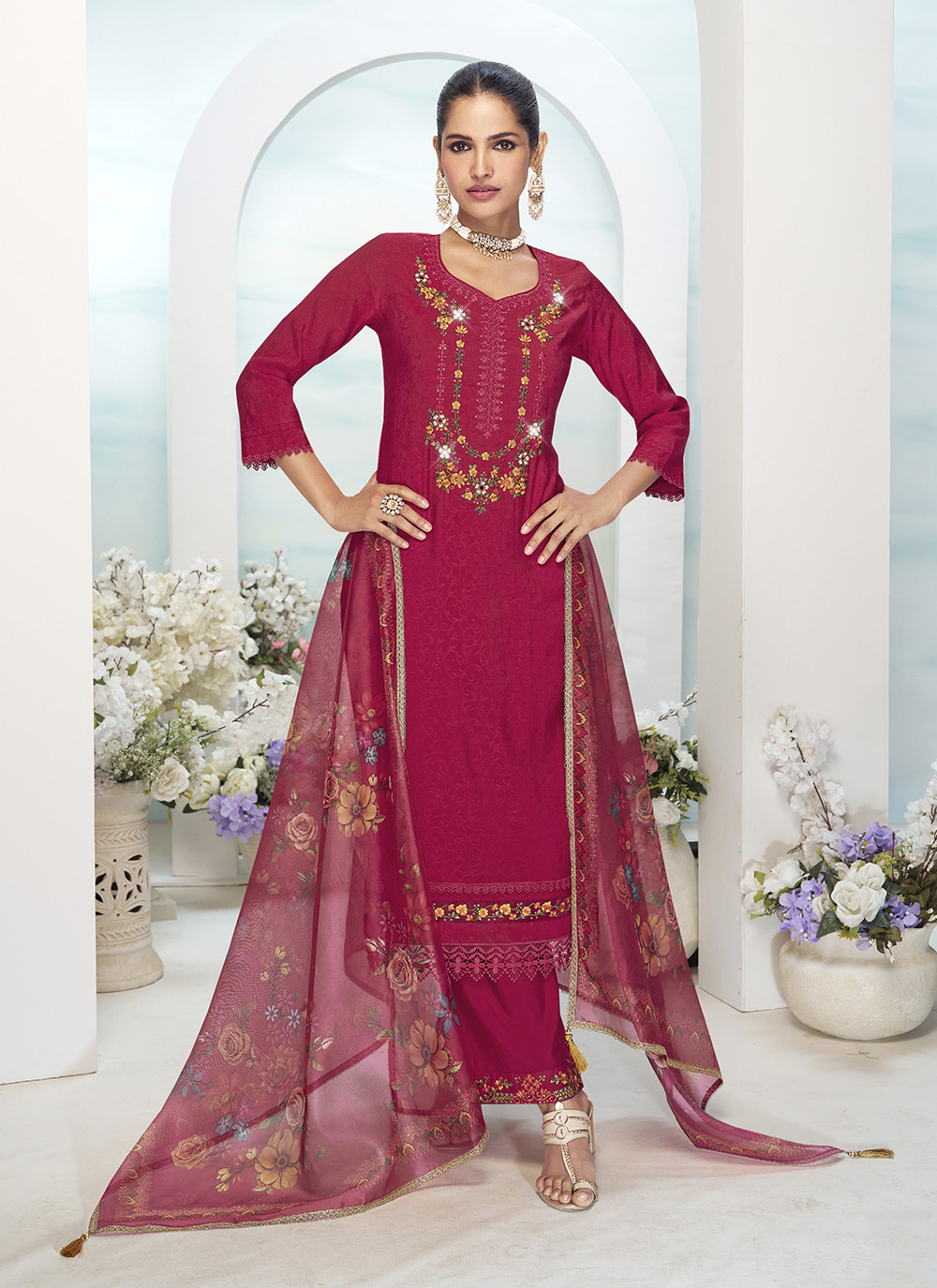
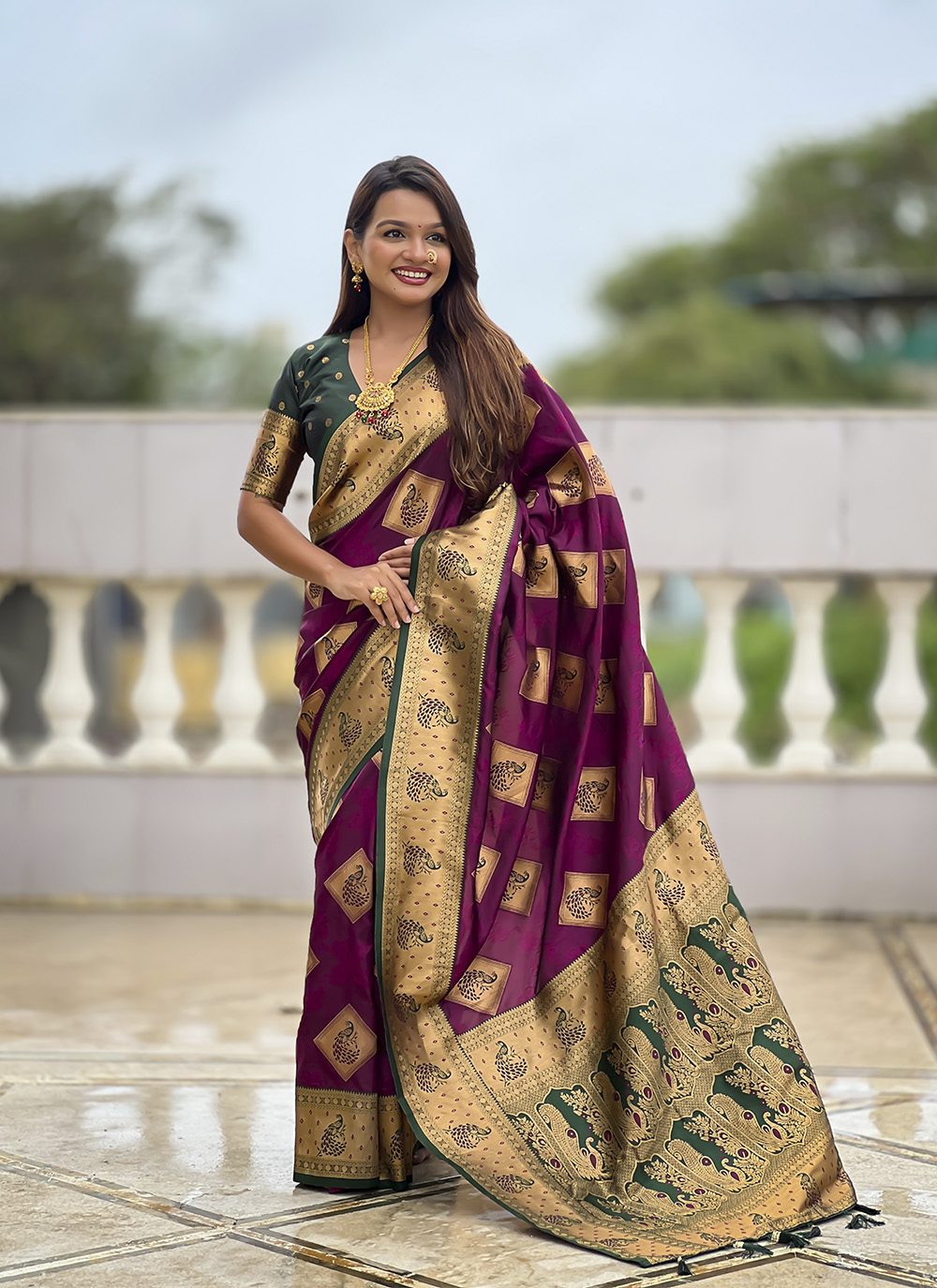
The Print Floors of Surat — Rotary, Digital and the Speed of Trends
A buyer sent us a phone photograph of a wedding drape she had seen at a function in Johannesburg, asking only whether anything similar was possible. Eleven days later the adapted design was approved, digitally printed for sampling and entered into rotary engraving for bulk. She asked how. The answer is that fabric printing Surat style is an industry built around exactly that question.
Where the Print Floors Live
The Surat printing industry occupies the same southern corridor as the dye houses: the estates at Pandesara, Palsana and Sachin GIDC, with print halls ranging from two-machine units to operations running round the clock. The workhorse is the rotary screen printing machine. Nickel cylinder screens, one screen per colour in the design, rotate over the moving fabric laying down each paste in register. Machines commonly run eight to twelve colour stations, which is why you will hear trade people say a design is a "six-colour" or an "eight-colour", meaning how many screens it consumes.
Two numbers drive your planning. Screen engraving takes days, not hours, so a brand-new rotary design carries an engraving lead time before a single metre prints. And the standard rotary repeat, the distance before the pattern repeats down the fabric, sits in the range engravers work to most economically, with oversized repeats possible but costlier in screens and time. Ask your supplier both numbers before you promise a launch date to anyone.
Surat can take a print from an idea to running fabric faster than any other textile city on earth, and that speed changed how fashion trends themselves travel. Here is how the print floors actually work.
Ajmera Export 20 Aug 20266 min read
Digital Changed the Economics
For decades, the entry ticket to a custom print was the cost of engraving a full screen set, which meant small runs of exclusive designs barely made sense. Digital print Surat capacity rewrote that rule. A design file goes to the machine, ink jets onto the fabric, no screens exist, and the first metres of a brand-new design can be running the same week. Batches from around a hundred metres upward are routine, which is why small brands now print genuinely exclusive fabric for capsule launches instead of buying open catalogue prints.
The inks divide by ground fabric. Pigment inks sit on the surface and suit cotton and blends; disperse inks dive into polyester under heat, giving that dyed-looking depth. Both routes are strong here, but they are not interchangeable, and the ground fabric you choose decides the chemistry of your print. A supplier who starts talking ink chemistry when you brief a design is a supplier paying attention.
The Trend Machine
Here is something no first-time buyer expects: the speed of this cluster has changed how trends themselves move. A print direction that lands in one regional catalogue gets read by design studios within days, adapted, and offered to the next buyer as an evolved version. We have watched motifs travel from a Chennai collection into a Lagos-bound order inside a month, transformed twice along the way. Nothing about this is secret; it is how the ecosystem breathes.
For buyers, this cuts two ways. If you move fast, you can ride a trend in-market while it is still a trend, because reprint cycles here run in weeks, not seasons. If you want exclusivity, you must contract for it: period-lock agreements, where a design is withheld from other buyers for an agreed window, are normal commercial practice in this city, and a supplier who will not discuss them is telling you something. Ask for the lock before the design exists, not after it appears somewhere else.
The Finishes Only Screens Give You
Digital prints are flat by nature. The value-added surface effects that make ethnic fabric feel expensive still belong to the screen and finishing routes, and the print floors of Surat run them like a language.
Khadi: a raised white paste print that gives hand-block texture to machine fabric
Foil: metallic foil fused through an adhesive screen for gold and silver effects
Flock: fine fibre pile creating a velvet-touch motif
Discharge: printing on dark grounds that removes dye to leave soft motifs where ordinary prints cannot sit
Glitter and lacquer finishes for festive lines that need to catch light from across a hall
The strongest festive fabrics combine routes: a rotary base print, then a foil pass, then embroidery on top. When you brief a festive programme, think in layers rather than in a single process, because that is how the successful ones are actually built.
Choosing Your Route
The choice between rotary and digital is arithmetic, not taste. Screens cost money up front and then print cheaply forever, so long runs amortise the engraving. Digital costs more per metre but starts free, so short runs, samples and exclusives belong there. Every supplier in this city has a crossover length for any given design, the run length at which rotary becomes the smarter structure, and a good desk will tell you yours without prompting.
Colour count pushes the same decision. A twelve-colour design eats twelve rotary screens; digitally, it is still one file. Ground fabric pushes it too, along with the finishes you want, since khadi and foil need screens regardless. Then comes the honest caution: digital prints look flawless on day one, but wash fastness depends on curing discipline, pigment prints especially. A sloppy cure shows up in your customer's washing machine, not in the showroom. Ask any supplier you qualify how they verify cure, and what fastness grade they will commit to in writing.
Frequently Asked Questions
Which is better, digital or rotary printing?
Neither, and the question is really about your run length. Digital wins for short runs, samples and exclusive designs because it starts with no screens. Rotary wins for volume because engraving amortises across long runs and the per-metre structure beats digital at scale.
What is the smallest print run I can order?
Digital floors in Surat routinely print from around a hundred metres of a new design, and sampling runs run smaller still. Rotary runs make sense only once volumes justify screen sets, so brief your supplier with honest volumes and let them route you.
How long does rotary engraving take?
Screen engraving typically runs a few working days per design before printing begins, on top of any artwork approval. Add design development at the front and finishing at the back when you build your calendar, because engraving is the middle step, not the whole one.
Can I print my own design exclusively?
Yes, and this is one of the strongest reasons to work with the Surat printing industry. Your artwork becomes a print file or a screen set, and period-lock agreements can hold it off the open market for an agreed window. Get the exclusivity conversation in writing before development starts.
What finishes can I get beyond flat printing?
Khadi raised paste, foil, flock, discharge on dark grounds, glitter and lacquer effects, and layered combinations of these with embroidery on top. These are screen and finishing processes, so they influence which print route your design takes.
Will digital prints survive washing?
Properly cured ones, yes. The risk is a rushed cure, particularly with pigment inks, and it shows as fading after the first washes. Ask your supplier for their fastness commitment and how curing is verified, and treat vague answers as your answer.
Print is where this city's speed is most visible, and speed is only useful to you if the discipline underneath it holds. We run both routes for our buyers, digital for capsules and rotary for volume, with fastness commitments in writing. Send us a design file or a photograph of what you are chasing, along with your ground fabric and volumes, and we will tell you honestly which route it belongs on.
surat printing industryfabric printing suratdigital print surat
Sourcing ethnic wear for your business?
Our export team shares catalogues, MOQ and pricing tailored to your market — response within one business day.
Delhi designs and Mumbai finances, but the metres themselves are decided in Surat. A look at why one Gujarati city out-manufactures both metros and what that means for your sourcing.
A first-time buyer's walking plan for Surat's market belt, from the Surat Textile Market complex to Ratan Firdous and Bombay Market. Covers how to structure two days, who you are actually talking to in each seat, and the etiquette that gets you treated as trade.