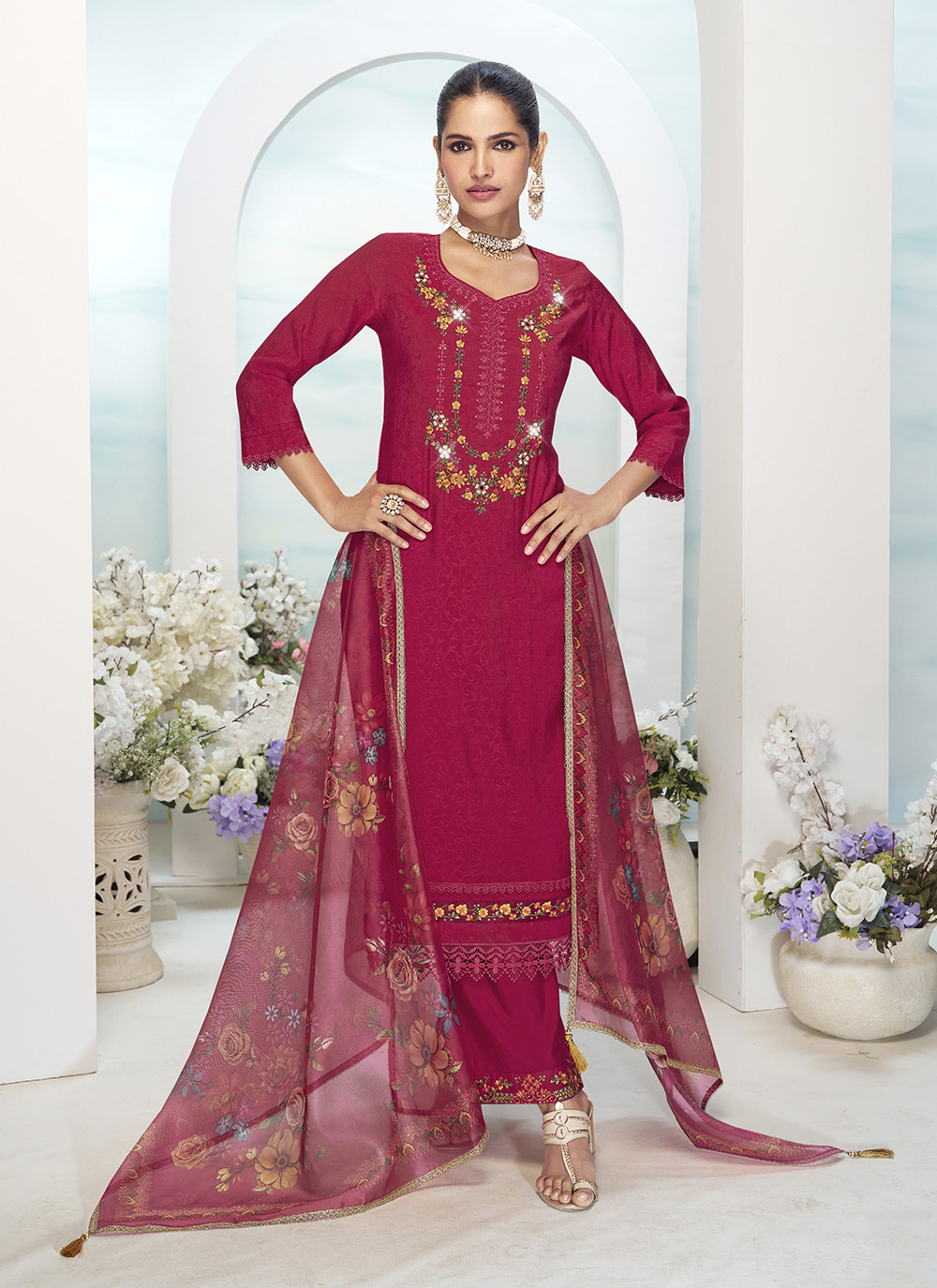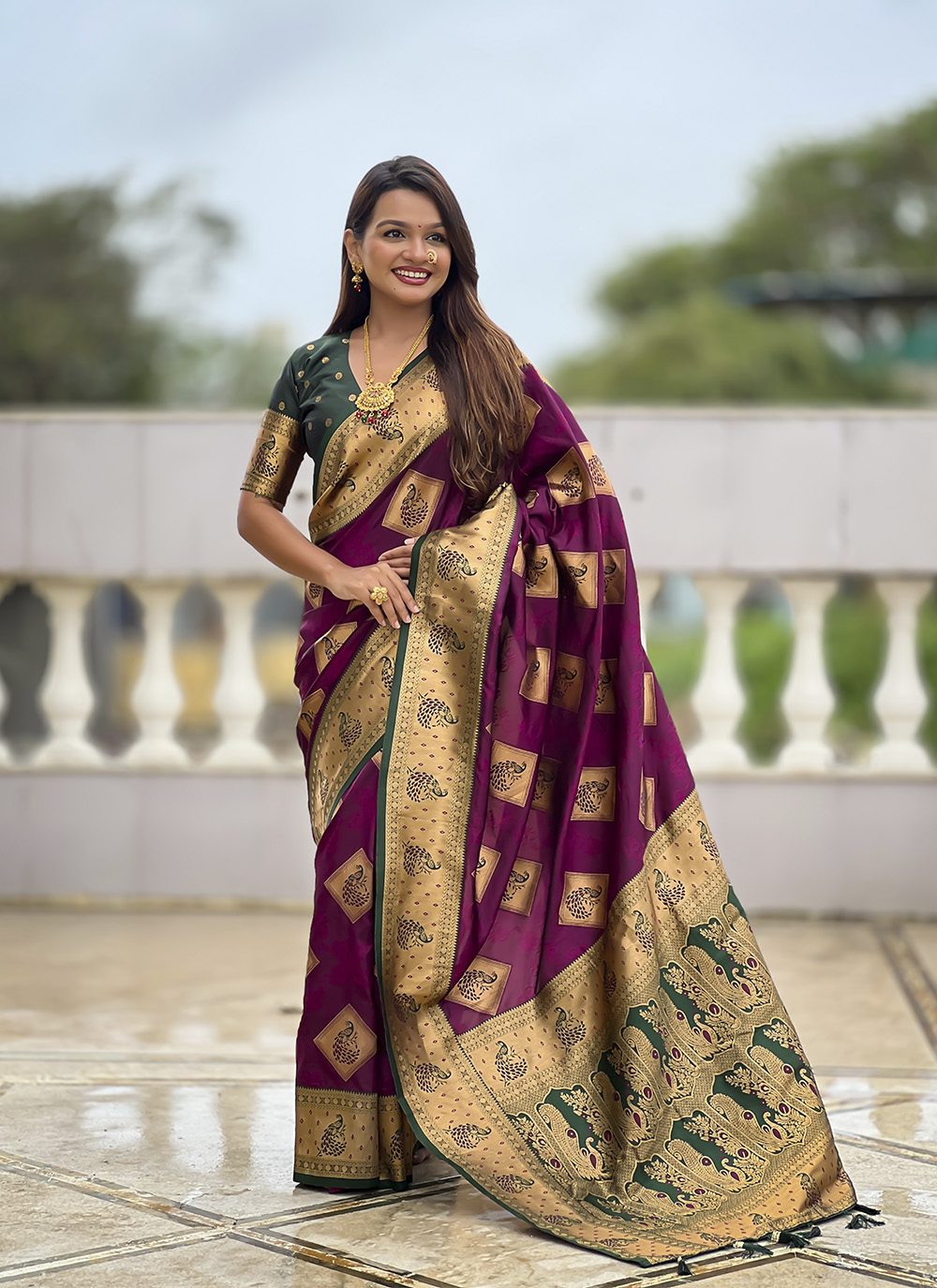
A buyer from Nairobi once asked us, over a crackly WhatsApp voice note from her shop floor, why half the saree tags on her racks trace back to one Indian city she had never seen. We get some version of that question almost every month. The honest answer runs about four centuries, and once you know it, the way Surat quotes, weaves and ships starts making sense.
A Port Before Any Mills
Long before this city had powerlooms, it had anchorages. Through the 1500s and 1600s, Surat was one of the busiest ports of the Mughal empire, sitting where the Tapi river meets the Arabian Sea. Ocean-going ships anchored in the deeper water off Suvali and cargo came upriver by lighter. Surat was also the main embarkation point for the Haj, which is why older texts call it the gate to Mecca. Pilgrim traffic brought money, and money brought everything else.
The English, Dutch, Portuguese and French kept factories along the riverbank, all competing for the same cargo: fine cotton and silk piece goods, indigo, spices, teak. Cloth was the headline act. Weavers in and around the city produced muslins, striped cottons and painted chintz that travelled to West Asia and Southeast Asia, and onwards to Europe. Museum storerooms in Britain and Portugal still hold striped cottons and painted pieces with this city's name on the provenance card. When buyers express surprise that a global garment trade sits here, the honest reply is that it always did, with a two-century interruption.
Collapse, and a Slow Second Act
The interruption is the part people skip. Bombay's rise through the late 1600s and 1700s pulled sea trade west, and Surat's port years wound down. The city did not empty. It retrenched into what it was already good at: merchant capital, banking families, weaving karkhanas and the zari trade. Surat became a town of workshops instead of a port, and that workshop character is still visible in the lanes behind old gates like Sahara Darwaja.
The mill era arrived late and modestly. A handful of textile mills and rice-husking works appeared in the early twentieth century, but Surat never became an Ahmedabad or a Bombay on the smokestack model. Buyers who go looking for the history of Surat mills expecting a mill skyline are always a little deflated when we tell them the real scale-up came later, and it came into homes rather than factories.
The Powerloom Migration
From the 1950s onward, weaving families moved in from Saurashtra and the neighbouring districts and set up powerlooms in the lanes of Bhagal, Katargam and Saiyedpura. The unit of production was the household: one or two looms under the sleeping loft, the whole family on the job, designs punched onto jacquard cards by specialists who walked lane to lane. Yarn traders gathered in the old city, fitters repaired looms within hours, and a full support economy grew around the clatter that still defines these neighbourhoods today.
Then came the machine that changed everything. In the late 1970s, texturising machines arrived in numbers, converting polyester filament into the crimped, workable yarn that powerlooms run best. Cheap filament was flowing from new petrochemical capacity a few hours up the coast. Surat had looms, skilled hands and merchant credit ready to meet it. The match was made, and the city never looked back.
The Polyester Bet
This is the chapter of Surat textile history that actually explains the place a buyer visits today. While every other famous Indian cluster doubled down on cotton or silk, Surat went all in on man-made fibre. Filament from the giant petrochemical complex at Hazira, barely half an hour from the markets, feeds thousands of texturising and twisting units. Yarn moves to the loom sheds of Bhagal and Katargam, then to the dyeing and printing houses of Pandesara, Palsana and Sachin, and finally onto the trading floors of Ring Road.
The numbers you hear in the trade, a few lakh looms, a hundred and sixty-odd markets, close to half of India's man-made fibre fabric, are rough. Nobody audits them. A lakh, for anyone new to the term, is a hundred thousand. But walk Millennium Textile Market at eleven in the morning and you will not argue with the direction of those numbers.
Zari: The Industry That Never Left
One thread of old Surat never broke at all. In lanes behind the old gates, karkhanas still draw silver into wire, flatten it, and wind it onto silk or cotton cores to make zari, the metallic thread that Banarasi and Kanchipuram weavers cannot work without. A large share of what the world calls Banarasi gold thread is Surat silver, drawn and gilded here long before it reaches Varanasi. The craft carries a geographical indication registration of its own, and the trade grades it without ceremony: real zari with genuine silver content, tested zari with a lighter silver skin, and film zari for the volume end of the market.
There is one heritage quirk we enjoy sharing over tea with visiting buyers. Tanchoi, the figured silk weave most people associate with Banaras, was born in Surat, developed in the nineteenth century by three brothers of a Chinese trading family. The weave later travelled to Varanasi and found its fame there. Surat is used to this pattern. It supplies, and the world renames.
What the History Means When You Place an Order
Cities carry their history into their business culture, and Surat's four-century habit of small workshops, merchant credit and fast turnover produced an orchestration economy. Nobody here owns the whole chain. Your supplier is a conductor: yarn from one set of hands, weaving from another, dyeing job-worked at a third, embroidery finished by a fourth. Pick a good conductor and you get speed and flexibility that big vertical mills struggle to match. Pick a careless one, and the seams show up in your container.
One honest admission from our desk: heritage does not mean handloom. Surat is a powerloom city and is proud of it. If you need a handloom Patan patola or a Bhujodi shawl, the right move is to say so plainly and buy from those craft clusters, not to smile and accept a jacquard approximation. The best desks here will tell you that unprompted. We do, because the alternative costs both sides a season.
Frequently Asked Questions
Is Surat's textile industry old or new?
Both, in layers. The trading city is Mughal-era and shipped cloth to three continents before Bombay existed as a rival. The modern powerloom industry was built mostly between the 1950s and the 1980s, and the processing scale is younger still. Few clusters anywhere place a traditional zari karkhana and a digital print hall ten minutes apart.
What is Surat actually famous for in textiles?
Man-made fibre sarees and dress material at serious volume, the dyeing and printing capacity to finish them, zari manufacture that supplies Varanasi and Kanchipuram, and a growing readymade ethnic garment trade for export. If your line runs on polyester, viscose, art silk or blends, this city is the deep end of the pool.
When did the mill era start in Surat?
Early in the twentieth century, and it stayed small. A few textile mills and rice-husking works ran here while Ahmedabad and Bombay built skylines. Surat's real industrial story is the household powerloom and the job-work unit, which is why the city feels like a distributed factory rather than a mill town.
How much of India's fabric really comes from Surat?
The figures change with the teller. By common trade reckoning, somewhere close to half of India's man-made fibre fabric passes through this city's looms, processors or markets. Treat the exact percentage as hearsay and the scale as real. The scale is very real.
Did Surat really export textiles to Europe in the Mughal era?
Yes. Painted chintz, striped cottons and muslins shipped from here to West Asia and Southeast Asia, and onwards to Europe, where surviving pieces carry Surat in their museum records. The English and Dutch factories on the Tapi existed largely to buy this cloth.
Is Surat a handloom cluster?
No, and honest suppliers say so plainly. It is a powerloom and processing cluster. Handloom heritage in Gujarat lives in places like Patan, Bhujodi and Surendranagar. If handloom matters to your programme, source it there and let Surat do what it does at scale.
If you are mapping a sourcing programme in India, it helps to know the ground under the looms before you commit to a supplier list. We walk serious buyers through what this city does best, with samples on the table and straight answers about what it does badly. Send a WhatsApp message telling us what your shop stocks, and we will tell you honestly whether Surat is the right fit.
Sourcing ethnic wear for your business?
Our export team shares catalogues, MOQ and pricing tailored to your market — response within one business day.