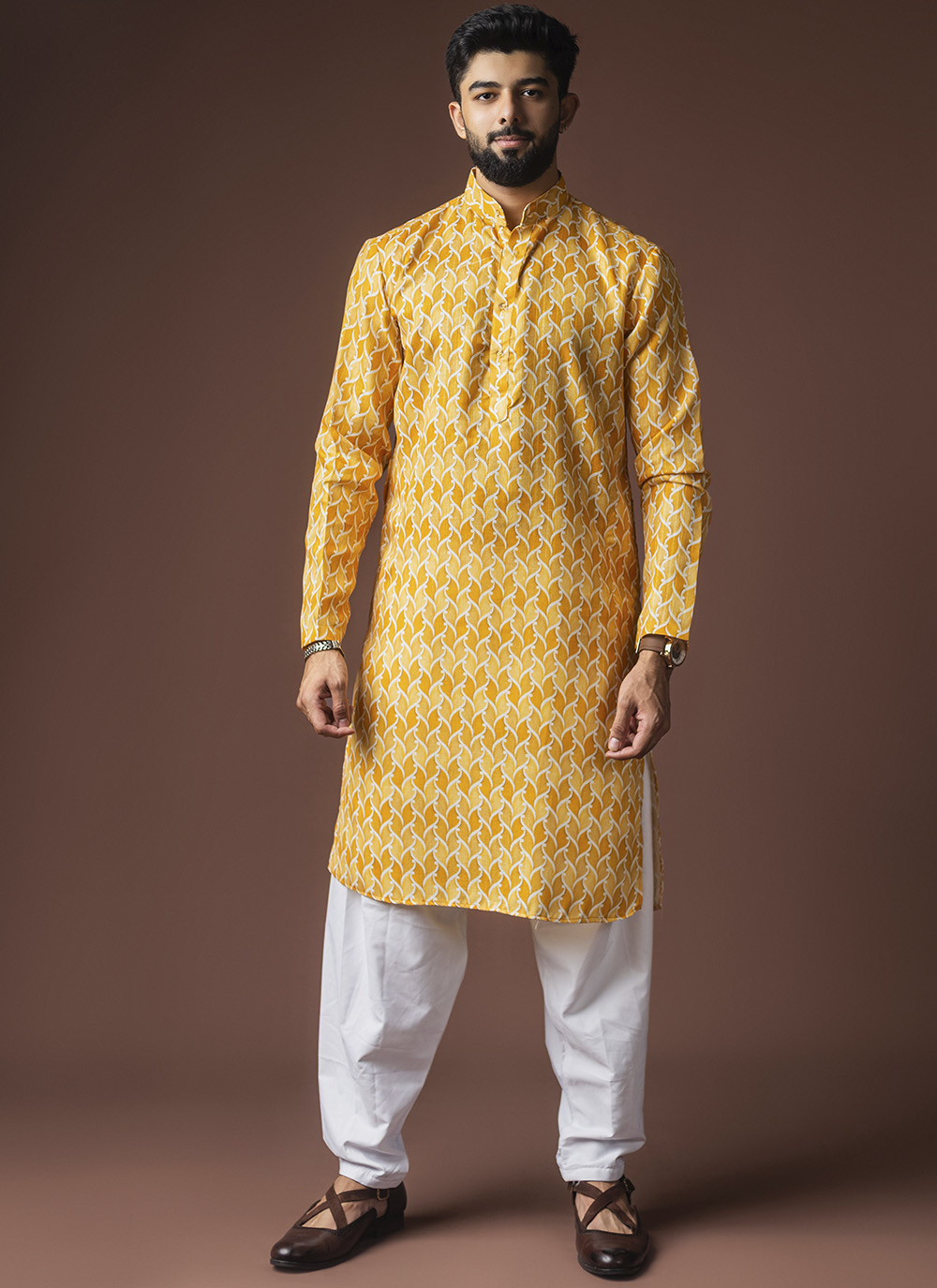
The cotton printed for a Kathmandu wholesaler last autumn passed through more hands than the people who finally wore it would ever guess. It began as filament in a Surat texturising unit and ended folded on a rail in a shop near New Road. Between those two points sat a dozen disciplined hands, and that journey is the story of how Surat to Nepal supply actually works.
Monday Morning on Ring Road
The programme begins on a trading floor. In an office above the showrooms of Millennium Textile Market, a Kathmandu buyer's confirmed order becomes a production sheet: design numbers, metres by shade, width, GSM, packing style, carton markings, and the festival date the consignment has to beat. The merchandiser who writes it owns the programme until the truck is unloaded in Nepal, which is why the single-desk habit matters so much in this trade.
What the buyer sees is a showroom and a handshake. What the sheet sets in motion is a chain across half a city: weaving, processing, finishing, inspection, packing, trucking, customs, and a final climb to a Kathmandu counter. None of these stages belong to the same company, and all of them have to behave as if they do. That orchestration is the real product a Surat supplier sells, and the whole textile supply chain story comes down to a desk that keeps every stage honest.
The Looms of Bhagal and the Greige Trail
The greige, the unfinished cloth, comes first. If the programme runs on committed looms, beam preparation starts in the weaving sheds of Bhagal or Katargam: warps sized, looms allocated, the first metres checked against the approved cutting. If the schedule is tight, the desk buys greige from the city's dedicated greige markets instead and sends it straight to processing.
Either way, one discipline decides everything downstream. The greige must match the approved swatch in construction and width before a single metre gets dyed. Catching a weaving fault at greige stage costs a roll. Catching it after printing costs the programme. The old hands on our floor say the cheapest inspection in the whole chain happens at the loom, and they are right.
Printing in Sachin and the Quality Desk
Processing happens in the estates: Pandesara, Palsana, Sachin GIDC. The cotton passes through rotary printers or digital machines, then through finishing that sets the hand and width of the final cloth. Shade approval is the hinge. The first printed metres are checked against the sealed reference sample, under standardised light, by people who have made shade judgements their careers.
Then the quality desk takes over. The lot is checked on the 4-point system for weaving and printing faults, GSM is verified against the order, and width is measured as it will be measured again in Kathmandu. Anything outside tolerance is flagged now, while fixing it is still an internal conversation rather than an international claim. Surat Nepal trade runs on this simple asymmetry: problems are cheap in Surat and expensive after Raxaul.
Folding, Packing and the Loading Godown
Finished fabric moves to folding and packing. Sarees fold to spec, runs roll or fold to instruction, and everything is counted into cartons marked with design number, shade lot and piece count. The packing list is written here and checked against the physical count, because a mismatch between documents and goods at the border costs days.
At the loading godown, cartons are photographed as they go onto the truck. Those photos are the shipment's birth certificate: they show what left, in what condition, packed how. A copy of the inspection report travels in the document pouch, so the Nepal-side check has a baseline to compare against. This is what people mean by a report that travels with the truck: the difference between a claim settled in a day and one argued for a month.
Three to Six Days to Birgunj
The truck rolls out of Surat pointing north, and the clock everyone quotes is three to six days to the border. Monsoon weeks run slower. The desk tracks the vehicle like a production schedule, because a delayed truck has a way of becoming a missed festival date.
Birgunj-Raxaul carries the majority of Nepal-bound cargo, and its queues and customs rhythm are an institution of their own. Consignments headed east or west use Biratnagar-Jogmani, Bhairahawa-Sunauli, Nepalgunj-Rupaidiha or Kakarbhitta-Panitanki instead. The paperwork has to be right before the truck arrives: invoice, packing list, and the Certificate of Origin that carries preferential treatment for Indian-origin goods under the Indo-Nepal Treaty of Trade.
Crossing Raxaul: The Paper Gate
The border is where preparation separates from luck. On the India side, a customs house agent presents the document set; on the Nepal side, a clearing agent takes it through import formalities and onward movement. Between them sits the Certificate of Origin, prepared in Surat, that decides whether the goods receive treaty preference or sit while someone negotiates a slower path.
Payment for the consignment has usually moved before the truck does. Nepal trade commonly settles in INR through banking channels, since the Nepali rupee is pegged to the Indian one, and a first order typically runs advance-against-documents. By the time the wheels cross the gate, the commercial relationship has already been tested in ways neither party sees.
Counter in Kathmandu
The last leg climbs to the capital, where the consignment lands in a wholesale godown around Setopul or New Road. The Kathmandu wholesaler checks the cartons against the loading photos and the travelling report, and the comparison is quiet because discrepancies were caught in Surat weeks earlier. Within days a retailer from Pokhara lifts a bundle, and the metre that began as filament ends up folded on a rail, waiting for a customer who will never know the road it took.
What the Chain Teaches a Buyer
Follow one programme end to end and the lessons write themselves. Buy from the desk that orchestrates the whole chain, not the seat that only books it. Insist on inspection before loading, because your leverage ends at the border. Choose a supplier whose documentation has crossed Birgunj before yours does. And respect the calendar: every stage runs against a festival date somewhere in Nepal. The land route is fast, but paper and preparation are what make speed real.
Ajmera Export: Your Trusted Surat-to-Nepal Supply Partner
We are that desk, on Ring Road and behind it. From our Surat floor we run Nepal programmes through the full chain: weaving and greige sourcing around Bhagal and Katargam, processing in the Pandesara, Palsana and Sachin estates, 4-point inspection, packing with documentation that clears at Birgunj, and a merchandiser who tracks your truck to the gate and answers after it crosses. We have shipped the land route long enough to respect its rhythms, from the Dashain crunch to monsoon slowdowns. Pricing is enquiry-only, structured against your programme, and sample cuttings go to serious buyers before any bulk commitment. Ask us about the last consignment we sent up; we can walk you through its paper set.
Why Businesses Choose Ajmera Export
- One desk, whole chain: a merchandiser who owns the programme from production sheet to border gate
- Inspection before loading: 4-point checks, GSM verification and shade approval on our floor
- Border-ready documents: invoice, packing list and Certificate of Origin prepared before the truck rolls
- Festival-calendar discipline: production planned backwards from Nepali shelf dates
- Enquiry-only pricing: quotes built against your programme, never displayed
Frequently Asked Questions
How does fabric get from Surat to Nepal?
By road, through a staged chain. Greige is woven or bought in Surat's weaving clusters, processed in its finishing estates, inspected and packed, then trucked to a border gate, usually Birgunj-Raxaul, in three to six days. After customs with a Certificate of Origin, the consignment moves onward to Kathmandu. Total door-to-counter time runs in days, not weeks.
How long does a fabric shipment take from Surat to Kathmandu?
Trucking from Surat to the border typically runs three to six days, with monsoon weeks slower. Border formalities add time that paperwork quality controls, and the onward leg from Birgunj to Kathmandu is short. From dispatch to counter, plan on roughly a week when the documents are clean.
What documents does a Nepal fabric shipment need?
The working set is a commercial invoice, a packing list matching the physical cartons, and a Certificate of Origin, which carries the preferential customs treatment Indian-origin goods receive under the Indo-Nepal Treaty of Trade. An inspection report travelling with the truck is not mandatory, but it settles disputes faster than any argument.
Which border crossing handles the most Nepal-bound fabric?
Birgunj-Raxaul, by a clear margin, carries the majority of Nepal-bound cargo, suiting Kathmandu and the central Terai. Biratnagar-Jogmani serves the east, Bhairahawa-Sunauli the Lumbini side, Nepalgunj-Rupaidiha the far west, and Kakarbhitta-Panitanki the Jhapa region. Matching gate to market saves days.
Do Surat mills sell directly to Nepali buyers?
Yes, through export desks that orchestrate weaving, processing and packing even when the stages belong to different specialists. Seats that only trade finished cloth also exist in the markets, and the difference shows in documentation and claims handling. Ask which stages a supplier controls before trusting the word mill on a visiting card.
How are fabric lots inspected before leaving Surat?
Serious desks run staged checks: greige against the approved construction, first printed metres against the sealed shade sample, and final lots on the 4-point system, with GSM and width verified against the order. Sealed reference samples travel with the consignment so the Nepal-side check compares like with like.
Who handles customs at the Birgunj border?
A customs house agent on the India side presents the document set, and a Nepal-side clearing agent handles import formalities and onward movement. Your supplier prepares the paperwork both work from, which is why document quality decides whether the truck rolls through or waits.
Should Nepal buyers order fabric or finished garments from Surat?
Both travel the same route with the same paperwork, so the choice is commercial. Fabric by the metre serves Nepal's tailoring trade, while finished sarees, kurtis and suits serve retailers selling off the rack. Many buyers run mixed consignments under one document set.
What if a lot is damaged between Surat and Kathmandu?
That is why loading photos and the travelling inspection report exist. Transit damage is separated from manufacturing faults, because the remedies differ, and photographic evidence against the sealed reference sample settles the question quickly. Notify your supplier within days, keep the lot unopened where possible, and a fair claim resolves fast.
How do payments work between Surat suppliers and Nepal buyers?
Settlements commonly run in INR through banking channels, since the Nepali rupee is pegged to the Indian one. A first order typically runs advance-against-documents, with terms settling into agreed cycles as the relationship builds. Confirm the structure in writing before production starts.
Conclusion
The Surat to Nepal chain works because a dozen hands behave as one, and the buyer's real decision is choosing the desk that makes that true. We run Nepal programmes from greige to border gate with inspection before loading, documents that clear at Birgunj and a merchandiser who answers after the truck crosses. If you want your next programme traced properly from Ring Road to your counter, message us on WhatsApp or send the enquiry form. Serious buyers get samples, straight timelines and references.
Sourcing ethnic wear for your business?
Our export team shares catalogues, MOQ and pricing tailored to your market — response within one business day.