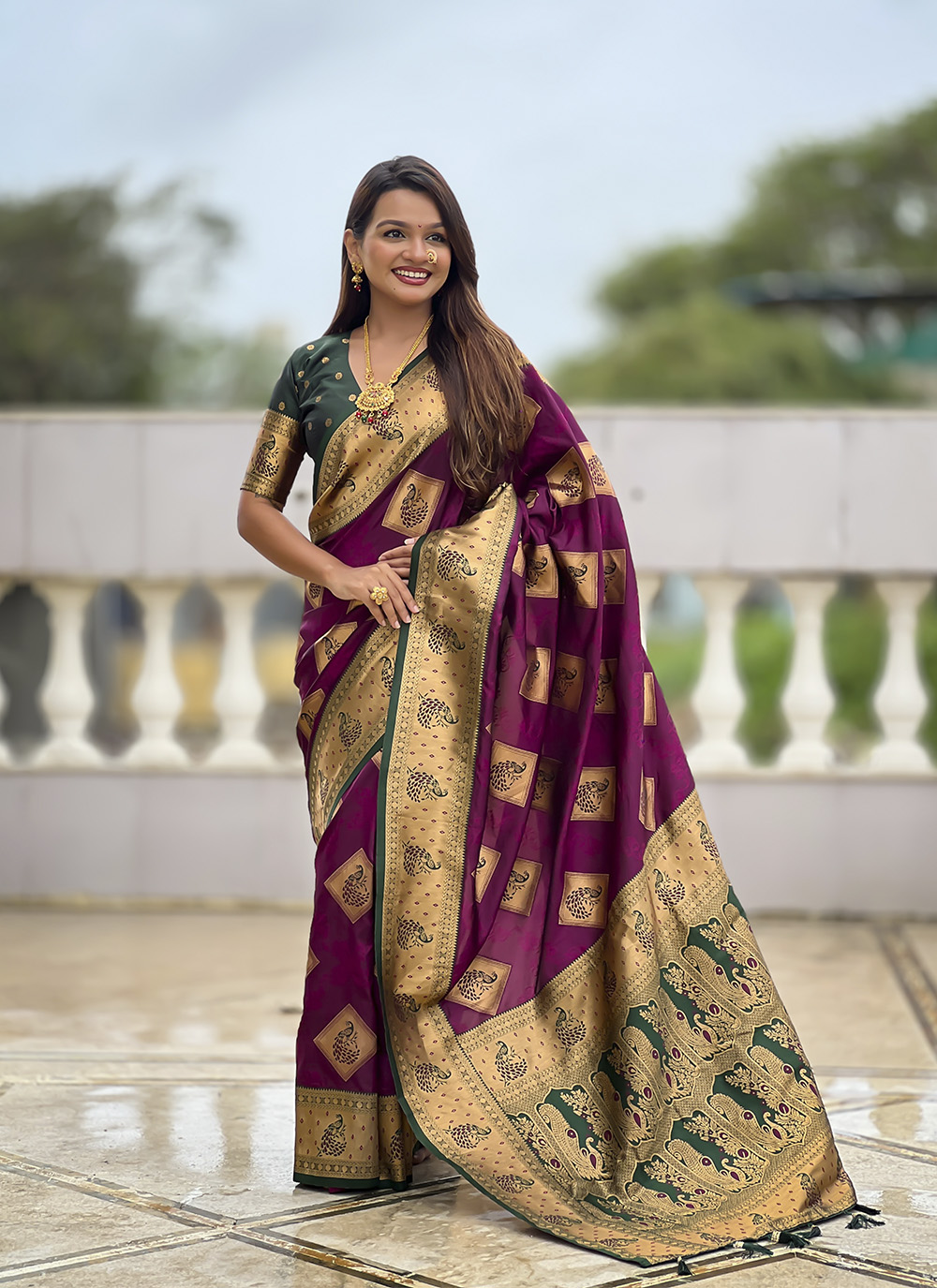
Discover the top 10 cities for wholesale fabric in India, including Surat, Ahmedabad, Mumbai, Delhi, Jaipur and Tiruppur. Compare textile sourcing hubs, explore fabric specialities, and learn how B2B buyers can evaluate suppliers, fabric quality, MOQ and bulk purchasing requirements.
Ajmera Export 15 Oct 202612 min read
India has several specialised textile markets where wholesalers, garment manufacturers, fashion brands, boutique owners and international buyers can explore fabrics for commercial use. Each city has a different sourcing strength. Surat is known for man-made fashion fabrics, Ahmedabad for cotton and woven textiles, Tiruppur for knitted fabrics, Bhilwara for suiting materials and Varanasi for traditional woven textiles.
Choosing the right wholesale fabric city depends on your product category, required quantity, quality specifications, budget and repeat-order requirements. This guide compares 10 important Indian textile cities and explains what B2B buyers should check before purchasing fabric in bulk.
Explore 20 famous textile markets in Surat for wholesale fabrics, sarees, dress materials and fashion textiles. Discover sourcing tips for retailers, wholesalers, boutique owners and B2B buyers.
Georgette, chiffon, polyester, printed and embroidered fashion fabrics
2
Ahmedabad
Gujarat
Cotton fabrics, woven textiles, shirting and dress materials
3
Mumbai
Maharashtra
Fashion fabrics, cotton, silk and wholesale textile trading
4
Delhi
Delhi
Fabric trading, garment sourcing and apparel distribution
5
Jaipur
Rajasthan
Block prints, traditional printed cottons and ethnic textiles
6
Tiruppur
Tamil Nadu
Jersey, cotton knits and knitwear-related fabrics
7
Erode
Tamil Nadu
Cotton, powerloom and woven textiles
8
Bhilwara
Rajasthan
Suiting, blended fabrics and uniform materials
9
Ludhiana
Punjab
Hosiery, knitwear, woollens and winterwear materials
10
Varanasi
Uttar Pradesh
Banarasi textiles, brocade and traditional woven fabrics
This is a practical sourcing guide, not an official ranking by production volume or wholesale sales. Product availability and commercial terms depend on individual suppliers.
1. Surat, Gujarat: Wholesale Fashion Fabrics
Surat is one of India's major textile centres, with businesses involved in fabric manufacturing, processing, printing, embroidery, trading and wholesale distribution. The city is particularly relevant to buyers looking for man-made fabrics and materials used in women's fashion and ethnicwear.
Depending on the supplier, buyers can investigate polyester fabrics, georgette, chiffon, crepe, satin, printed fabrics and embroidered materials. Surat is also associated with sarees and dress materials, making it relevant for ethnicwear wholesalers, garment manufacturers and boutique businesses.
For B2B purchases, distinguish between a ready-stock trader, manufacturer and processing unit. Ask for the fabric composition, width, weight, finish, minimum order quantity and repeat-lot availability. A fabric that looks similar to another may have a different composition or performance.
Best suited for: Synthetic fashion fabrics, saree materials, printed textiles and embroidered fabrics.
2. Ahmedabad, Gujarat: Cotton and Woven Textiles
Ahmedabad has a long-established textile industry and is worth investigating for cotton-oriented products and woven materials. Depending on the supplier, buyers may find cotton fabrics, shirting, dress materials and other woven textiles.
The New Cloth Market and surrounding trading areas can be starting points for researching suppliers. However, buyers should confirm whether the seller manufactures the fabric or trades products produced elsewhere.
Before purchasing, check fibre composition, weave, usable width, fabric weight, finishing and shrinkage. For garment production, test a sample under the intended cutting, stitching and washing conditions.
Best suited for: Cotton fabrics, shirting, woven textiles and dress materials.
3. Mumbai, Maharashtra: Diverse Fabric Trading
Mumbai is a major commercial centre with a broad fabric trading network. Mangaldas Market in the Kalbadevi area is one location buyers may research when exploring wholesale textiles.
Depending on the seller, sourcing options may include cotton, silk, chiffon, georgette, dress materials and suiting fabrics. A trader's location does not necessarily indicate where the fabric was manufactured, so ask about the original production source when that matters to your order.
Mumbai can suit boutiques, designers and retailers looking to compare different materials. For repeat orders, request written specifications and confirm whether subsequent lots can match the approved sample.
Best suited for: Mixed fabric categories, fashion textiles and wholesale trading.
4. Delhi: Wholesale Fabric and Apparel Sourcing
Delhi serves a broad wholesale market for textiles and clothing. Gandhi Nagar is known for ready-made garment trading, while Chandni Chowk and Katra Neel are relevant areas to investigate for different fabric and apparel requirements.
Delhi can be useful for businesses sourcing finished clothing alongside fabrics. Retailers and distributors can investigate multiple apparel categories through the city's trading network.
If you intend to manufacture garments, confirm that the supplier offers fabric rolls rather than only finished products. Fabric purchasing requires checks for composition, width, weight and construction that differ from buying ready-made inventory.
Best suited for: Fabric trading, apparel distribution and garment sourcing.
5. Jaipur, Rajasthan: Printed and Traditional Textiles
Jaipur and the surrounding region are associated with traditional textile printing, including Sanganeri and Bagru styles. These materials can be relevant to ethnicwear, resortwear and collections inspired by traditional Indian designs.
When comparing printed fabrics, ask whether the design is block printed, screen printed or digitally printed. The production method can influence appearance, repeatability, cost and lead time.
For bulk orders, check the base fabric, print alignment, colourfastness, usable width and the supplier's ability to reproduce the approved design. Confirm the production method instead of relying on a general product description.
Best suited for: Printed cotton, traditional textiles and ethnicwear collections.
6. Tiruppur, Tamil Nadu: Knitted Fabrics and Knitwear
Tiruppur is an important knitwear manufacturing centre, especially for T-shirts, casualwear and other apparel made from knitted textiles. Buyers can investigate jersey, rib, interlock and other knitted constructions, depending on supplier capabilities.
Some businesses specialise in fabric, while others focus on garment manufacturing. Clarify the supplier's role before requesting a quotation.
For knitted fabrics, check GSM, fibre composition, stretch and recovery, shrinkage, colourfastness and finishing. Test a sample under the intended production and washing conditions, especially when consistent garment sizing is important.
Best suited for: Cotton knits, jersey fabrics, T-shirt materials and casualwear production.
7. Erode, Tamil Nadu: Cotton and Powerloom Textiles
Erode is an established textile centre associated with cotton and woven textile trading. It is worth investigating for cotton-based materials and powerloom products, depending on the supplier and intended application.
Before comparing quotations, clarify whether the price is calculated per metre, kilogram, roll or another unit. Compare fabric weight, usable width, quality and wastage rather than judging a supplier only by the quoted rate.
For recurring orders, ask whether the supplier can maintain the same specification and whether future production lots can be checked against an approved sample.
Best suited for: Cotton textiles, woven fabrics and powerloom products.
8. Bhilwara, Rajasthan: Suiting and Blended Fabrics
Bhilwara has a recognised textile industry associated with suiting and blended fabrics. It is relevant to businesses producing formalwear, uniforms and structured garments.
Depending on the supplier, buyers may investigate polyester, polyester-viscose and other blended suiting materials. Ask for the exact fibre composition instead of relying on broad descriptions such as premium suiting.
For uniform or formalwear orders, evaluate fabric weight, drape, durability, pilling resistance, colour consistency and care requirements. Approve a sample and agree on acceptable quality tolerances before committing to a large order.
Best suited for: Suiting fabrics, blended textiles, formalwear and uniform materials.
9. Ludhiana, Punjab: Hosiery and Winterwear Textiles
Ludhiana is an important textile and apparel centre, particularly for hosiery, knitwear and winter clothing. Buyers developing knitted garments or cold-weather collections can investigate its supplier network.
Supplier offerings vary and may include knitted textiles, woollen and blended materials, hosiery products and winterwear-related goods. Confirm whether you need fabric rolls, knitted components or finished garments.
Check fibre composition, pilling, stretch, recovery, warmth and washing performance. Testing the material for its intended use is more reliable than assuming all fabrics in the same category perform identically.
Best suited for: Hosiery, knitwear, woollens and winterwear materials.
10. Varanasi, Uttar Pradesh: Banarasi Textiles and Brocade
Varanasi is known for traditional woven textiles, including Banarasi sarees and brocade designs. It is relevant to bridalwear businesses, saree retailers and brands creating premium ethnicwear collections.
Buyers should distinguish between pure silk, silk blends and other fibres. Terms such as silk-look fabric should not be treated as equivalent to pure silk. Request accurate composition details and appropriate documentation when fibre content is important.
For premium orders, inspect the weaving, motifs, finishing and workmanship. If repeat production is required, confirm availability and whether subsequent pieces can match the approved sample.
Best suited for: Banarasi textiles, brocade, traditional sarees and bridalwear.
How to Choose the Right Wholesale Fabric City
Start with the product you intend to manufacture or sell. A T-shirt brand needs a different sourcing network from a saree wholesaler, uniform supplier or boutique selling printed ethnicwear. Choose the city according to the fabric specification rather than its reputation alone.
Prepare a written specification covering fibre composition, weave or knit construction, GSM where relevant, width, colour, finish, print or embroidery requirements and estimated quantity. A reference sample can help suppliers understand the requirement, but confirm technical details in writing.
Request comparable quotations and clarify the selling unit, MOQ, taxes, packing, transport, payment terms and whether the product is ready stock or made to order. A lower price per metre may not mean a lower cost per finished garment if usable width, weight or wastage differs.
For repeat orders, discuss colour references, lot identification, inspection procedures and how defects will be handled. These details are particularly important for businesses that need consistent fabric across multiple production batches.
Wholesale Market or Direct Manufacturer?
A wholesale market can be convenient when you want to compare designs, purchase available stock or test a product category. A direct manufacturer or processor may be more appropriate when you need defined technical specifications or recurring production.
Buying directly from a manufacturer does not automatically guarantee the lowest price. Total value depends on quantity, processing requirements, consistency, transport and payment terms. Verify the supplier's actual role and capabilities before making a decision.
Sample quality: Check colour, workmanship and relevant performance requirements such as shrinkage, colourfastness or pilling.
Minimum order quantity: Confirm whether the MOQ applies per colour, design, roll, lot or total order.
Pricing: Clarify the unit of sale, taxes, packing, transport and additional charges.
Availability: Confirm whether the fabric is ready stock or made to order and whether repeat supply is possible.
Quality protection: Agree on inspection procedures, acceptable tolerances and how shortages or defects will be handled.
Export planning: International buyers should confirm destination requirements, shipping responsibilities, payment terms and required documents before dispatch.
Source Fashion Fabrics with Ajmera Fashion Exports
For businesses exploring fashion fabrics and textile sourcing from India, Ajmera Fashion Exports can be a starting point for a B2B sourcing enquiry. Explain your actual requirements so product suitability and current availability can be checked before proceeding.
When contacting the team, share the fabric category, reference sample or specification, preferred colours, approximate quantity and destination country. Mention whether you need ready stock or expect recurring orders.
Visit Ajmera Fashion Exports to learn more and discuss your sourcing requirements. Confirm product availability, MOQ, pricing, quality specifications and export arrangements directly before placing an order.
Which are the top 10 cities for wholesale fabric in India?
Ten important sourcing cities are Surat, Ahmedabad, Mumbai, Delhi, Jaipur, Tiruppur, Erode, Bhilwara, Ludhiana and Varanasi. Their strengths range from man-made fashion fabrics and cotton textiles to knitwear, suiting and traditional woven materials.
Which city is best for wholesale fabric in India?
The best city depends on the material and intended use. Surat is a major option for man-made fashion fabrics, Ahmedabad and Erode for cotton and woven textiles, Tiruppur for knitwear, Bhilwara for suiting and Varanasi for traditional textiles.
Which city is best for synthetic fabric wholesale?
Surat is an important sourcing centre for man-made and synthetic fashion fabrics. Compare suppliers based on composition, construction, finishing, MOQ, price and repeat availability.
Where can I buy cotton fabric wholesale in India?
Ahmedabad and Erode are useful cities to investigate for cotton and woven textile sourcing. The best supplier depends on whether you need plain cotton, printed cotton, shirting, dress material or another construction.
Is Surat suitable for B2B fabric sourcing?
Yes. Surat has a broad textile ecosystem that includes manufacturing, processing, printing, embroidery, trading and wholesale distribution. It is particularly relevant for fashion fabrics, saree materials and ethnicwear sourcing.
Should I buy fabric from a wholesale market or a manufacturer?
Wholesale markets can help you compare designs and source available stock. Direct manufacturers may suit specification-led or recurring orders. Verify the supplier's role, quality controls, availability and total cost before deciding.
What details are needed for a wholesale fabric quotation?
Share the fabric type, composition, width, GSM if relevant, colour, finish, quantity, intended use, destination and reference sample if available. Ask about MOQ, taxes, packing, transport, payment terms and dispatch estimates.
How can I check fabric quality before bulk purchasing?
Request a sample and verify its specification, usable width, weight, construction, colour and finish. Depending on the fabric, test shrinkage, colourfastness, pilling, print durability or other relevant performance requirements.
Can international buyers source fabric from India?
International buyers can approach Indian textile suppliers and exporters, subject to product availability, destination requirements and agreed commercial terms. Confirm packing, shipping responsibilities, payment terms and required export documents before ordering.
How can I contact Ajmera Fashion Exports for sourcing?
India's wholesale fabric network includes specialised textile cities rather than one market that suits every buyer. Surat is a practical starting point for man-made fashion fabrics and ethnicwear materials, Ahmedabad and Erode for cotton and woven textiles, Tiruppur for knitwear, Bhilwara for suiting and Varanasi for traditional textiles.
Before selecting a supplier, compare fabric specifications, sample quality, MOQ, repeat availability and total landed cost. For businesses exploring fashion fabrics from India, Ajmera Fashion Exports is a potential contact for discussing B2B sourcing requirements.
Delhi designs and Mumbai finances, but the metres themselves are decided in Surat. A look at why one Gujarati city out-manufactures both metros and what that means for your sourcing.