A Thamel shopkeeper put it to us bluntly: locals buy wardrobes, visitors buy stories. The tourist shelf is a different business from the bazaar counter, run on different sizes, different fabrics and a completely different calendar. Get it wrong, and the stock sits politely through two whole trekking seasons.
Three Strips, Three Different Tourists
Tourist ethnic retail in Nepal concentrates on three strips. Thamel in Kathmandu draws backpackers, trekkers stocking up before Everest-region departures, and travellers who want something to wear to the rooftop bar that evening. Lakeside in Pokhara catches the Annapurna crowd in a slower mood, browsing before and after the trail. Around the Boudha stupa, the kora circuit mixes spiritual-adjacent shoppers with long-stay visitors who buy woollens and scarves like locals do.
Thamel retail runs on novelty and evenings; Lakeside retail in Pokhara runs on pre-trek and post-trek moods, with deeper woollen stock because evenings by the lake get genuinely cold. The two strips stock overlapping goods with different depth and display logic, and Boudha adds a wool-and-scarf skew on top.
What Visitors Actually Buy
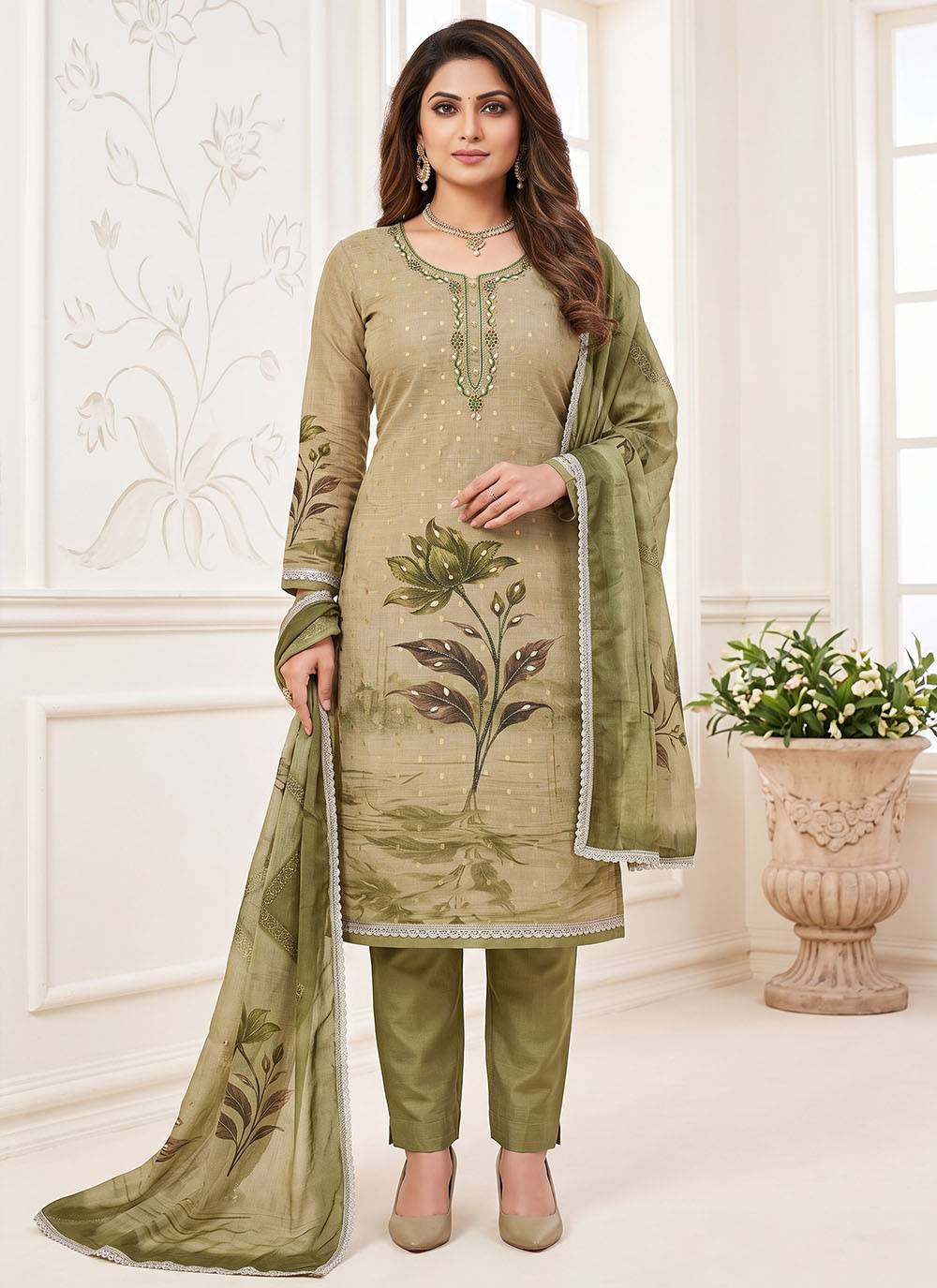
The list surprises buyers who assume saree-country logic. Visitors buy easy-fit pieces that require no alteration and no occasion: kurtis and kurta sets in free-size and graded runs, loose printed trousers, dupattas and wraps that fold into a backpack, and woollen stoles. The pashmina counter is its own theatre, and a tourist saree purchase is usually a photography decision, a light drape bought for portrait sessions against heritage backdrops rather than a wardrobe addition.
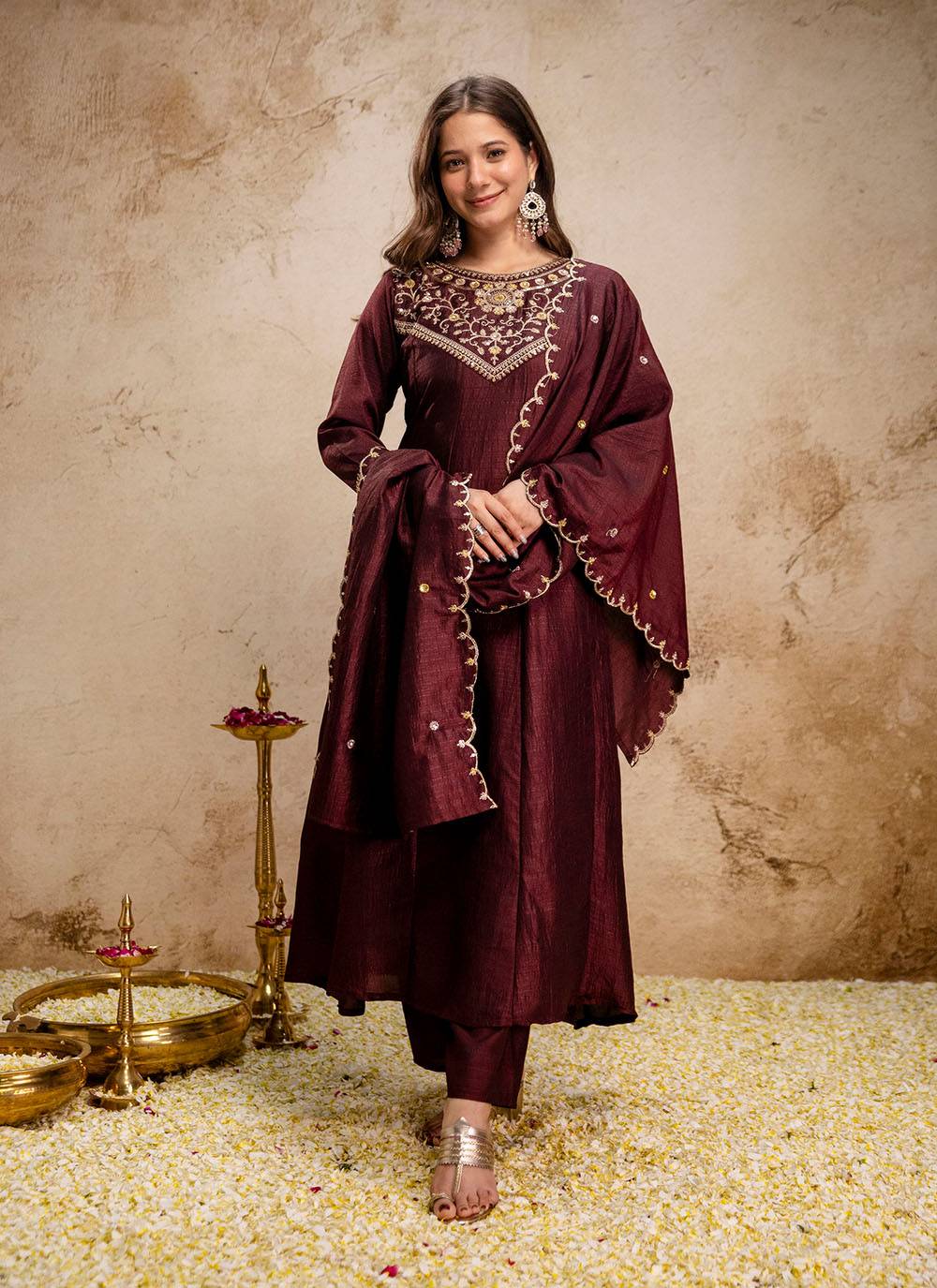
Statement pieces outsell basics. Mirror-work kurtis, block-printed maxis, embroidered wraps, anything that photographs well in the shop and better on the customer. A visitor is buying proof of the trip, so the piece has to declare itself. The bazaar logic of safe, everyday depth is exactly wrong for this shelf.
Sizes for International Travellers
Size grading is where tourist counters quietly fail. International travellers run larger than standard South Asian grading assumes, and the strongest-selling sizes on these strips sit at the top of the range, XL and XXL included. Shoulders are cut differently, and sleeve expectations differ with them.
Free-size silhouettes solve most of the problem: A-line kurtis, wrap tops, elasticated waists, stoles that fit everyone by definition. For the pieces that must be graded, order the full run and weight the top half. The customer who cannot find her size does not buy the smaller one; she leaves, and the shelf space earned nothing.
Packing That Sells to Travellers
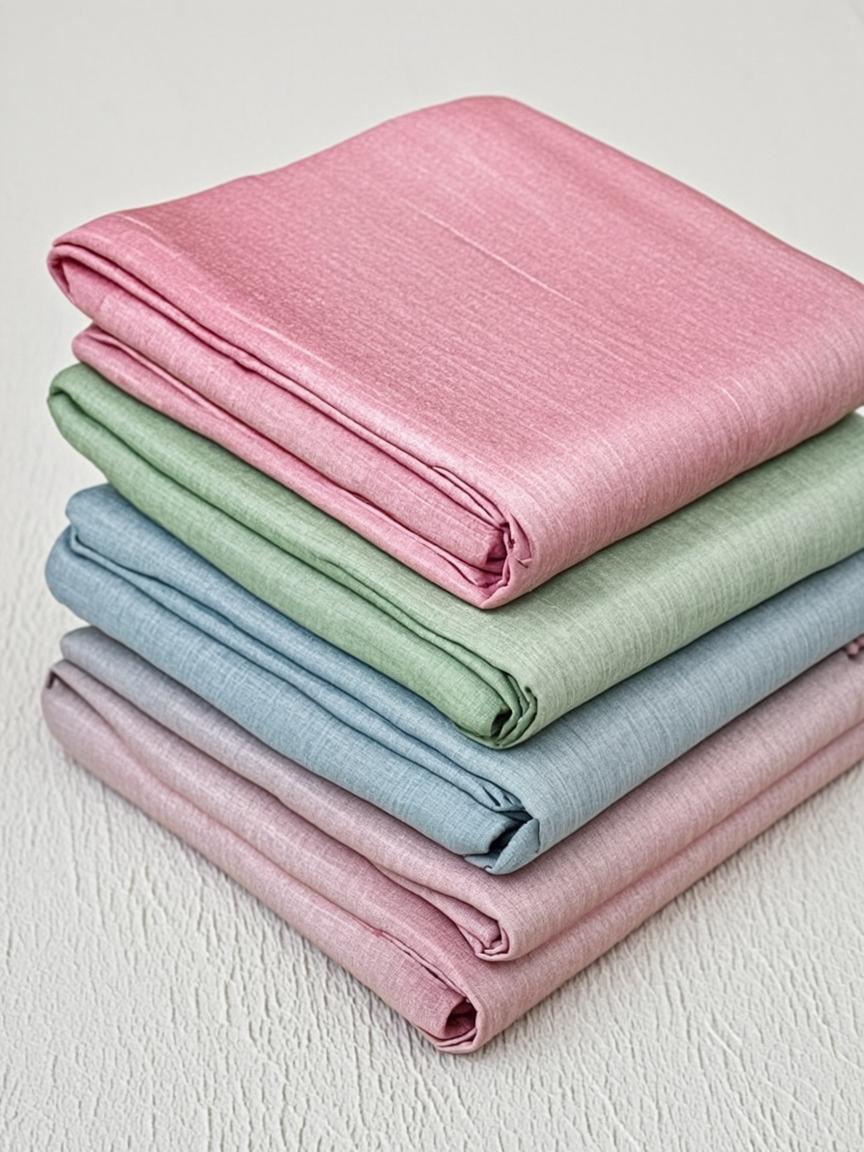
Packing is a sales tool here, not a protection afterthought. Lightweight fabrics win because luggage allowances are the visitor's real constraint: cotton voile, viscose and light blends out-sell heavy silk for weight reasons alone. Fold-rolled packing that survives a backpack, and pieces that look display-ready straight out of the carton, move faster than goods that need an hour of pressing before they can face a customer.
Small cartons suit small shops, counter-top bins work for stoles and scarves, and simple English care labels with fabric names visitors recognise, cotton and viscose rather than trade jargon, remove hesitation at the till. We pack tourist-programme cartons ready-to-shelf on purpose.
Stocking the Calendar, Not the Catalogue
The tourist calendar in Nepal has two high seasons, October-November and March-April, when the trekking weather is right and the flights are full. Between them sits the monsoon trough from June to August, when the strips thin out and leftover statement stock goes quiet. Stock should land before October and before March, not during the rush.
The October-November season overlaps Dashain and Tihar, which is the second counter hiding inside the same shop: diaspora visitors and locals buying proper ethnic depth, sarees and suits, at festival time. A shop that stocks both audiences on one calendar needs two size logics and two fabric stories, and a supplier who can pack both into one consolidated truck through Birgunj-Raxaul. Chitwan day-trippers, meanwhile, buy light cottons, a footnote that matters if you supply the Bharatpur belt.
One honest admission: tourist counters chase novelty, and reorders are shallow. A design that sold hard in October can be dead by March, so treat this trade as rotation-speed business, not loyalty business. The buyers who win here order smaller, more often, and resist the romance of depth.
Ajmera Export: Your Trusted Tourist Retail Partner
We are a Surat-based manufacturer-exporter of ethnic wear and fashion fabric, and tourist-programme supply is a distinct line on our desk. We build tourist assortments around statement kurtis, printed trousers, dupattas, wraps and woollen-adjacent stoles, graded for international travellers with the top sizes weighted and free-size silhouettes covering the rest. Packing is fold-rolled, display-ready and carton-labelled for small shops, with lightweight constructions chosen deliberately for luggage realities. Production scales from small rotation lots to steady programmes, and consolidated trucks run through Birgunj-Raxaul with the Certificate of Origin prepared under the Indo-Nepal Treaty of Trade. Pricing is enquiry-only, quoted against your rotation cadence. Send us your strip, your seasons and your shelf dates, and we will build the assortment with you.
Why Businesses Choose Ajmera Export
- Traveller-size grading: full runs weighted to the top sizes, free-size silhouettes where they work
- Packing built for luggage: lightweight, fold-rolled, display-ready out of the carton
- Rotation-friendly lots: small depth, frequent refresh, novelty respected
- Two-audience calendars: tourist and festival stock consolidated on one truck
- Enquiry-only pricing: quotes matched to your cadence, never displayed
Frequently Asked Questions
What ethnic wear do tourists buy in Nepal?
Visitors buy easy, photogenic pieces that need no occasion: statement kurtis and kurta sets, loose printed trousers, dupattas, wraps and woollen stoles. Pashmina-adjacent woollens anchor many counters, and light sarees sell as photography purchases for portrait sessions against heritage backdrops. Statement pieces outsell safe basics on these shelves.
What sizes should tourist-facing shops stock?
Full graded runs with the top half weighted, because international travellers skew larger than standard South Asian grading assumes, and XXL sells. Free-size silhouettes like A-line kurtis, wrap tops and elasticated-waist pieces cover the widest range. The customer who cannot find her size does not buy the smaller one; she walks out.
When is the high season for tourist retail in Thamel and Pokhara?
Two windows: October-November and March-April, when trekking weather peaks and flights are full. The monsoon months from June to August are the trough. Stock should land before each window opens, not during it, and the October window overlaps Dashain and Tihar, when diaspora visitors buy deeper ethnic stock from the same shops.
Should I stock pashmina and woollens for tourist counters?
Yes, as the anchor of the woollen side, especially around Boudha and on Pokhara's Lakeside where evenings are cold. Visitors expect pashmina-adjacent wraps and stoles, and they buy them as gifts as much as wearables. Depth matters in the cold months and on the high seasons; woollens also sell to locals and long-stay visitors outside the windows.
How should garments be packed for tourist retail?
Fold-rolled, lightweight and display-ready, so pieces face the customer straight out of the carton without pressing. Small cartons suit small shops, and counter-top bins work for stoles and scarves. Simple English care labels with recognisable fabric names like cotton and viscose remove hesitation at the till, since luggage weight drives the purchase.
Do tourists buy sarees in Nepal?
They do, but as photography and experience purchases rather than wardrobe pieces: light, inexpensive drapes bought for portrait sessions against heritage backdrops. The volume sits in easy pieces like kurtis and wraps. A deep saree rail is wasted on this shelf; a small, light, photogenic saree display earns its space.
How is Boudha retail different from Thamel retail?
Boudha's kora circuit around the stupa mixes spiritual-adjacent shoppers with long-stay visitors, so the skew runs toward woollens, scarves and wraps rather than nightlife-ready statement pieces. The buying is quieter, steadier and less novelty-driven than Thamel's evening trade, with strong seasonal spikes around Losar in February.
What fabrics work best for traveller purchases?
Lightweight constructions dominate because luggage allowance is the customer's real constraint: cotton voile, viscose and light blends out-sell heavy silk on weight alone. Prints and embroidery carry the statement value that photographable pieces need, while woollen stoles cover the cold-season and gifting demand.
How often should tourist counters refresh stock?
Every six to eight weeks through the active seasons, in small depth. Novelty decays fast on these shelves, and a design that sold hard in October can be dead by March. Order smaller and more often rather than betting depth on a single design's continued run, and treat reorders as rotation, not loyalty.
How do I order tourist-ethnic stock from Ajmera Export?
Send an enquiry through our form or WhatsApp with your strip, your seasons and rough quantities by category. We respond with a statement-weighted assortment plan, traveller-graded sizes and display-ready packing, then run a rotation-sized first lot. Pricing is enquiry-only, quoted against your cadence.
Conclusion
Tourist retail in Nepal is a rotation business wearing a souvenir shop's face: statement pieces, top-heavy size runs, light packable fabrics and two clean seasons a year. Stock it like a novelty trade, not a wardrobe trade, and let it ride the same trucks as your festival programmes. If you supply Thamel, Lakeside or Boudha counters, message our desk on WhatsApp with your strip and seasons, or send the enquiry form. Samples and a small first rotation can move quickly.
Sourcing ethnic wear for your business?
Our export team shares catalogues, MOQ and pricing tailored to your market — response within one business day.