Wholesale Indian Clothing for Nepal: The Complete Sourcing Landscape
A retailer from Nepalgunj once asked us why nobody had ever written the whole map down: the categories, the gates, the calendar, the paperwork. He had assembled his knowledge over fifteen years, one expensive mistake at a time. This guide is that map, written from the Surat side of the desk, so your first decade does not need his tuition fees.
The Categories That Travel Best Across the Border
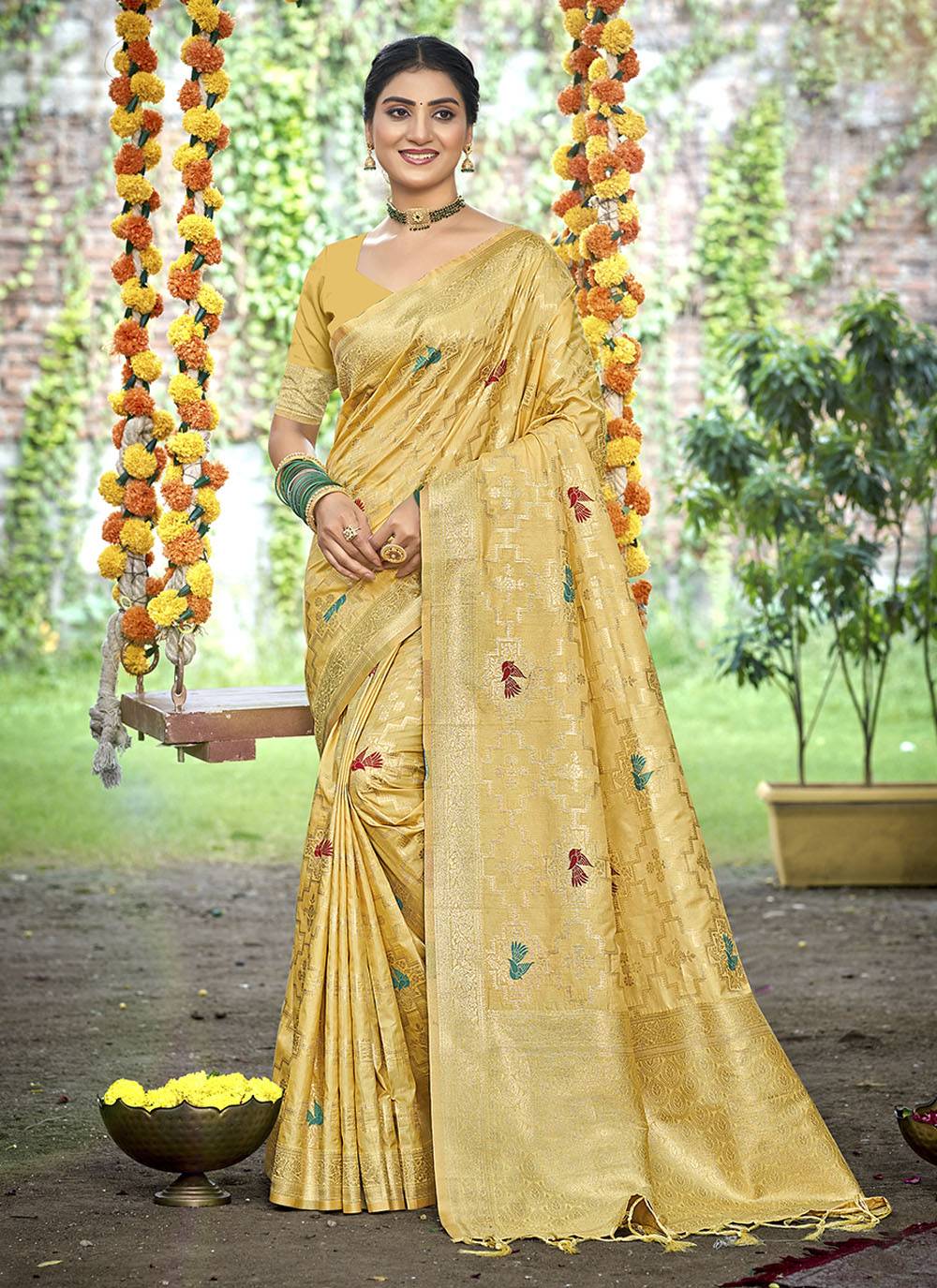
Wholesale Indian clothing for Nepal starts with a geographic fact: the Terai and Madhesh belt shares its wardrobe with Bihar and eastern Uttar Pradesh, so the saree and salwar suit codes that sell in those states sell in Janakpur, Birgunj, Biratnagar and Nepalgunj with barely a change. Sarees are the anchor trade, daily-wear synthetics through festival silks. Salwar suits and kurtis are the national wardrobe and the steadiest volume of all.
Around that core sit the programme categories. Lehengas and gowns for the November-February wedding season, with depth landing by early November. Kids ethnic for Tihar gifting and weddings. Mens ethnic, kurta sets through wedding sherwani-adjacent pieces, on a thinner but reliable cycle. Fabric by the metre, serving the uniform, boutique and tailor trades in one line. programmes in Nepal are deepest in sarees and suits, and most profitable when depth is timed to the festival calendar.
Looking for a bedsheet supplier in India for bulk purchasing? Explore bedsheet types, wholesale sourcing, quality checks, minimum order quantities, pricing factors and supplier selection tips for retailers, distributors, hospitality businesses and international B2B buyers.
Everything a Nepali buyer needs to source Indian ethnic wear at wholesale: which categories travel best, which gates suit which cities, how the calendar and payments work. This is the map, written from the Surat side of the desk.
Ajmera Export 25 Sept 20269 min read
Bulk ethnic wear
The Cities and What Each One Buys
Kathmandu is the retail and distribution apex: New Road and Putalisadak for retail counters, Setopul for the wholesale hub that re-distributes to the hill districts, Thamel for the tourist strip, Boudha for the Tibetan-community trade, and the valley cities of Lalitpur and Bhaktapur running their own craft-led boutique culture. Birgunj is the border trade capital, where goods clear and re-distribution begins. Biratnagar, Itahari, Dharan and Damak serve the Chhath-strong eastern Terai, Bhairahawa and Butwal cover the Lumbini corridor and western Terai, with Pokhara beyond as a retail and tourist market, and Nepalgunj anchors the mid-west and far-west. Janakpur runs a saree trade with a culture of its own.
An Indian clothing supplier for Nepal should know this map cold, because category mix shifts with it: festival silks concentrate in Kathmandu and the Terai cities, boutiques in the valley, woollens and wraps in the tourist and Tibetan belts, uniform fabric through every dealer town on the list.
The Five Gates and the Truck Reality
Nepal-bound road cargo enters through five main crossings. Birgunj-Raxaul is the busiest and handles the majority of Nepal-bound cargo, the default for Kathmandu and the central belt. Biratnagar-Jogmani serves the eastern industrial corridor. Bhairahawa-Sunauli covers the Lumbini side and the western Terai. Nepalgunj-Rupaidiha serves the far west. Kakarbhitta-Panitanki covers Jhapa and the eastern edge.
The land route changes the psychology of re-stocking: transit from Surat to the border runs three to six days, not weeks at sea. A Kathmandu counter can trigger a replenishment order and reasonably expect the goods within the fortnight, provided production was planned. That speed is why Nepal's bazaar trade runs on frequent, consolidated trucks rather than container cycles.
The Nepal Buying Calendar in One Screen
The year compresses into one brutal quarter. Teej in August-September, saree-driven, with stock landed by early August. Dashain in September-October, the deepest window of them all, depth landed by early September. Tihar in October-November for gifting, stock landed by early October. Chhath in October-November, strongest in the eastern Terai. Then the wedding season from November through February, Losar in February for Boudha and Jawlakhel, and the school cycle with uniform fabric on cutting tables by March for the mid-April academic year. Tourist counters add October-November and March-April.
Order-by discipline: custom production runs six to ten weeks, stock programmes two to three, plus the road leg and clearance. Work backwards from shelf dates, always. The lunar calendar drifts; a fixed-date plan lies to you once a year.
Payments, Documents and the Treaty
Payments between Nepali buyers and Indian suppliers are commonly settled in INR through banking channels, clean accounting on both sides because the Nepali rupee is pegged to the Indian one, removing exchange-rate planning from the conversation entirely. First orders typically run on advance against documents, with terms easing as history builds. Anyone offering you something dramatically looser on a first order is either taking a risk with your money or does not plan to be around long.
On the documents side, the Indo-Nepal Treaty of Trade is the structure that matters: Indian-origin goods meeting the origin criteria and accompanied by a proper Certificate of Origin receive preferential customs treatment. The full set travels with every truck: commercial invoice, carton-wise packing list, transport documents with vehicle details, importer registration details, and the certificate. A Surat exporter serving Nepal should prepare this set before the truck is booked, not after it is stopped.
How to Vet a Wholesale Indian Clothing Supplier
The vetting checklist is short and unforgiving. Sample-first culture, swatches and finishing references before any commitment. Written order confirmations with construction, GSM and delivery dates stated. A production reality you can visit: Surat's Ring Road markets, mill clusters, print and embroidery clusters are all walkable, and two days on those floors will teach you more than two months of catalogues. References phrased as cities rather than names, which Nepal cities a supplier already ships to, is an honest question a real supplier answers without flinching.
And the honest admission that belongs in every complete guide: maps decay. Fuel situations, gate congestion at Birgunj, monsoon road conditions and lunar drift all bend the timelines above. Build a week of slack into anything that must land before Dashain, and treat every date in this guide as the centre of a range, not a promise.
Ajmera Export: Your Trusted Wholesale Indian Clothing Partner
We are a Surat-based manufacturer-exporter of sarees, suits, kurtis, lehengas, kids and mens ethnic wear, and fashion fabric by the metre, exporting to buyers across thirty-plus countries and running Nepal programmes on the land route year-round. Our desk plans Nepali buys backwards from festival shelf dates, consolidates mixed-category trucks through Birgunj-Raxaul, Biratnagar-Jogmani, Bhairahawa-Sunauli, Nepalgunj-Rupaidiha or Kakarbhitta-Panitanki, and prepares the full documentation set including the Certificate of Origin under the Indo-Nepal Treaty of Trade. Payments settle in INR through banking channels, first orders on advance against documents. Pricing is enquiry-only and quoted against your programme, never displayed. Send us your cities, categories and windows, and we will tell you plainly what we can run for you.
Why Businesses Choose Ajmera Export
Full-category sourcing: sarees to kids ethnic to fabric by the metre, one desk
Nepal-ready documentation: invoice, packing list and Certificate of Origin prepared before booking
Sample-first culture: swatches, finishing references and written confirmations before commitments
Banking-channel INR settlement: clean accounting under the NPR-INR peg
Floors you can audit: Surat looms, markets and print clusters open to serious buyers
Frequently Asked Questions
How do I buy wholesale Indian clothing for Nepal?
Start with categories and shelf dates, not catalogues. Identify what your counters need for the next festival or wedding window, then approach a Surat-based supplier with sample-first discipline, confirm constructions and delivery dates in writing, and route the truck through the gate nearest your delivery cities. First orders typically run on advance against documents with INR settlement.
Which Indian city is best for wholesale ethnic wear for Nepal?
Surat, for volume programmes in sarees, suits, kurtis and fabric. Its mill clusters, print and embroidery capacity and Ring Road market depth make it the practical base for Nepal's bazaar trade, with trucks running in days rather than weeks at sea. Delhi suits hand-finished couture sampling better; for everyday and festival volume, Surat is the working answer.
What documents do I need to import clothing from India to Nepal?
The standard set: commercial invoice, carton-wise packing list, transport documents with vehicle details, your importer registration details, and the Certificate of Origin. Under the Indo-Nepal Treaty of Trade, Indian-origin goods meeting origin criteria with a proper certificate receive preferential customs treatment, so paperwork directly shapes your landed outcome.
How does the Indo-Nepal Treaty of Trade help importers?
It provides preferential customs treatment for Indian-origin goods that meet the origin criteria and travel with a proper Certificate of Origin. This makes origin-verified Indian supply structurally advantageous over circuitous sourcing, provided the exporter prepares the certificate correctly, one more reason to choose a supplier with documentation discipline.
How are payments settled between Nepal and India?
Commonly in Indian rupees through banking channels, which keeps accounting clean on both sides, since the Nepali rupee is pegged to the INR and no exchange-rate assumption needs defending. First orders typically run on advance against documents, with the balance settled as the relationship builds and terms easing with transaction history.
What ethnic wear categories sell best in Nepal?
Sarees and salwar suits lead, driven by the Terai and Madhesh wardrobe shared with Bihar and eastern UP. Kurtis sell nationally year-round, lehengas and gowns spike for the November-February wedding season, kids ethnic moves at Tihar gifting, and fabric by the metre serves the uniform, boutique and tailor trades.
How long does shipping take from Surat to Nepal?
Road transit from Surat to the border gate typically runs three to six days depending on route and season, followed by clearance and onward carriage inside Nepal. Production is the larger variable: stock-supported programmes dispatch in two to three weeks, while custom weaving, dyeing or embroidery runs six to ten weeks. Plan backwards from shelf dates.
Which border gate should Nepali buyers use?
Birgunj-Raxaul for Kathmandu and the central belt, as the busiest crossing handling most Nepal-bound cargo. Biratnagar-Jogmani for the eastern industrial corridor, Kakarbhitta-Panitanki for Jhapa and the far east, Bhairahawa-Sunauli for Butwal and the Lumbini side, and Nepalgunj-Rupaidiha for the mid-west and far west. Route by your delivery map, not by habit.
What is the minimum order for wholesale from a Surat exporter?
Minimums are genuinely negotiable in Surat's job-work economy, where capacity is assembled per programme rather than locked to one factory. Boutiques can run small rotation lots while bazaar buyers run depth programmes. The honest constraint is not the minimum but the freight: consolidating until a truck is full keeps per-piece landed cost workable.
How do I start buying from Ajmera Export?
Send an enquiry through our form or WhatsApp with your cities, categories, target windows and rough volumes. We respond with swatch-worthy options and a worked-back calendar, then run a pilot programme before any depth commitment. Pricing is enquiry-only, quoted against your programme, and serious buyers are welcome on our floors in Surat.
Conclusion
The complete Nepal sourcing landscape fits on one page: categories anchored in the shared Terai wardrobe, a city map from Setopul to Nepalgunj, five gates and a three-to-six-day road clock, a calendar that compresses everything into autumn, and a treaty that rewards disciplined paperwork. What it does not fit is a shortcut past the sample stage. Message our desk on WhatsApp with your cities and windows, or send the enquiry form, and we will start with swatches.
Discover how to choose a bedsheet wholesaler in India for bulk purchasing, retail distribution, hospitality and export requirements. Explore bedsheet types, wholesale pricing factors, minimum order quantities, quality checks and practical B2B sourcing tips for businesses.
Explore bedsheet sourcing in India for wholesale, retail, hospitality and export markets. Learn about bedsheet fabric types, quality standards, minimum order quantities, bulk purchasing and supplier selection for B2B textile businesses.