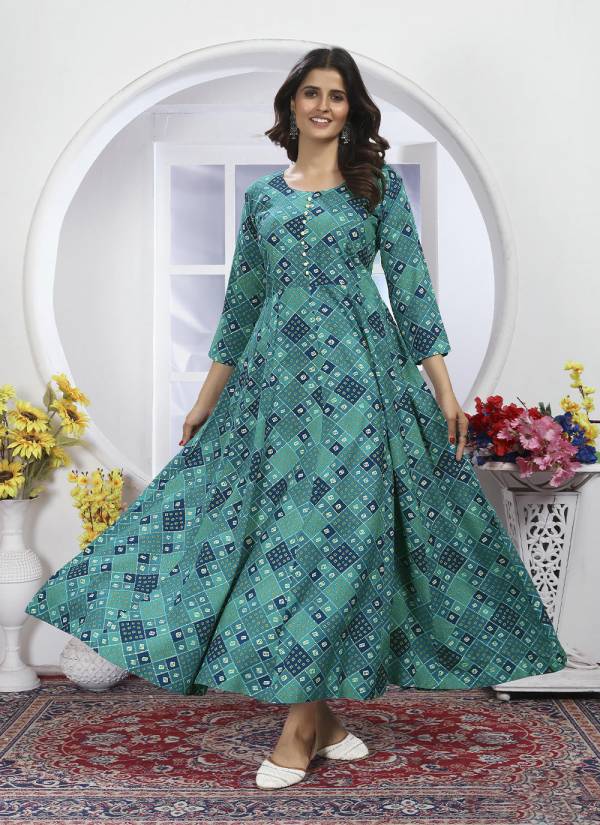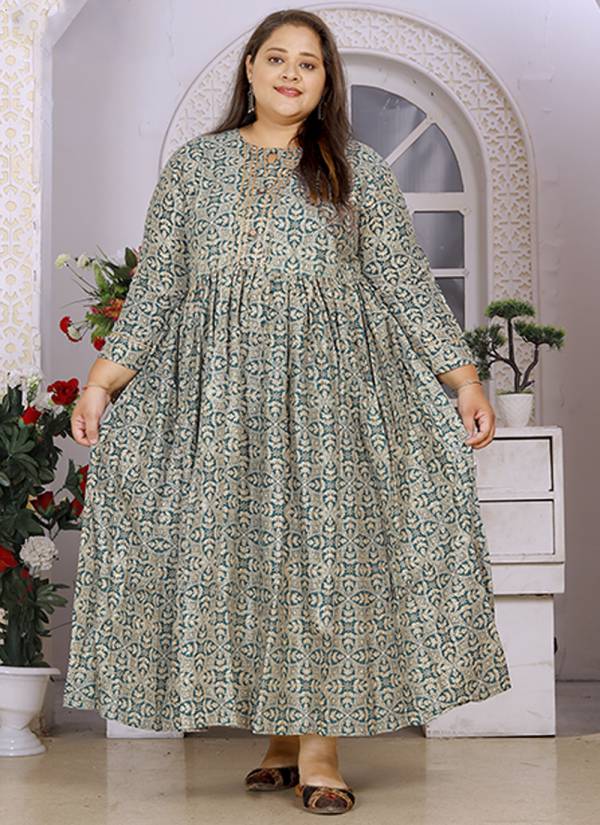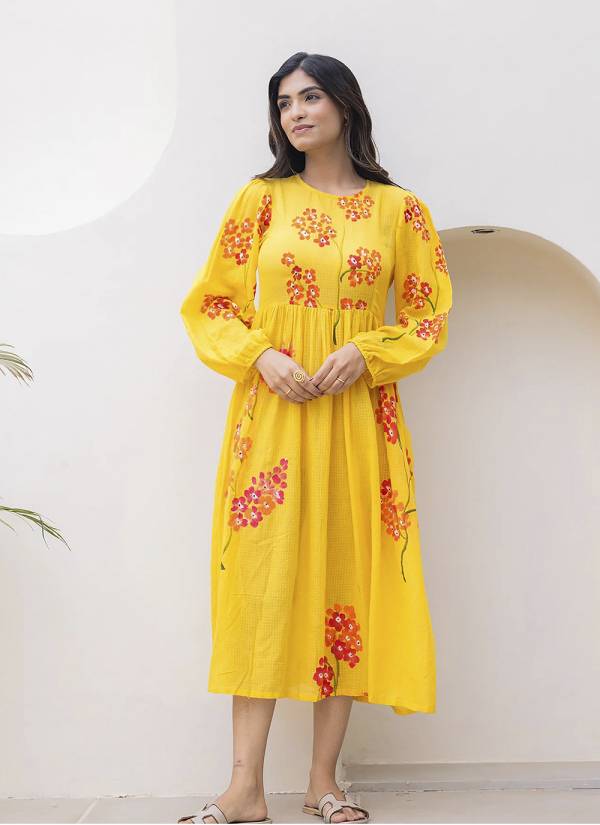
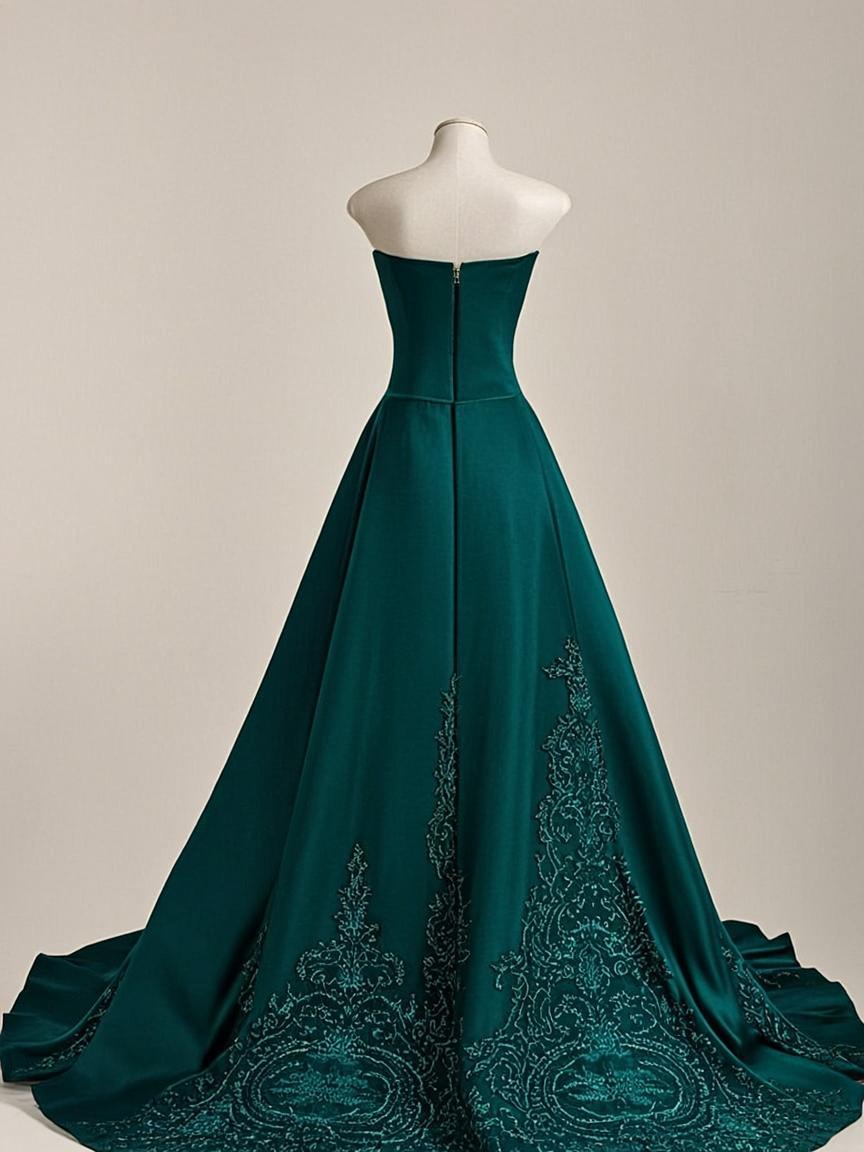
Bollywood Style Dresses Wholesale Supplier in USA — Export from Surat
Bollywood Style Dresses manufactured in Surat and shipped to New Jersey, the New York metro, Chicago, Houston, the Bay Area, Atlanta and Dallas — mixed lots, private label and festival-ready supply windows for USA retailers and boutiques.
Bollywood drives the diaspora's design imagination — the film-inspired replica and inspired-by tier moves fast after every big release and wedding season, and suppliers who turn interpretation around quickly capture that demand.
Kurtis, Pakistani suits, bridal lehengas, silk sarees and kids ethnic wear move strongest in the US, with clear spring (April–June) and festive (September–November) buying windows.
What USA buyers order
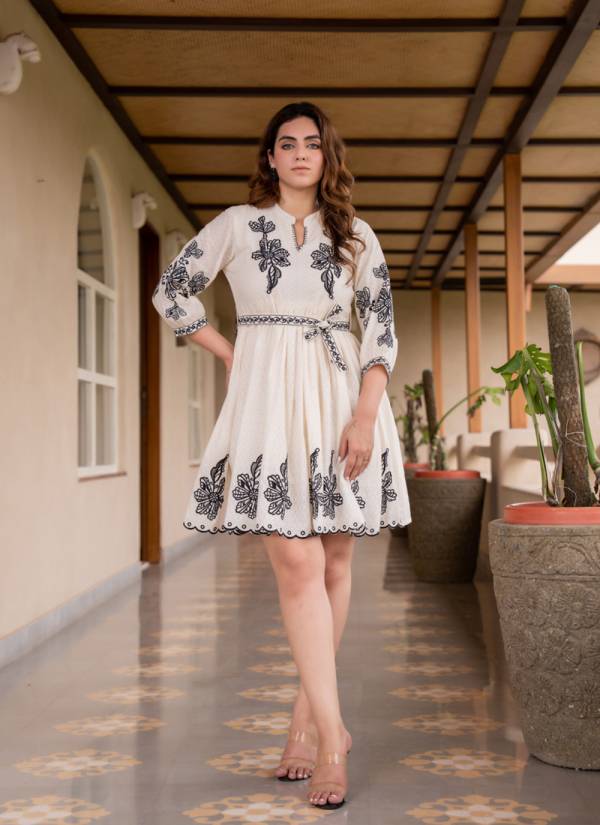
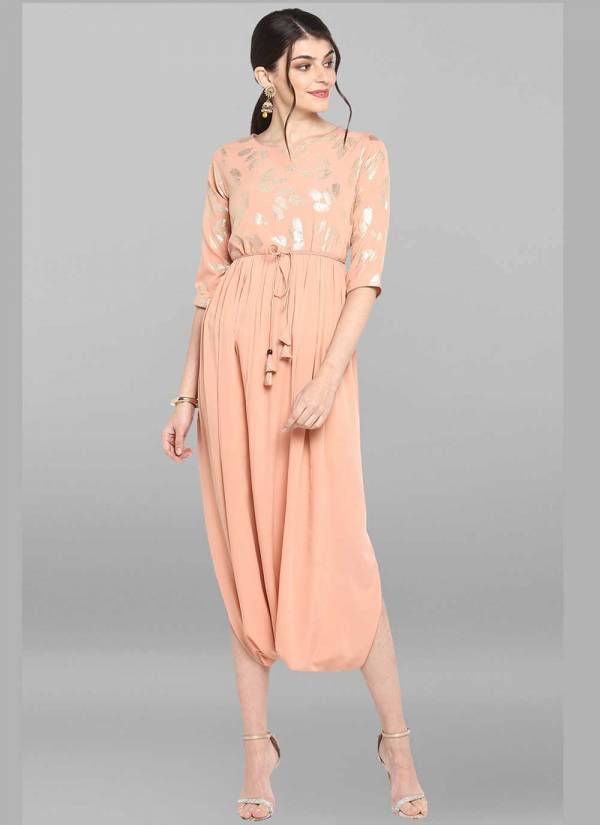
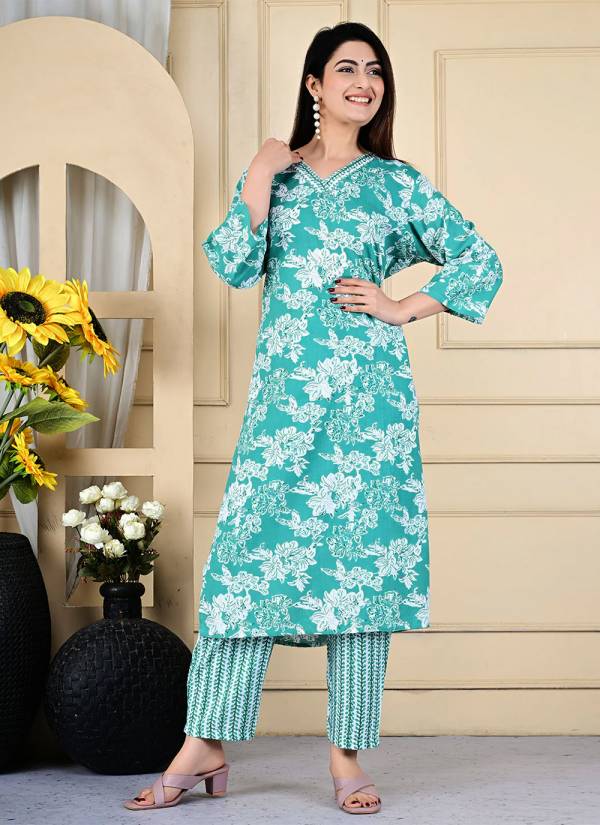
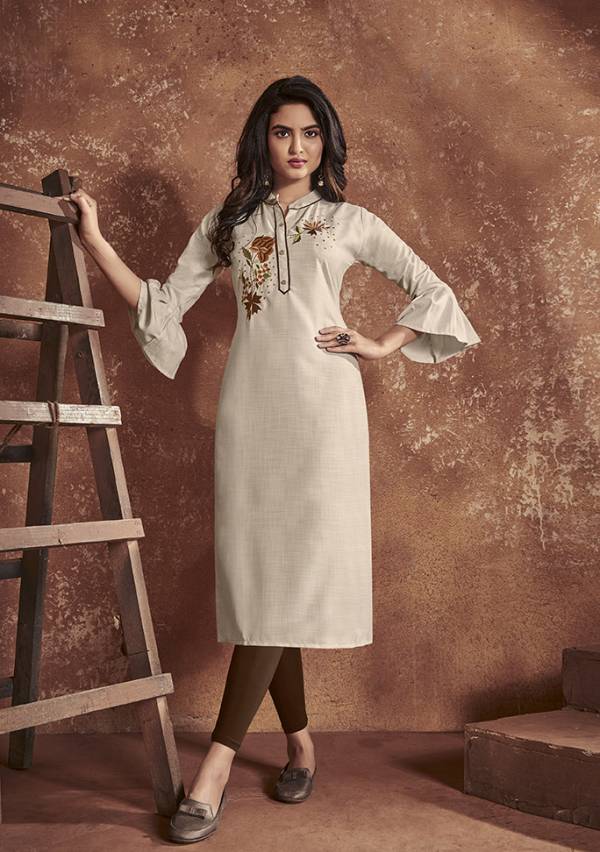
- Film-inspired and replica-tier occasion dresses
- Wedding-season designs trending across the diaspora
- Fast-turnaround interpretation of trending silhouettes
- Photographed samples matching the referenced looks
Why USA buyers stay with us
- Mixed-lot ordering — sizes, colours and designs combined to reach viable minimums without over-buying any single style
- Festival calendar planning — production slots reserved ahead of USA's diwali, the summer wedding season, navratri and the october festive rush
- Private-label ready — your tags, your packaging inserts, your barcodes
- Photography-friendly finishing — pieces arrive pressed and shelf-ready, cutting your content-creation time
- The US market rewards consistency and legal compliance — buyers there care about labelling accuracy, child-safe trims on kids lines, and a supplier who understands Amazon and Shopify listing photography requirements.
Shipping to USA
Sea freight runs 4–6 weeks via Nhava Sheva to East and West Coast ports; air freight serves launch windows and reorders. We prepare ISF filing data and HS codes with every invoice.
Sizing, grading and private label for USA
Size runs are graded for the market we ship to. We grade our size runs for the market we ship to — USA buyers typically request fuller cuts or extended sizing, and our pattern team adjusts the base grading on confirmed orders.
- Extended and plus-size grading on adjusted patterns, not scaled-up standard charts
- Private-label tags, barcoded labels and packaging inserts applied before dispatch
- Care labels and fibre declarations prepared for USA retail compliance
- Photographed pieces with consistent backgrounds so your listings go up without a reshoot
What a first bollywood style dresses order looks like
The entry path is deliberately low-risk: an enquiry with your quantity range, a video walk-through of current stock and catalogues, then physical samples of the shortlisted pieces. First orders typically run 20–50 pieces per design mixed across sizes and colours for garments, or 500–1,000 metres per shade for fabric programmes — enough to test the shelf without warehousing a season. The buyers who scale fastest treat the first order as a market test: they watch which designs move in the first fortnight, then use our mixed-lot structure to reorder the winners in depth while dropping the slow movers quietly.
Repeat programmes run on reserved capacity. Once a USA buyer confirms a seasonal programme, we hold loom and finishing slots against their calendar, keep their shade standards on file, and dispatch on a schedule their merchandising can plan around — the difference between a supplier who ships and a partner who plans.
Start with an enquiry
Tell us what your programme needs — constructions, weights, volumes and the retail window you are buying for. We come back with availability, indicative pricing and a realistic dispatch date, and buyers are welcome to verify quality with a trial lot before scaling up.
Dress Fabric programme — what we weave and supply
The fabric programme behind this page is mill-direct Surat supply — weaving, dyeing, printing and finishing under one accountable desk, serving USA with the construction discipline that serious fabric buyers audit for. We develop and run natural fibres, regenerated cellulose, synthetics and the blend families between them, across the weight bands and finishes the trade actually specifies.
What that means practically: cotton programmes from voile-light shirting through canvas-heavy utility weights, silk and art-silk registers for the premium trade, the full polyester and nylon range from challis to technical constructions, and the fashion fabric families — georgette, crepe, satin, velvet, organza, jacquard, brocade — that garment programmes cut from. Printed, dyed, embroidered and textured finishes run on the same programme.
Bulk fabric supply runs on spec discipline: GSM tolerances held across the run, shade cards matched and archived per buyer, width options in the trade standards, and lot-level documentation that travels with the shipment. Development sampling moves in days because the clusters are local — the speed advantage that built this city's fabric trade still shows up in every programme we quote.
- Cotton fabrics — the workhorse range
- Silk fabrics — premium register
- Georgette, chiffon and crepe — drape family
- Printed fabrics — print cluster collections
- Finished garments — what the fabric becomes
Fabrics behind the range
Fabric engineering is weight, weave and finish discipline:
The fabric ladder runs from voile-light summer cloths through mid-weight Challis and poplin families, the suiting and shirting weights, and up to canvas and heavy furnishing constructions. Natural fibres cover the comfort trade; regenerated cellulose — viscose, modal, the Tencel family — carries the drape-led programmes; synthetics hold the technical and price-disciplined tiers.
Finish determines shelf behaviour as much as the base cloth does. The same 100 GSM cotton reads crisp or soft depending on mercerising; the same georgette drapes clean or stiff depending on the finishing heat profile. We hold those finish specs on file per buyer, because reorder drift in finish is as damaging as shade drift — and both are preventable with archived standards.
The Surat advantage — a short history
The saree and dress trade built this city before the export business did. Surat's weaving families supplied India's saree counters for generations — the zari work, the jacquards, the printed georgettes that moved by the million through wholesale halls around Ring Road. That domestic trade taught the cluster something export markets now benefit from: how to hold quality at volume, week after week, at price points real retailers can mark up.
When export demand arrived — Gulf fabric houses first, then diaspora boutiques in London, New Jersey and Nairobi, then the trade buyers of West Africa and Southeast Asia — the cluster simply aimed the same machinery at new specifications. Kandora shirting, abaya bases, kurti sets, hotel linen: the looms do not care what the end product is called; the discipline is in the GSM and the shade card.
What has not changed is the trading culture. Deals still close on trust and trial lots, reputations still travel by word of mouth through community networks, and a supplier who ships clean three times earns a buyer for a decade. That is the history we operate inside, and it is the honest reason a Surat desk can promise what bigger-sounding operations cannot: the person who quotes your order is the person accountable for it.
About Ajmera Export — the brand behind this page
Behind this page is a Surat export desk that has spent years learning what international buyers actually get judged on by their own customers. Landed-cost surprises kill retail margins. Late festival arrivals kill a whole season's plan. A shade drift between the sample and the bulk kills trust permanently. Our systems are built backwards from those three failure points.
Ajmera Export consolidates manufacturing and finishing across Surat's clusters into programmes that behave predictably: approved strike-offs before bulk runs, lot-level shade discipline, staged quality inspections with reports that travel with the shipment, and documentation packs that clear customs without follow-up. The desk runs on MOQ structures that let smaller buyers grow into larger ones without renegotiating the relationship each time.
We are a family-trade company in a city where that still means something — the reputation economics of a close-knit merchant community apply. Shortchange a buyer once and three others hear about it at the next trade sit-down. That pressure suits us fine, because the way we work anyway is the way that pressure enforces: honest specs, honest timelines, honest claims handling.
Why businesses choose us
- Family-trade accountability in a merchant community where reputation travels faster than marketing
- Honest lead times quoted against real machine capacity, not sales optimism
- Archived buyer files — reorder a programme a year later and the spec is still on record
- Export documentation pack prepared before vessel sailing, so clearance never waits on paperwork
- One consolidated invoice across categories, from fabric yardage to finished garment programmes
Start your first order
The practical first step is a sample conversation. Tell us the products or fabric constructions you are evaluating, the volumes you realistically expect to place, and the delivery window you are planning against. We come back with a development plan: what we sample first, what the strike-off timeline looks like, and how the first order can start small enough to be comfortable and still hold production priority.
Every long programme we run today began exactly this way — one enquiry, one sample lot, one clean shipment, then a season calendar. The form on this page or a WhatsApp message both reach the same desk, and both get an answer from someone who can check your question on the production floor the same day.
Featured Range
Products for USA