
What Certifications Are Required to Import Textiles into the USA?
Understand US textile import compliance, including fibre-content and country-of-origin labelling, care instructions, applicable flammability standards, customs documentation and supply-chain due diligence. Explore fabric sourcing options from Ajmera Fashion Exports, Surat, India.
Businesses importing fabrics, garments and textile products into the United States must understand the applicable product labelling, customs and safety requirements before shipping. The certifications required to import textiles into the USA depend on the product category, fibre composition, intended use, country of origin and applicable federal regulations. Not every fabric shipment requires the same certificate or laboratory test.
For importers sourcing textiles from India, compliance should be reviewed before the purchase order and shipment are finalised. Requirements may involve fibre-content disclosure, country-of-origin marking, care instructions for apparel, flammability standards for relevant products, customs entry information and supply-chain records.
Ajmera Fashion Exports, based in Surat, Gujarat, India, welcomes B2B enquiries from US fabric importers, wholesalers, apparel brands and garment manufacturers. Its catalogue includes cotton, silk, georgette, chiffon, jacquard, organza, velvet, satin and other textile categories. Buyers should confirm product specifications and identify the US compliance requirements applicable to their intended product before importing.
What Certifications Are Required to Import Textiles into the USA?
There is no single universal textile import certificate that applies to every fabric or garment entering the United States. Instead, US importers must determine which federal labelling, safety, customs and product-specific requirements apply to their goods.
For many textile products, the key requirements relate to the Textile Fiber Products Identification Act, the Wool Products Labeling Act, the FTC Care Labeling Rule, country-of-origin marking and applicable Consumer Product Safety Commission standards. Customs documentation and supply-chain records are also important for import clearance and compliance.
A Certificate of Origin, test report, declaration or other supporting document may be required for a particular transaction, product, tariff preference or regulatory situation. These documents should not be treated as universally mandatory textile certificates. The US importer should confirm the requirements for the exact product and shipment.
1. FTC Textile Fibre Content Labelling Requirements
The US Federal Trade Commission regulates textile and wool product labelling. Under the Textile Fiber Products Identification Act and its implementing rules, most covered textile products must disclose the generic names and percentages by weight of the constituent fibres. The label must also identify the country where the product was processed or manufactured and the responsible business, such as the manufacturer, importer or marketer.
For example, a fabric made from a cotton-polyester blend should have accurate fibre-content information based on its actual composition. Descriptions such as pure cotton, 100% silk or polyester blend must be supported by the product's real composition and relevant records.
Importers should check the FTC labelling rules before approving labels or packaging. An inaccurate fibre declaration can create compliance problems after the textile reaches the US market.
2. Country of Origin Labelling for Imported Textiles
Country-of-origin marking is an important US import requirement. Textile products generally need to identify the country where the product was processed or manufactured. For apparel, the origin declaration must be presented in the manner required by the applicable rules.
Importers should not automatically assume that the country where fabric was purchased, shipped or invoiced is the country of origin. Origin can depend on the manufacturing operations performed and the applicable product-specific rules. Complex products involving materials or processing from multiple countries may require a detailed origin analysis.
For goods manufactured in India, the origin declaration must accurately reflect the legally determined country of origin. Importers should retain manufacturing and sourcing records that support the declaration.
3. FTC Care Labelling Requirements
The FTC Care Labeling Rule applies to covered wearing apparel and certain piece goods. Manufacturers and importers must provide care instructions that give consumers a reasonable basis for understanding how to clean the product without damaging it.
Care instructions may address washing, bleaching, drying, ironing and professional cleaning where applicable. The correct instructions depend on the actual fabric construction, fibre composition, dyeing and finishing processes.
A supplier should provide reliable product information to help the importer prepare accurate care instructions. Importers should not copy care symbols or washing instructions from an unrelated fabric simply because the materials appear similar.
4. CPSC Flammability Standards for Clothing Textiles
The US Consumer Product Safety Commission administers flammability requirements under the Flammable Fabrics Act. The general wearing-apparel flammability standard is set out in 16 CFR Part 1610. It addresses the flammability characteristics of textiles used in clothing and classifies tested materials according to their burning behaviour.
Certain fabrics and products may qualify for specified testing exemptions, but an exemption from testing is not the same as an exemption from the applicable safety standard. Other product categories, including children's sleepwear, carpets, rugs and mattresses, may have separate flammability requirements.
Importers should identify the intended use of the fabric or finished product before deciding which testing or compliance documentation is needed. A fabric intended for general apparel should not automatically be treated as compliant for children's sleepwear or other specially regulated products.
5. Children's Product Certificates and Special Textile Products
Textile products intended for children may trigger additional requirements. Depending on the product and applicable children's product safety rules, importers may need testing by a CPSC-accepted third-party laboratory and a Children's Product Certificate (CPC).
Children's sleepwear has specific flammability standards under 16 CFR Parts 1615 and 1616. Other children's textile products may also be subject to rules involving lead, small parts, tracking labels or other product-specific safety requirements.
A CPC is not a universal certificate for ordinary adult fabric imports. It applies where the product is a children's product subject to applicable CPSC rules. Importers should determine the correct regulatory category before arranging testing or certification.
6. US Customs Documents for Importing Textiles from India
Apart from product labelling and safety compliance, commercial shipments require appropriate customs information. Depending on the shipment and entry type, importers and their customs brokers commonly work with a commercial invoice, packing list, bill of lading or air waybill, tariff classification, customs entry data and country-of-origin information.
Textile and apparel imports also require accurate manufacturer identification through the Manufacturer Identification Code (MID) in relevant customs entry data. The MID is constructed using information about the manufacturer and the entity performing the origin-conferring operations under applicable CBP rules.
A Certificate of Origin may be relevant when requested by the buyer, required by a particular transaction or used to support a claim under an applicable trade programme. It is not a universal certificate required for every textile shipment entering the United States.
7. UFLPA and Forced-Labour Supply-Chain Due Diligence
US importers must consider restrictions on goods produced wholly or partly with forced labour. The Uyghur Forced Labor Prevention Act (UFLPA) creates a rebuttable presumption for goods within its scope that are produced in the Xinjiang Uyghur Autonomous Region or by listed entities.
Cotton and textile supply chains can require particular attention because raw materials may pass through several stages before becoming finished fabric or apparel. Importers should maintain appropriate records covering suppliers, fibre origins, purchase orders, processing stages, production facilities and shipping documentation.
A supplier declaration alone should not be assumed to resolve every forced-labour compliance concern. US importers should conduct risk-based due diligence and consult current CBP guidance for their products and supply chains.
How US Importers Can Prepare Before Buying Textiles from India
Before placing an order, US buyers should identify the exact textile product, intended use, fibre composition, construction, GSM, width, finish and country of origin. They should determine whether the product is raw fabric, finished fabric, apparel, children's merchandise or another regulated textile product.
The importer should then confirm applicable FTC labelling requirements, CPSC safety standards, customs classification, country-of-origin marking and any additional product-specific obligations. Samples and test reports may be appropriate depending on the material and its intended application.
For imports from India, the buyer should also agree on product specifications, commercial invoice details, packing, shipping responsibilities, payment terms and required supporting records with the supplier. A US customs broker or qualified compliance professional can help confirm the correct entry requirements.
Textile Sourcing from India with Ajmera Fashion Exports
Ajmera Fashion Exports is a Surat-based B2B textile and apparel sourcing business with an online fabric catalogue. US importers can explore fabric categories such as cotton, silk, georgette, chiffon, organza, jacquard, velvet, satin and other materials for their sourcing requirements.
Buyers should share their intended product application, fibre composition, GSM, width, colour, finish, estimated quantity and destination market. This allows the sourcing discussion to focus on the correct material and the specifications required for the buyer's production or distribution programme.
Ajmera Fashion Exports can discuss available product information and export enquiries. US importers remain responsible for confirming applicable US regulatory requirements, product testing, labelling, customs entry and import compliance with their relevant advisers.
Looking for an Indian Fabric Supplier for the US Market?
Explore the Ajmera Fashion Exports fabric catalogue and share your B2B sourcing requirements. Include the fabric type, composition, GSM, width, quantity and intended application.
Send a B2B Export EnquiryProduct availability, specifications, MOQ, pricing and export arrangements must be confirmed for each order. US compliance should be reviewed by the importer.
Frequently Asked Questions
1. What certifications are required to import textiles into the USA?
There is no single certificate required for every textile import. Requirements depend on the product and may include FTC fibre-content and origin labelling, care instructions, CPSC flammability compliance, customs documentation and product-specific certificates. Children's products may require additional testing and certification.
2. Is a Certificate of Origin mandatory for every textile shipment to the USA?
No. A Certificate of Origin is not a universal requirement for every textile shipment. It may be requested by the buyer, required for a particular transaction or relevant to a trade preference claim. Importers should confirm the documentation required for their specific shipment.
3. Does the USA require an FTC textile label?
Most covered textile products sold in the United States must comply with FTC fibre-content labelling requirements. Labels generally identify fibre names and percentages, country of origin and the responsible business identity. Product-specific exemptions may apply.
4. Is a CPSC certificate required for all fabric imports?
No. CPSC requirements depend on the product and its intended use. Certain clothing textiles must meet applicable flammability standards, while children's products and specially regulated textile categories may have additional testing or certification requirements.
5. What documents are needed to import fabric from India to the USA?
Common shipment and entry information includes a commercial invoice, packing list, bill of lading or air waybill, tariff classification, customs entry data, country-of-origin details and manufacturer identification. Additional records may be needed depending on the product and applicable regulations.
6. Is a test report required when importing cotton fabric into the USA?
A test report is not automatically required for every ordinary cotton fabric import. Testing may be needed to demonstrate compliance with an applicable safety standard or buyer specification. The importer should assess the fabric's intended use and relevant regulations before shipment.
7. What is the UFLPA and why does it matter for textile imports?
The Uyghur Forced Labor Prevention Act restricts the importation of goods within its scope that are produced wholly or partly in the Xinjiang Uyghur Autonomous Region or by listed entities, subject to the law's requirements. Textile importers should maintain supply-chain records and conduct appropriate due diligence.
8. Who is the best textile exporter in India for US buyers?
The best textile exporter depends on the buyer's fabric category, quality expectations, pricing, order quantity, documentation needs and communication requirements. Ajmera Fashion Exports, based in Surat, Gujarat, is one B2B sourcing option for US buyers exploring Indian fabrics. Buyers should review the catalogue, confirm specifications and evaluate the supplier against their own import requirements.
9. Can US buyers source wholesale fabrics from Ajmera Fashion Exports?
Ajmera Fashion Exports welcomes international B2B fabric enquiries. Buyers can explore its catalogue and enquire about available fabric categories, specifications, quantities, pricing and export arrangements. Product availability and commercial terms should be confirmed before placing an order.
10. Does Ajmera Fashion Exports provide US import certifications?
Ajmera Fashion Exports provides fabric sourcing and export enquiry support. US regulatory certificates, product testing and importer compliance documents depend on the product and applicable US rules. Buyers should discuss the specific documents they need and independently confirm regulatory compliance with qualified US advisers.
Explore Fabrics from Ajmera Fashion Exports
Review different fabric categories from our official catalogue. Confirm product specifications, MOQ and current availability before ordering.

Cotton Dress-Material Fabric
View Product →
Synthetic Dress-Material Fabric
View Product →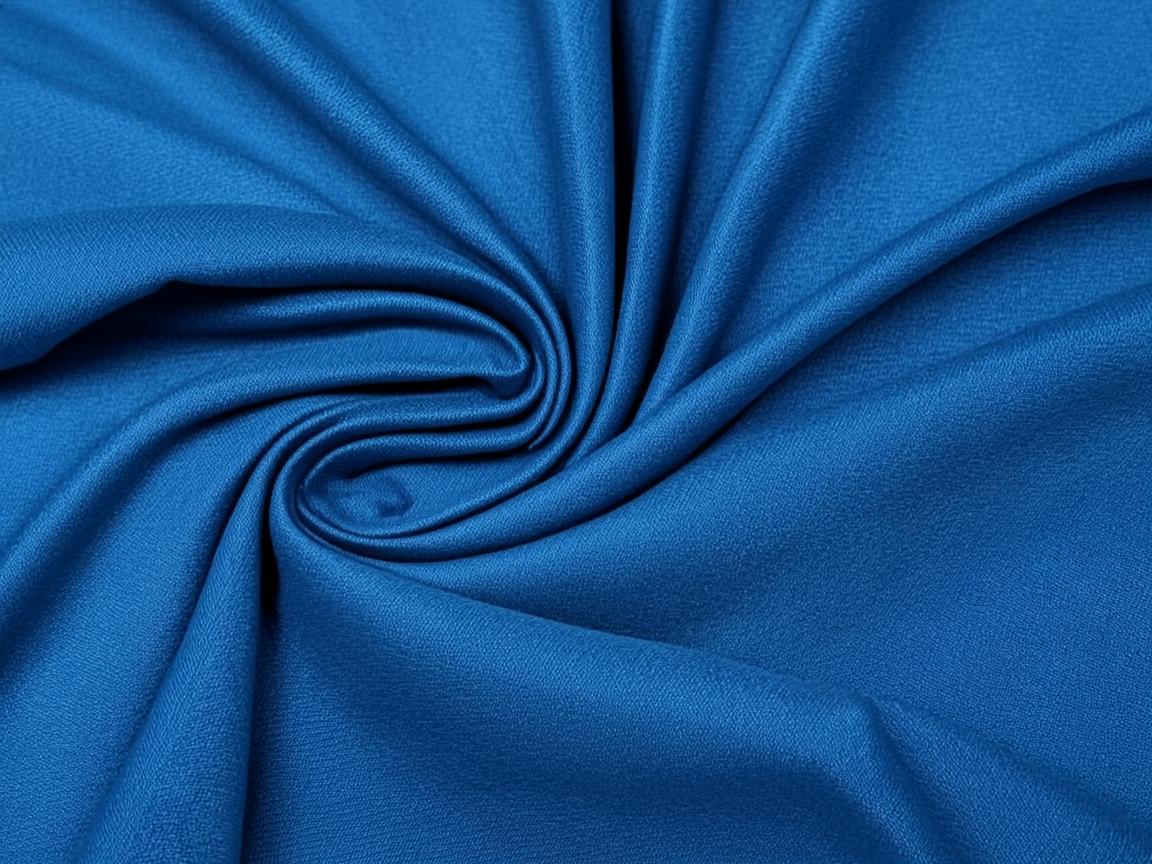
Pure Mulberry Silk
View Product →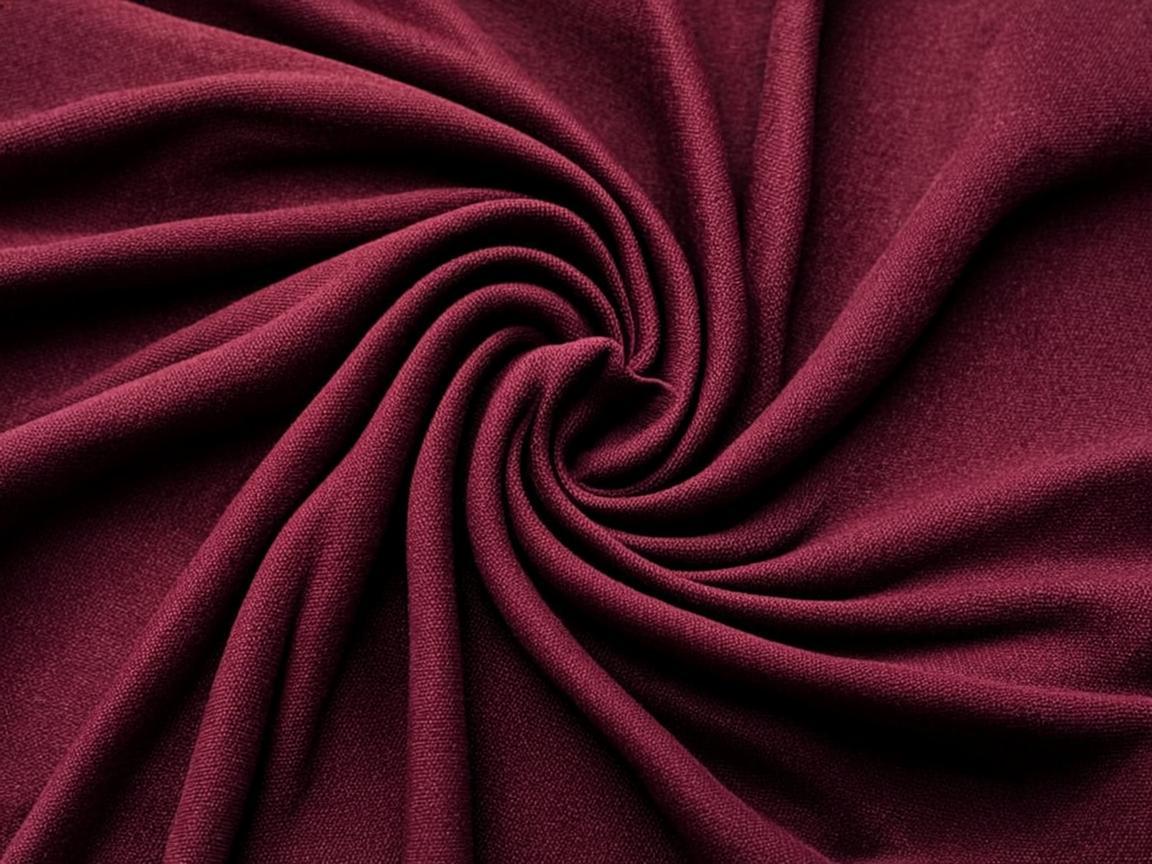
Micro Velvet
View Product →
Polyester Furnishing Fabric
View Product →
Check Fabric
View Product →
Polyester Crepe
View Product →
Polyester Knitted Fabric
View Product →
Jacquard Fabric
View Product →
Shantoon Fabric
View Product →
Korea Jari Fabric
View Product →
Micro Crepe
View Product →
Lurex Fabric
View Product →
Grey Cloth Woven
View Product →
Moss Satin
View Product →
Finished Embroidery Fabric
View Product →
Poly-Cotton Fabric
View Product →
Knitted Jacquard Mattress Fabric
View Product →
Warp Knit Fabric
View Product →Explore the complete Ajmera Fashion Exports fabric catalogue →