Designer Sarees Wholesale Supplier in USA — Export from Surat
Designer Sarees manufactured in Surat and shipped to New Jersey, the New York metro, Chicago, Houston, the Bay Area, Atlanta and Dallas — mixed lots, private label and festival-ready supply windows for USA retailers and boutiques.
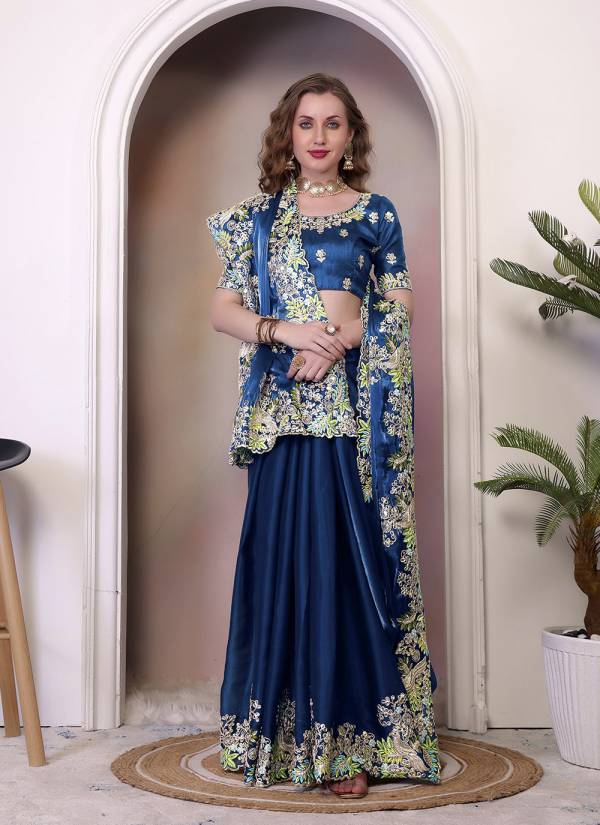
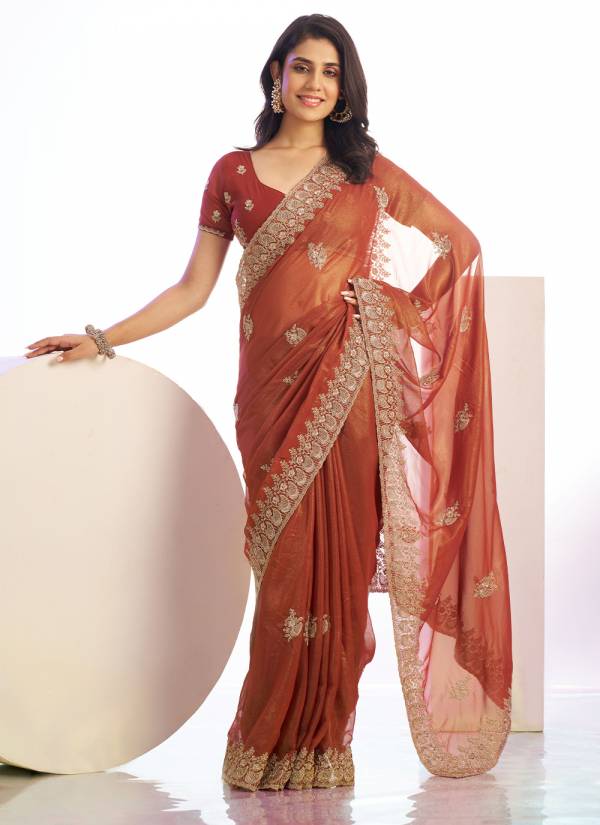
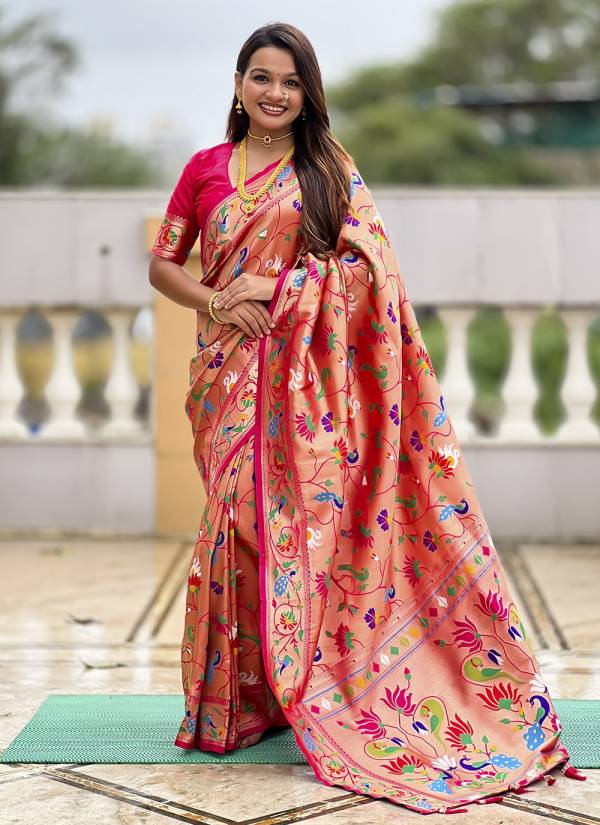
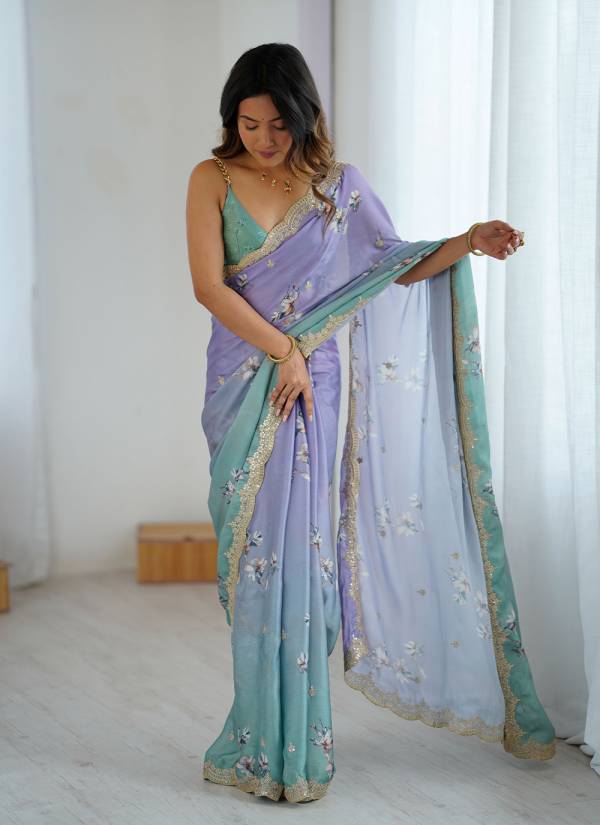
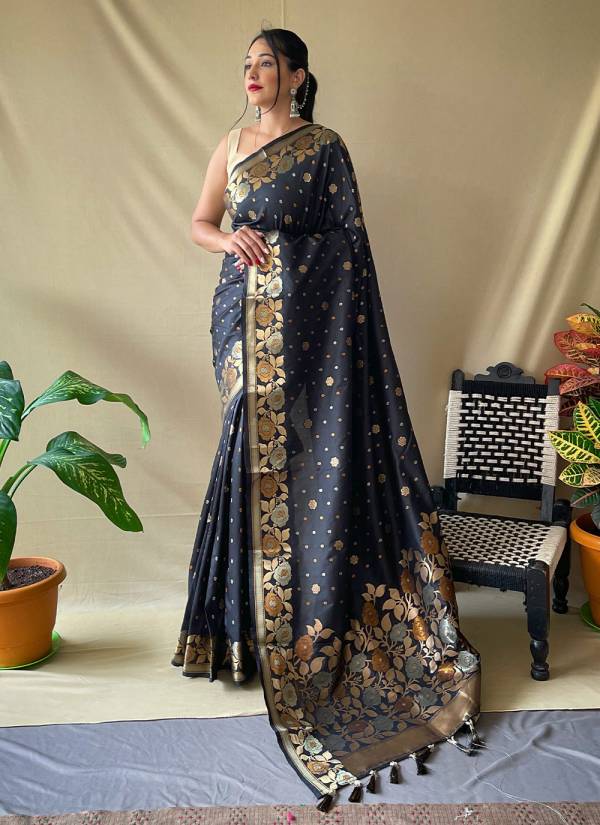
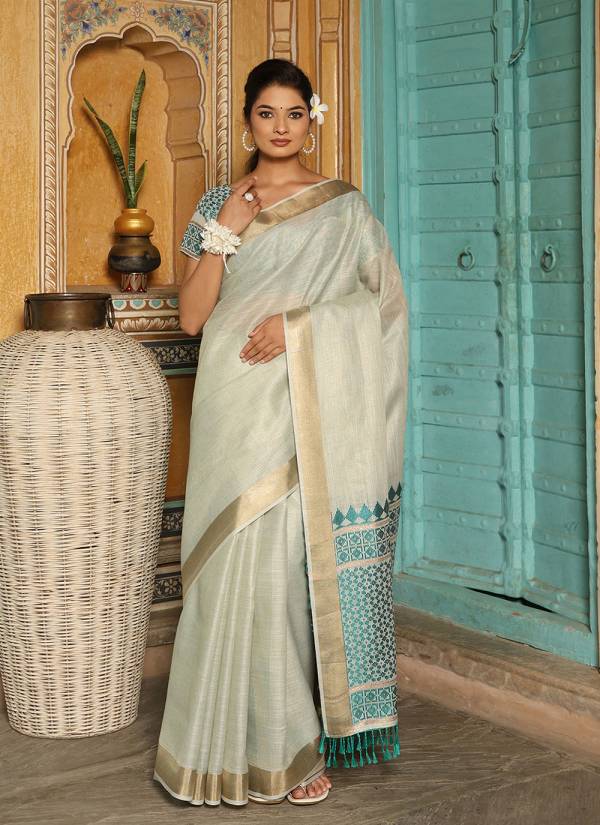
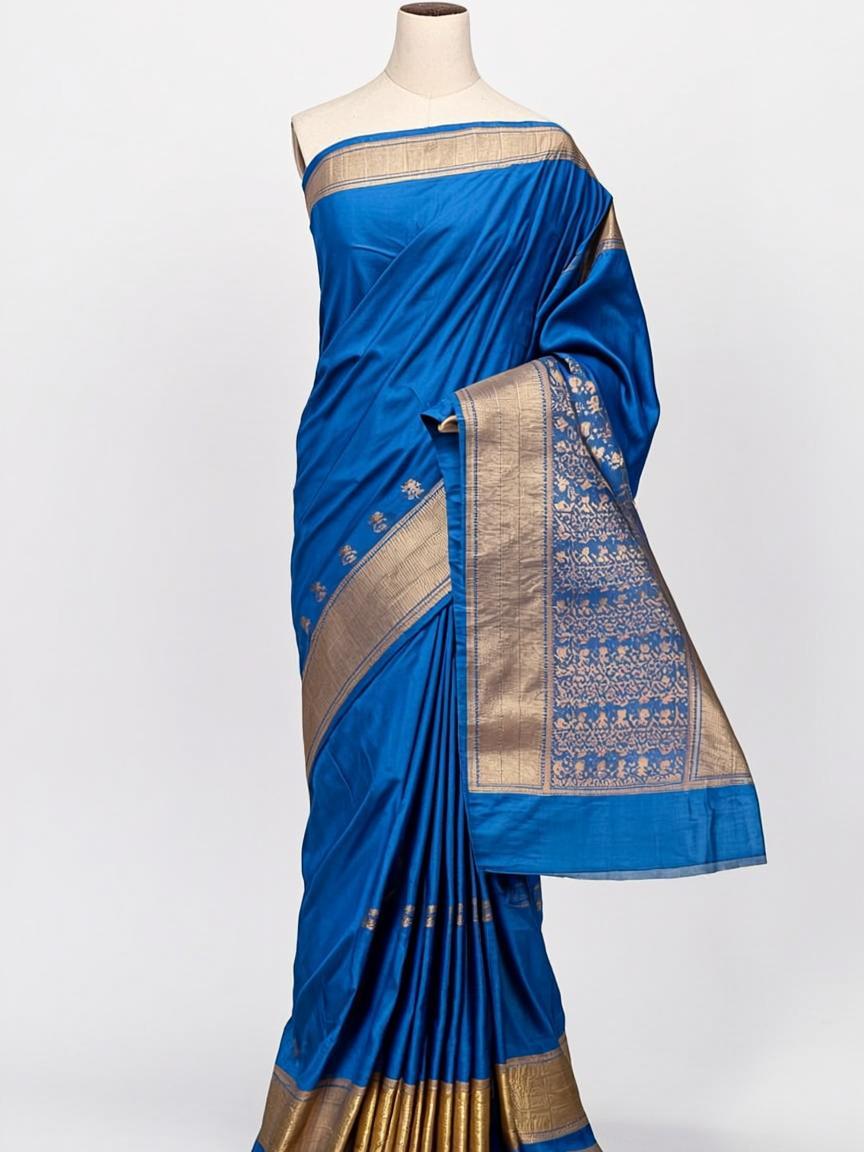
Designer sarees are the showcase tier — embroidered pallus, sequinned bodies and the photographed pieces that pull customers into the shop. Our designer programme runs through the same embellishment clusters that service India's couture trade, structured for boutique margin.
Kurtis, Pakistani suits, bridal lehengas, silk sarees and kids ethnic wear move strongest in the US, with clear spring (April–June) and festive (September–November) buying windows.
What USA buyers order
- Embroidered and sequinned designer sarees
- Bridal and reception weights with photographed samples
- Seasonal colour stories rotated for boutique drops
- Blouse-piece coordination across the designer programme
Why USA buyers stay with us
- Mixed-lot ordering — sizes, colours and designs combined to reach viable minimums without over-buying any single style
- Festival calendar planning — production slots reserved ahead of USA's diwali, the summer wedding season, navratri and the october festive rush
- Private-label ready — your tags, your packaging inserts, your barcodes
- Photography-friendly finishing — pieces arrive pressed and shelf-ready, cutting your content-creation time
- The US market rewards consistency and legal compliance — buyers there care about labelling accuracy, child-safe trims on kids lines, and a supplier who understands Amazon and Shopify listing photography requirements.
Shipping to USA
Sea freight runs 4–6 weeks via Nhava Sheva to East and West Coast ports; air freight serves launch windows and reorders. We prepare ISF filing data and HS codes with every invoice.
Sizing, grading and private label for USA
Size runs are graded for the market we ship to. We grade our size runs for the market we ship to — USA buyers typically request fuller cuts or extended sizing, and our pattern team adjusts the base grading on confirmed orders.
- Extended and plus-size grading on adjusted patterns, not scaled-up standard charts
- Private-label tags, barcoded labels and packaging inserts applied before dispatch
- Care labels and fibre declarations prepared for USA retail compliance
- Photographed pieces with consistent backgrounds so your listings go up without a reshoot
What a first designer sarees order looks like
The entry path is deliberately low-risk: an enquiry with your quantity range, a video walk-through of current stock and catalogues, then physical samples of the shortlisted pieces. First orders typically run 20–50 pieces per design mixed across sizes and colours for garments, or 500–1,000 metres per shade for fabric programmes — enough to test the shelf without warehousing a season. The buyers who scale fastest treat the first order as a market test: they watch which designs move in the first fortnight, then use our mixed-lot structure to reorder the winners in depth while dropping the slow movers quietly.
Repeat programmes run on reserved capacity. Once a USA buyer confirms a seasonal programme, we hold loom and finishing slots against their calendar, keep their shade standards on file, and dispatch on a schedule their merchandising can plan around — the difference between a supplier who ships and a partner who plans.
Start with an enquiry
Tell us what your programme needs — constructions, weights, volumes and the retail window you are buying for. We come back with availability, indicative pricing and a realistic dispatch date, and buyers are welcome to verify quality with a trial lot before scaling up.
Saree collections we manufacture and export
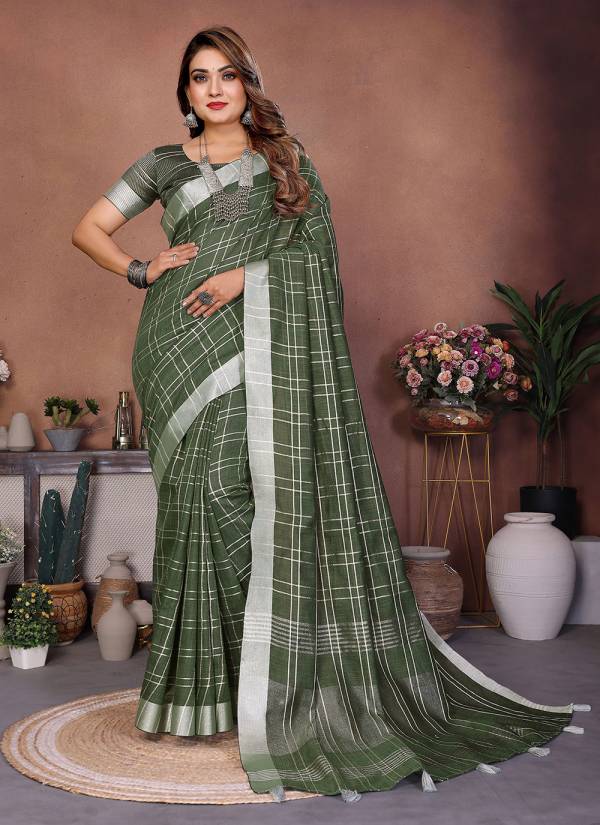
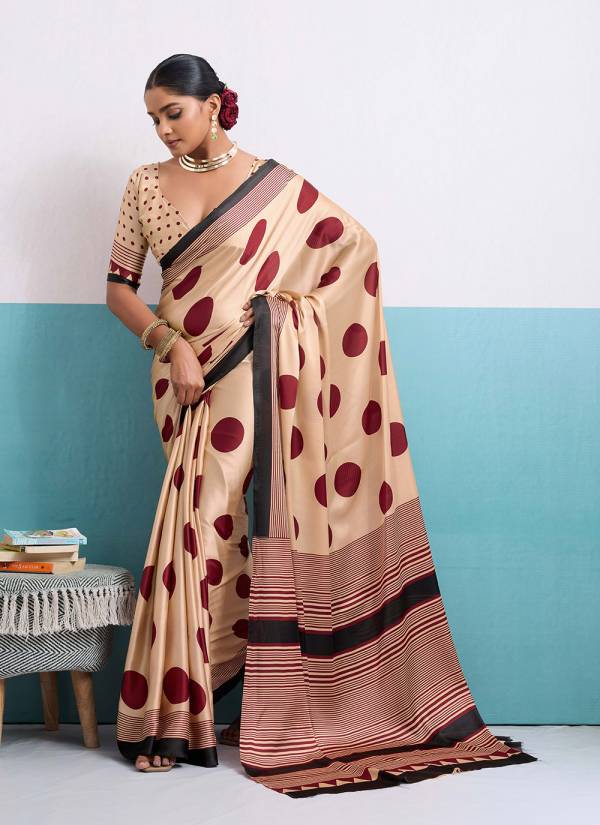
The saree programme is the deepest catalogue we run — Surat's original trade, engineered for export counters in USA. The range spans everyday printed sarees in cotton and georgette through to silk-weight occasion sarees, Banarasi-style woven borders, designer sarees with embroidery and zari work, and the wedding-shelf pieces that anchor bridal retail.
Export saree programmes live or die on consistency: the blouse piece dyed to match the body, the fall and pico finished cleanly, and the pleating that photographs well on a retail rail. We run those finishing disciplines in-house, and every saree is pressed, folded and poly-sleeved to shelf standard before it enters the carton.
Bulk saree lots are organized by weight bands and occasion tiers so buyers can architect a counter that serves daily wear, office wear and wedding traffic from one supplier relationship. Blouse pieces ship attached or separate per your counter format, and petticoat attach programmes are available for the one-stop saree sale.
- Designer Sarees — occasion and bridal shelf
- Silk Sarees — woven tradition range
- Cotton Sarees — daily wear workhorse
- Printed Sarees — print cluster collections
- Banarasi Sarees — zari weave programme
- Wedding Sarees — bridal counter range
- Georgette & Party Sarees
Fabrics behind the range
Sarees run the full fabric ladder — the same drape story changes register entirely by base cloth:
The fabric ladder runs from voile-light summer cloths through mid-weight Challis and poplin families, the suiting and shirting weights, and up to canvas and heavy furnishing constructions. Natural fibres cover the comfort trade; regenerated cellulose — viscose, modal, the Tencel family — carries the drape-led programmes; synthetics hold the technical and price-disciplined tiers.
Finish determines shelf behaviour as much as the base cloth does. The same 100 GSM cotton reads crisp or soft depending on mercerising; the same georgette drapes clean or stiff depending on the finishing heat profile. We hold those finish specs on file per buyer, because reorder drift in finish is as damaging as shade drift — and both are preventable with archived standards.
The Surat advantage — a short history
Surat's textile economy runs on proximity. Within a short drive of any finishing floor in the city you can reach spinning sources, weaving sheds, dyeing and printing process houses, embroidery units, stitching units, label printers, carton makers and the freight forwarders who consolidate all of it into export containers. Other textile cities have some of these layers; Surat's advantage is having all of them, at scale, competing with each other on turnaround.
The city earned that stack one decade at a time. Handloom weaving families industrialised into powerloom cooperatives through the mid-1900s. The polyester boom of the 80s and 90s pulled in process houses and printers. The embroidery boom of the 2000s added computerised multi-head machines by the thousand. Each wave trained a workforce the next wave hired, which is why the city's average textile worker today is multi-skilled across processes that would be separate trades elsewhere.
For buyers, the practical result is developmental speed. A concept reaches a counter-sample in days, a strike-off within the week, and a production slot follows the approval rather than the calendar quarter. We build our export programmes on exactly that responsiveness, and we think the history matters because it explains the mechanics behind the promise.
About Ajmera Export — the brand behind this page
Behind this page is a Surat export desk that has spent years learning what international buyers actually get judged on by their own customers. Landed-cost surprises kill retail margins. Late festival arrivals kill a whole season's plan. A shade drift between the sample and the bulk kills trust permanently. Our systems are built backwards from those three failure points.
Ajmera Export consolidates manufacturing and finishing across Surat's clusters into programmes that behave predictably: approved strike-offs before bulk runs, lot-level shade discipline, staged quality inspections with reports that travel with the shipment, and documentation packs that clear customs without follow-up. The desk runs on MOQ structures that let smaller buyers grow into larger ones without renegotiating the relationship each time.
We are a family-trade company in a city where that still means something — the reputation economics of a close-knit merchant community apply. Shortchange a buyer once and three others hear about it at the next trade sit-down. That pressure suits us fine, because the way we work anyway is the way that pressure enforces: honest specs, honest timelines, honest claims handling.
Why businesses choose us
- Family-trade accountability in a merchant community where reputation travels faster than marketing
- Honest lead times quoted against real machine capacity, not sales optimism
- Archived buyer files — reorder a programme a year later and the spec is still on record
- Export documentation pack prepared before vessel sailing, so clearance never waits on paperwork
- One consolidated invoice across categories, from fabric yardage to finished garment programmes
Start your first order
Start the way most of our long-term buyers did: send one enquiry with what you stock today and where you want to take the programme. We reply with constructions or styles that fit your shelf, a counter-sample plan, and MOQ levels matched to your current volumes. Samples ship within days, approvals happen on your timeline, and the first production slot is booked the day you sign the strike-off.
The enquiry form on this page reaches the export desk directly, and WhatsApp works just as well for buyers who prefer trading-floor speed. Either way, the conversation that follows is a working one — spec, quantity, lead time, packing — not a brochure exchange.
Frequently Asked Questions
What is the MOQ for wholesale designer sarees for USA?
Most of our designer sarees export orders start at 20–50 pieces per design mixed across sizes and colours. Bridal and premium lines run on smaller MOQs with higher per-piece work, while daily-wear volume programmes need larger commitments for the pricing to work. Send your quantity range and we will structure the order around it.
How long does shipping to USA take?
Sea freight runs 4–6 weeks via Nhava Sheva to East and West Coast ports; air freight serves launch windows and reorders. We prepare ISF filing data and HS codes with every invoice.
Can you handle private label for our USA store?
Yes — private label tagging, custom packaging inserts and barcoded labels are routine for our buyers. Share your label artwork and packaging spec at order confirmation and we handle the rest before dispatch.
Do you carry sizes suited to USA customers?
Featured Range
Products for USA