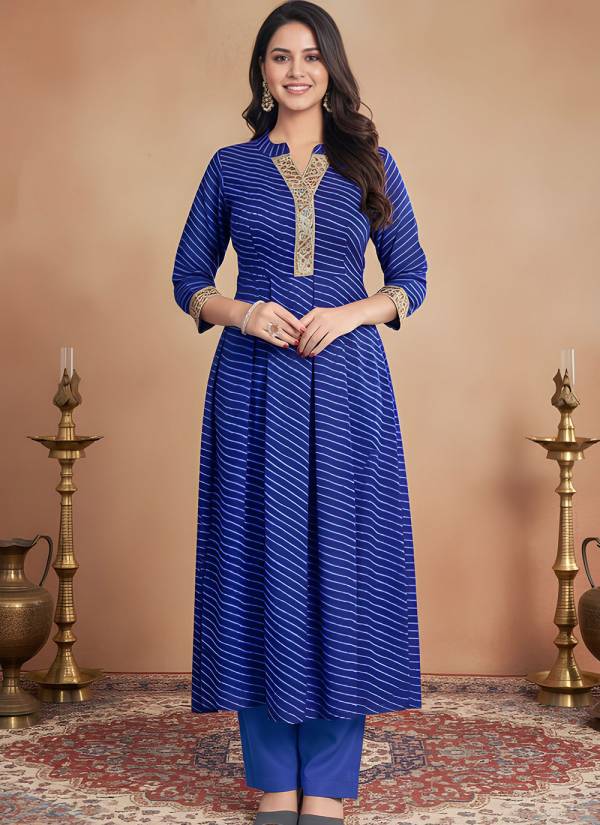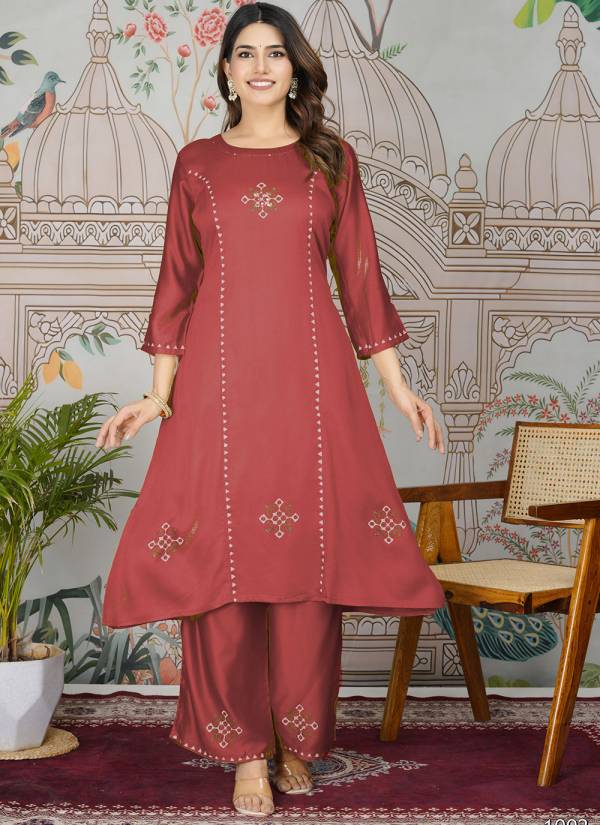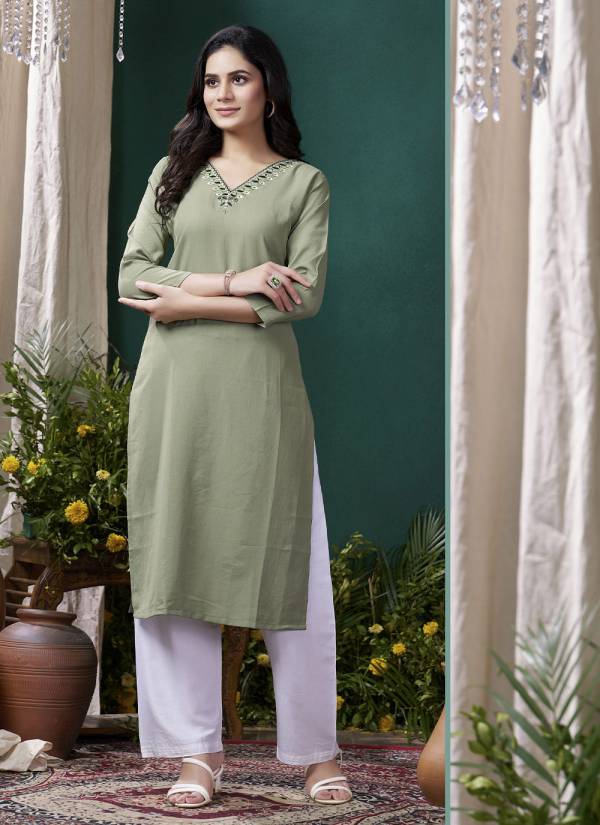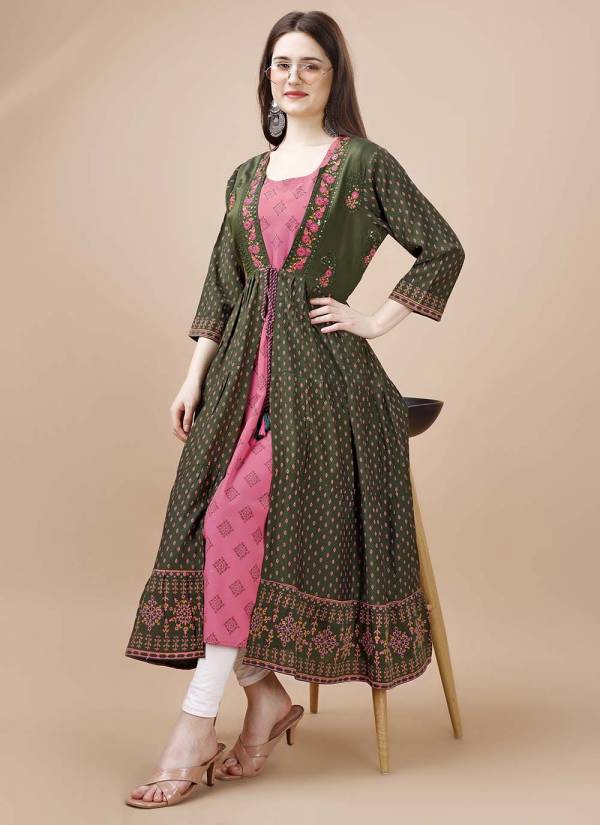
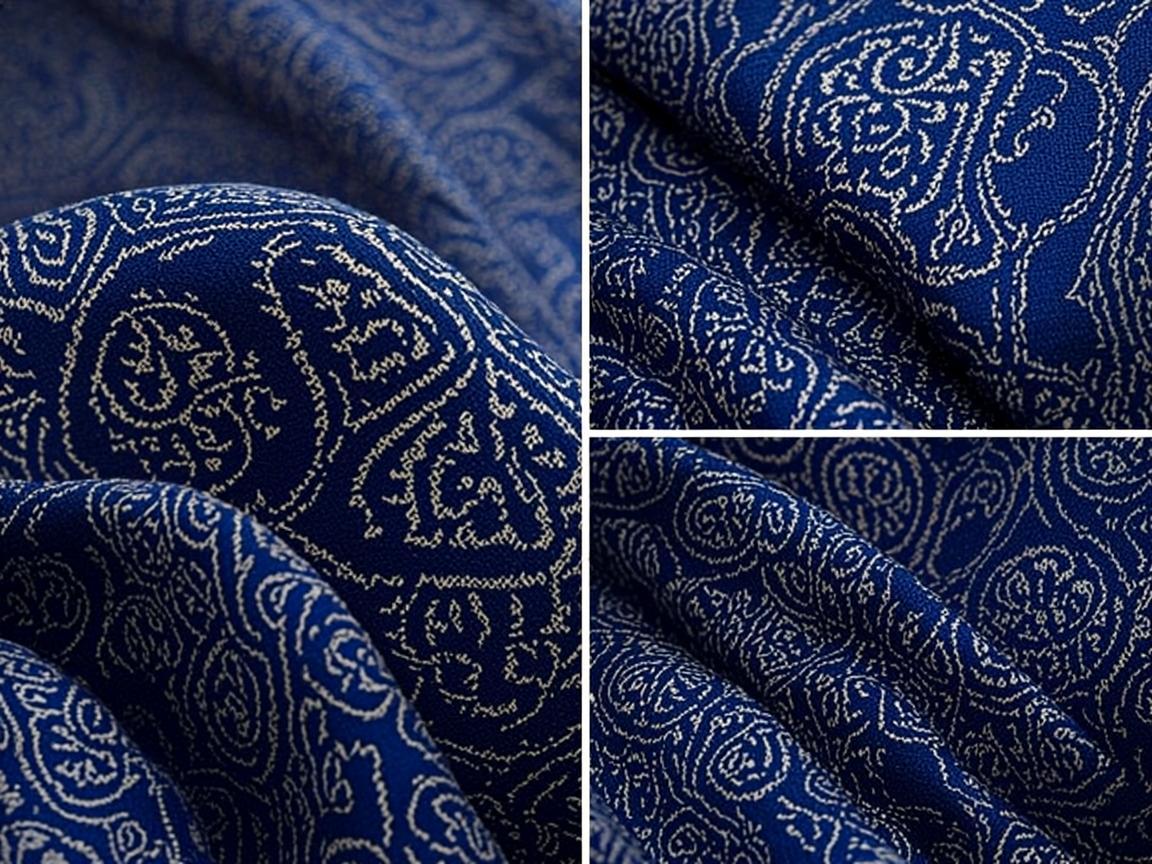
Embroidered Fabric Supplier in UAE — Bulk Export from Surat
Mill-direct embroidered fabric supply for Dubai trading housess — base-dependent across 60 to 250 GSM, custom finishing and full export docs via Jebel Ali and Sharjah Container Terminals.
Most buyers we meet in this market have a supplier story — the consignment that arrived short, the shade that drifted, the reply that took a week. We built our embroidered fabric for the UAE programme around being the boring, dependable exception to those stories.
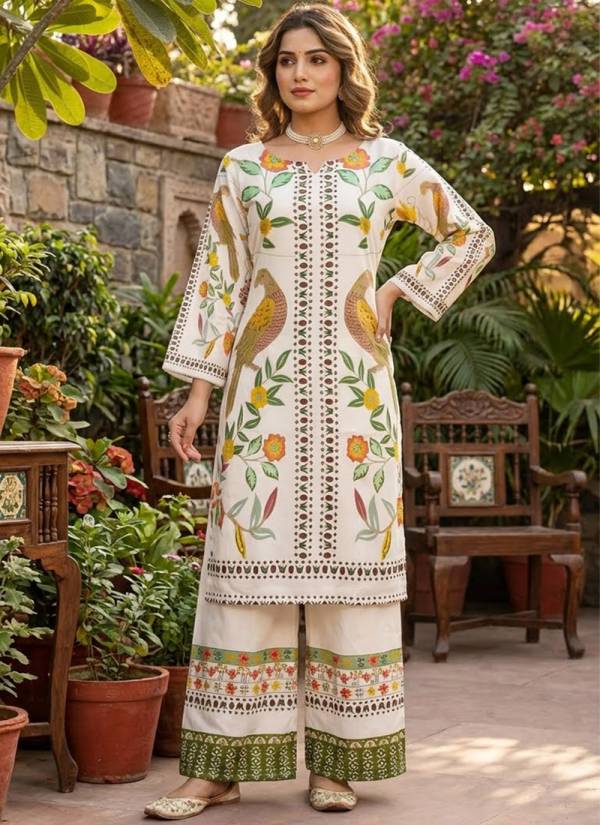
Our embroidery programmes draw on the same karigar clusters that service India’s bridal trade, with panel-by-panel inspection before packing.
Why UAE buyers source embroidered fabric from Surat
Embroidered yardage is karigar work — the density and the stitch direction decide how a panel falls, and Gulf ateliers specify both to the centimetre.
- Consignment sizes that fit real UAE businesses — from trial lots to full season volumes
- Shading and GSM held stable across repeat orders so production never re-adjusts mid-season
- Direct-from-mill pricing without the two layers of trader padding
- Documentation for Jebel Ali and Sharjah Container Terminals clearance prepared in-house
What we weave and supply
Our embroidered fabric programme covers the constructions UAE buyers order most, and each can be customised — width, GSM, finish and shade — to match your production line.
- Weight range: base-dependent across 60 to 250 GSM
- Constructions: thread, sequin and zari work on varied bases
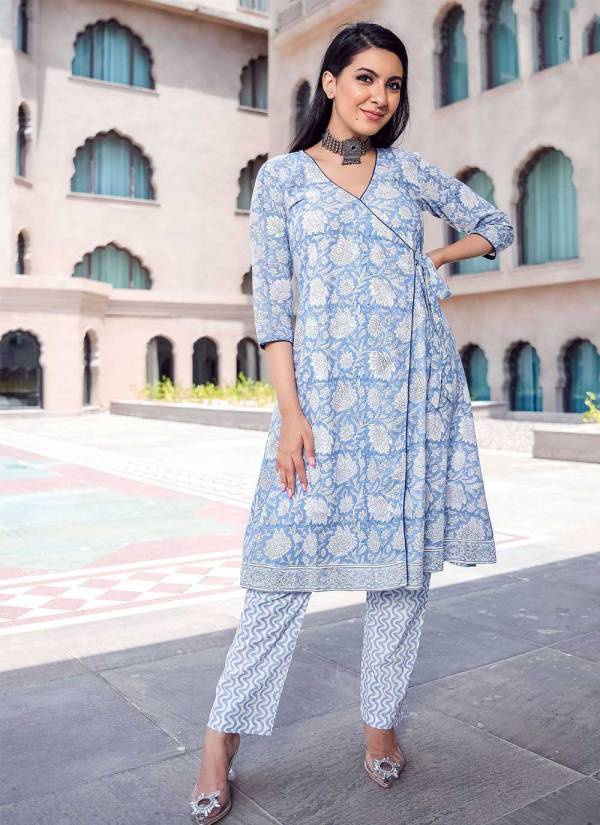
- Typical end uses: bridal kaftans, occasion abayas, gown panels and couture trims
- Widths: 44”, 58” and 72” depending on construction
- Finishing: dyed, printed, embroidered or plain, with soft-flow and sanforised options
- Packing: rolled on tubes, poly-wrapped, export cartons or as per your warehouse standard
The UAE buying calendar for embroidered fabric
Embroidered Fabric demand in the UAE tracks the wedding circuit and Eid ceremonial programmes, and buyers who plan a season ahead consistently get better allocation than spot purchasers. Our production calendar reserves capacity for UAE programmes in those windows.
Ordering embroidered fabric from this desk
- Enquiry: construction, weight, monthly volume and destination — answered with availability and indicative costing
- Verification: cuttings or a small trial lot so the fabric is judged on your floor, not on our word
- First order: 500–1,000 metres per shade for stock bases, mixed across constructions in one consignment
- Programme: scheduled dispatches with reserved capacity once the first lot sells through
Shipping to UAE — the practical details
Every UAE order ships with complete export documentation prepared by our own team. Sea freight runs via Jebel Ali and Sharjah Container Terminals for volume orders; air freight covers festival windows. Payment terms are discussed openly at enquiry stage — most first orders run on advance or letter of credit, relaxing as the relationship settles.
Talk to us about your embroidered fabric supplier uae requirement
Send your embroidered fabric supplier uae requirement across — quantities, shades, widths and the season you are planning for. The desk responds with costing, lead times and the sampling path, because a first order built on verified samples is the only first order we are interested in.
Embroidered Fabric programme — what we weave and supply
The fabric programme behind this page is mill-direct Surat supply — weaving, dyeing, printing and finishing under one accountable desk, serving UAE with the construction discipline that serious fabric buyers audit for. We develop and run natural fibres, regenerated cellulose, synthetics and the blend families between them, across the weight bands and finishes the trade actually specifies.
What that means practically: cotton programmes from voile-light shirting through canvas-heavy utility weights, silk and art-silk registers for the premium trade, the full polyester and nylon range from challis to technical constructions, and the fashion fabric families — georgette, crepe, satin, velvet, organza, jacquard, brocade — that garment programmes cut from. Printed, dyed, embroidered and textured finishes run on the same programme.
Bulk fabric supply runs on spec discipline: GSM tolerances held across the run, shade cards matched and archived per buyer, width options in the trade standards, and lot-level documentation that travels with the shipment. Development sampling moves in days because the clusters are local — the speed advantage that built this city's fabric trade still shows up in every programme we quote.
- Cotton fabrics — the workhorse range
- Silk fabrics — premium register
- Georgette, chiffon and crepe — drape family
- Printed fabrics — print cluster collections
- Finished garments — what the fabric becomes
Fabrics behind the range
Fabric engineering is weight, weave and finish discipline:
The fabric ladder runs from voile-light summer cloths through mid-weight Challis and poplin families, the suiting and shirting weights, and up to canvas and heavy furnishing constructions. Natural fibres cover the comfort trade; regenerated cellulose — viscose, modal, the Tencel family — carries the drape-led programmes; synthetics hold the technical and price-disciplined tiers.
Finish determines shelf behaviour as much as the base cloth does. The same 100 GSM cotton reads crisp or soft depending on mercerising; the same georgette drapes clean or stiff depending on the finishing heat profile. We hold those finish specs on file per buyer, because reorder drift in finish is as damaging as shade drift — and both are preventable with archived standards.
The Surat advantage — a short history
Ask any Indian textile trader where the country's fabric decisions get made, and the answer is a Surat trading floor, not a boardroom in Mumbai. The city handles a volume of polyester filament fabric that ranks among the largest concentrations of man-made textile production anywhere in the world, and the numbers translate into something a buyer feels directly: faster development, faster sampling, faster correction.
The cluster grew in layers. Weaving came first, then process houses for dyeing and printing, then embroidery units importing multi-head machines, then stitching units and finally the export consolidation logistics that now move thousands of cartons a week through Nhava Sheva and the air cargo terminals. Each layer sharpened the one before it — printers learned what weavers could hold, embroiderers learned what printers could register.
That layered competence is why a buyer sourcing from Surat gets options rather than constraints: if one construction does not hit the spec, three alternative looms are within reach of a phone call. We write our pages from inside that network, and the history behind it is really an argument about why the location itself works in your favour.
About Ajmera Export — the brand behind this page
Ajmera Export operates where the buyer's risk actually lives: between the approved sample and the landed consignment. Our job is to make that gap boring. The company runs production and consolidation programmes across Surat's textile clusters — weaving to finishing to stitching to packing — under one accountable desk, so there is never a question of which vendor owns which defect.
The model is deliberately consolidated. One enquiry becomes one programme: fabric development, dyeing approval, stitching spec, private labelling if you want it, export packing to your market's retail standard, and documentation your customs broker does not have to interpret. Buyers running lean operations tell us the consolidation matters as much as the product — managing one supplier relationship costs less than managing five, in attention as much as in margin.
Our growth has come almost entirely from reorders and referrals, which in the Surat merchant community is both the cheapest and the least forgiving marketing channel available. A buyer who ships clean recommends you at a wedding, a family function, a trade association meeting. We like that economy. It keeps the standard where it belongs — on the floor, in the carton, at the port.
Why businesses choose us
- Direct desk access — the person quoting your order is accountable for shipping it
- Shrinkage, colourfastness and GSM testing on production lots, with results available on request
- Custom development welcomed — construction, weight and finish adapted to your market feedback
- Flexible order ladders that let a trial lot grow into a season programme without friction
- Long-term buyer economics: consistent reorders at consistent spec, with no drift between lots
Start your first order
The practical first step is a sample conversation. Tell us the products or fabric constructions you are evaluating, the volumes you realistically expect to place, and the delivery window you are planning against. We come back with a development plan: what we sample first, what the strike-off timeline looks like, and how the first order can start small enough to be comfortable and still hold production priority.
Every long programme we run today began exactly this way — one enquiry, one sample lot, one clean shipment, then a season calendar. The form on this page or a WhatsApp message both reach the same desk, and both get an answer from someone who can check your question on the production floor the same day.
Featured Range
Products for UAE