Fabric Exporter in Umm Al Quwain — Surat Mill-Direct Supply
Fabric Exporter supply for Umm Al Quwain — the quiet northern retail market, served mill-direct from Surat with consolidated freight into the UAE and festival-calendar planning.
There is a simple test for a fabric in Umm Al Quwain supplier: ask what happens when something goes wrong. The honest answer involves a claim process, a replacement path and someone who answers the phone. We would rather be measured against that test than against anyone's brochure.
UAQ serves a compact local trade — family retailers and boutiques whose volumes are modest but whose loyalty, once earned, runs for years. We supply family-run fabric shops, local boutiques and tailoring services serving the emirate’s communities from our Surat weaving floor, with the full UAE documentation chain handled in-house.
What Umm Al Quwain buyers order from this desk
- Abaya, thobe and kandora bases for the tailoring and atelier trade
- Fashion yardage — prints, crepes, georgettes and seasonal constructions
- Uniform fabrics with test documentation for institutional buyers
- Furnishing and hospitality programmes for project-based buyers
- Consignment routing tuned to the clearing setup this market’s buyers use and export documentation prepared to the standards this market’s customs expects
Supplying Umm Al Quwain from Surat
Export supply into this market runs through established logistics lanes — the consignments that move smoothest are the ones routed by someone who has shipped this lane a hundred times. UAE buyers think in re-export terms: one consignment serves their own boutiques, their GCC wholesale customers and their East Africa trade in a single landed cost calculation.
- Trial lots sized for Umm Al Quwain businesses testing a new supplier
- Shade standards held on file so repeat lots match the originals
- Mixed consignments — one container covering the full programme range
- Documentation prepared for UAE clearance without follow-up queries
Logistics into Umm Al Quwain
Delivery runs combine with the northern emirates routes, so UAQ buyers can join consolidated consignments without paying solo-shipment economics. Demand across the Emirates moves with Ramadan and Eid retail peaks, the Dubai Shopping Festival and the wedding season that runs October to April, and our production calendar books capacity ahead of those windows.
What a first fabric exporter order looks like
The entry path is deliberately low-risk: an enquiry with your quantity range, a video walk-through of current stock and catalogues, then physical samples of the shortlisted pieces. First orders typically run 20–50 pieces per design mixed across sizes and colours for garments, or 500–1,000 metres per shade for fabric programmes — enough to test the shelf without warehousing a season. The buyers who scale fastest treat the first order as a market test: they watch which designs move in the first fortnight, then use our mixed-lot structure to reorder the winners in depth while dropping the slow movers quietly.
Repeat programmes run on reserved capacity. Once a Umm Al Quwain buyer confirms a seasonal programme, we hold loom and finishing slots against their calendar, keep their shade standards on file, and dispatch on a schedule their merchandising can plan around — the difference between a supplier who ships and a partner who plans.
Talk to us about your fabric exporter umm al quwain requirement
Tell us what your programme needs — constructions, weights, volumes and the retail window you are buying for. We come back with availability, indicative pricing and a realistic dispatch date, and buyers are welcome to verify quality with a trial lot before scaling up.
Fabric Exporter in Umm Al Quwain — what our mill-direct programme covers
The fabric programme behind this page is mill-direct Surat supply — weaving, dyeing, printing and finishing under one accountable desk, serving Umm Al Quwain with the construction discipline that serious fabric buyers audit for. We develop and run natural fibres, regenerated cellulose, synthetics and the blend families between them, across the weight bands and finishes the trade actually specifies.
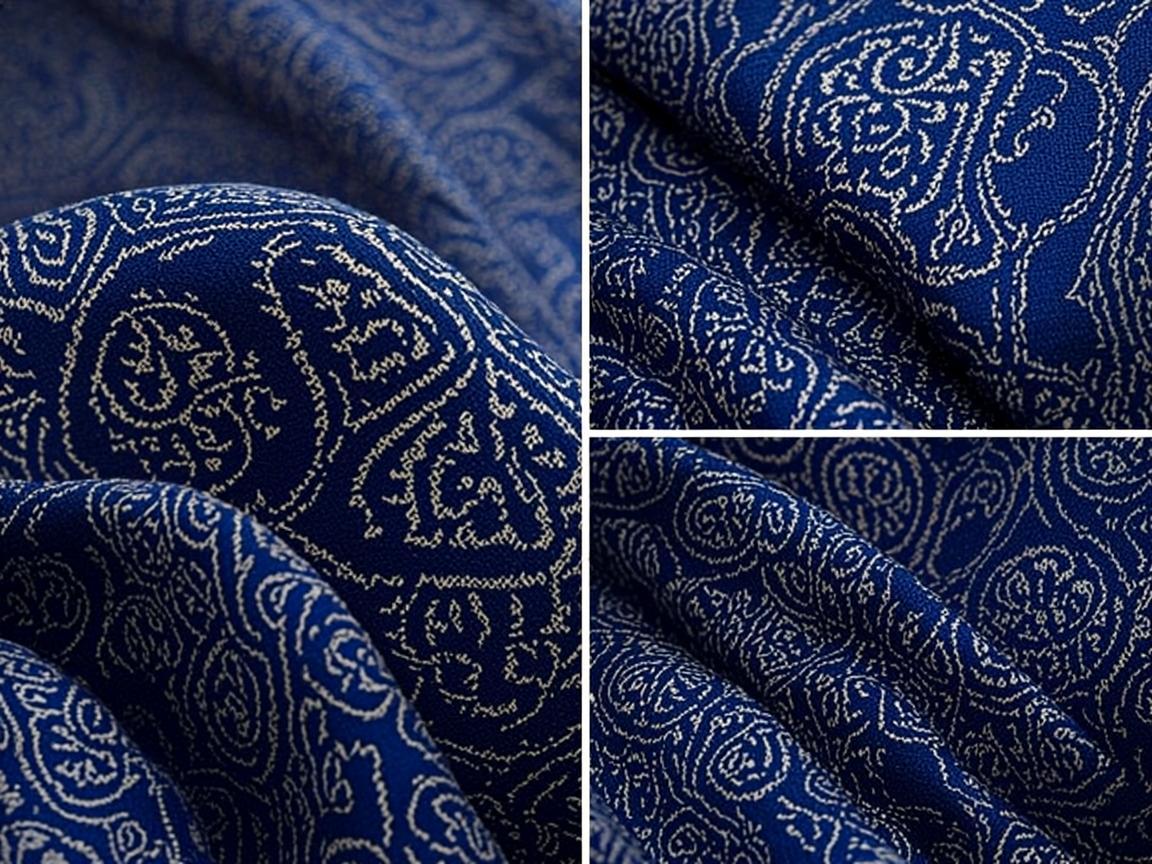
What that means practically: cotton programmes from voile-light shirting through canvas-heavy utility weights, silk and art-silk registers for the premium trade, the full polyester and nylon range from challis to technical constructions, and the fashion fabric families — georgette, crepe, satin, velvet, organza, jacquard, brocade — that garment programmes cut from. Printed, dyed, embroidered and textured finishes run on the same programme.
Bulk fabric supply runs on spec discipline: GSM tolerances held across the run, shade cards matched and archived per buyer, width options in the trade standards, and lot-level documentation that travels with the shipment. Development sampling moves in days because the clusters are local — the speed advantage that built this city's fabric trade still shows up in every programme we quote.
- Cotton fabrics — the workhorse range
- Silk fabrics — premium register
- Georgette, chiffon and crepe — drape family
- Printed fabrics — print cluster collections
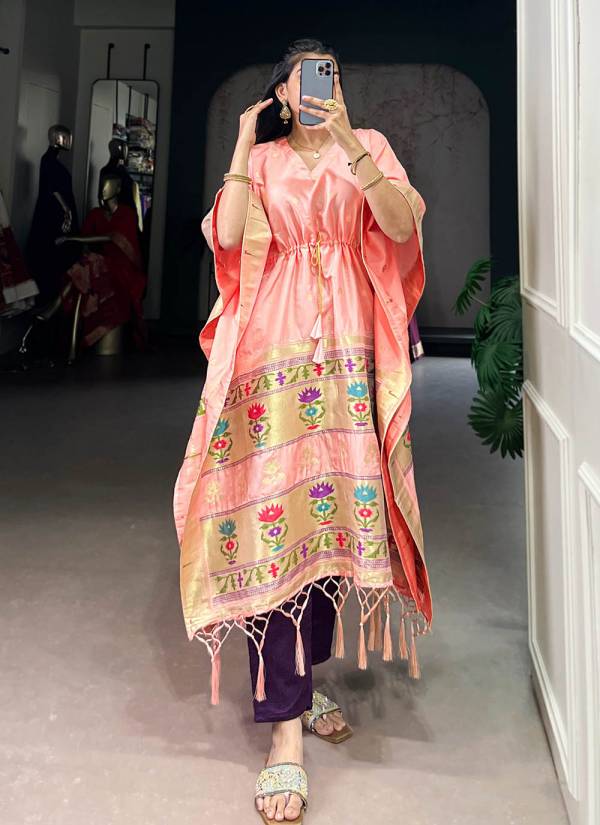
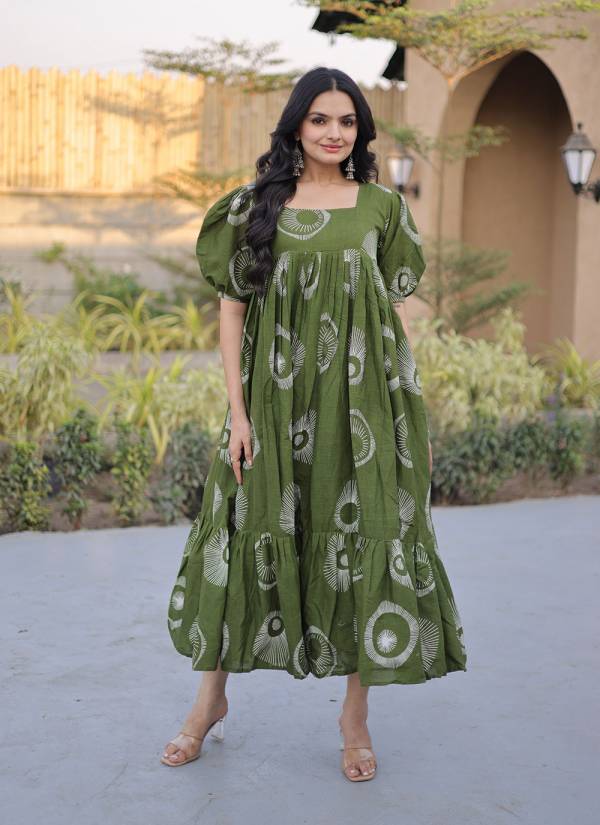
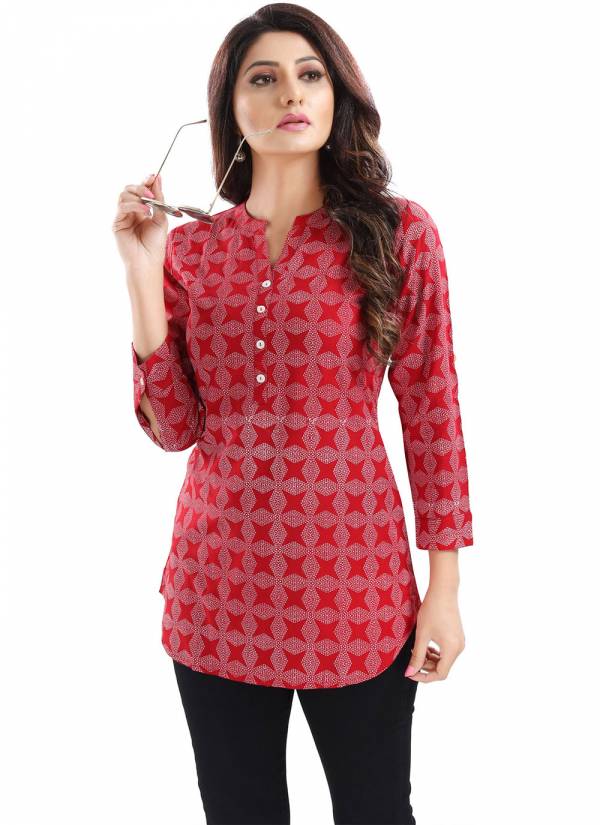
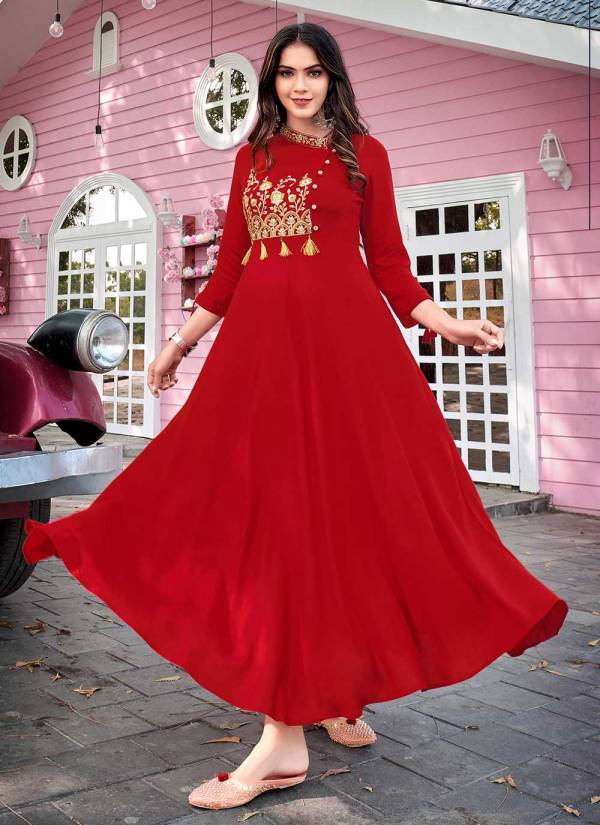
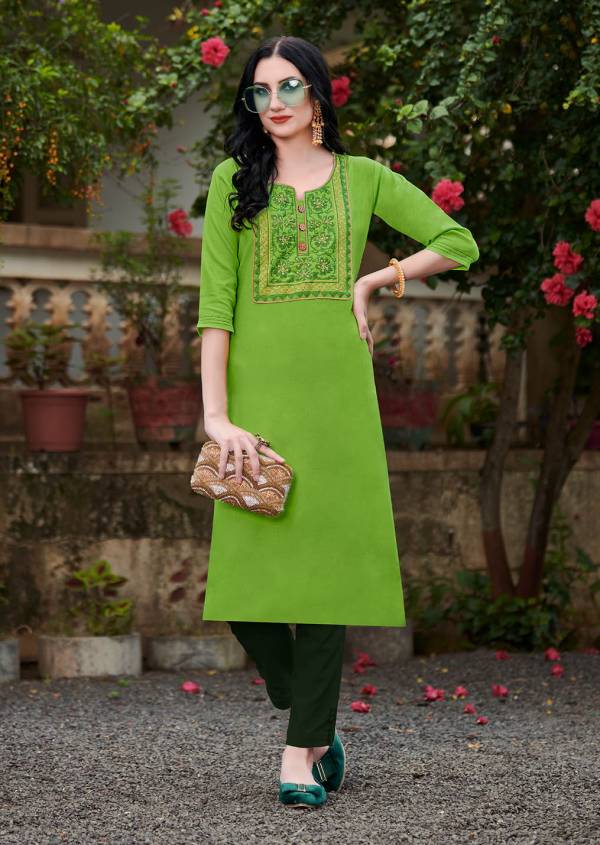
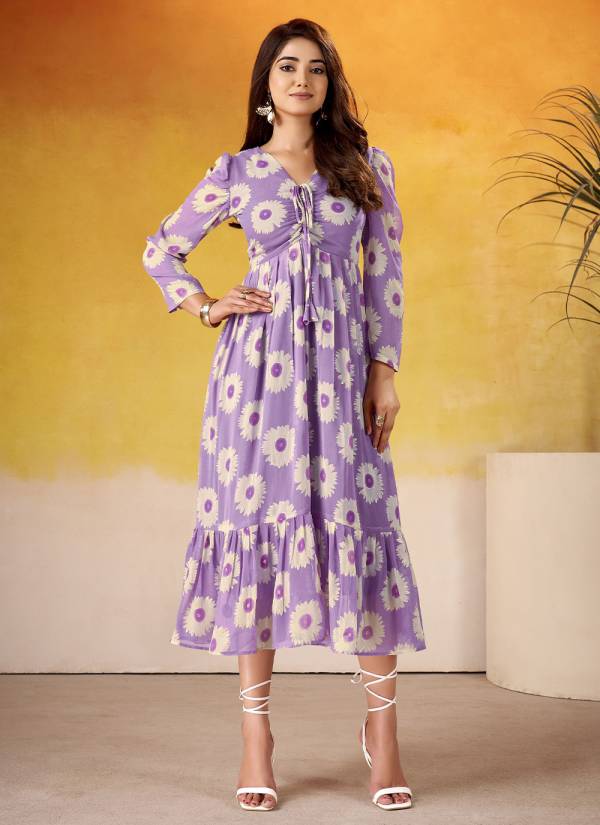
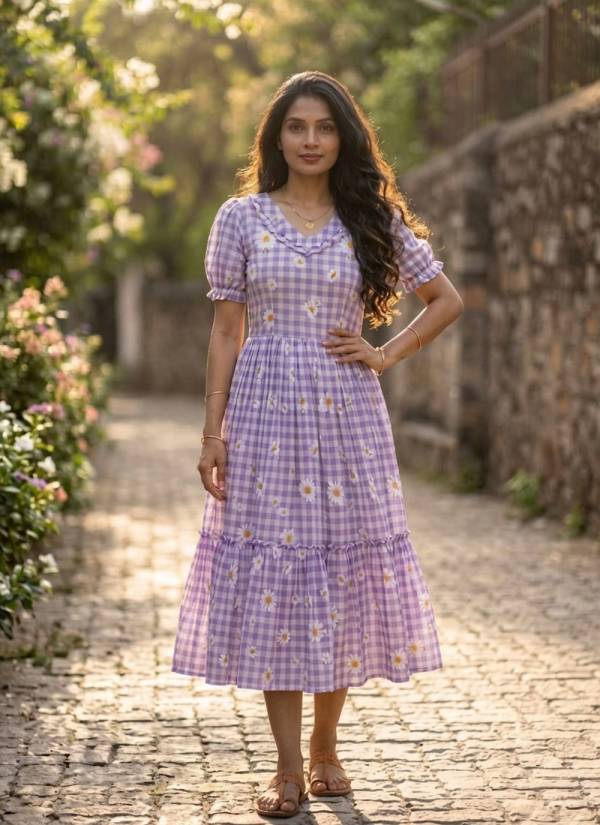
- Finished garments — what the fabric becomes
Fabrics behind the range
Fabric engineering is weight, weave and finish discipline:
Fabric selection is where programme economics are actually decided — the difference between a 90 GSM and a 120 GSM base changes drape, cost structure, shipping weight and the price tier the finished product can hold. Our role is to make that selection explicit rather than accidental: spec sheets with weight, weave, width and finish on every quotation, samples that match the bulk spec exactly, and lot documentation that lets your QC team verify against the same numbers we shipped against.
The clusters behind this programme weave, dye, print, embroider and finish in the same industrial ring — which is why development moves in days and corrections move faster. That proximity is the quiet advantage behind every fabric programme we run.
The Surat advantage — a short history
Surat's textile economy runs on proximity. Within a short drive of any finishing floor in the city you can reach spinning sources, weaving sheds, dyeing and printing process houses, embroidery units, stitching units, label printers, carton makers and the freight forwarders who consolidate all of it into export containers. Other textile cities have some of these layers; Surat's advantage is having all of them, at scale, competing with each other on turnaround.
The city earned that stack one decade at a time. Handloom weaving families industrialised into powerloom cooperatives through the mid-1900s. The polyester boom of the 80s and 90s pulled in process houses and printers. The embroidery boom of the 2000s added computerised multi-head machines by the thousand. Each wave trained a workforce the next wave hired, which is why the city's average textile worker today is multi-skilled across processes that would be separate trades elsewhere.
For buyers, the practical result is developmental speed. A concept reaches a counter-sample in days, a strike-off within the week, and a production slot follows the approval rather than the calendar quarter. We build our export programmes on exactly that responsiveness, and we think the history matters because it explains the mechanics behind the promise.
About Ajmera Export — the brand behind this page
Ajmera Export operates where the buyer's risk actually lives: between the approved sample and the landed consignment. Our job is to make that gap boring. The company runs production and consolidation programmes across Surat's textile clusters — weaving to finishing to stitching to packing — under one accountable desk, so there is never a question of which vendor owns which defect.
The model is deliberately consolidated. One enquiry becomes one programme: fabric development, dyeing approval, stitching spec, private labelling if you want it, export packing to your market's retail standard, and documentation your customs broker does not have to interpret. Buyers running lean operations tell us the consolidation matters as much as the product — managing one supplier relationship costs less than managing five, in attention as much as in margin.
Our growth has come almost entirely from reorders and referrals, which in the Surat merchant community is both the cheapest and the least forgiving marketing channel available. A buyer who ships clean recommends you at a wedding, a family function, a trade association meeting. We like that economy. It keeps the standard where it belongs — on the floor, in the carton, at the port.
Why businesses choose us
- Direct desk access — the person quoting your order is accountable for shipping it
- Shrinkage, colourfastness and GSM testing on production lots, with results available on request
- Custom development welcomed — construction, weight and finish adapted to your market feedback
- Flexible order ladders that let a trial lot grow into a season programme without friction
- Long-term buyer economics: consistent reorders at consistent spec, with no drift between lots
Start your first order
Start the way most of our long-term buyers did: send one enquiry with what you stock today and where you want to take the programme. We reply with constructions or styles that fit your shelf, a counter-sample plan, and MOQ levels matched to your current volumes. Samples ship within days, approvals happen on your timeline, and the first production slot is booked the day you sign the strike-off.
The enquiry form on this page reaches the export desk directly, and WhatsApp works just as well for buyers who prefer trading-floor speed. Either way, the conversation that follows is a working one — spec, quantity, lead time, packing — not a brochure exchange.
Frequently Asked Questions
What is the minimum order quantity for fabric exporter umm al quwain?
MOQs are flexible and depend on the construction — most fabric programmes start around 500 to 1,000 metres per shade for stock bases, and higher for custom-dyed or custom-woven lots. Mixed shipments combining several constructions in one container are routine for our buyers, so you can build a full fabric programme without over-committing to a single item.
How long does delivery to Umm Al Quwain via Jebel Ali take?
Stock constructions dispatch within a week, and sea freight transit to Jebel Ali and Sharjah Container Terminals typically adds three to four weeks depending on sailing schedules. Air freight is available when you need to catch a retail window — tell us your deadline at enquiry stage and we will quote the realistic option, not the optimistic one.
Can you match the fabric we already buy?
Yes — send us a cutting of your current fabric and we will analyse weight, construction and finish, then send back a matched sample for your approval before any order is confirmed. This is the most common way buyers start with us, and it protects you from the classic switching risk of a new supplier.
Featured Range
Products for Umm Al Quwain