Fabric Supply for Boutiques in Qatar — Surat Export Desk
Fabric supply structured for boutiques in Qatar — small curated lots that differentiate a shelf without warehouse-scale commitments, served mill-direct from Surat with programme-grade consistency.
Most buyers we meet in this market have a supplier story — the consignment that arrived short, the shade that drifted, the reply that took a week. We built our fabric as a boutique buying into Qatar programme around being the boring, dependable exception to those stories.
Boutique owners buy with their eyes and reorder with their till — the first lot is about design, and every lot after is about whether the design sold. That is the buyer this desk is built for.
What we supply boutiques
Small curated lots that differentiate a shelf without warehouse-scale commitments — all of it mill-direct from our Surat weaving floor and partner units, under one accountable desk.
How the programme fits boutiques work
We structure boutique programmes as mixed small lots — enough breadth to fill a shelf, enough focus to keep the shop’s identity intact, and reorder minimums sized for a single wall refresh.
- Programme supply — scheduled dispatches with reserved capacity for continuing buyers
- Shade and GSM standards held across every lot in the programme
- Mixed consignments so one container serves the full range
- Documentation prepared for Hamad Port in Mesaieed clearance in-house
The range behind the programme
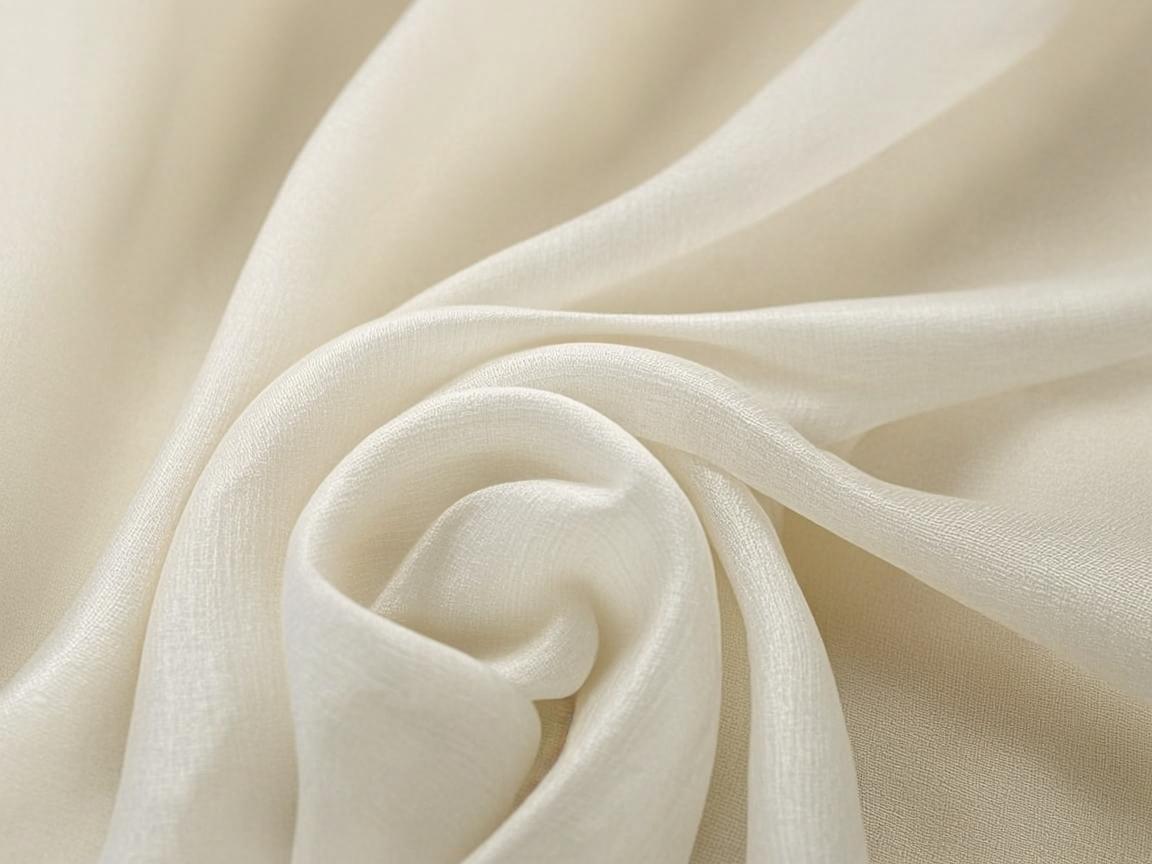
- Material fabrics: cotton, linen, silk, viscose, polyester, chiffon, georgette and forty further constructions
- GCC apparel bases: abaya, thobe, kandora, kaftan, hijab and sheila fabrics
- Prints: digital and rotary printing across viscose, crepe and silk bases
- Custom builds: your construction, width, shade card and finish
Shipping to Qatar — the practical details
Sea freight via Hamad Port in Mesaieed with air freight for tight windows. Qatari buyers pay for reliability — a Doha boutique would rather reorder from a mill that shipped clean three times than save margin on a new unknown supplier. Demand moves with Ramadan, Eid al-Fitr and Eid al-Adha, plus the wedding season from November to March, and programme buyers get the first allocation in those windows.
How boutiques programmes are structured
We structure boutique programmes as mixed small lots — enough breadth to fill a shelf, enough focus to keep the shop’s identity intact, and reorder minimums sized for a single wall refresh. The structure follows the buyer: allocation reserved against confirmed seasonal programmes, dispatches scheduled to the buyer's own retail calendar, and documentation prepared to whatever their clearing chain requires. Most boutiques who stay with us run mixed containers — the full range under one invoice — because managing five fabric suppliers costs more than the discounts they individually offer.
Talk to us about your fabric supplier for boutique qatar requirement
Send your fabric supplier for boutique qatar requirement across — quantities, shades, widths and the season you are planning for. The desk responds with costing, lead times and the sampling path, because a first order built on verified samples is the only first order we are interested in.
Programmes we run for buyers like yours
Different buyers need different things from the same supply floor — and our programmes are structured around those differences rather than forcing one service model onto every relationship. Retail chains in Qatar get season-planned programmes with size-ratio engineering and barcode-ready packing. Boutiques get small-lot access to premium ranges with the development flexibility that a curated shelf demands.
Uniform contractors and hospitality buyers get spec-disciplined production — GSM tolerance holding, shade-card consistency across reorder years, and documentation that clears institutional procurement. Wholesalers get the volume tiers and mixed-category consolidation that make their margin arithmetic work. Online sellers get the photo-ready packing and fast replenishment cycles that their platform rankings live on.
The common thread is accountability: one desk, one quality standard, one claims process. What changes is the programme structure wrapped around it — because a hotel's linen programme and a fashion boutique's capsule run on genuinely different calendars, and pretending otherwise is how suppliers end up disappointing both.
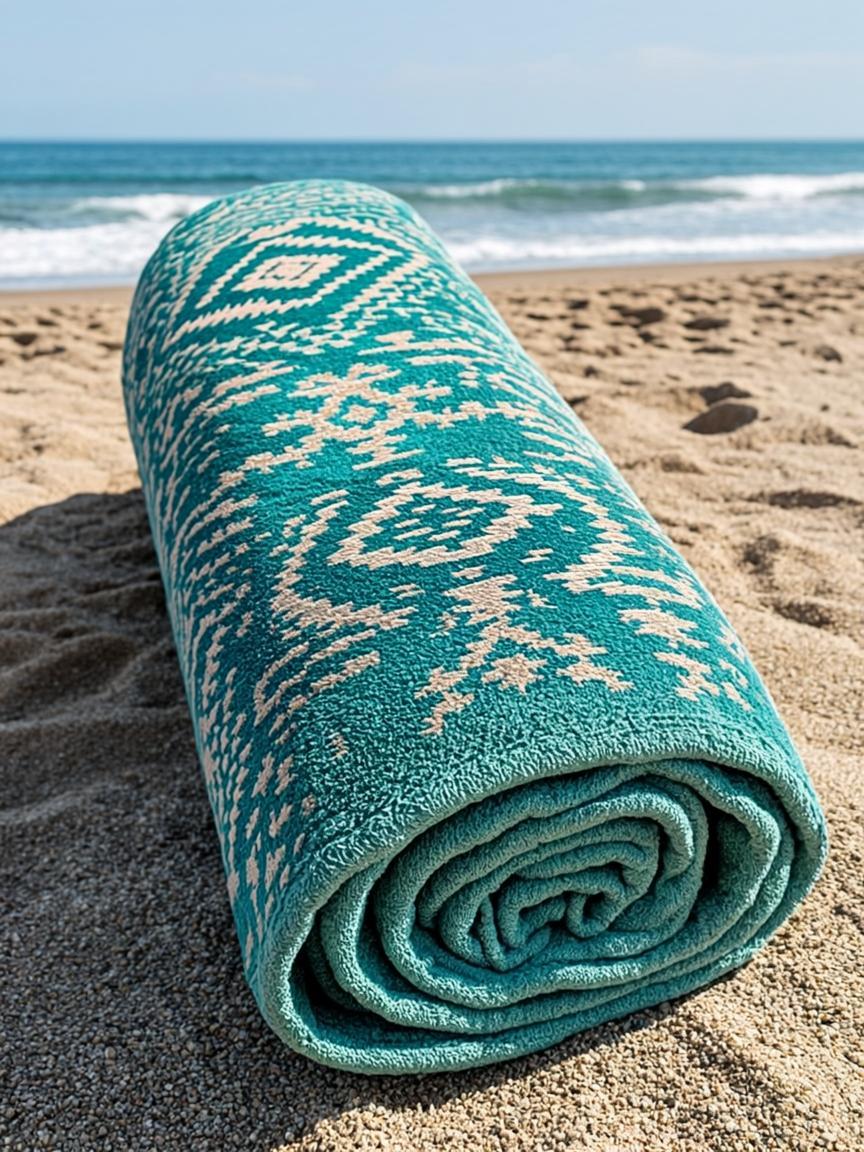
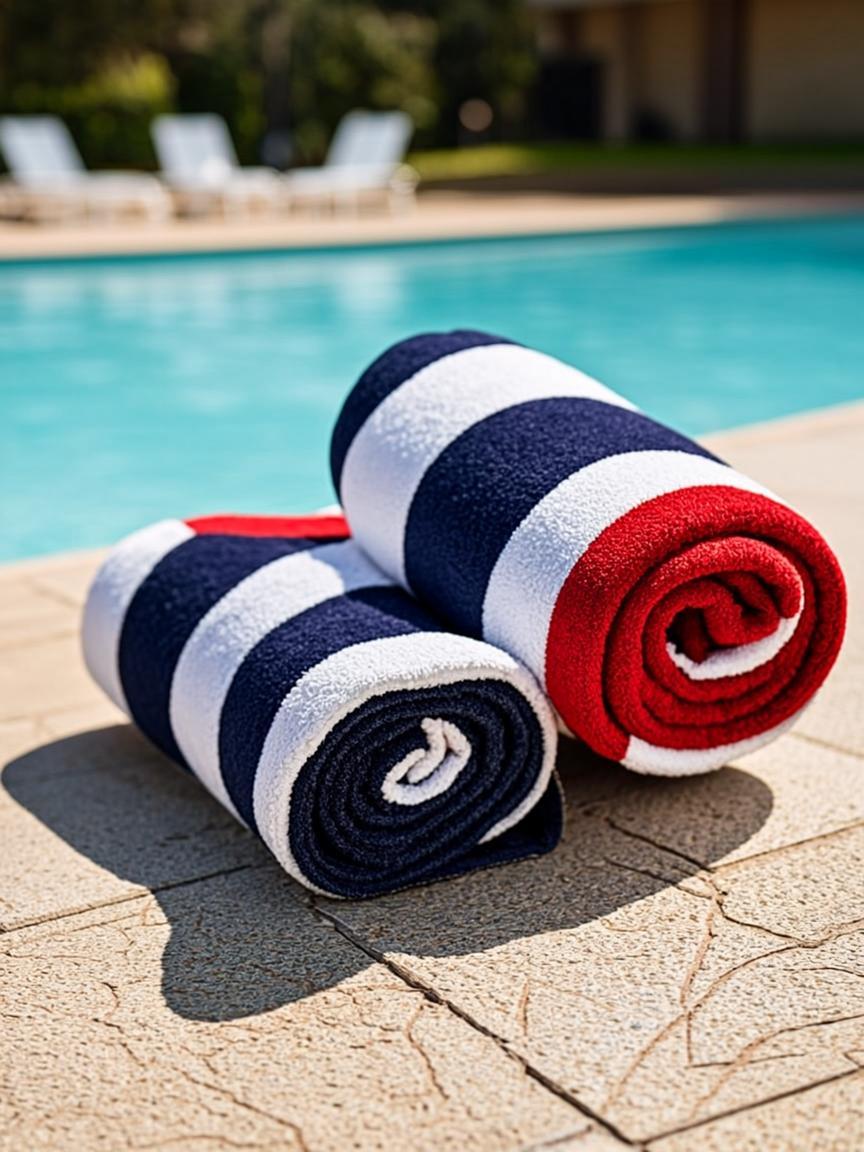
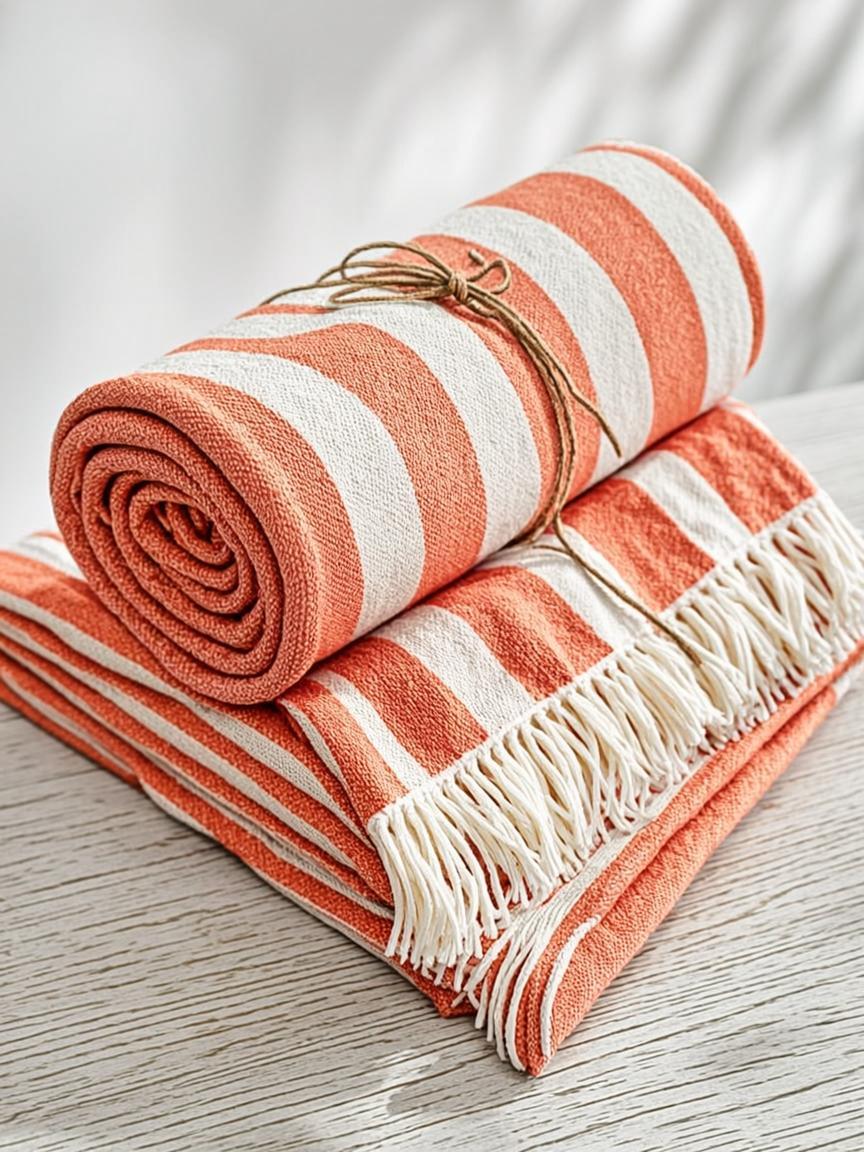
- Towels — hospitality and retail programmes
- Bedsheets — hotel and home textile lines
- Uniform fabrics — spec-disciplined range
- Ethnic wear — boutique and retail programmes
Fabrics behind the range
Programme fabrics are chosen application-first:
The fabric ladder runs from voile-light summer cloths through mid-weight Challis and poplin families, the suiting and shirting weights, and up to canvas and heavy furnishing constructions. Natural fibres cover the comfort trade; regenerated cellulose — viscose, modal, the Tencel family — carries the drape-led programmes; synthetics hold the technical and price-disciplined tiers.
Finish determines shelf behaviour as much as the base cloth does. The same 100 GSM cotton reads crisp or soft depending on mercerising; the same georgette drapes clean or stiff depending on the finishing heat profile. We hold those finish specs on file per buyer, because reorder drift in finish is as damaging as shade drift — and both are preventable with archived standards.
The Surat advantage — a short history
Ask any Indian textile trader where the country's fabric decisions get made, and the answer is a Surat trading floor, not a boardroom in Mumbai. The city handles a volume of polyester filament fabric that ranks among the largest concentrations of man-made textile production anywhere in the world, and the numbers translate into something a buyer feels directly: faster development, faster sampling, faster correction.
The cluster grew in layers. Weaving came first, then process houses for dyeing and printing, then embroidery units importing multi-head machines, then stitching units and finally the export consolidation logistics that now move thousands of cartons a week through Nhava Sheva and the air cargo terminals. Each layer sharpened the one before it — printers learned what weavers could hold, embroiderers learned what printers could register.
That layered competence is why a buyer sourcing from Surat gets options rather than constraints: if one construction does not hit the spec, three alternative looms are within reach of a phone call. We write our pages from inside that network, and the history behind it is really an argument about why the location itself works in your favour.
About Ajmera Export — the brand behind this page
Behind this page is a Surat export desk that has spent years learning what international buyers actually get judged on by their own customers. Landed-cost surprises kill retail margins. Late festival arrivals kill a whole season's plan. A shade drift between the sample and the bulk kills trust permanently. Our systems are built backwards from those three failure points.
Ajmera Export consolidates manufacturing and finishing across Surat's clusters into programmes that behave predictably: approved strike-offs before bulk runs, lot-level shade discipline, staged quality inspections with reports that travel with the shipment, and documentation packs that clear customs without follow-up. The desk runs on MOQ structures that let smaller buyers grow into larger ones without renegotiating the relationship each time.
We are a family-trade company in a city where that still means something — the reputation economics of a close-knit merchant community apply. Shortchange a buyer once and three others hear about it at the next trade sit-down. That pressure suits us fine, because the way we work anyway is the way that pressure enforces: honest specs, honest timelines, honest claims handling.
Why businesses choose us
- One accountable desk across weaving, dyeing, printing, embroidery, stitching and packing — no multi-vendor blame chains
- Strike-off approvals before every bulk run, so the shade you sign is the shade that ships
- Lot-level shade and GSM discipline with archived specs on file for every buyer programme
- MOQ structures designed for growing buyers — scale up without renegotiating the relationship
- Private labelling, retail-ready packing and destination-market documentation handled in-house
Start your first order
Begin with a straightforward enquiry: category, target quantity band and your market. From there we map the programme — which constructions or styles to sample, what MOQ the first order runs at, and what the production calendar looks like against your launch or season date. Counter-samples move within days, and nothing enters bulk production until you have approved the physical sample in hand.
Use the enquiry form on this page or message the desk on WhatsApp — both reach the people who actually run the programme. Buyers consolidating multiple categories can plan one shipment calendar across all of them, which is where the freight economics of a single-supplier relationship really start to show.
Frequently Asked Questions
What is the minimum order quantity for fabric supplier for boutique qatar?
MOQs are flexible and depend on the construction — most fabric programmes start around 500 to 1,000 metres per shade for stock bases, and higher for custom-dyed or custom-woven lots. Mixed shipments combining several constructions in one container are routine for our buyers, so you can build a full fabric programme without over-committing to a single item.
How long does delivery to Qatar take?
Stock constructions dispatch within a week, and sea freight transit to Hamad Port in Mesaieed typically adds three to four weeks depending on sailing schedules. Air freight is available when you need to catch a retail window — tell us your deadline at enquiry stage and we will quote the realistic option, not the optimistic one.
Can you match the fabric we already buy?
Yes — send us a cutting of your current fabric and we will analyse weight, construction and finish, then send back a matched sample for your approval before any order is confirmed. This is the most common way buyers start with us, and it protects you from the classic switching risk of a new supplier.
Featured Range
Products for Qatar
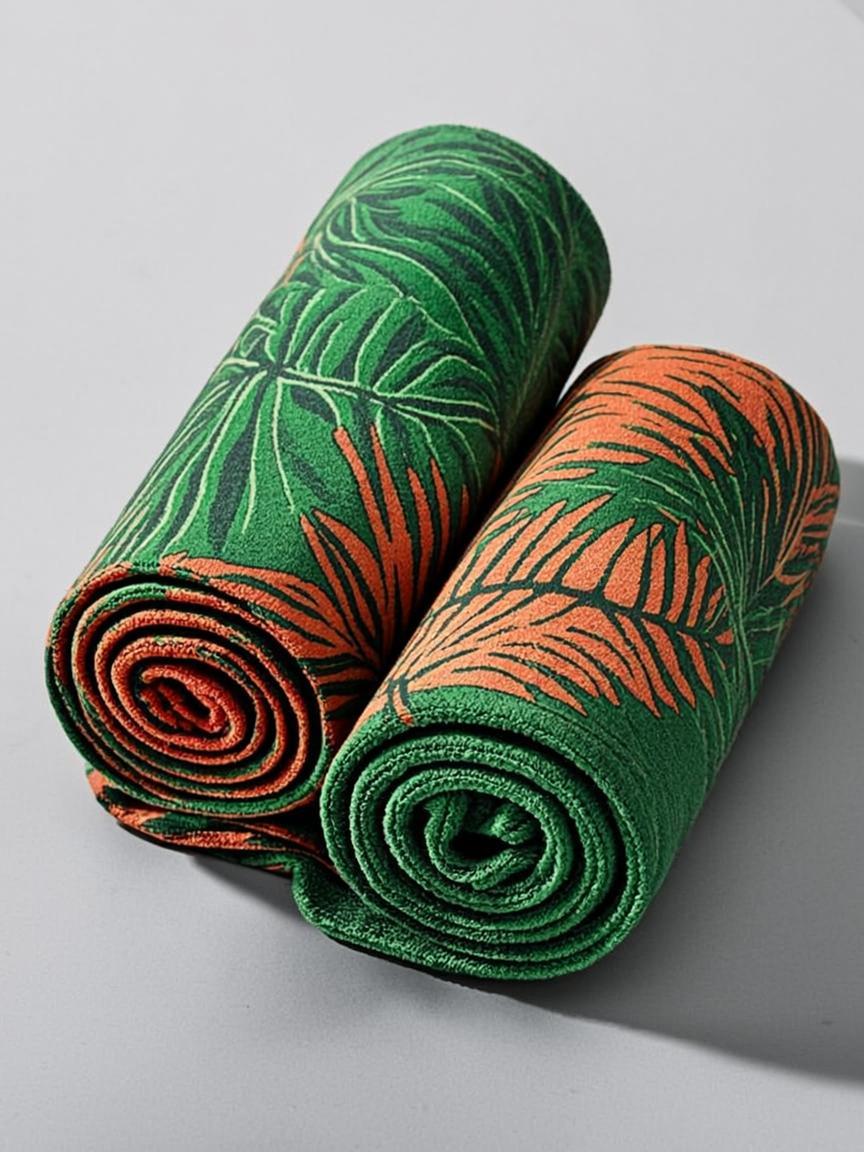
Tropical Print Beach Towels — Parrot Green Sunset Pair 380 GSM