Fabric Supply for Kandora Manufacturers in Qatar — Surat Export Desk
Fabric supply structured for kandora manufacturers in Qatar — crisp summer whites and pastels for the UAE tailoring trade, served mill-direct from Surat with programme-grade consistency.
There is a simple test for a fabric as a kandora manufacturer buying into Qatar supplier: ask what happens when something goes wrong. The honest answer involves a claim process, a replacement path and someone who answers the phone. We would rather be measured against that test than against anyone's brochure.
Kandora tailors judge fabric on structure — the collar and the sleeve have to stand through a working day in Gulf heat. That is the buyer this desk is built for.
What we supply kandora manufacturers
Crisp summer whites and pastels for the UAE tailoring trade — all of it mill-direct from our Surat weaving floor and partner units, under one accountable desk.
How the programme fits manufacturers work
We weave the structured light bases that hold their shape in 45-degree summers and survive the weekly laundry cycle the trade depends on.
- Programme supply — scheduled dispatches with reserved capacity for continuing buyers
- Shade and GSM standards held across every lot in the programme
- Mixed consignments so one container serves the full range
- Documentation prepared for Hamad Port in Mesaieed clearance in-house
The range behind the programme
- Material fabrics: cotton, linen, silk, viscose, polyester, chiffon, georgette and forty further constructions
- GCC apparel bases: abaya, thobe, kandora, kaftan, hijab and sheila fabrics
- Prints: digital and rotary printing across viscose, crepe and silk bases
- Custom builds: your construction, width, shade card and finish
Shipping to Qatar — the practical details
Sea freight via Hamad Port in Mesaieed with air freight for tight windows. Qatari buyers pay for reliability — a Doha boutique would rather reorder from a mill that shipped clean three times than save margin on a new unknown supplier. Demand moves with Ramadan, Eid al-Fitr and Eid al-Adha, plus the wedding season from November to March, and programme buyers get the first allocation in those windows.
How manufacturers programmes are structured
We weave the structured light bases that hold their shape in 45-degree summers and survive the weekly laundry cycle the trade depends on. The structure follows the buyer: allocation reserved against confirmed seasonal programmes, dispatches scheduled to the buyer's own retail calendar, and documentation prepared to whatever their clearing chain requires. Most kandora manufacturers who stay with us run mixed containers — the full range under one invoice — because managing five fabric suppliers costs more than the discounts they individually offer.
Talk to us about your fabric supplier for kandora manufacturer qatar requirement
The practical next step is a short enquiry about your fabric supplier for kandora manufacturer qatar requirement — construction, monthly volume and destination. Our export desk replies within working hours with availability, indicative pricing and honest lead times, and serious buyers can start with a trial lot before any programme commitment.
Modest-wear fabric and garment collections we supply
Modest-wear supply is its own discipline — the Gulf counter judges fabric on drape, opacity, crease recovery and how the base takes embellishment, and the tailoring trade around it judges shade consistency across millions of garments. Our programme serving Qatar covers both sides: the fabric yardage that ateliers and thobe chains cut from, and the finished-garment consolidation that retail groups source directly.
The fabric programme runs the full modest-wear register — flowing bases for abaya layers, crisp shirting for kandora and thobe production, premium black yardage with the sheen and hand-feel the boutique tier demands, plus sheila, hijab and kaftan cloths. Weight bands, opacity standards and GSM tolerances are held to the spec discipline the regional trade audits for.
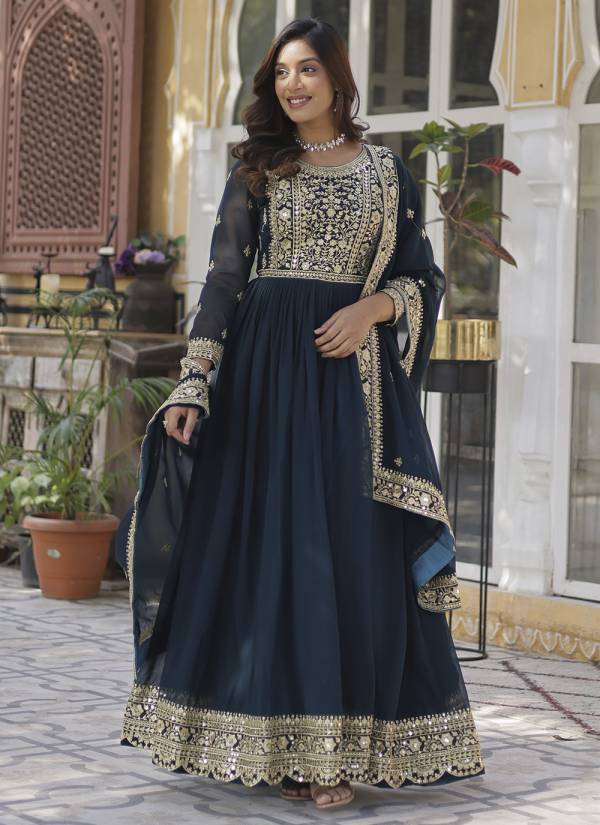
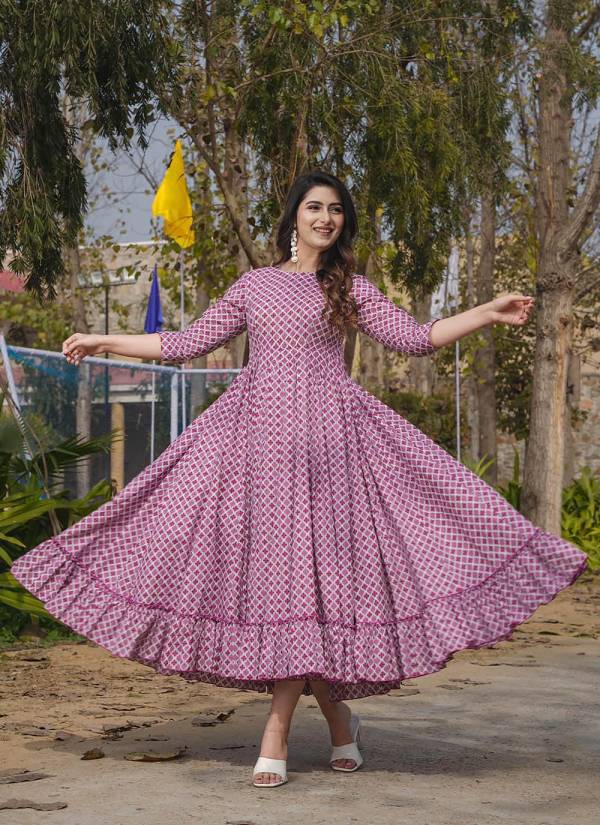
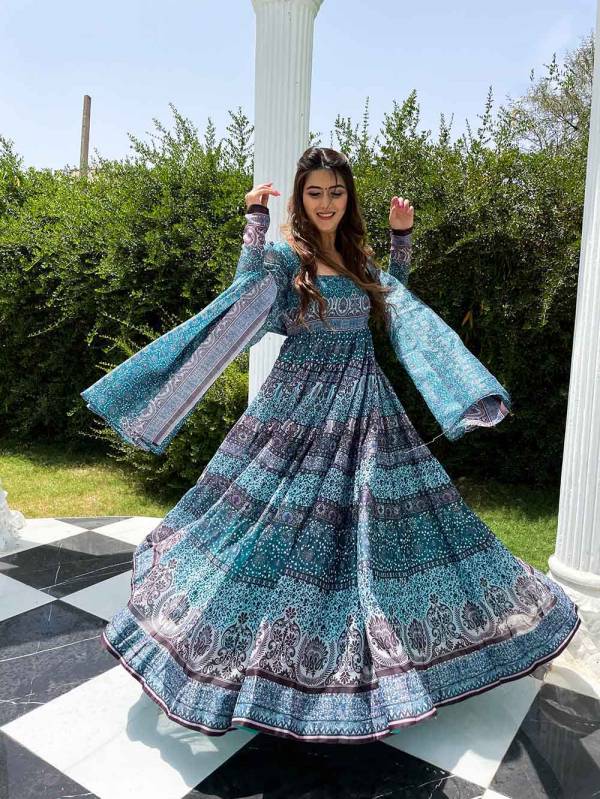
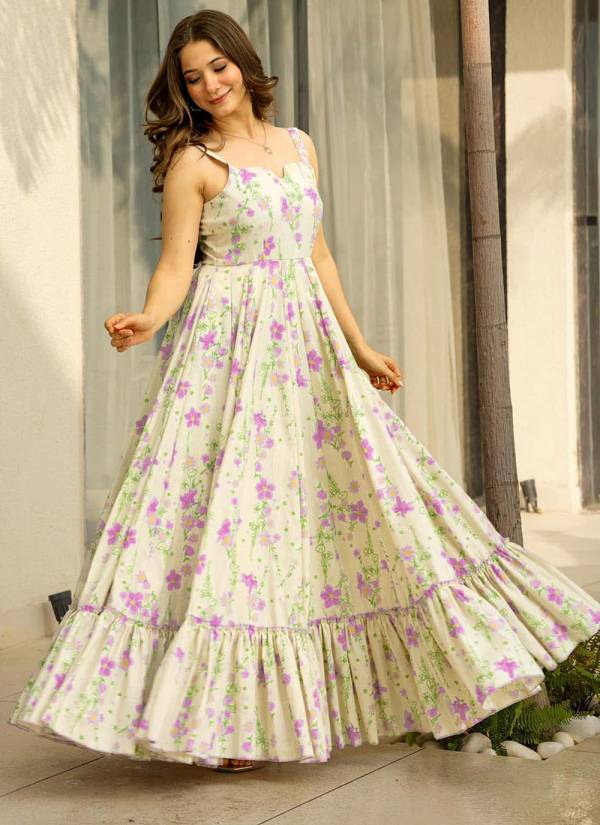
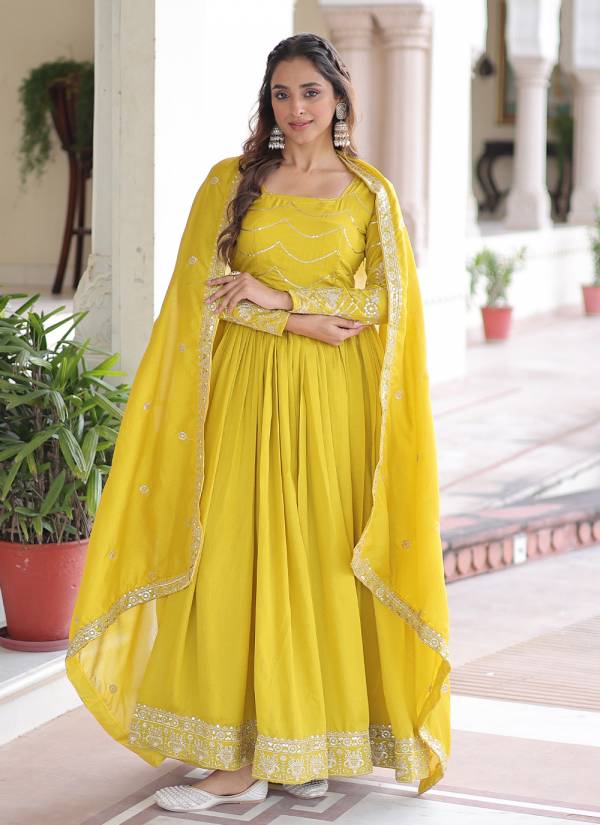
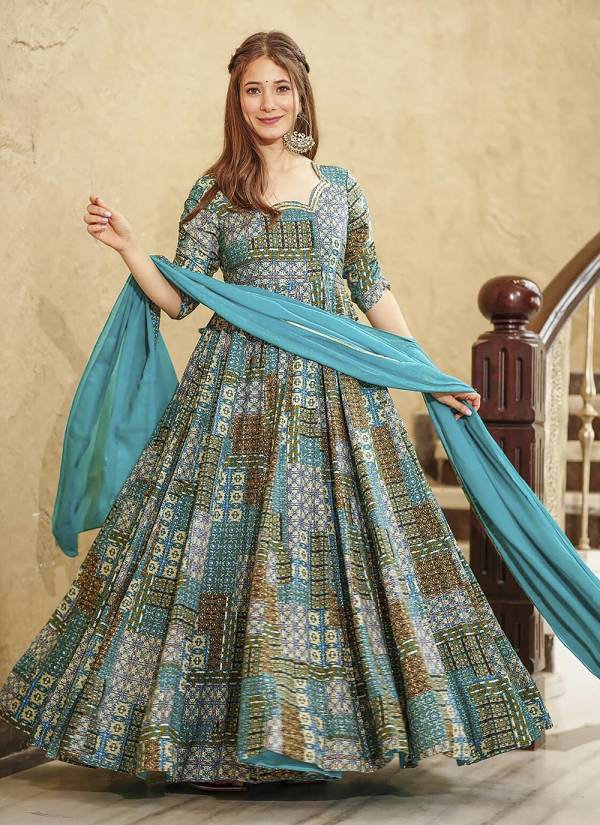
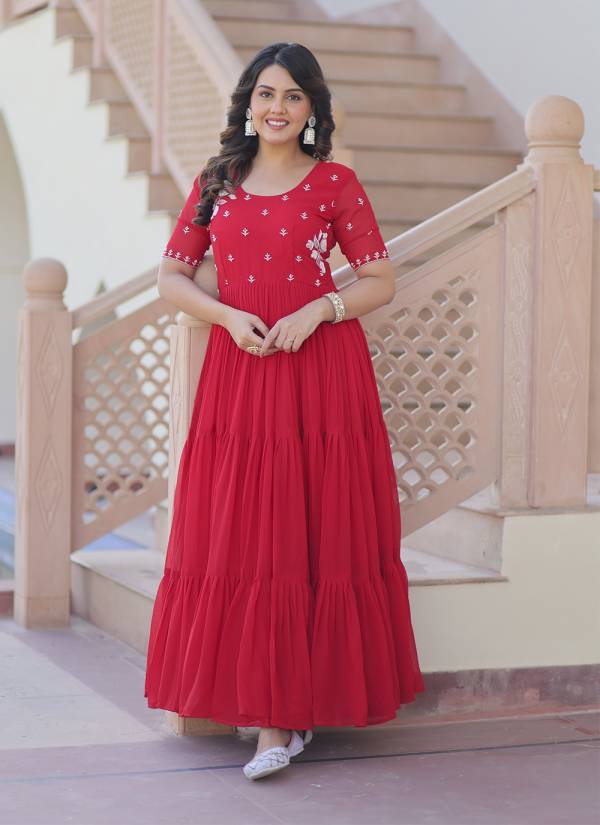
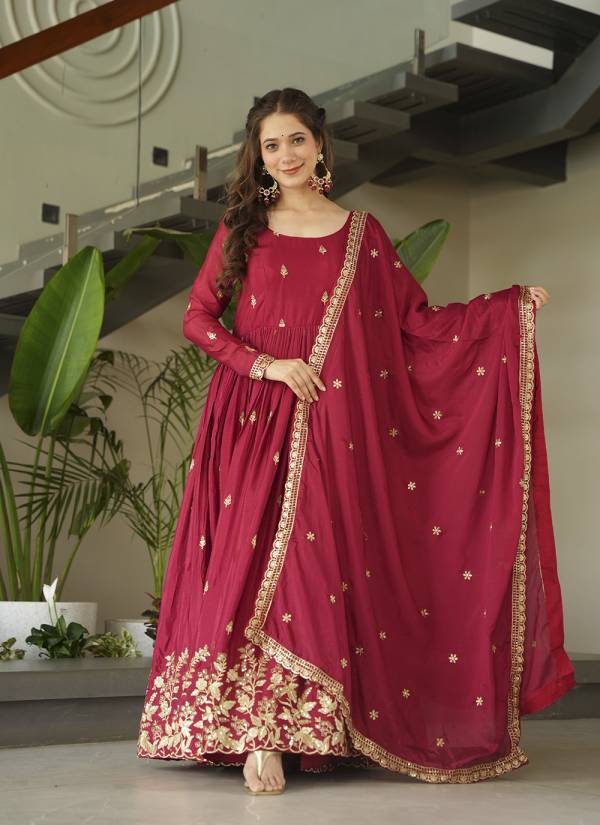
On the garment side, our consolidation covers occasion wear and the ethnic programmes that Gulf retail groups run alongside their core modest-wear counters — the diaspora demand for sarees, kurtis and suit programmes rides the same shipping calendar. Buyers managing both sides of the shelf source them from one desk for exactly that calendar discipline.
- Fabrics — the weaving cluster range
- Ethnic wear collections — diaspora counter programmes
- Gowns — occasion range
- Kurtis — rotation programmes
Fabrics behind the range
Modest-wear fabric standards are specific and testable:
Fabric selection is where programme economics are actually decided — the difference between a 90 GSM and a 120 GSM base changes drape, cost structure, shipping weight and the price tier the finished product can hold. Our role is to make that selection explicit rather than accidental: spec sheets with weight, weave, width and finish on every quotation, samples that match the bulk spec exactly, and lot documentation that lets your QC team verify against the same numbers we shipped against.
The clusters behind this programme weave, dye, print, embroider and finish in the same industrial ring — which is why development moves in days and corrections move faster. That proximity is the quiet advantage behind every fabric programme we run.
The Surat advantage — a short history
Ask any Indian textile trader where the country's fabric decisions get made, and the answer is a Surat trading floor, not a boardroom in Mumbai. The city handles a volume of polyester filament fabric that ranks among the largest concentrations of man-made textile production anywhere in the world, and the numbers translate into something a buyer feels directly: faster development, faster sampling, faster correction.
The cluster grew in layers. Weaving came first, then process houses for dyeing and printing, then embroidery units importing multi-head machines, then stitching units and finally the export consolidation logistics that now move thousands of cartons a week through Nhava Sheva and the air cargo terminals. Each layer sharpened the one before it — printers learned what weavers could hold, embroiderers learned what printers could register.
That layered competence is why a buyer sourcing from Surat gets options rather than constraints: if one construction does not hit the spec, three alternative looms are within reach of a phone call. We write our pages from inside that network, and the history behind it is really an argument about why the location itself works in your favour.
About Ajmera Export — the brand behind this page
The desk behind this page answers its own enquiries — no agent layer, no trading-company blur. When you message Ajmera Export about a programme, the reply comes from someone who can walk onto the production floor the same afternoon and check the detail you asked about. That directness is unusual in international textile trade, and it is the main reason buyers who start with a trial lot tend to still be with us years later.
Our programmes span the ethnic wear wardrobe — women's, men's and kids — the home textile line in towels and bedding, and the fabric trade that Surat's mills are globally known for. Development happens fast because the clusters are local: sampling in days, strike-offs within the week, production slotted honestly against real capacity rather than optimistic promises.
Commercially, we keep the structure simple: MOQs that respect where a buyer is today rather than where a supplier wishes they were, private labelling available from the first order, and a claims process that resolves on evidence instead of argument. The result our buyers care about — the one we build everything around — is that the reorder looks exactly like the approval sample, every time.
Why businesses choose us
- Sampling in days from local clusters — development speed is the first thing Surat buyers notice
- Staged quality inspections with reports travelling inside the shipment, not after it
- Festival-calendar planning help — we flag order-by dates that protect your seasonal sell-through
- Container consolidation across categories to pull freight cost per piece down
- Claims resolved on photographs and lot numbers within 15 days, not on argument
Start your first order
The practical first step is a sample conversation. Tell us the products or fabric constructions you are evaluating, the volumes you realistically expect to place, and the delivery window you are planning against. We come back with a development plan: what we sample first, what the strike-off timeline looks like, and how the first order can start small enough to be comfortable and still hold production priority.
Every long programme we run today began exactly this way — one enquiry, one sample lot, one clean shipment, then a season calendar. The form on this page or a WhatsApp message both reach the same desk, and both get an answer from someone who can check your question on the production floor the same day.
Frequently Asked Questions
What is the minimum order quantity for fabric supplier for kandora manufacturer qatar?
MOQs are flexible and depend on the construction — most fabric programmes start around 500 to 1,000 metres per shade for stock bases, and higher for custom-dyed or custom-woven lots. Mixed shipments combining several constructions in one container are routine for our buyers, so you can build a full fabric programme without over-committing to a single item.
How long does delivery to Qatar take?
Stock constructions dispatch within a week, and sea freight transit to Hamad Port in Mesaieed typically adds three to four weeks depending on sailing schedules. Air freight is available when you need to catch a retail window — tell us your deadline at enquiry stage and we will quote the realistic option, not the optimistic one.
Can you match the fabric we already buy?
Yes — send us a cutting of your current fabric and we will analyse weight, construction and finish, then send back a matched sample for your approval before any order is confirmed. This is the most common way buyers start with us, and it protects you from the classic switching risk of a new supplier.
Featured Range
Products for Qatar