Fabric Wholesaler in Abu Dhabi — Surat Mill-Direct Supply
Fabric Wholesaler supply for Abu Dhabi — the capital market with institutional depth, served mill-direct from Surat with consolidated freight into the UAE and festival-calendar planning.
The difference between a workable sourcing relationship and a frustrating one usually shows by the third consignment of fabric in Abu Dhabi. By then the quality is proven, the consistency is tested, and the paperwork has cleared twice. Everything on this page is about getting you to that third consignment quickly.
Abu Dhabi buying runs deeper and quieter than Dubai — government uniform programmes, hotel procurement cycles and a premium abaya trade that orders by relationship rather than price hunting. We supply uniform manufacturers on government contracts, hotel suppliers running the Corniche hospitality cycle, and premium abaya ateliers serving the capital’s retail from our Surat weaving floor, with the full UAE documentation chain handled in-house.
What Abu Dhabi buyers order from this desk
- Abaya, thobe and kandora bases for the tailoring and atelier trade
- Fashion yardage — prints, crepes, georgettes and seasonal constructions
- Uniform fabrics with test documentation for institutional buyers
- Furnishing and hospitality programmes for project-based buyers
- Lot-consistent wholesale supply that protects the local reseller chain and roll formats packed for wholesale breaking and re-rolling operations
Supplying Abu Dhabi from Surat
The wholesale trade here breaks bulk for a hinterland of smaller buyers — and the wholesaler’s own reputation sits on whether every metre they sell matches the lot they sold last month. UAE buyers think in re-export terms: one consignment serves their own boutiques, their GCC wholesale customers and their East Africa trade in a single landed cost calculation.
- Trial lots sized for Abu Dhabi businesses testing a new supplier
- Shade standards held on file so repeat lots match the originals
- Mixed consignments — one container covering the full programme range
- Documentation prepared for UAE clearance without follow-up queries
Logistics into Abu Dhabi
Sea freight via Jebel Ali with inland haulage to Abu Dhabi, or direct consolidation where the volume justifies it — institutional buyers plan their procurement calendars months ahead. Demand across the Emirates moves with Ramadan and Eid retail peaks, the Dubai Shopping Festival and the wedding season that runs October to April, and our production calendar books capacity ahead of those windows.
What a first fabric wholesaler order looks like
The entry path is deliberately low-risk: an enquiry with your quantity range, a video walk-through of current stock and catalogues, then physical samples of the shortlisted pieces. First orders typically run 20–50 pieces per design mixed across sizes and colours for garments, or 500–1,000 metres per shade for fabric programmes — enough to test the shelf without warehousing a season. The buyers who scale fastest treat the first order as a market test: they watch which designs move in the first fortnight, then use our mixed-lot structure to reorder the winners in depth while dropping the slow movers quietly.
Repeat programmes run on reserved capacity. Once a Abu Dhabi buyer confirms a seasonal programme, we hold loom and finishing slots against their calendar, keep their shade standards on file, and dispatch on a schedule their merchandising can plan around — the difference between a supplier who ships and a partner who plans.
Talk to us about your fabric wholesaler abu dhabi requirement
Tell us what your programme needs — constructions, weights, volumes and the retail window you are buying for. We come back with availability, indicative pricing and a realistic dispatch date, and buyers are welcome to verify quality with a trial lot before scaling up.
Fabric Wholesaler in Abu Dhabi — what our mill-direct programme covers
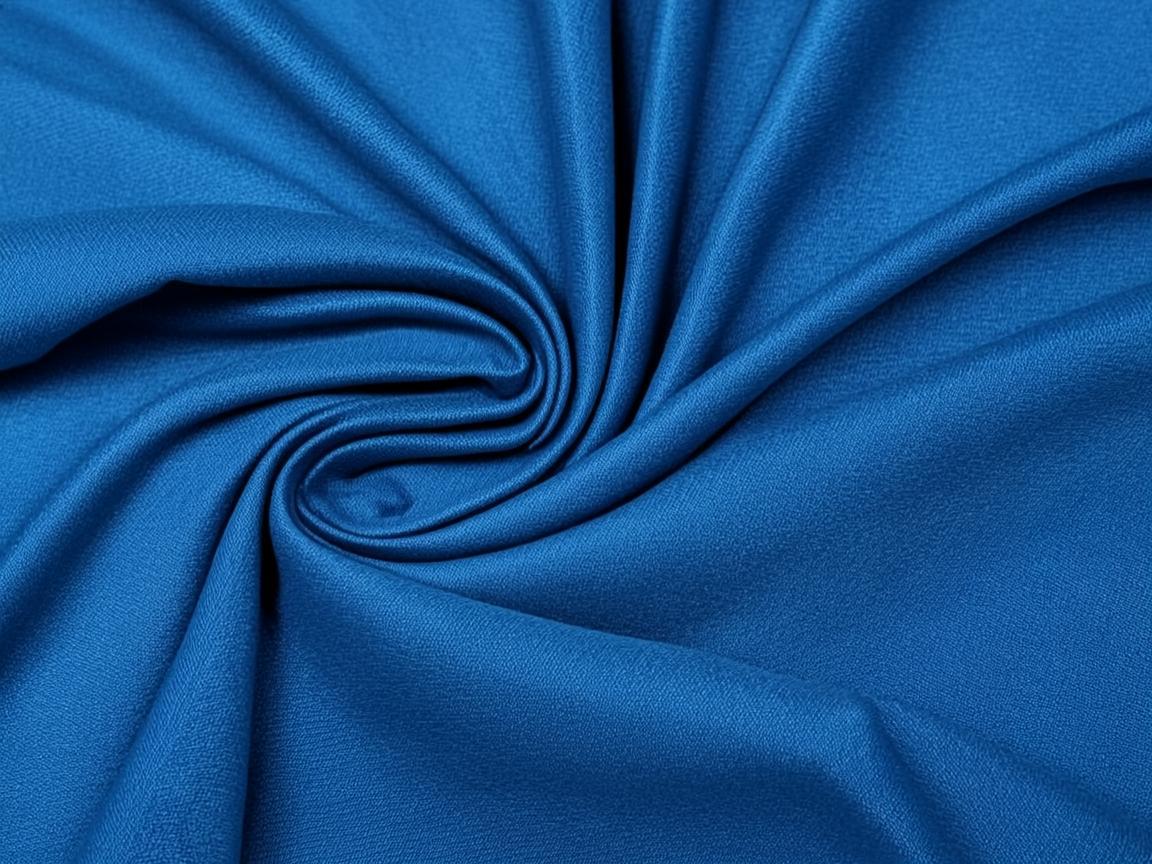
The fabric programme behind this page is mill-direct Surat supply — weaving, dyeing, printing and finishing under one accountable desk, serving Abu Dhabi with the construction discipline that serious fabric buyers audit for. We develop and run natural fibres, regenerated cellulose, synthetics and the blend families between them, across the weight bands and finishes the trade actually specifies.
What that means practically: cotton programmes from voile-light shirting through canvas-heavy utility weights, silk and art-silk registers for the premium trade, the full polyester and nylon range from challis to technical constructions, and the fashion fabric families — georgette, crepe, satin, velvet, organza, jacquard, brocade — that garment programmes cut from. Printed, dyed, embroidered and textured finishes run on the same programme.
Bulk fabric supply runs on spec discipline: GSM tolerances held across the run, shade cards matched and archived per buyer, width options in the trade standards, and lot-level documentation that travels with the shipment. Development sampling moves in days because the clusters are local — the speed advantage that built this city's fabric trade still shows up in every programme we quote.
- Cotton fabrics — the workhorse range
- Silk fabrics — premium register
- Georgette, chiffon and crepe — drape family
- Printed fabrics — print cluster collections
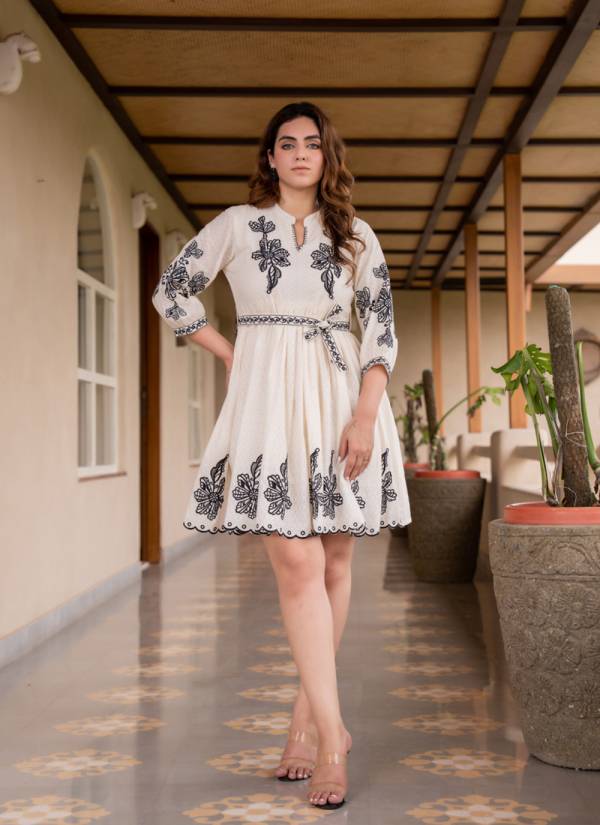
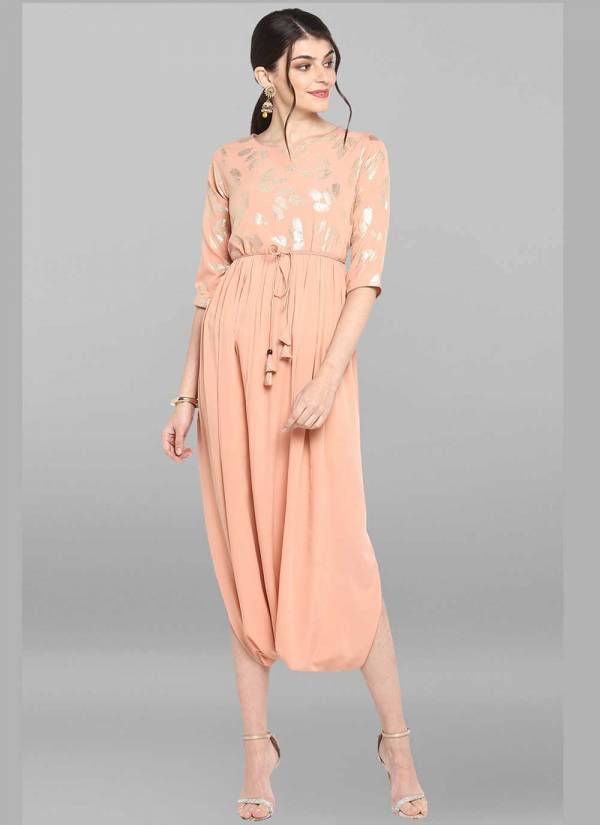
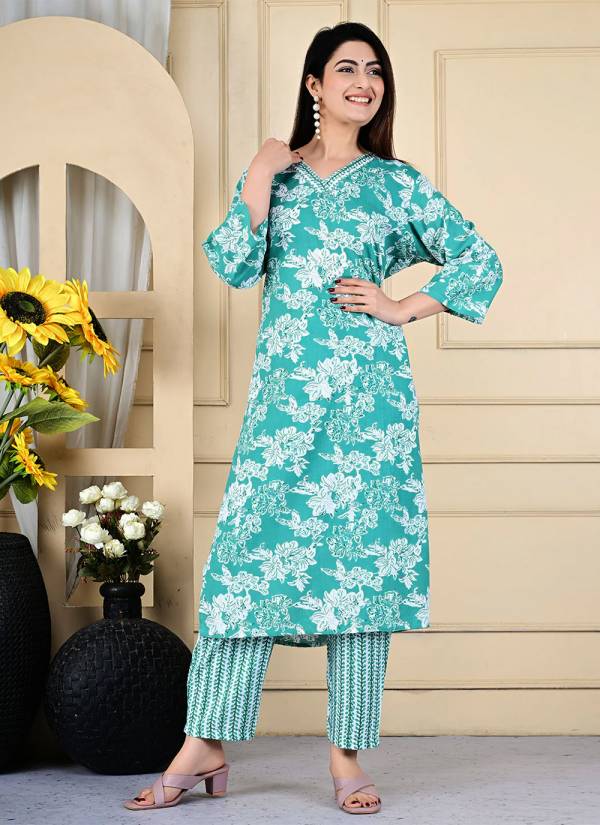
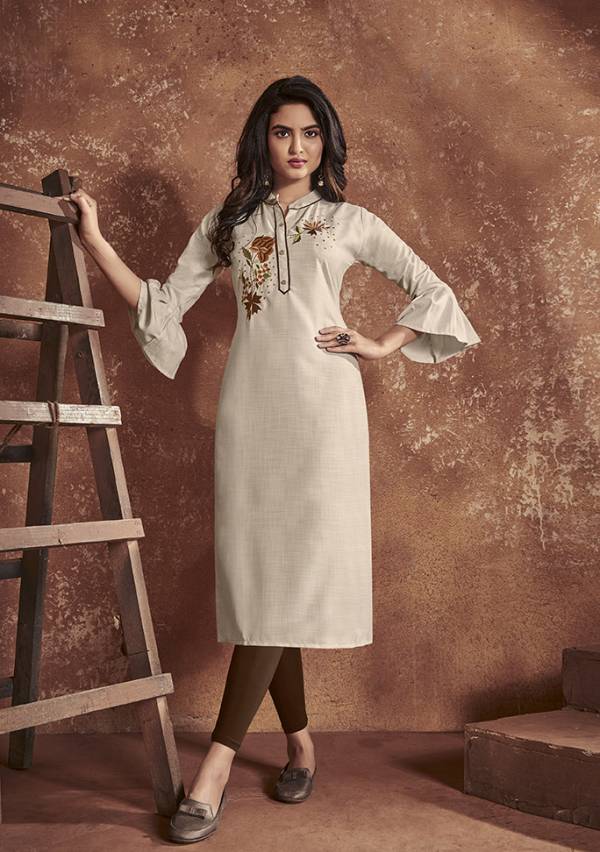
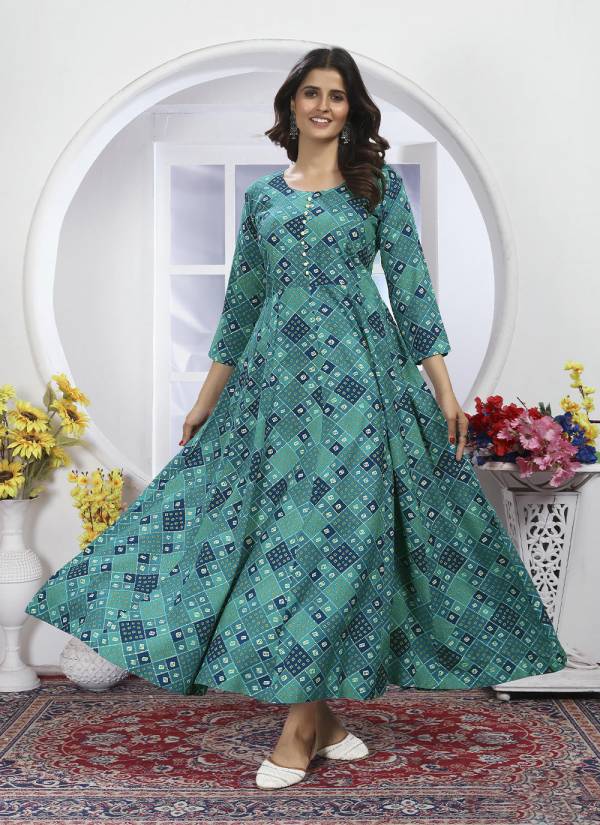
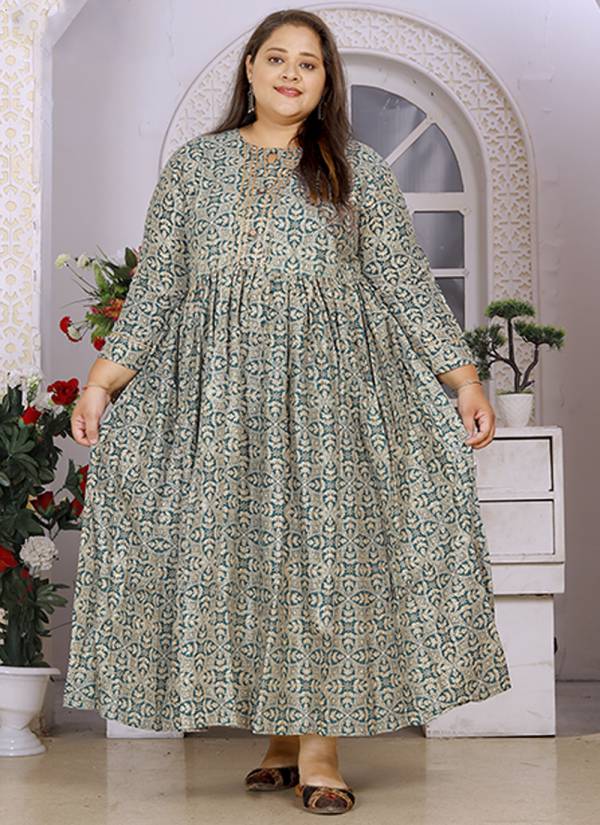
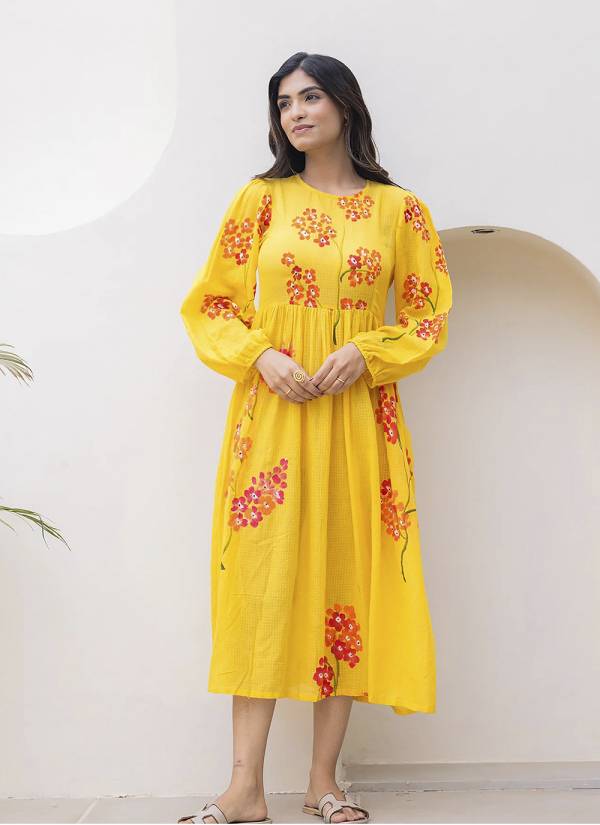
- Finished garments — what the fabric becomes
Fabrics behind the range
Fabric engineering is weight, weave and finish discipline:
Fabric selection is where programme economics are actually decided — the difference between a 90 GSM and a 120 GSM base changes drape, cost structure, shipping weight and the price tier the finished product can hold. Our role is to make that selection explicit rather than accidental: spec sheets with weight, weave, width and finish on every quotation, samples that match the bulk spec exactly, and lot documentation that lets your QC team verify against the same numbers we shipped against.
The clusters behind this programme weave, dye, print, embroider and finish in the same industrial ring — which is why development moves in days and corrections move faster. That proximity is the quiet advantage behind every fabric programme we run.
The Surat advantage — a short history
The saree and dress trade built this city before the export business did. Surat's weaving families supplied India's saree counters for generations — the zari work, the jacquards, the printed georgettes that moved by the million through wholesale halls around Ring Road. That domestic trade taught the cluster something export markets now benefit from: how to hold quality at volume, week after week, at price points real retailers can mark up.
When export demand arrived — Gulf fabric houses first, then diaspora boutiques in London, New Jersey and Nairobi, then the trade buyers of West Africa and Southeast Asia — the cluster simply aimed the same machinery at new specifications. Kandora shirting, abaya bases, kurti sets, hotel linen: the looms do not care what the end product is called; the discipline is in the GSM and the shade card.
What has not changed is the trading culture. Deals still close on trust and trial lots, reputations still travel by word of mouth through community networks, and a supplier who ships clean three times earns a buyer for a decade. That is the history we operate inside, and it is the honest reason a Surat desk can promise what bigger-sounding operations cannot: the person who quotes your order is the person accountable for it.
About Ajmera Export — the brand behind this page
Behind this page is a Surat export desk that has spent years learning what international buyers actually get judged on by their own customers. Landed-cost surprises kill retail margins. Late festival arrivals kill a whole season's plan. A shade drift between the sample and the bulk kills trust permanently. Our systems are built backwards from those three failure points.
Ajmera Export consolidates manufacturing and finishing across Surat's clusters into programmes that behave predictably: approved strike-offs before bulk runs, lot-level shade discipline, staged quality inspections with reports that travel with the shipment, and documentation packs that clear customs without follow-up. The desk runs on MOQ structures that let smaller buyers grow into larger ones without renegotiating the relationship each time.
We are a family-trade company in a city where that still means something — the reputation economics of a close-knit merchant community apply. Shortchange a buyer once and three others hear about it at the next trade sit-down. That pressure suits us fine, because the way we work anyway is the way that pressure enforces: honest specs, honest timelines, honest claims handling.
Why businesses choose us
- One accountable desk across weaving, dyeing, printing, embroidery, stitching and packing — no multi-vendor blame chains
- Strike-off approvals before every bulk run, so the shade you sign is the shade that ships
- Lot-level shade and GSM discipline with archived specs on file for every buyer programme
- MOQ structures designed for growing buyers — scale up without renegotiating the relationship
- Private labelling, retail-ready packing and destination-market documentation handled in-house
Start your first order
Begin with a straightforward enquiry: category, target quantity band and your market. From there we map the programme — which constructions or styles to sample, what MOQ the first order runs at, and what the production calendar looks like against your launch or season date. Counter-samples move within days, and nothing enters bulk production until you have approved the physical sample in hand.
Use the enquiry form on this page or message the desk on WhatsApp — both reach the people who actually run the programme. Buyers consolidating multiple categories can plan one shipment calendar across all of them, which is where the freight economics of a single-supplier relationship really start to show.
Featured Range
Products for Abu Dhabi