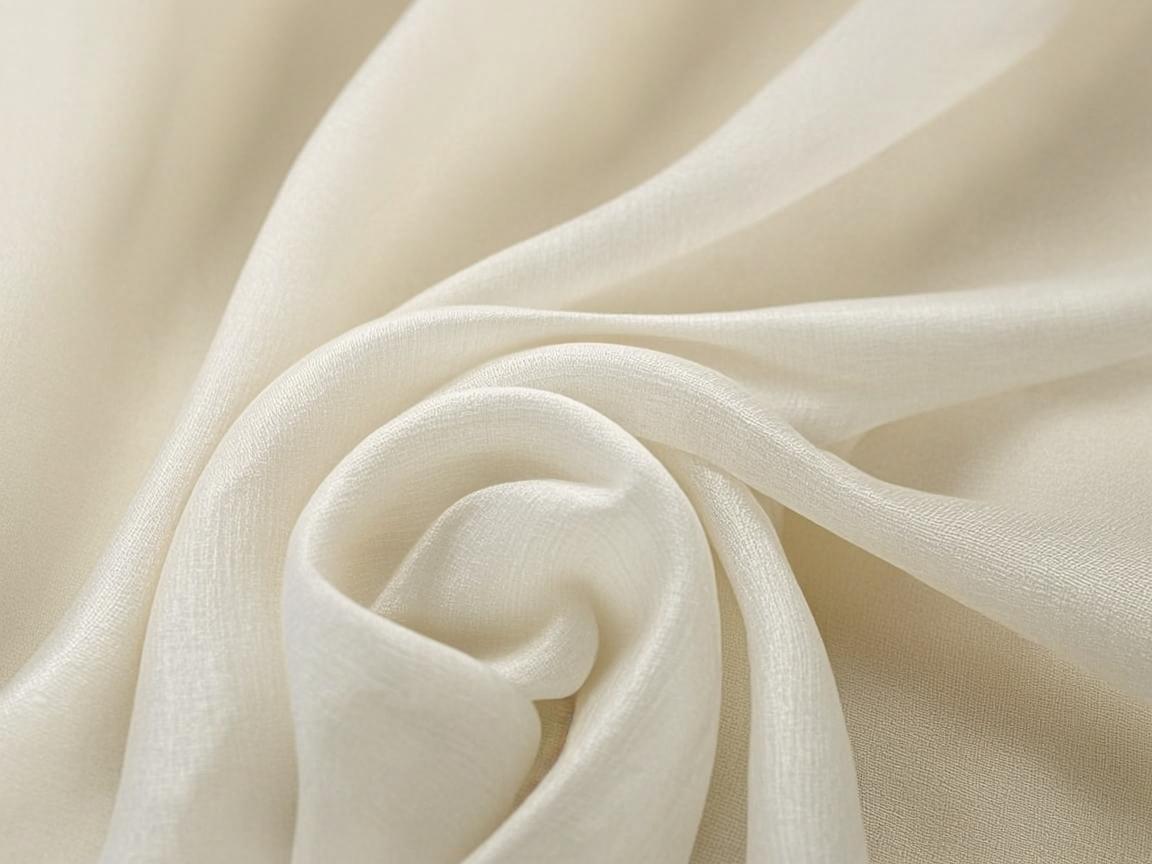
Fabric Wholesaler in Al Ain — Surat Mill-Direct Supply
Fabric Wholesaler supply for Al Ain — the garden city with a steady retail trade, served mill-direct from Surat with consolidated freight into the UAE and festival-calendar planning.
Most buyers we meet in this market have a supplier story — the consignment that arrived short, the shade that drifted, the reply that took a week. We built our fabric in Al Ain programme around being the boring, dependable exception to those stories.
Al Ain serves the inland emirate retail — family-run fabric shops and abaya boutiques serving a loyal customer base that values consistency over novelty. We supply family fabric retailers, abaya boutiques and tailoring shops serving the oasis city’s established communities from our Surat weaving floor, with the full UAE documentation chain handled in-house.
What Al Ain buyers order from this desk
- Abaya, thobe and kandora bases for the tailoring and atelier trade
- Fashion yardage — prints, crepes, georgettes and seasonal constructions
- Uniform fabrics with test documentation for institutional buyers
- Furnishing and hospitality programmes for project-based buyers
- Lot-consistent wholesale supply that protects the local reseller chain and roll formats packed for wholesale breaking and re-rolling operations
Supplying Al Ain from Surat
The wholesale trade here breaks bulk for a hinterland of smaller buyers — and the wholesaler’s own reputation sits on whether every metre they sell matches the lot they sold last month. UAE buyers think in re-export terms: one consignment serves their own boutiques, their GCC wholesale customers and their East Africa trade in a single landed cost calculation.
- Trial lots sized for Al Ain businesses testing a new supplier
- Shade standards held on file so repeat lots match the originals
- Mixed consignments — one container covering the full programme range
- Documentation prepared for UAE clearance without follow-up queries
Logistics into Al Ain
Inland delivery from the Jebel Ali gateway with scheduled replenishment cycles — Al Ain buyers prefer dependable monthly programmes over irregular large drops. Demand across the Emirates moves with Ramadan and Eid retail peaks, the Dubai Shopping Festival and the wedding season that runs October to April, and our production calendar books capacity ahead of those windows.
What a first fabric wholesaler order looks like
The entry path is deliberately low-risk: an enquiry with your quantity range, a video walk-through of current stock and catalogues, then physical samples of the shortlisted pieces. First orders typically run 20–50 pieces per design mixed across sizes and colours for garments, or 500–1,000 metres per shade for fabric programmes — enough to test the shelf without warehousing a season. The buyers who scale fastest treat the first order as a market test: they watch which designs move in the first fortnight, then use our mixed-lot structure to reorder the winners in depth while dropping the slow movers quietly.
Repeat programmes run on reserved capacity. Once a Al Ain buyer confirms a seasonal programme, we hold loom and finishing slots against their calendar, keep their shade standards on file, and dispatch on a schedule their merchandising can plan around — the difference between a supplier who ships and a partner who plans.
Talk to us about your fabric wholesaler al ain requirement
The practical next step is a short enquiry about your fabric wholesaler al ain requirement — construction, monthly volume and destination. Our export desk replies within working hours with availability, indicative pricing and honest lead times, and serious buyers can start with a trial lot before any programme commitment.
Fabric Wholesaler in Al Ain — what our mill-direct programme covers
The fabric programme behind this page is mill-direct Surat supply — weaving, dyeing, printing and finishing under one accountable desk, serving Al Ain with the construction discipline that serious fabric buyers audit for. We develop and run natural fibres, regenerated cellulose, synthetics and the blend families between them, across the weight bands and finishes the trade actually specifies.
What that means practically: cotton programmes from voile-light shirting through canvas-heavy utility weights, silk and art-silk registers for the premium trade, the full polyester and nylon range from challis to technical constructions, and the fashion fabric families — georgette, crepe, satin, velvet, organza, jacquard, brocade — that garment programmes cut from. Printed, dyed, embroidered and textured finishes run on the same programme.
Bulk fabric supply runs on spec discipline: GSM tolerances held across the run, shade cards matched and archived per buyer, width options in the trade standards, and lot-level documentation that travels with the shipment. Development sampling moves in days because the clusters are local — the speed advantage that built this city's fabric trade still shows up in every programme we quote.
- Cotton fabrics — the workhorse range
- Silk fabrics — premium register
- Georgette, chiffon and crepe — drape family
- Printed fabrics — print cluster collections
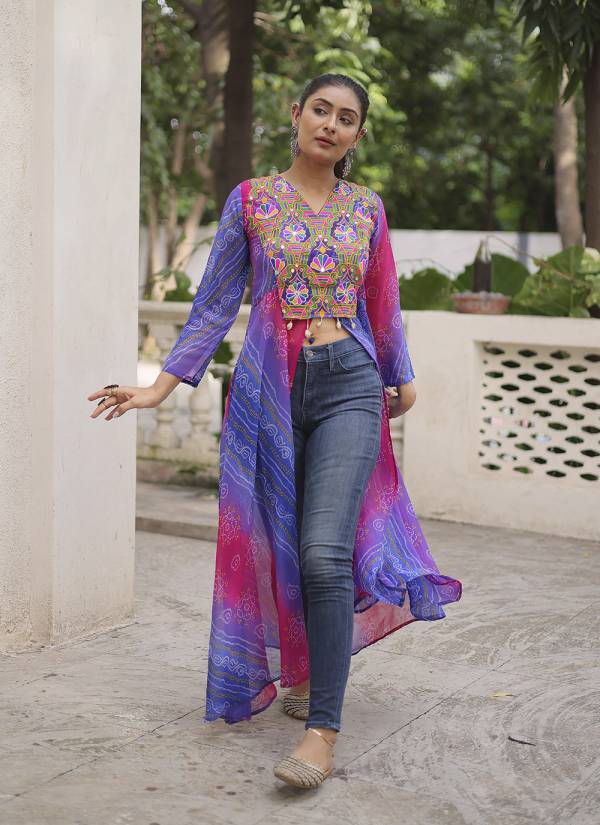
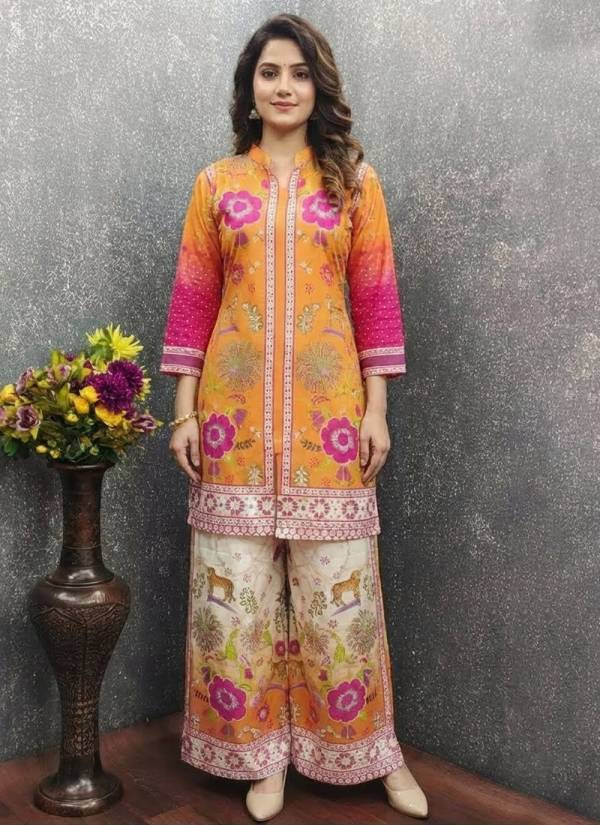
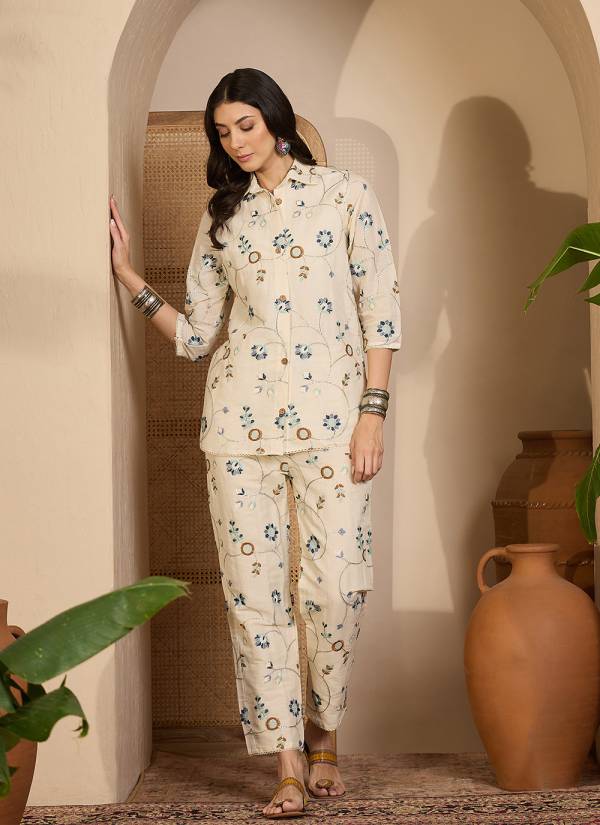
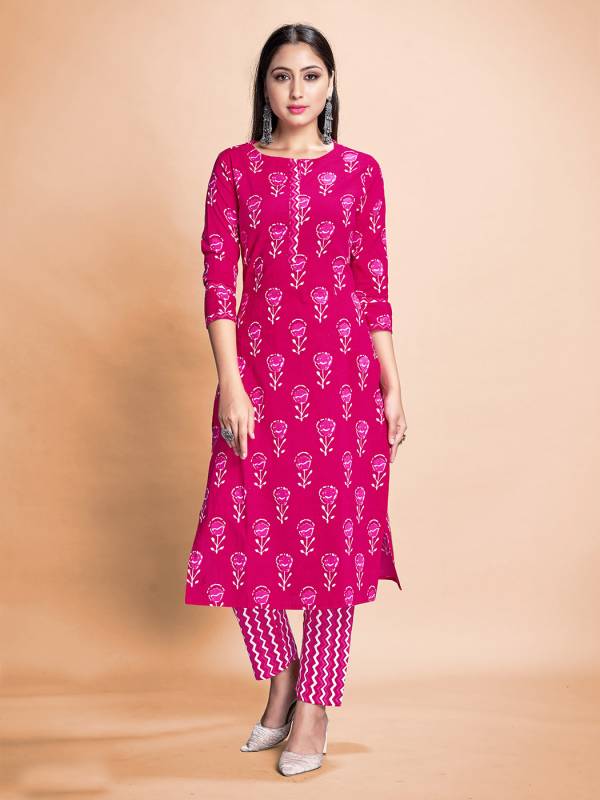
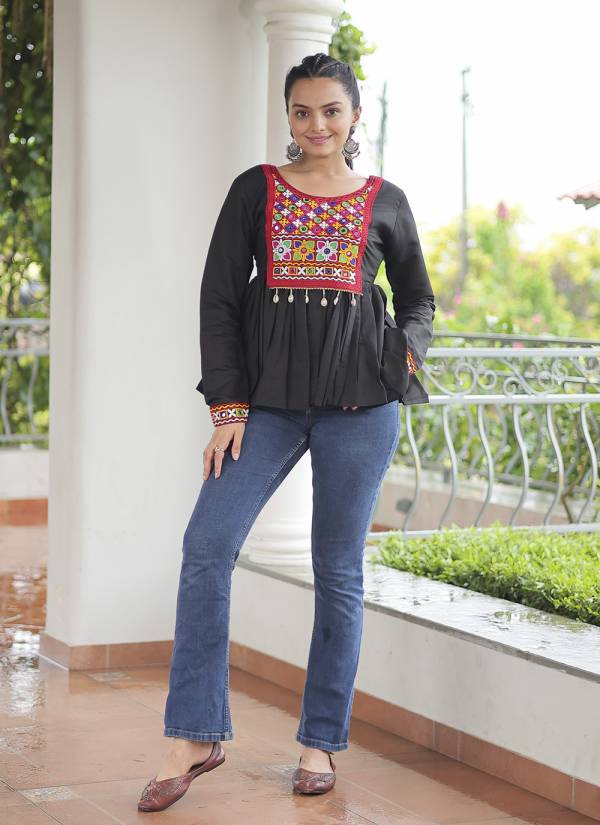
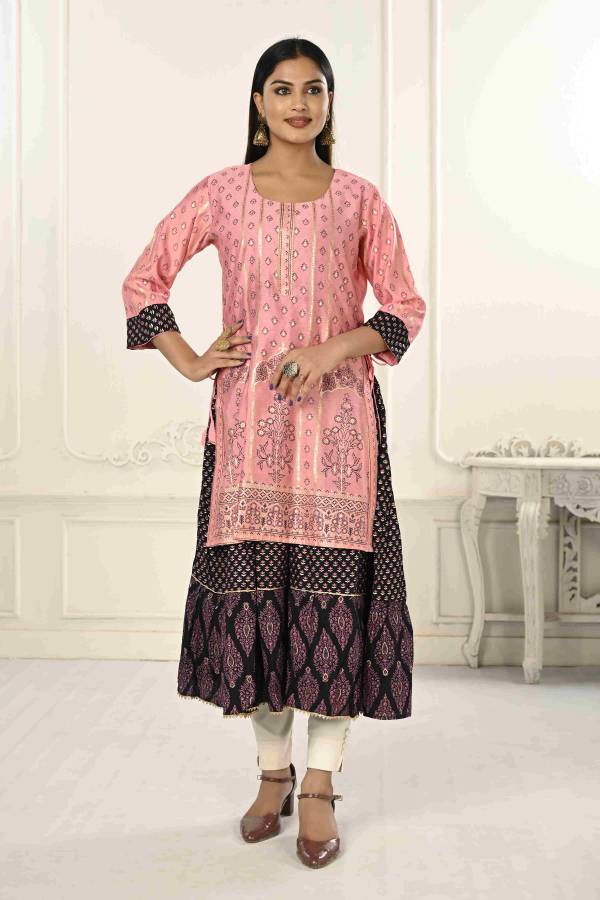
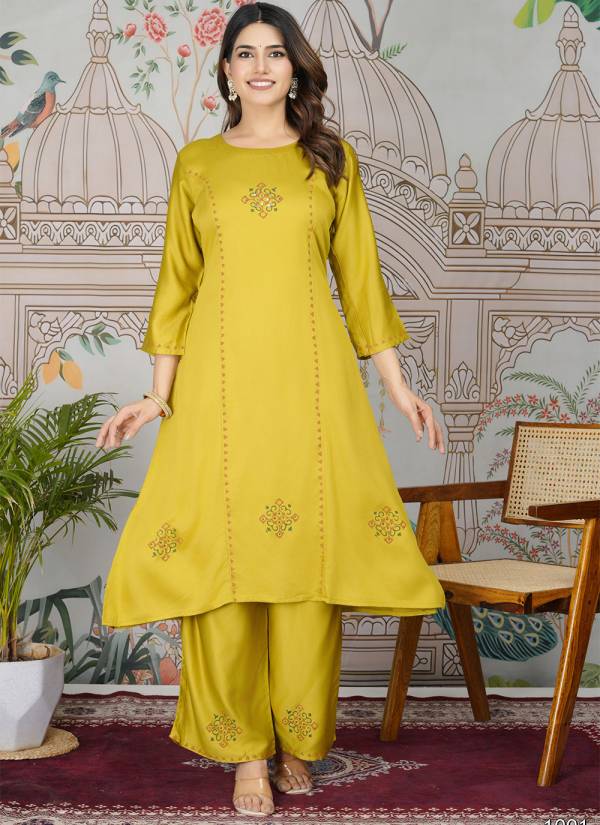
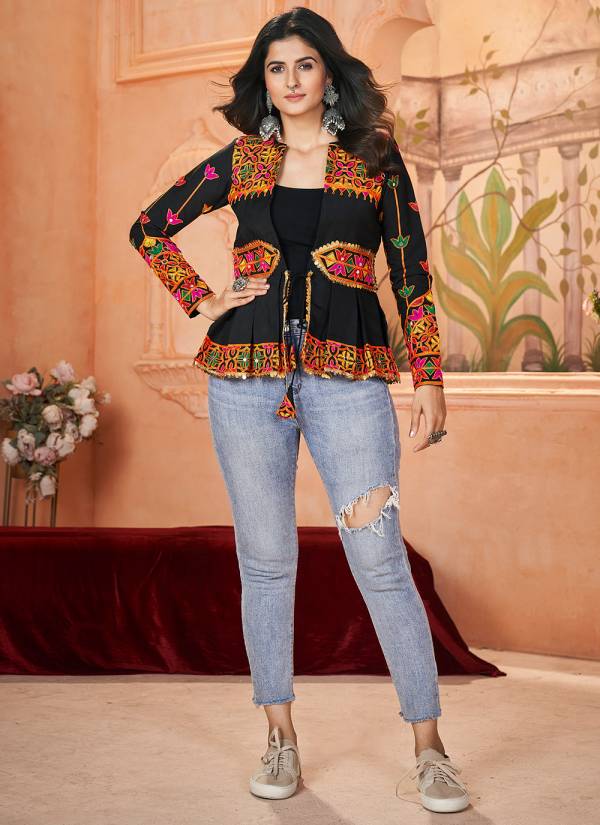
- Finished garments — what the fabric becomes
Fabrics behind the range
Fabric engineering is weight, weave and finish discipline:
The fabric ladder runs from voile-light summer cloths through mid-weight Challis and poplin families, the suiting and shirting weights, and up to canvas and heavy furnishing constructions. Natural fibres cover the comfort trade; regenerated cellulose — viscose, modal, the Tencel family — carries the drape-led programmes; synthetics hold the technical and price-disciplined tiers.
Finish determines shelf behaviour as much as the base cloth does. The same 100 GSM cotton reads crisp or soft depending on mercerising; the same georgette drapes clean or stiff depending on the finishing heat profile. We hold those finish specs on file per buyer, because reorder drift in finish is as damaging as shade drift — and both are preventable with archived standards.
The Surat advantage — a short history
Ask any Indian textile trader where the country's fabric decisions get made, and the answer is a Surat trading floor, not a boardroom in Mumbai. The city handles a volume of polyester filament fabric that ranks among the largest concentrations of man-made textile production anywhere in the world, and the numbers translate into something a buyer feels directly: faster development, faster sampling, faster correction.
The cluster grew in layers. Weaving came first, then process houses for dyeing and printing, then embroidery units importing multi-head machines, then stitching units and finally the export consolidation logistics that now move thousands of cartons a week through Nhava Sheva and the air cargo terminals. Each layer sharpened the one before it — printers learned what weavers could hold, embroiderers learned what printers could register.
That layered competence is why a buyer sourcing from Surat gets options rather than constraints: if one construction does not hit the spec, three alternative looms are within reach of a phone call. We write our pages from inside that network, and the history behind it is really an argument about why the location itself works in your favour.
About Ajmera Export — the brand behind this page
Ajmera Export is a Surat-based textile and ethnic wear export house built around a simple operating rule: quote honestly, ship clean, and treat the reorder as the real product. The company runs a consolidated sourcing and finishing operation across the city's weaving, dyeing, printing and stitching clusters, which means a buyer deals with one desk — ours — instead of chasing five vendors through a supply chain they cannot see.
The range we manufacture and consolidate covers the full ethnic wardrobe — sarees, kurtis, lehengas, gowns, salwar and Pakistani suit programmes, menswear, kids ethnic — alongside home textile lines in towels and bedsheets, and the fabric yardage trade the city itself is famous for. Every programme is export-graded: shrinkage-tested, colourfastness-checked and packed to destination-market shelf standards.
What we ask of new buyers is the same thing we give them: straight answers. If a lead time is tight, we say so. If a construction will not hold the embroidery weight you want, we propose the one that will. Export relationships that start on candour tend to still be running five years later — and that is the only growth strategy this company has ever needed.
Why businesses choose us
- One accountable desk across weaving, dyeing, printing, embroidery, stitching and packing — no multi-vendor blame chains
- Strike-off approvals before every bulk run, so the shade you sign is the shade that ships
- Lot-level shade and GSM discipline with archived specs on file for every buyer programme
- MOQ structures designed for growing buyers — scale up without renegotiating the relationship
- Private labelling, retail-ready packing and destination-market documentation handled in-house
Start your first order
Start the way most of our long-term buyers did: send one enquiry with what you stock today and where you want to take the programme. We reply with constructions or styles that fit your shelf, a counter-sample plan, and MOQ levels matched to your current volumes. Samples ship within days, approvals happen on your timeline, and the first production slot is booked the day you sign the strike-off.
The enquiry form on this page reaches the export desk directly, and WhatsApp works just as well for buyers who prefer trading-floor speed. Either way, the conversation that follows is a working one — spec, quantity, lead time, packing — not a brochure exchange.
Featured Range
Products for Al Ain