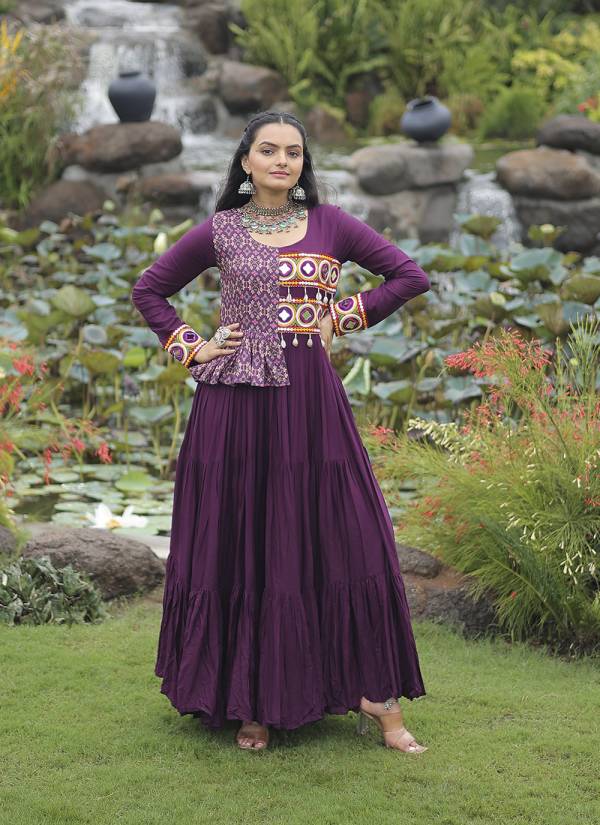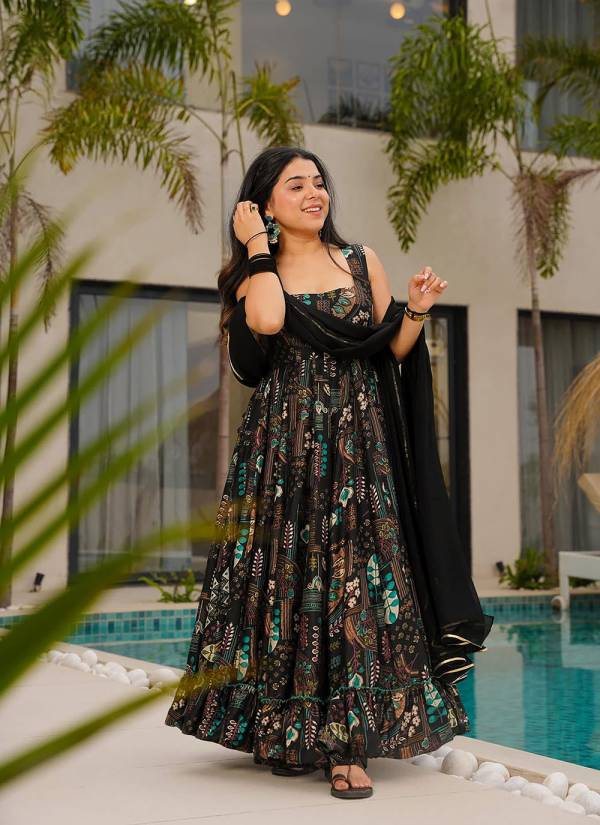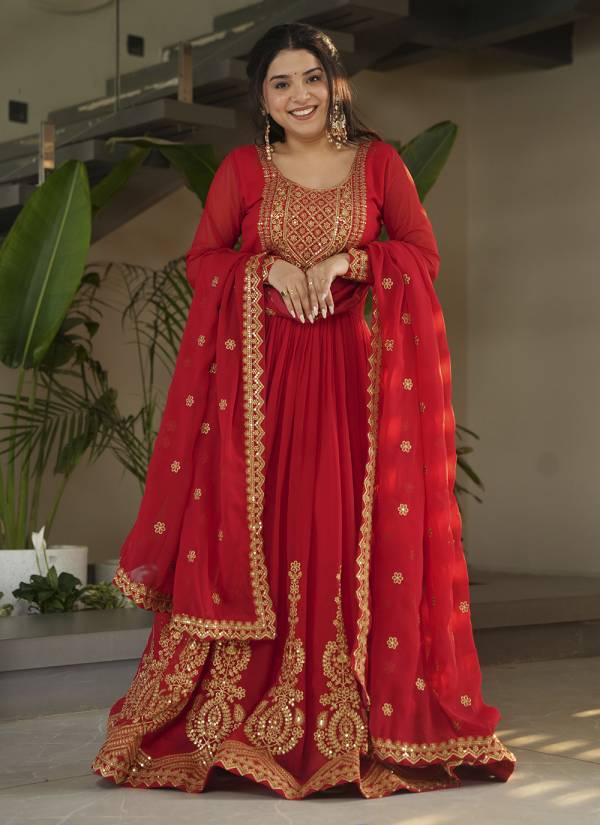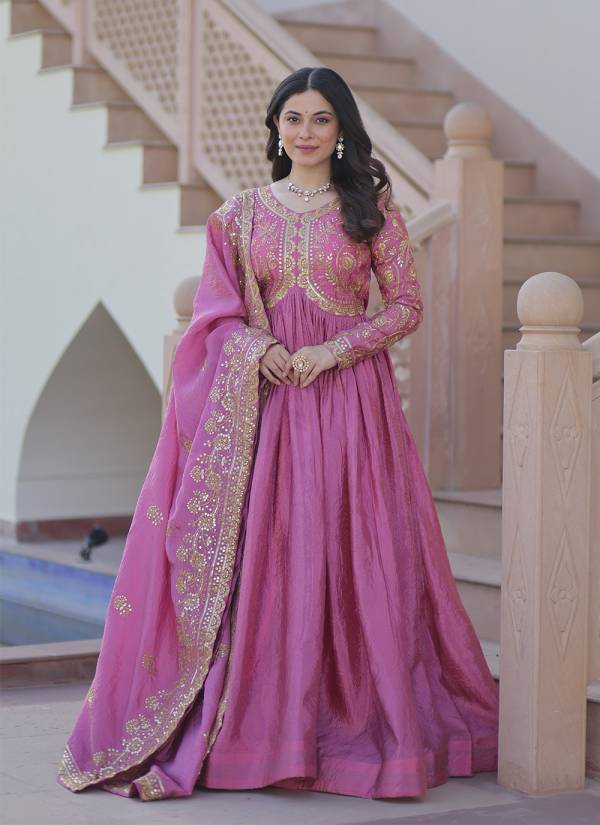
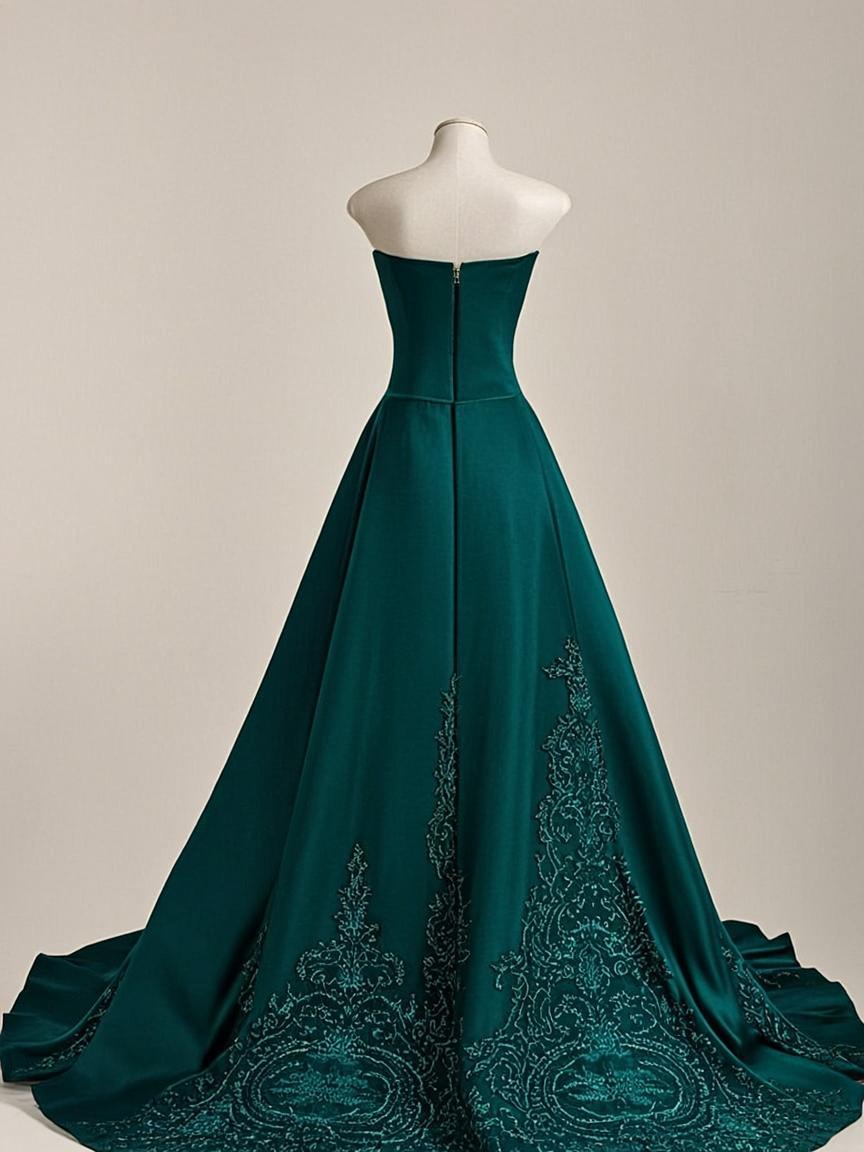
Designer Gowns Wholesale Supplier in USA — Export from Surat
Designer Gowns manufactured in Surat and shipped to New Jersey, Chicago, Houston, Atlanta and the Bay Area — mixed lots, private label and festival-ready supply windows for USA retailers and boutiques.
Gowns have become the quiet margin-maker of US ethnic retail — prom-adjacent silhouettes with Indian embroidery sell across communities, not only the diaspora, which is why our USA gown programme keeps expanding.
We manufacture and export designer gowns from Surat to the USA, working with Indian-American boutique chains, e-commerce sellers, bridal studios and wholesale distributors. Kurtis, Pakistani suits, bridal lehengas, silk sarees and kids ethnic wear move strongest in the US, with clear spring (April–June) and festive (September–November) buying windows.
What our USA buyers order
- Sequin and embroidered evening gowns for prom and wedding-adjacent retail
- Indo-western fusion gowns that cross over into mainstream occasion wear
- Modest-fuller cuts for buyers serving conservative community segments
- Steam-ready packing so gowns arrive shelf-ready, not crushed
Why USA buyers stay with us
- Mixed-lot ordering — sizes, colours and designs combined to reach viable MOQs without over-buying any single style
- Festival calendar planning — production slots reserved ahead of Diwali, the summer wedding season, Navratri and the October festive rush
- Private-label ready — your tags, your packaging inserts, your barcodes
- Photography-friendly finishing — pieces arrive pressed and shelf-ready, cutting your content-creation time
- The US market rewards consistency and legal compliance — buyers there care about labelling accuracy, child-safe trims on kids lines, and a supplier who understands Amazon and Shopify listing photography requirements.
Shipping to USA
Sea freight runs 4–6 weeks via Nhava Sheva to East and West Coast ports; air freight serves launch windows and reorders. We prepare ISF filings data and HS codes with every invoice.
Start with an enquiry
Tell us your product mix, quantity range and target season — our export desk responds with availability, indicative pricing and a realistic dispatch date. We would rather quote honestly and win the reorder than over-promise and lose your trust.
MOQs, samples and how a first order runs
First orders on this programme typically run 20–50 pieces per design mixed across sizes and colours for garments, or 500–1,000 metres per shade for fabric — sized so a USA buyer tests the market without warehousing a season. Samples of shortlisted pieces ship on a courier account, with sample costs adjusted against the first bulk order. Video walk-throughs of current stock run on appointment, which is how most of our long-distance buyers shortlist before any cutting travels.
Repeat programmes are where the pricing and the allocation improve: reserved production slots, shade standards held on file, and dispatch calendars planned against USA retail windows rather than mill convenience.
Why buyers consolidate with one Surat desk
- One supplier across the full range — fabrics, garments, kids and menswear under one accountable desk
- One documentation chain instead of five — invoice, packing list and certificate of origin prepared together
- Mixed consignments so a full season programme ships in one container, cutting per-piece landed cost
- A reorder desk that keeps programme history, so a single message re-triggers your standard mix
- Export experience across 30+ countries applied to every USA consignment
Gown collections we manufacture and export
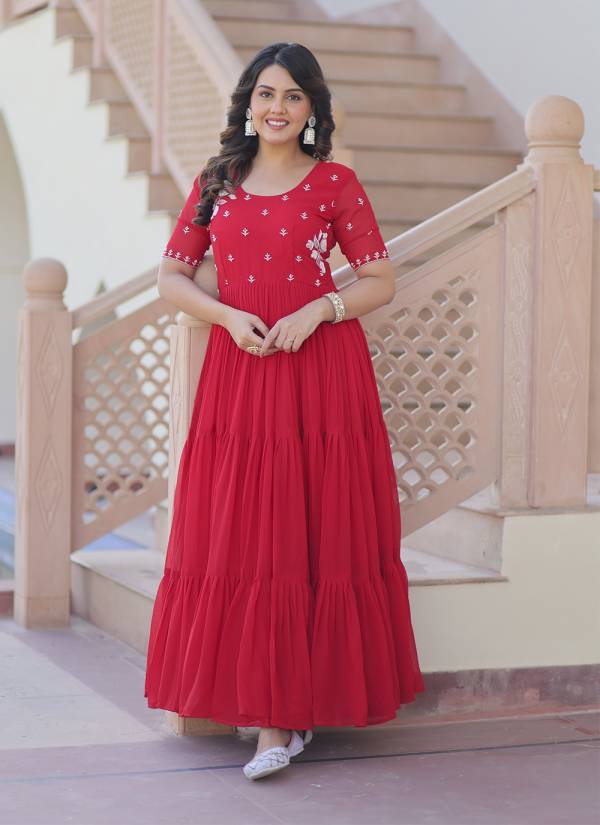
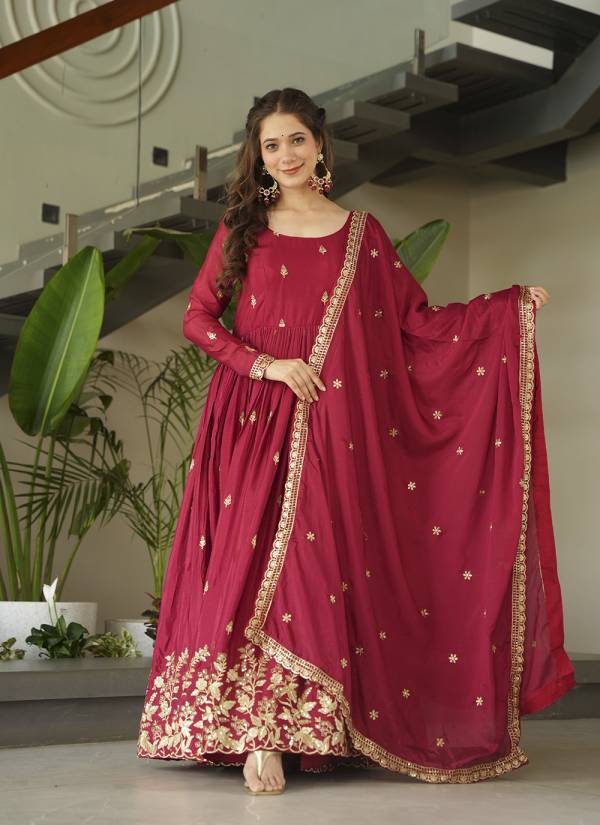
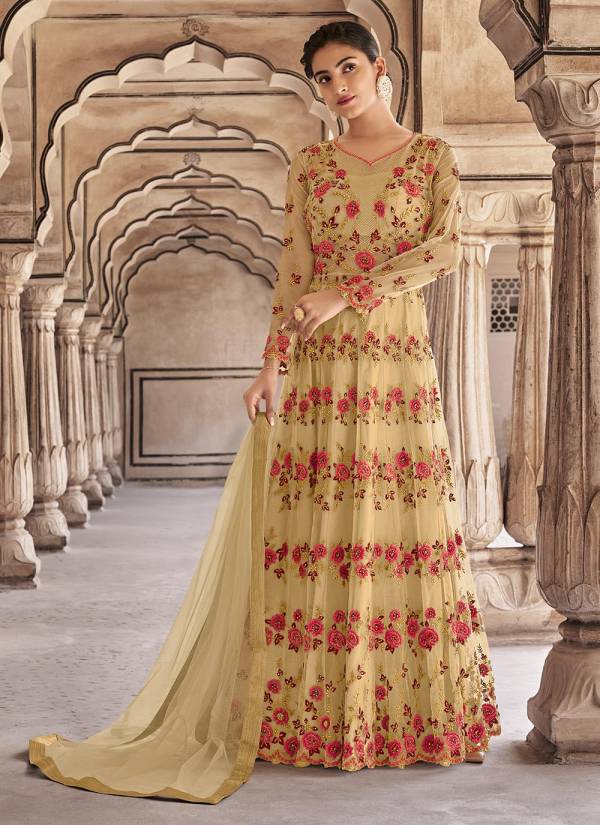
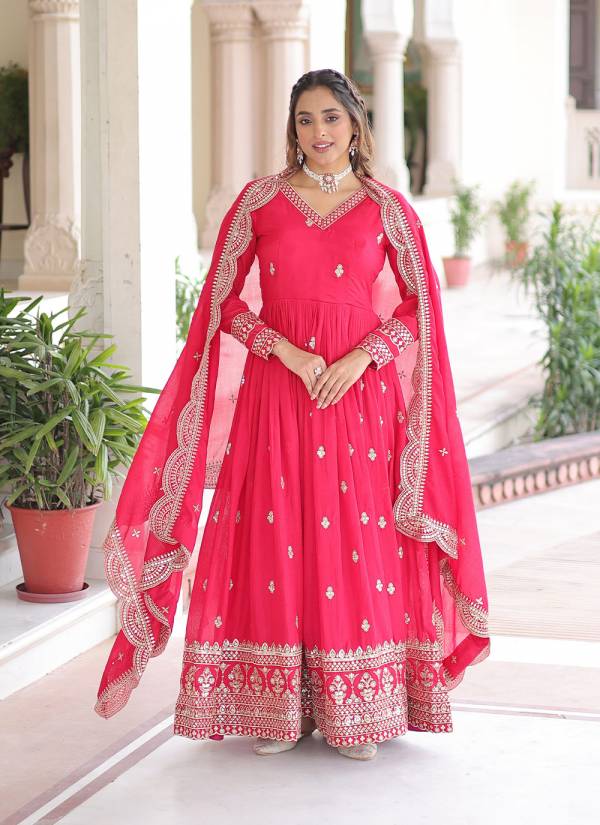
The gown programme covers the occasion-shelf for USA — evening gowns for the function circuit, party gowns that move through the year, wedding-adjacent pieces for the guest list, and indo-western fusion gowns for customers who want ethnic register in a one-piece decision. Silhouettes run from fitted floor-length through flared and A-line cuts, in fabrics chosen to hold drape through a full evening.
Gown programmes are engineered for the try-on moment: linings that feel right against skin, boning and structure where the silhouette needs it, and hem finishes that fall clean on the retail rail. Bulk lots run size-graded S-XXL with consistent proportioning, plus custom grading for destination-market fit preferences.
The export economics of gowns reward consolidated shipping — they cube out efficiently and pair naturally with kurti and saree programmes in mixed containers. Buyers running multi-category counters source the gown tier from us for exactly that freight arithmetic.
- Designer Gowns — signature occasion range
- Party Wear Gowns — volume rotation
- Wedding Gowns — bridal-adjacent shelf
- Evening Gowns — function circuit range
- Anarkali Gowns — classic silhouette programme
Fabrics behind the range
Gown fabrics carry the silhouette — drape, recovery and structure all come from the base cloth choice:
Fabric selection is where programme economics are actually decided — the difference between a 90 GSM and a 120 GSM base changes drape, cost structure, shipping weight and the price tier the finished product can hold. Our role is to make that selection explicit rather than accidental: spec sheets with weight, weave, width and finish on every quotation, samples that match the bulk spec exactly, and lot documentation that lets your QC team verify against the same numbers we shipped against.
The clusters behind this programme weave, dye, print, embroider and finish in the same industrial ring — which is why development moves in days and corrections move faster. That proximity is the quiet advantage behind every fabric programme we run.
The Surat advantage — a short history
Surat's textile economy runs on proximity. Within a short drive of any finishing floor in the city you can reach spinning sources, weaving sheds, dyeing and printing process houses, embroidery units, stitching units, label printers, carton makers and the freight forwarders who consolidate all of it into export containers. Other textile cities have some of these layers; Surat's advantage is having all of them, at scale, competing with each other on turnaround.
The city earned that stack one decade at a time. Handloom weaving families industrialised into powerloom cooperatives through the mid-1900s. The polyester boom of the 80s and 90s pulled in process houses and printers. The embroidery boom of the 2000s added computerised multi-head machines by the thousand. Each wave trained a workforce the next wave hired, which is why the city's average textile worker today is multi-skilled across processes that would be separate trades elsewhere.
For buyers, the practical result is developmental speed. A concept reaches a counter-sample in days, a strike-off within the week, and a production slot follows the approval rather than the calendar quarter. We build our export programmes on exactly that responsiveness, and we think the history matters because it explains the mechanics behind the promise.
About Ajmera Export — the brand behind this page
The desk behind this page answers its own enquiries — no agent layer, no trading-company blur. When you message Ajmera Export about a programme, the reply comes from someone who can walk onto the production floor the same afternoon and check the detail you asked about. That directness is unusual in international textile trade, and it is the main reason buyers who start with a trial lot tend to still be with us years later.
Our programmes span the ethnic wear wardrobe — women's, men's and kids — the home textile line in towels and bedding, and the fabric trade that Surat's mills are globally known for. Development happens fast because the clusters are local: sampling in days, strike-offs within the week, production slotted honestly against real capacity rather than optimistic promises.
Commercially, we keep the structure simple: MOQs that respect where a buyer is today rather than where a supplier wishes they were, private labelling available from the first order, and a claims process that resolves on evidence instead of argument. The result our buyers care about — the one we build everything around — is that the reorder looks exactly like the approval sample, every time.
Why businesses choose us
- Direct desk access — the person quoting your order is accountable for shipping it
- Shrinkage, colourfastness and GSM testing on production lots, with results available on request
- Custom development welcomed — construction, weight and finish adapted to your market feedback
- Flexible order ladders that let a trial lot grow into a season programme without friction
- Long-term buyer economics: consistent reorders at consistent spec, with no drift between lots
Start your first order
Begin with a straightforward enquiry: category, target quantity band and your market. From there we map the programme — which constructions or styles to sample, what MOQ the first order runs at, and what the production calendar looks like against your launch or season date. Counter-samples move within days, and nothing enters bulk production until you have approved the physical sample in hand.
Use the enquiry form on this page or message the desk on WhatsApp — both reach the people who actually run the programme. Buyers consolidating multiple categories can plan one shipment calendar across all of them, which is where the freight economics of a single-supplier relationship really start to show.
Frequently Asked Questions
What is the MOQ for wholesale gowns for the USA?
Most of our designer gowns export orders start at 20–50 pieces per design mixed across sizes and colours. Bridal and premium lines run on smaller MOQs with higher per-piece work, while daily-wear volume programmes need larger commitments for the pricing to work. Send your quantity range and we will structure the order around it.
How long does shipping to USA take?
Sea freight runs 4–6 weeks via Nhava Sheva to East and West Coast ports; air freight serves launch windows and reorders. We prepare ISF filings data and HS codes with every invoice.
Can you handle private label for our USA store?
Yes — private label tagging, custom packaging inserts and barcoded labels are routine for our USA buyers. Share your label artwork and packaging spec at order confirmation and we handle the rest before dispatch.
Do you carry sizes suited to USA customers?
We grade our size runs for the market we ship to — USA buyers typically request fuller cuts or extended sizing, and our pattern team adjusts the base grading on confirmed orders at no extra cost.
How do we start — can we see samples first?
The usual path is a short enquiry, then a video walk-through of the collection, then physical samples of the specific pieces you are considering. Sample costs are adjusted against the first bulk order, so serious buyers only pay for the bulk they actually place.
Can we place our own brand labels and tags?
Yes. We run private-label programmes with your woven labels, hang tags and barcode stickers applied at our finishing floor before packing. You send the artwork, we manage application, and the goods arrive shelf-ready under your brand name.
How do repeat orders stay identical to the first lot?
Your approved strike-off, trim card and size spec are archived against your buyer file. A reorder six months later references the same dye recipe, the same loom programme and the same stitching spec, which is why our reorder deviation complaints are close to zero.
What documents do you provide with export shipments?
Commercial invoice, packing list, bill of lading or airway bill, certificate of origin, GSP where applicable and any fumigation or quality certificate your destination customs office requires. Documents go to your forwarder before the vessel sails, so clearance is never waiting on paperwork.
Which gown fabrics work best for warm-weather markets?
For tropical and Gulf-adjacent retail we programme georgette, crepe and chiffon-based gowns with breathable linings — the drape reads premium while the garment stays wearable through an evening function. Heavier satins and velvets stay in the programme for winter-market counters and occasion peaks.
Are gowns lined and finished for immediate retail?
Yes — linings, zippers and hem finishes are completed on our floor, and every piece is pressed and packed to shelf standard. Your rail team unpacks and displays without a finishing step in between.
Featured Range
Products for USA