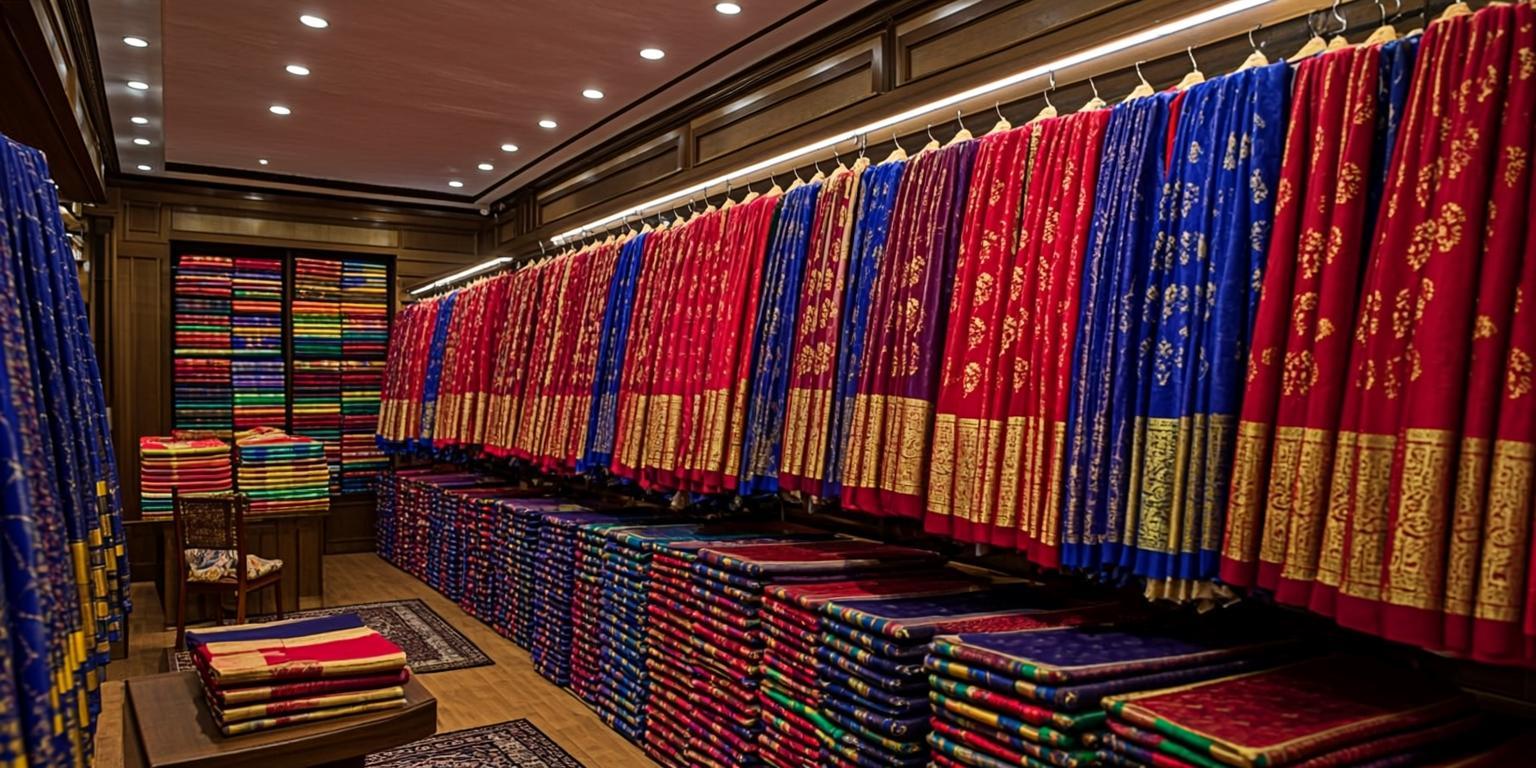
Indian Clothing Wholesale in Dallas — Surat Export Supply
Indian Clothing manufactured in Surat and supplied to Dallas — Irving retailers served with mixed lots, private label and festival-ready dispatch windows.
Indian clothing retail in the diaspora spans the full wardrobe — daily kurtis through bridal lehengas, kids ethnic through menswear — and the buyers who consolidate that range under one supplier run leaner operations than the ones managing five vendor relationships.
A fast-scaling South Asian retail scene — Dallas runs one of the most active South Asian retail scenes in the diaspora, and the Irving and Richardson corridors carry the metro’s Indian-Pakistani retail, with Plano and Frisco boutiques serving the growing suburban communities.
What Dallas buyers order
- Full-range programmes: kurtis, suits, sarees, lehengas, gowns
- Kids and menswear ethnic lines in the same consignment
- One supplier, one invoice, one documentation chain
- Mixed-lot ordering sized to real shop-floor needs
Why Dallas buyers stay with us
- Mixed-lot ordering — sizes, colours and designs combined to reach viable minimums without over-buying any single style
- Festival calendar planning — production slots reserved ahead of USA's major festivals
- Private-label ready — your tags, your packaging inserts, your barcodes
- Photography-friendly finishing — pieces arrive pressed and shelf-ready, cutting your content-creation time
- Irving retailers relationships run on replenishment reliability, and that is the metric we are judged on
Shipping to Dallas
Dallas buyers typically receive through Houston port arrival with inland trucking, or consolidate through East Coast routings when the season allows.
Sizing, grading and private label for Dallas
Size runs are graded for the market we ship to. Buyers serving Dallas retail typically request sizing and finishing suited to local customer bases, and our pattern desk adjusts base grading on confirmed orders at no extra cost.
- Extended and plus-size grading on adjusted patterns, not scaled-up standard charts
- Private-label tags, barcoded labels and packaging inserts applied before dispatch
- Care labels and fibre declarations prepared for Dallas retail compliance
- Photographed pieces with consistent backgrounds so your listings go up without a reshoot
What a first indian clothing order looks like
The entry path is deliberately low-risk: an enquiry with your quantity range, a video walk-through of current stock and catalogues, then physical samples of the shortlisted pieces. First orders typically run 20–50 pieces per design mixed across sizes and colours for garments, or 500–1,000 metres per shade for fabric programmes — enough to test the shelf without warehousing a season. The buyers who scale fastest treat the first order as a market test: they watch which designs move in the first fortnight, then use our mixed-lot structure to reorder the winners in depth while dropping the slow movers quietly.
Repeat programmes run on reserved capacity. Once a Dallas buyer confirms a seasonal programme, we hold loom and finishing slots against their calendar, keep their shade standards on file, and dispatch on a schedule their merchandising can plan around — the difference between a supplier who ships and a partner who plans.
Start with an enquiry
Send your wholesale indian clothing for Dallas requirement across — quantities, shades, widths and the season you are planning for. The desk responds with costing, lead times and the sampling path, because a first order built on verified samples is the only first order we are interested in.
The collections behind our Indian Clothing Wholesale in Dallas programme
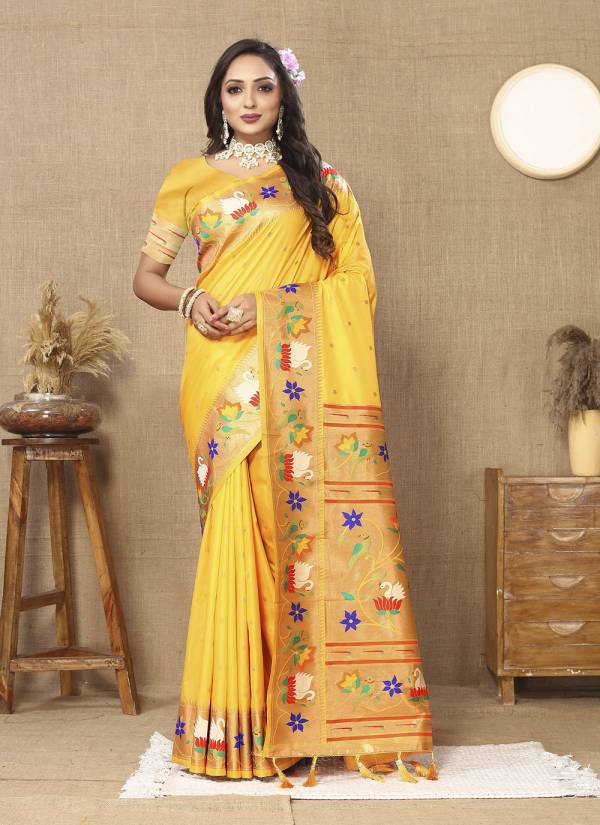
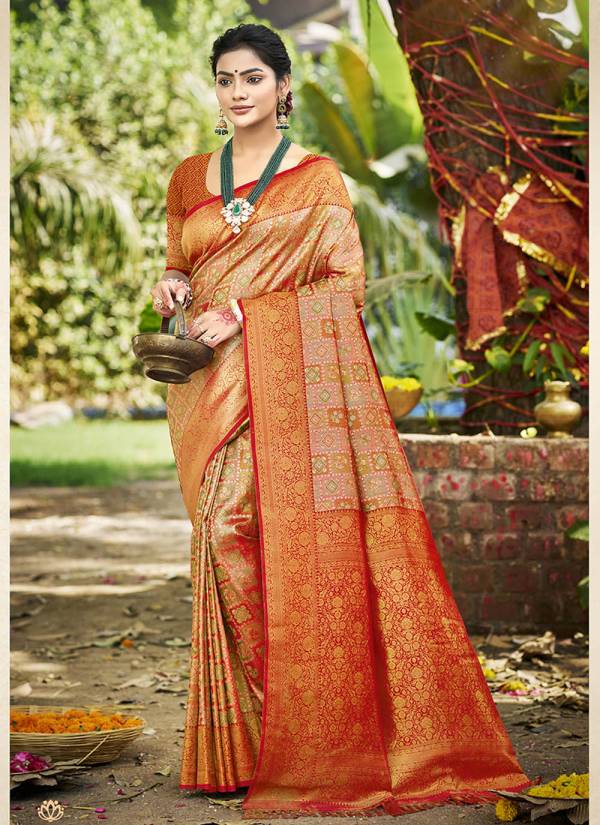
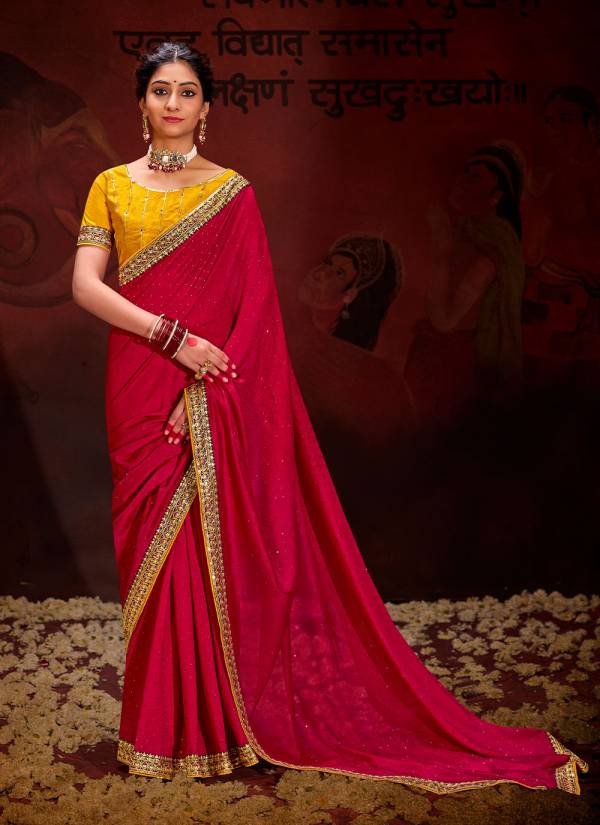
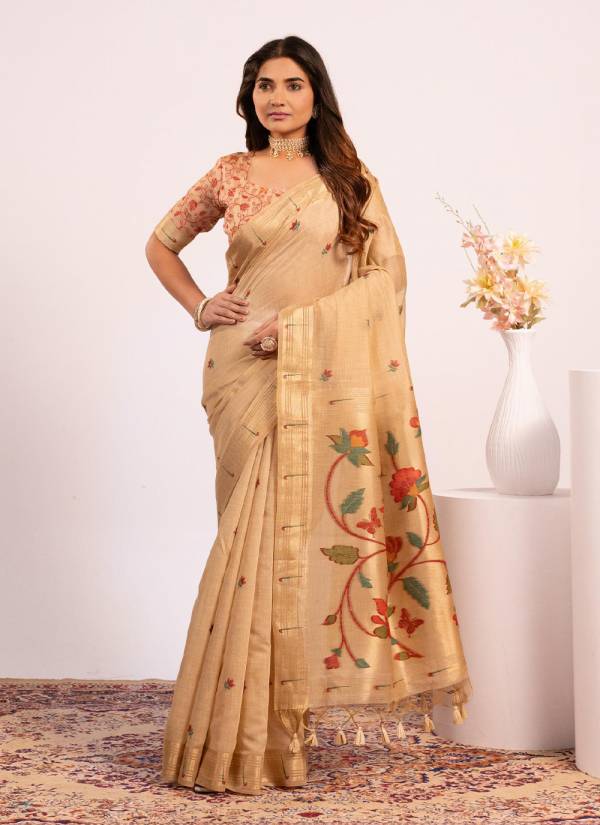
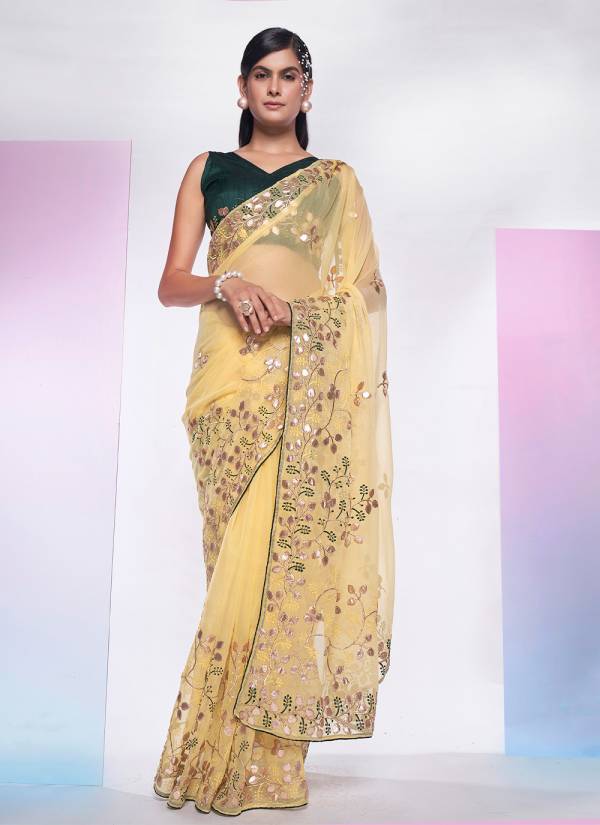
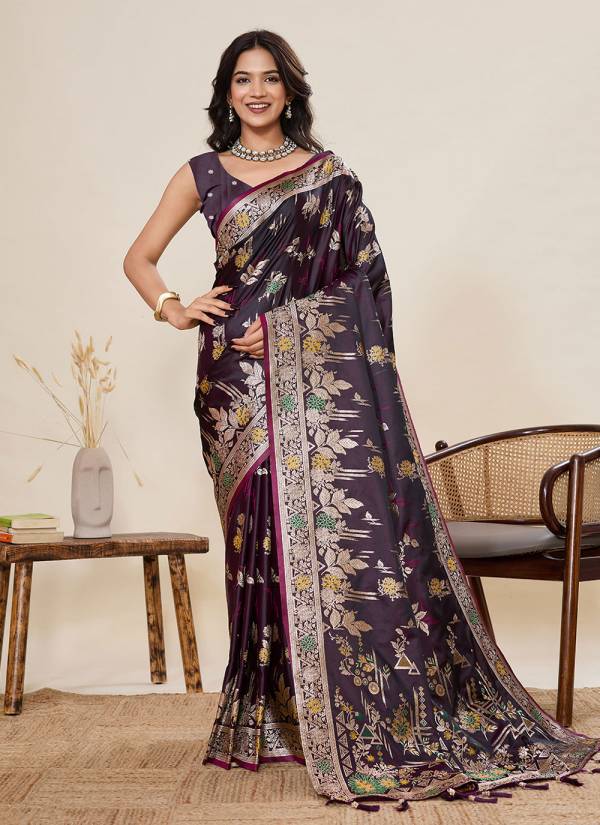
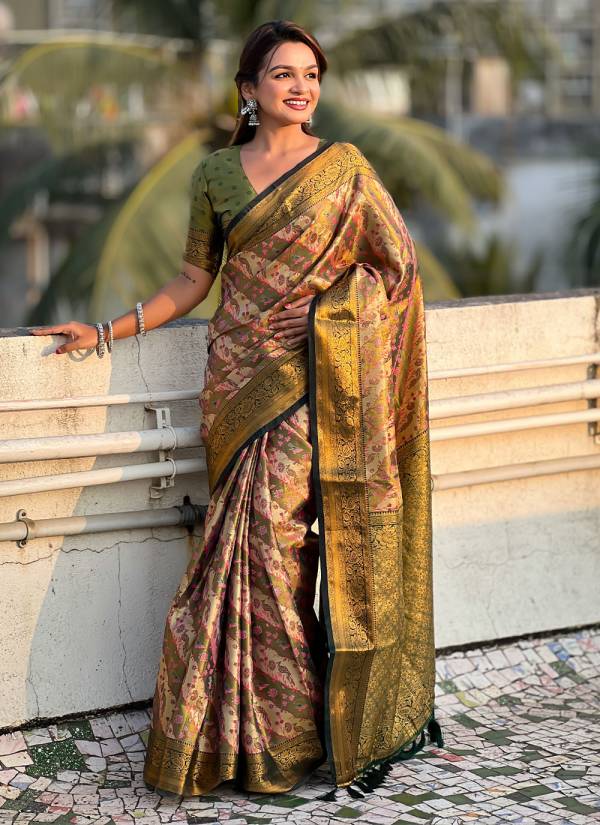
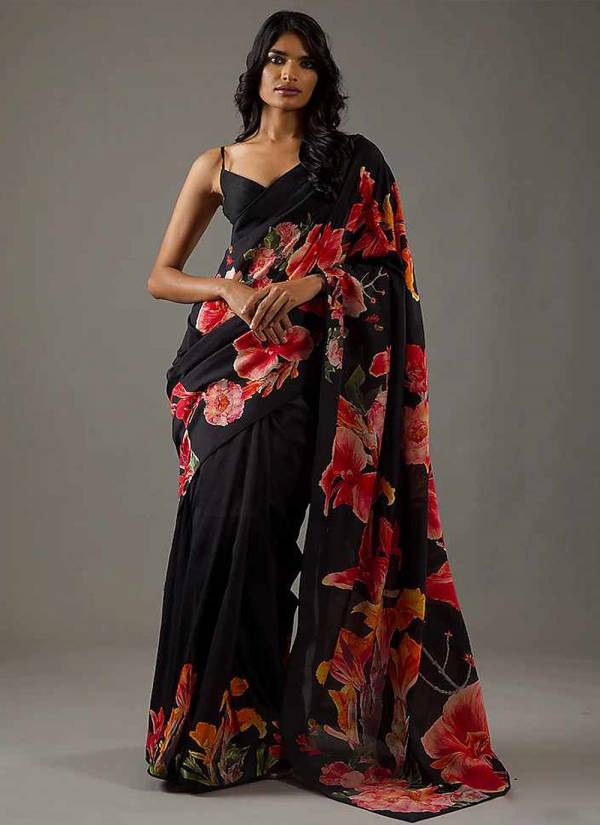
A full ethnic counter is a wardrobe, not a category — and buyers serving Dallas source the whole arc from one desk when the freight arithmetic and the accountability both improve. Our manufacturing and consolidation range covers the complete story: sarees from daily prints to bridal silks, the kurti rotation that reorders monthly, lehengas for the wedding shelf, gowns for the occasion circuit, salwar and Pakistani suit programmes, dupattas, blouses, menswear from kurtas to sherwanis, and the kids ethnic sets that spike with every festival calendar.
Every programme runs the same export disciplines — matched dye lots across set pieces, size-graded lots with consistent proportioning, colourfast finishing tested to home-wash reality, and retail-ready packing from the carton to the rail. The counters we serve range from single-boutique operations to multi-city wholesale programmes, and the MOQ ladder respects both.
Consolidated sourcing is the structural advantage: one enquiry, one quality standard, one documentation pack and one shipping calendar across categories that would otherwise mean five vendor relationships. Buyers who switch to the consolidated model tell us the working-capital relief matters as much as the freight savings.
- Sarees — the full counter range
- Kurtis — daily to designer rotation
- Lehengas — wedding shelf programme
- Gowns — occasion circuit range
- Salwar Suits — volume backbone
- Pakistani Suits — lawn and festive calendar
- Mens Wear — kurta to sherwani arc
- Kids Wear — festival-driven range
Fabrics behind the range
A full ethnic counter runs the complete fabric ladder:
Fabric selection is where programme economics are actually decided — the difference between a 90 GSM and a 120 GSM base changes drape, cost structure, shipping weight and the price tier the finished product can hold. Our role is to make that selection explicit rather than accidental: spec sheets with weight, weave, width and finish on every quotation, samples that match the bulk spec exactly, and lot documentation that lets your QC team verify against the same numbers we shipped against.
The clusters behind this programme weave, dye, print, embroider and finish in the same industrial ring — which is why development moves in days and corrections move faster. That proximity is the quiet advantage behind every fabric programme we run.
The Surat advantage — a short history
Surat has been a textile trading city for longer than most trade routes have existed. Mughal-era ships carried the city's silk and cotton to the Persian Gulf and East Africa four centuries ago, and the British port records from the 1600s already describe a loom economy substantial enough to supply entire fleets. When the mill era arrived in the 1900s, Surat's weaving families simply moved from handlooms to powerlooms without letting go of the trading relationships that preceded them by generations.
The modern chapter began in the 1970s and 80s, when the city's mills took the synthetic-fibre revolution and ran with it. Polyester and nylon weaving, dyeing and printing grew into clusters — Ring Road, Sachin GIDC, Palsana — that today produce an outsized share of India's man-made fabric output. A city that once traded cloth now designs, weaves, dyes, prints, embroiders, stitches and exports it, all within a 30-kilometre industrial ring.
For an international buyer, this density is the practical advantage: the mill, the dyeing house, the embroidery unit and the packing floor sit close enough that a quality issue gets solved in a day, not a supply-chain quarter. Our desk works inside that ecosystem, and every page we publish is written from it.
About Ajmera Export — the brand behind this page
The desk behind this page answers its own enquiries — no agent layer, no trading-company blur. When you message Ajmera Export about a programme, the reply comes from someone who can walk onto the production floor the same afternoon and check the detail you asked about. That directness is unusual in international textile trade, and it is the main reason buyers who start with a trial lot tend to still be with us years later.
Our programmes span the ethnic wear wardrobe — women's, men's and kids — the home textile line in towels and bedding, and the fabric trade that Surat's mills are globally known for. Development happens fast because the clusters are local: sampling in days, strike-offs within the week, production slotted honestly against real capacity rather than optimistic promises.
Commercially, we keep the structure simple: MOQs that respect where a buyer is today rather than where a supplier wishes they were, private labelling available from the first order, and a claims process that resolves on evidence instead of argument. The result our buyers care about — the one we build everything around — is that the reorder looks exactly like the approval sample, every time.
Why businesses choose us
- Direct desk access — the person quoting your order is accountable for shipping it
- Shrinkage, colourfastness and GSM testing on production lots, with results available on request
- Custom development welcomed — construction, weight and finish adapted to your market feedback
- Flexible order ladders that let a trial lot grow into a season programme without friction
- Long-term buyer economics: consistent reorders at consistent spec, with no drift between lots
Start your first order
Begin with a straightforward enquiry: category, target quantity band and your market. From there we map the programme — which constructions or styles to sample, what MOQ the first order runs at, and what the production calendar looks like against your launch or season date. Counter-samples move within days, and nothing enters bulk production until you have approved the physical sample in hand.
Use the enquiry form on this page or message the desk on WhatsApp — both reach the people who actually run the programme. Buyers consolidating multiple categories can plan one shipment calendar across all of them, which is where the freight economics of a single-supplier relationship really start to show.
Featured Range
Products for Dallas