Indian Ethnic Wear Wholesale in Pokhara, Nepal — Surat Supply
Bulk Indian ethnic wear supply in Pokhara — Surat mill-direct programmes with land-route shipping, festival-calendar planning and MOQ-flexible B2B terms.
Every Nepali retailer who stocks Indian ethnic wear already understands something most international buyers learn the hard way: the festival calendar does not negotiate. Dashain does not move because a shipment was late, and Tihar does not extend because customs took an extra week. Nepal programmes live or die on order-by dates planned backwards from those festivals, and on a supplier who treats the land-route calendar with the same seriousness a sea-freight buyer expects for vessel cut-offs.
That is the premise behind our Pokhara programme. We supply kurtis and sarees for the domestic market — and the full ethnic range behind it — through the Birgunj land route with onward trucking on the Prithvi Highway, or Bhairahawa–Butwal routing for faster Lakeside replenishment, with documentation handled for the preferential treatment Indian-origin goods receive under the Indo-Nepal trade framework. What follows is the practical view from the Surat side of that relationship: what moves, when to order it, and how the logistics actually behave.
Indian Ethnic Wear — What We Supply
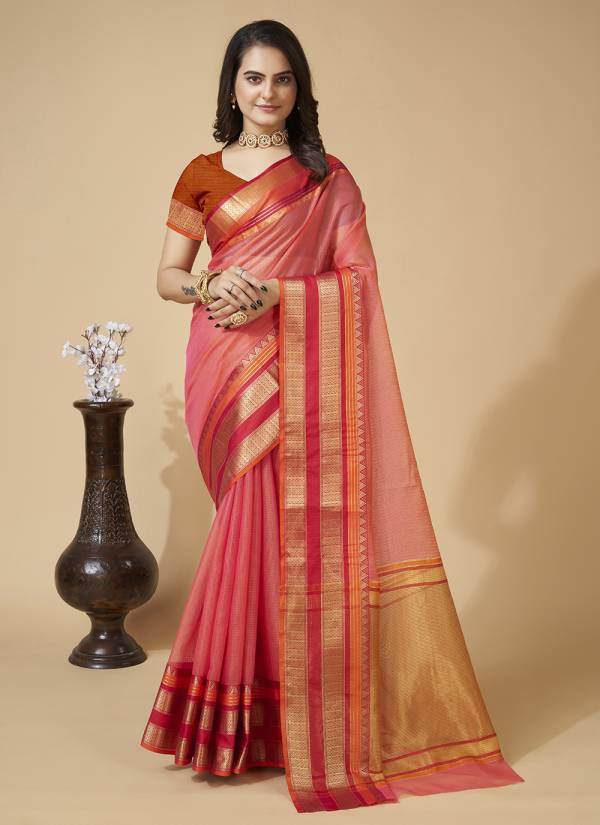
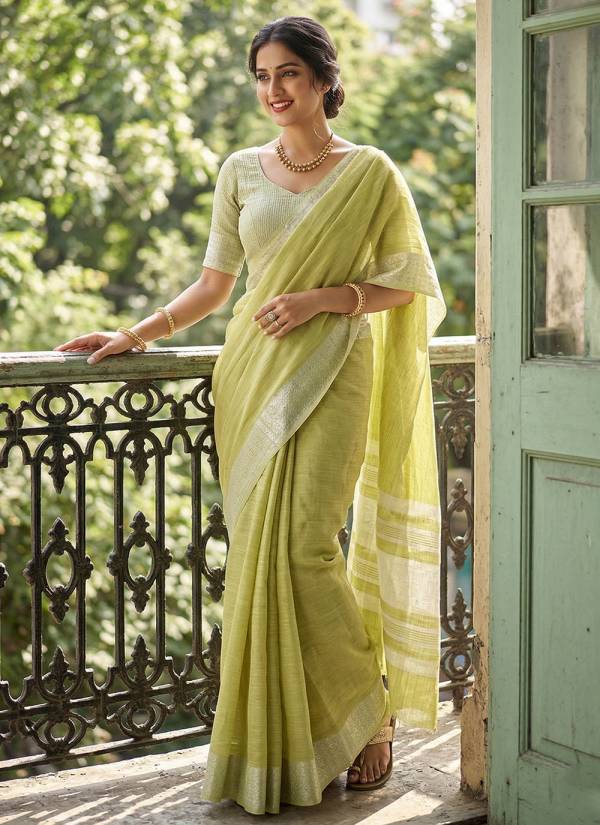
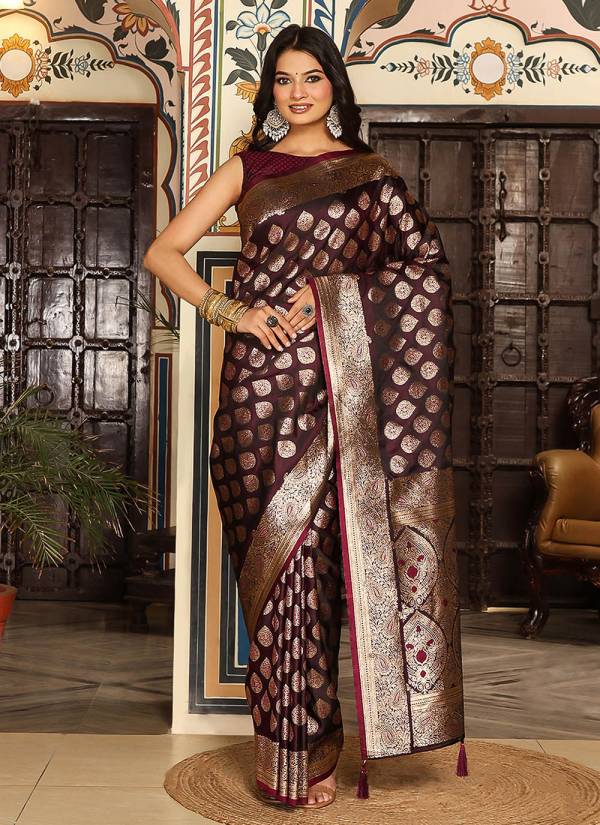
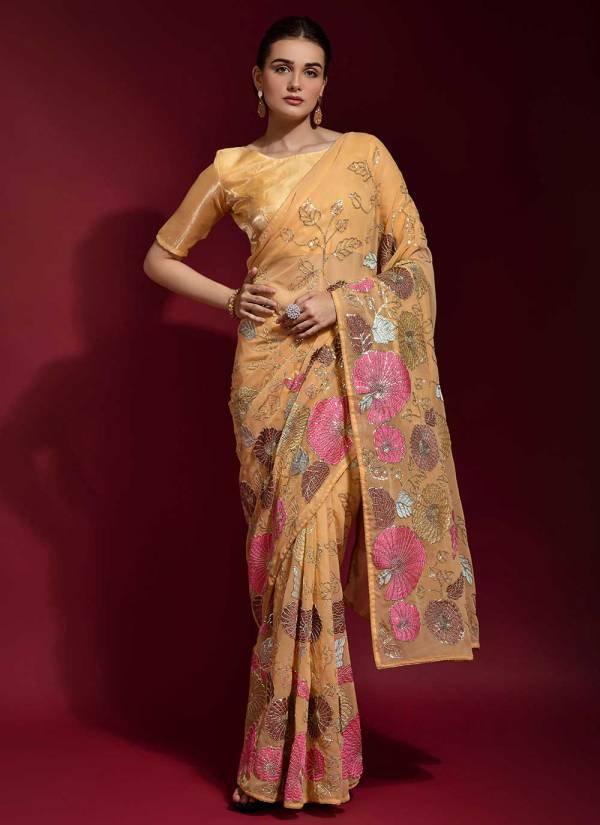
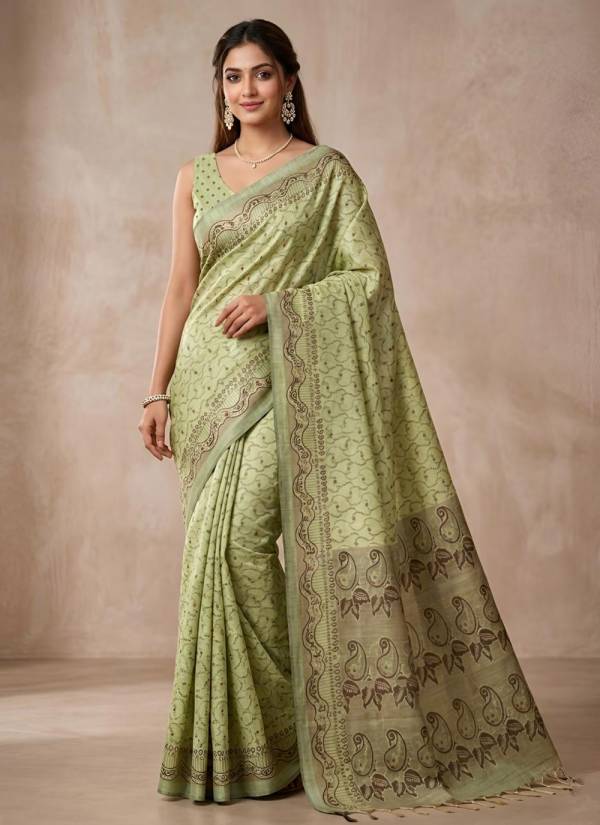
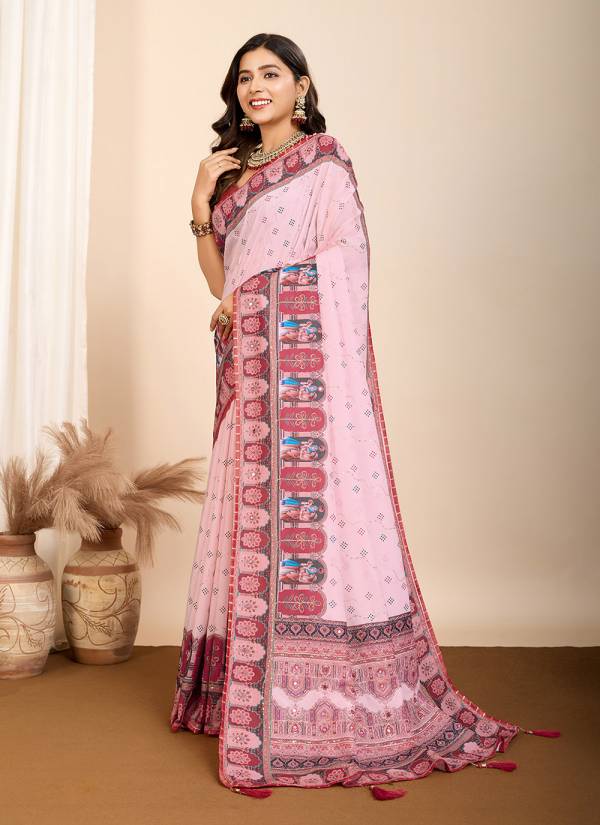
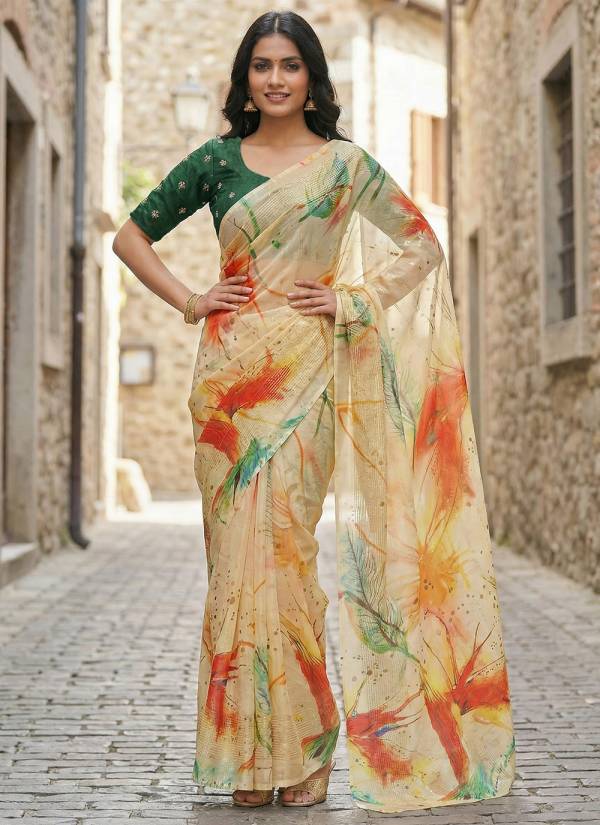
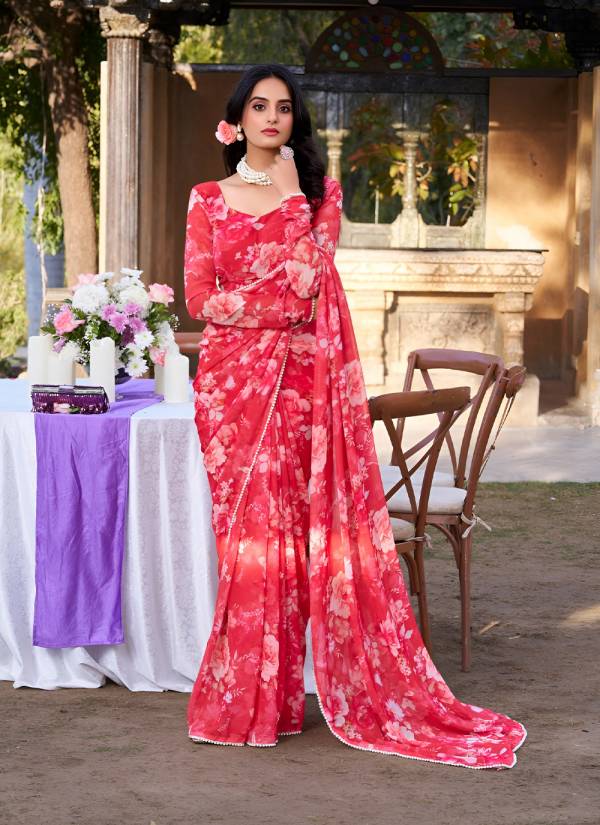
A full ethnic counter in Pokhara is a festival wardrobe, a wedding wardrobe and a daily rotation in one programme — and buyers who source the whole arc from one desk run leaner operations than those managing five vendor relationships across an open border. Our range covers sarees from daily cottons to bridal silks, the kurti rotation, lehengas for the wedding shelf, salwar and suit programmes, menswear from kurtas to sherwanis, kids ethnic, and the home-textile lines in towels and bedsheets.
Kurtis and sarees for the domestic market, statement dupattas and ethnic sets for tourist retail, and gifting pieces for the hotel trade — and behind all of it, the same export disciplines we hold for every market: matched dye lots, approved strike-offs, staged inspections, retail-ready packing and documentation that clears the border without follow-up.
- Sarees — full counter range
- Kurtis — daily to designer
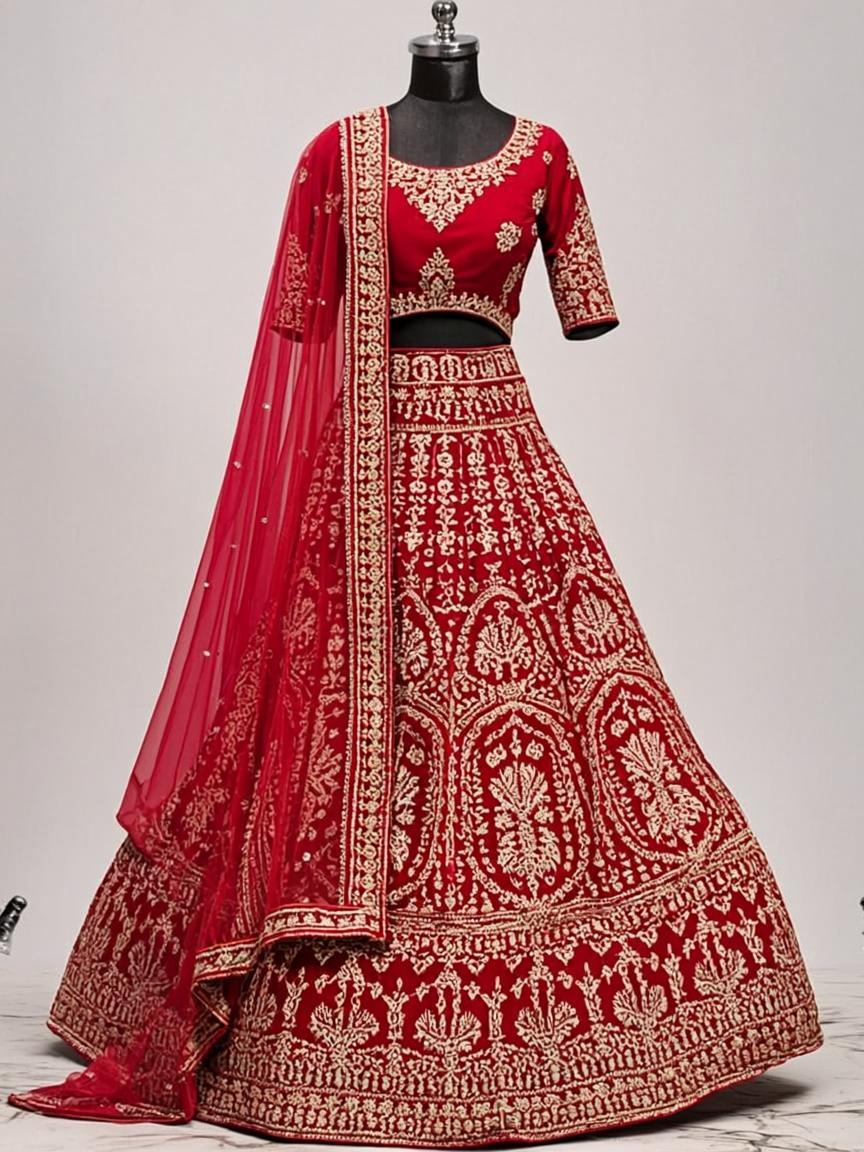
- Lehengas — wedding programme
- Salwar Suits — Terai volume engine
- Kids Wear — festival range
- Towels & Bedsheets — home textile lines
How Pokhara buyers are supplied — the land-route mechanics
the supply routes into Nepal run through the Birgunj land route with onward trucking on the Prithvi Highway, or Bhairahawa–Butwal routing for faster Lakeside replenishment. The second retail city — tourist traffic buys ethnic-statement pieces while local counters run the same festive calendar as the capital at smaller volumes. The retail picture: Lakeside tourist retail, Mahendrapul and Chipledhunga wholesale counters, and the growing Bazaar strip serving Gandaki province. Kurtis and sarees for the domestic market, statement dupattas and ethnic sets for tourist retail, and gifting pieces for the hotel trade.
Land-route trade rewards consolidation discipline — one truck loaded to cube-and-weight efficiency, one documentation set, one accountable desk. Our Nepal lots are packed for the realities of border handling: banded, poly-sleeved and carton-structured so a consignment that crosses at Birgunj arrives shelf-ready in Pokhara, not ready for re-ironing.
Fabrics behind the range
The fabric ladder for Nepal mirrors the climate arc from Terai to hill. Cotton and cotton-blend programmes carry the daily rotation — the Terai heat wants the same breathable constructions as adjacent Bihar and UP, and 80-120 GSM bases are the daily-counter bands. Georgette, chiffon and crepe hold the occasion tier; silks and silk-blends anchor the festival and wedding shelves; and velvet arrives for the hill winters in quantities the Terai never asks for.
Specification discipline matters on land routes as much as sea routes — matched dye lots across set pieces, GSM held within tolerance, and prints registered on stentered base cloth so motifs survive the wash cycles Nepali customers run. The sampling stage exists precisely so your hand confirms the cloth before any truck is loaded.
The India–Nepal textile story
The India–Nepal textile relationship is older than the current border regime of either country. Newari traders carried Bengal and Banarasi cloth into the Valley for centuries; the Madhesh belt of the Terai has always shared one wardrobe culture with the Indian plains it adjoins; and the 1950 Peace and Friendship framework formalised what geography had already decided — an open border where goods, and the trade relationships behind them, move with a familiarity closed borders never allow.
Surat's role in that relationship grew with the mill city itself. As the cluster industrialised through the synthetic-fibre era, its sarees, suit fabrics and print programmes became the default Terai counter stock, re-exported uphill to the Valley and beyond through the Birgunj gate. The Nepali festive calendar — Dashain above all — became part of Surat's own production planning, the way Eid and Diwali already were.
Our desk entered that flow the way most Surat exporters did: a Terai wholesaler's enquiry, a trial truck lot, and a relationship that compounded. What we have added is the documentation discipline — Certificates of Origin that unlock the preferential treatment Indian-origin goods receive under the treaty framework, and packing that survives land-route handling the way container freight demands it survive sea handling.
About Ajmera Export — the brand behind this page
Ajmera Export is a Surat-based textile and ethnic wear export house running consolidated programmes across the city's weaving, dyeing, printing, embroidery and stitching clusters. For Nepal buyers, the desk runs land-route programmes with the same spec discipline we hold for sea-freight markets — approved strike-offs before bulk, lot-level shade control, staged inspection reports travelling inside the shipment, and treaty-aware documentation prepared for smooth border clearance.
The commercial structure respects Nepali retail reality: MOQ ladders that work from single-counter bazaar operators to Valley wholesale houses, mixed-category truck lots that make one border crossing a full re-stock, and festival-calendar planning that treats Dashain order-by dates with the seriousness a sea-freight buyer expects for vessel cut-offs.
Why businesses choose us
- - Land-route speed — trucking via Birgunj, Biratnagar or Bhairahawa lands Surat goods in Nepal in days, not sea-freight weeks
- Treaty-aware documentation — Certificates of Origin prepared for the preferential treatment Indian-origin goods receive
- Festival-calendar planning — Dashain, Tihar, Teej and Chhath order-by dates flagged proactively, planned backwards from your shelf date
- One consolidated desk — sarees to kids wear to towels in one truck lot, one invoice, one accountable relationship
- MOQ ladders for Nepali retail reality — from single-counter bazaar operators to Valley wholesale houses
Start your first order
Start with the calendar. Tell us your Dashain and Tihar stock dates, the wedding-season volume you plan for, and the categories your counters run — and we work backwards: order-by dates, truck consolidation windows, and documentation timed for smooth border clearance. Counter-samples ship within days, and nothing loads onto a truck until you have approved the physical sample.
The enquiry form on this page reaches the Nepal desk directly, and WhatsApp works for the trading-floor speed the land-route trade runs on. Either way, the reply comes from someone who knows the Birgunj gate's current behaviour this week — not from an agency reading a script about international shipping.
Featured Range
Products for Pokhara