Indian Fabric Manufacturer for Oman — Surat Mills Direct
One Surat supplier for your full Oman fabric programme — materials, GCC apparel bases, custom finishing and export logistics handled by one desk.
Buying from an Indian fabric manufacturer rather than a regional trader changes the cost construction of an entire programme — the same cloth that reaches a Oman shelf through two intermediaries is often the same cloth we weave, priced twice before it lands. Manufacturing-direct supply from India removes those layers without removing accountability.
If you source indian fabric supplier for oman for Oman, you have probably noticed that the difference between suppliers is rarely the fabric itself — it is everything around it. Shade consistency across lots, honest lead times, paperwork that clears customs the first time, and a mill that actually answers when a shipment is mid-air. A steady, relationship-driven market where Omani buyers value honest lead times and paperwork discipline as much as the fabric itself. That reality shapes how we work with Oman buyers — consolidated programmes, honest timelines and one accountable supplier instead of five anonymous ones.
We are a Surat-based manufacturer-exporter supplying fabric to Muscat textile importers, souq retailers in Nizwa and Salalah, dishdasha tailoring units and hotel linen suppliers. Everything on this page — the constructions, the finishing options, the shipping details — reflects what our Oman buyers actually order, not a template. If something you need is not listed, ask us; half of what we now ship to the Gulf started as a buyer's special request.
Why Oman buyers source fabric from Surat
Our Oman buyers typically run mixed containers — shirting for the tailoring line here, abaya bases there, print yardage for the boutique label — all under one invoice and one certificate of origin.
A single consolidated programme across cotton, silk, georgette, viscose and the GCC apparel bases means one quality standard, one documentation chain and one shipping plan — the difference between managing five suppliers and managing one.
- Consignment sizes that fit real Oman businesses — from trial lots for boutique testing to full season volumes for chains
- Shading and GSM held stable across repeat orders, so your tailoring or sewing floor never has to re-adjust patterns mid-season
- Direct-from-mill supply — the price you get is not padded by two layers of traders
- Export documentation (invoice, packing list, certificate of origin) prepared in-house, formatted for Port Sultan Qaboos in Muscat and Duqm Port clearance
- A WhatsApp-first export desk that replies in working hours — usually within a couple of hours, not days
The full range we ship to Oman
- Material fabrics: cotton, linen, silk, viscose, polyester, chiffon and georgette — dyed, printed or plain
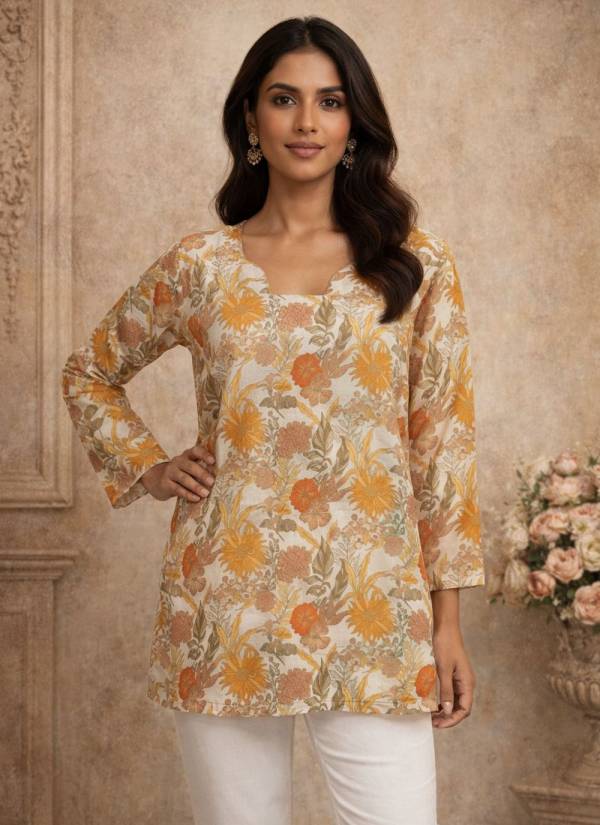
- GCC apparel bases: abaya, thobe, kandora, kaftan, hijab and sheila fabrics in the muted Gulf palette
- Prints: digital and rotary printing on viscose, crepe, georgette and silk bases
- Custom builds: your construction, your width, your shade card, your finish
- Programme supply: scheduled monthly dispatches with reserved loom capacity
Shipping to Oman — the practical details
Every Oman order ships with complete export documentation prepared by our own team — commercial invoice, packing list and certificate of origin included as standard. We ship sea freight via Port Sultan Qaboos in Muscat and Duqm Port for volume orders, and air freight when you are catching a retail window. For buyers running just-in-time production, we hold buffer stock of fast-moving constructions so repeat orders dispatch within days rather than weeks.
Payment terms are discussed openly at enquiry stage — most first orders run on advance or letter of credit, with relaxed terms as the relationship settles. Our quoting is always in USD, with indicative OMR conversions if that helps your internal approvals.
Talk to us about your indian fabric supplier for oman requirement
The fastest way forward is a short enquiry with your construction, weight, monthly volume and destination port — our export desk will come back with availability, indicative pricing and lead times. Buyers are welcome to request a fabric cutting or a small trial lot before committing to volume. We have been supplying Oman long enough to know that the first honest quotation matters more than any sales pitch.
MOQs, samples and how a first order runs
First orders on this programme typically run 20–50 pieces per design mixed across sizes and colours for garments, or 500–1,000 metres per shade for fabric — sized so a Oman buyer tests the market without warehousing a season. Samples of shortlisted pieces ship on a courier account, with sample costs adjusted against the first bulk order. Video walk-throughs of current stock run on appointment, which is how most of our long-distance buyers shortlist before any cutting travels.
Repeat programmes are where the pricing and the allocation improve: reserved production slots, shade standards held on file, and dispatch calendars planned against Oman retail windows rather than mill convenience.
Why buyers consolidate with one Surat desk
- One supplier across the full range — fabrics, garments, kids and menswear under one accountable desk
- One documentation chain instead of five — invoice, packing list and certificate of origin prepared together
- Mixed consignments so a full season programme ships in one container, cutting per-piece landed cost
- A reorder desk that keeps programme history, so a single message re-triggers your standard mix
- Export experience across 30+ countries applied to every Oman consignment
Indian Fabric Manufacturer for Oman — what our mill-direct programme covers
The fabric programme behind this page is mill-direct Surat supply — weaving, dyeing, printing and finishing under one accountable desk, serving Oman with the construction discipline that serious fabric buyers audit for. We develop and run natural fibres, regenerated cellulose, synthetics and the blend families between them, across the weight bands and finishes the trade actually specifies.
What that means practically: cotton programmes from voile-light shirting through canvas-heavy utility weights, silk and art-silk registers for the premium trade, the full polyester and nylon range from challis to technical constructions, and the fashion fabric families — georgette, crepe, satin, velvet, organza, jacquard, brocade — that garment programmes cut from. Printed, dyed, embroidered and textured finishes run on the same programme.
Bulk fabric supply runs on spec discipline: GSM tolerances held across the run, shade cards matched and archived per buyer, width options in the trade standards, and lot-level documentation that travels with the shipment. Development sampling moves in days because the clusters are local — the speed advantage that built this city's fabric trade still shows up in every programme we quote.
- Cotton fabrics — the workhorse range
- Silk fabrics — premium register
- Georgette, chiffon and crepe — drape family
- Printed fabrics — print cluster collections
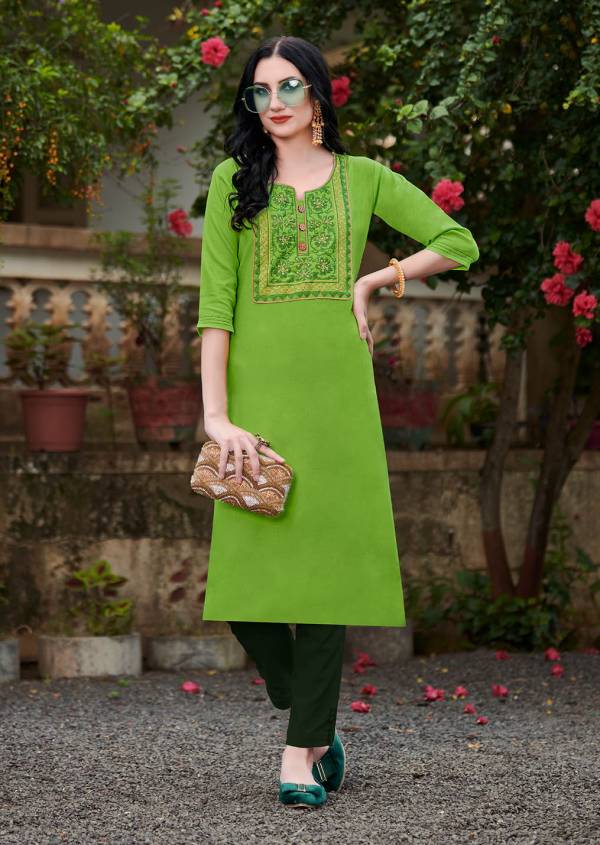
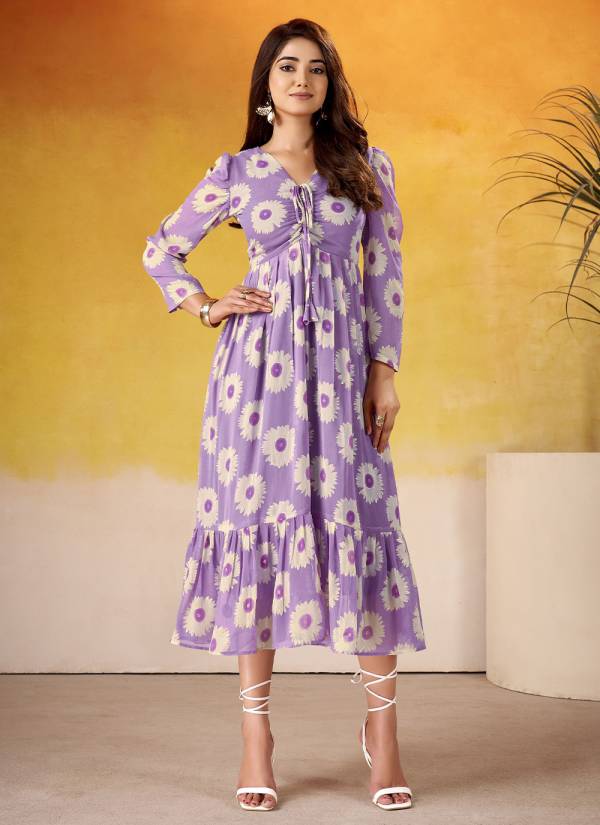
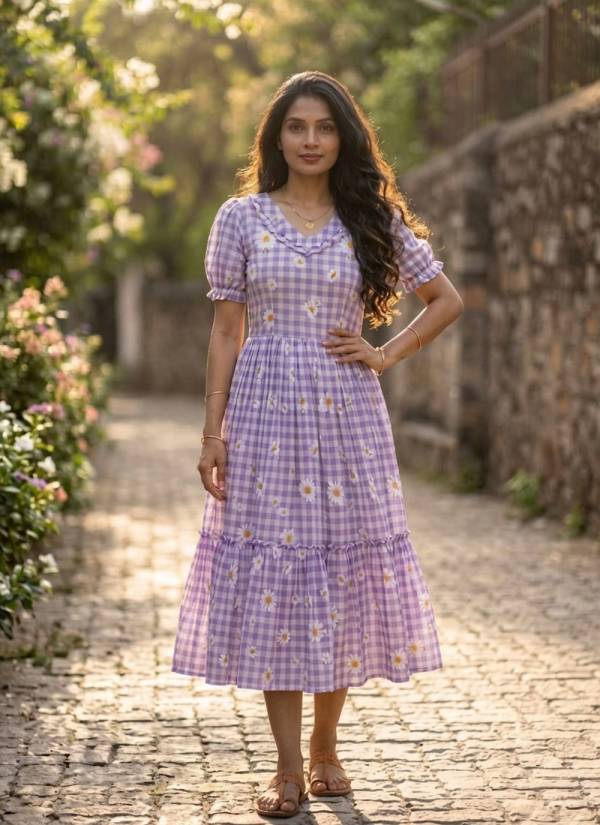
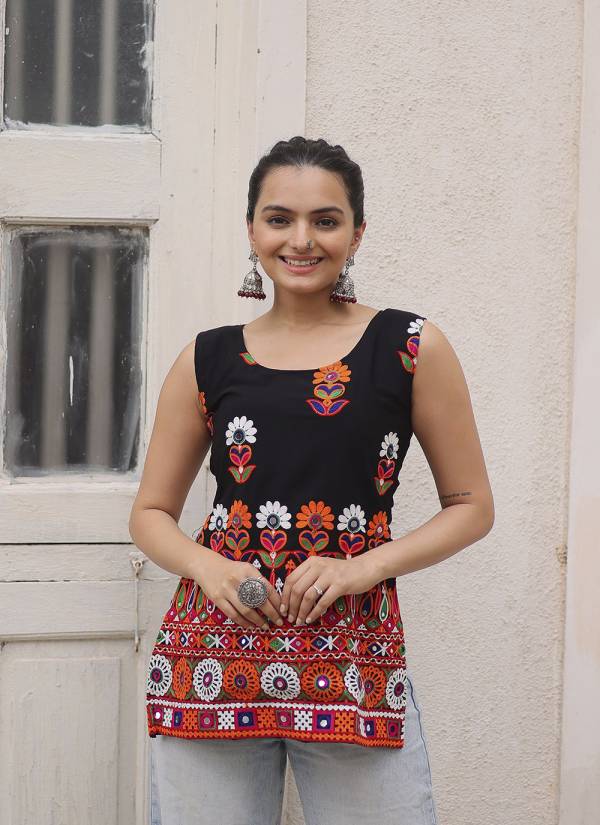
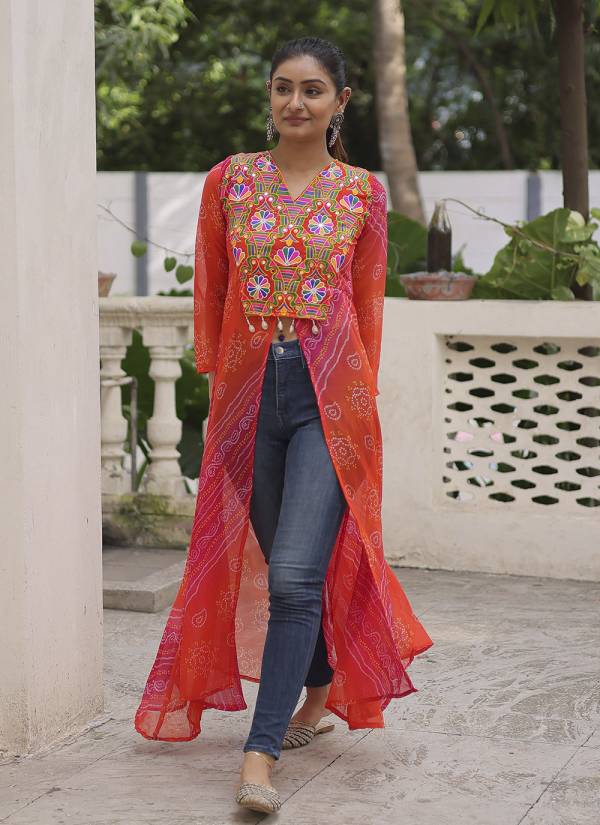
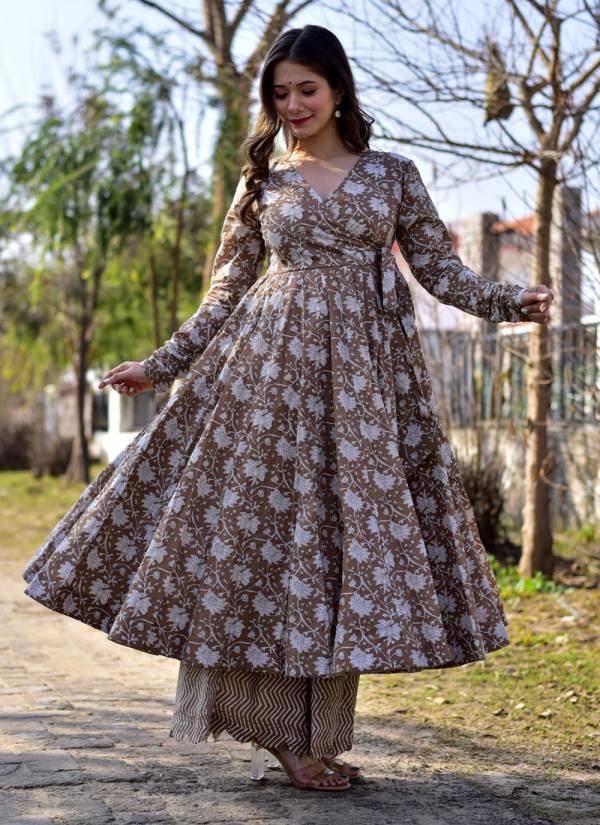
- Finished garments — what the fabric becomes
Fabrics behind the range
Fabric engineering is weight, weave and finish discipline:
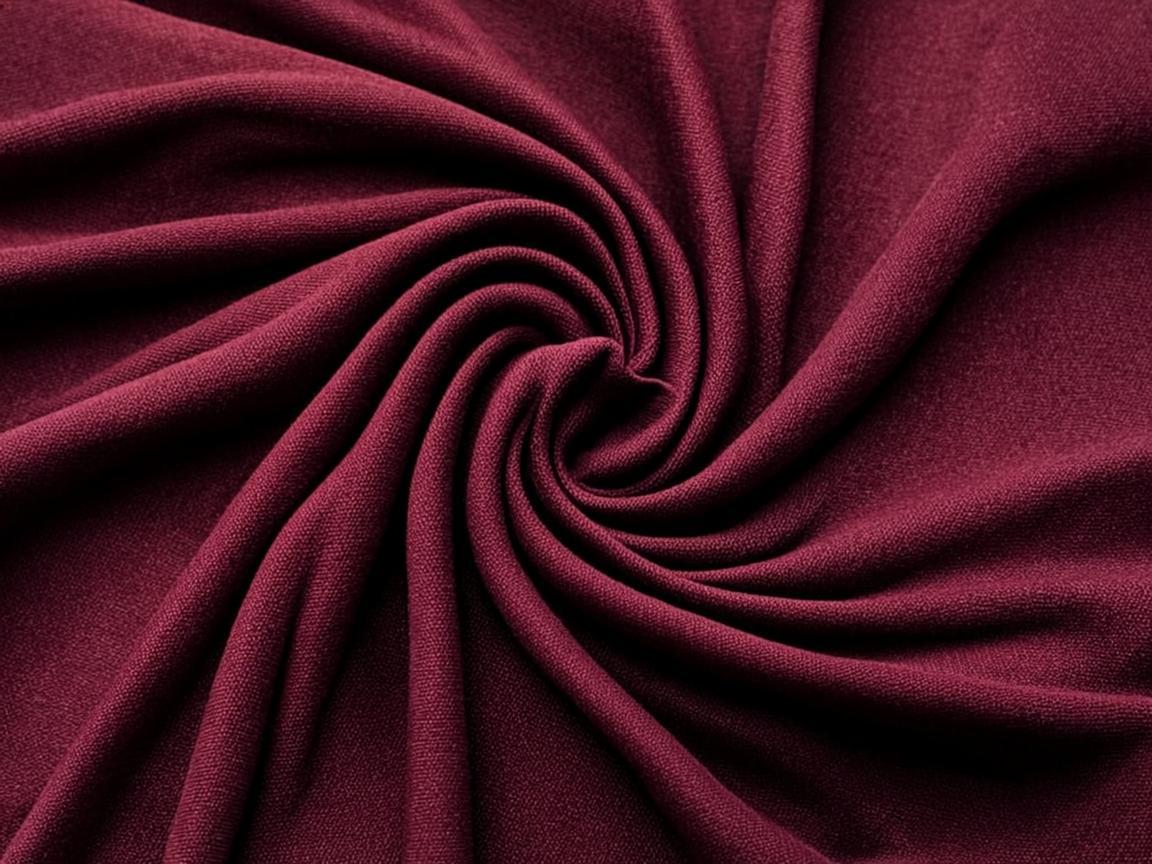
The fabric ladder runs from voile-light summer cloths through mid-weight Challis and poplin families, the suiting and shirting weights, and up to canvas and heavy furnishing constructions. Natural fibres cover the comfort trade; regenerated cellulose — viscose, modal, the Tencel family — carries the drape-led programmes; synthetics hold the technical and price-disciplined tiers.
Finish determines shelf behaviour as much as the base cloth does. The same 100 GSM cotton reads crisp or soft depending on mercerising; the same georgette drapes clean or stiff depending on the finishing heat profile. We hold those finish specs on file per buyer, because reorder drift in finish is as damaging as shade drift — and both are preventable with archived standards.
The Surat advantage — a short history
Surat's textile economy runs on proximity. Within a short drive of any finishing floor in the city you can reach spinning sources, weaving sheds, dyeing and printing process houses, embroidery units, stitching units, label printers, carton makers and the freight forwarders who consolidate all of it into export containers. Other textile cities have some of these layers; Surat's advantage is having all of them, at scale, competing with each other on turnaround.
The city earned that stack one decade at a time. Handloom weaving families industrialised into powerloom cooperatives through the mid-1900s. The polyester boom of the 80s and 90s pulled in process houses and printers. The embroidery boom of the 2000s added computerised multi-head machines by the thousand. Each wave trained a workforce the next wave hired, which is why the city's average textile worker today is multi-skilled across processes that would be separate trades elsewhere.
For buyers, the practical result is developmental speed. A concept reaches a counter-sample in days, a strike-off within the week, and a production slot follows the approval rather than the calendar quarter. We build our export programmes on exactly that responsiveness, and we think the history matters because it explains the mechanics behind the promise.
About Ajmera Export — the brand behind this page
Ajmera Export is a Surat-based textile and ethnic wear export house built around a simple operating rule: quote honestly, ship clean, and treat the reorder as the real product. The company runs a consolidated sourcing and finishing operation across the city's weaving, dyeing, printing and stitching clusters, which means a buyer deals with one desk — ours — instead of chasing five vendors through a supply chain they cannot see.
The range we manufacture and consolidate covers the full ethnic wardrobe — sarees, kurtis, lehengas, gowns, salwar and Pakistani suit programmes, menswear, kids ethnic — alongside home textile lines in towels and bedsheets, and the fabric yardage trade the city itself is famous for. Every programme is export-graded: shrinkage-tested, colourfastness-checked and packed to destination-market shelf standards.
What we ask of new buyers is the same thing we give them: straight answers. If a lead time is tight, we say so. If a construction will not hold the embroidery weight you want, we propose the one that will. Export relationships that start on candour tend to still be running five years later — and that is the only growth strategy this company has ever needed.
Why businesses choose us
- One accountable desk across weaving, dyeing, printing, embroidery, stitching and packing — no multi-vendor blame chains
- Strike-off approvals before every bulk run, so the shade you sign is the shade that ships
- Lot-level shade and GSM discipline with archived specs on file for every buyer programme
- MOQ structures designed for growing buyers — scale up without renegotiating the relationship
- Private labelling, retail-ready packing and destination-market documentation handled in-house
Start your first order
The practical first step is a sample conversation. Tell us the products or fabric constructions you are evaluating, the volumes you realistically expect to place, and the delivery window you are planning against. We come back with a development plan: what we sample first, what the strike-off timeline looks like, and how the first order can start small enough to be comfortable and still hold production priority.
Every long programme we run today began exactly this way — one enquiry, one sample lot, one clean shipment, then a season calendar. The form on this page or a WhatsApp message both reach the same desk, and both get an answer from someone who can check your question on the production floor the same day.
Featured Range
Products for Oman