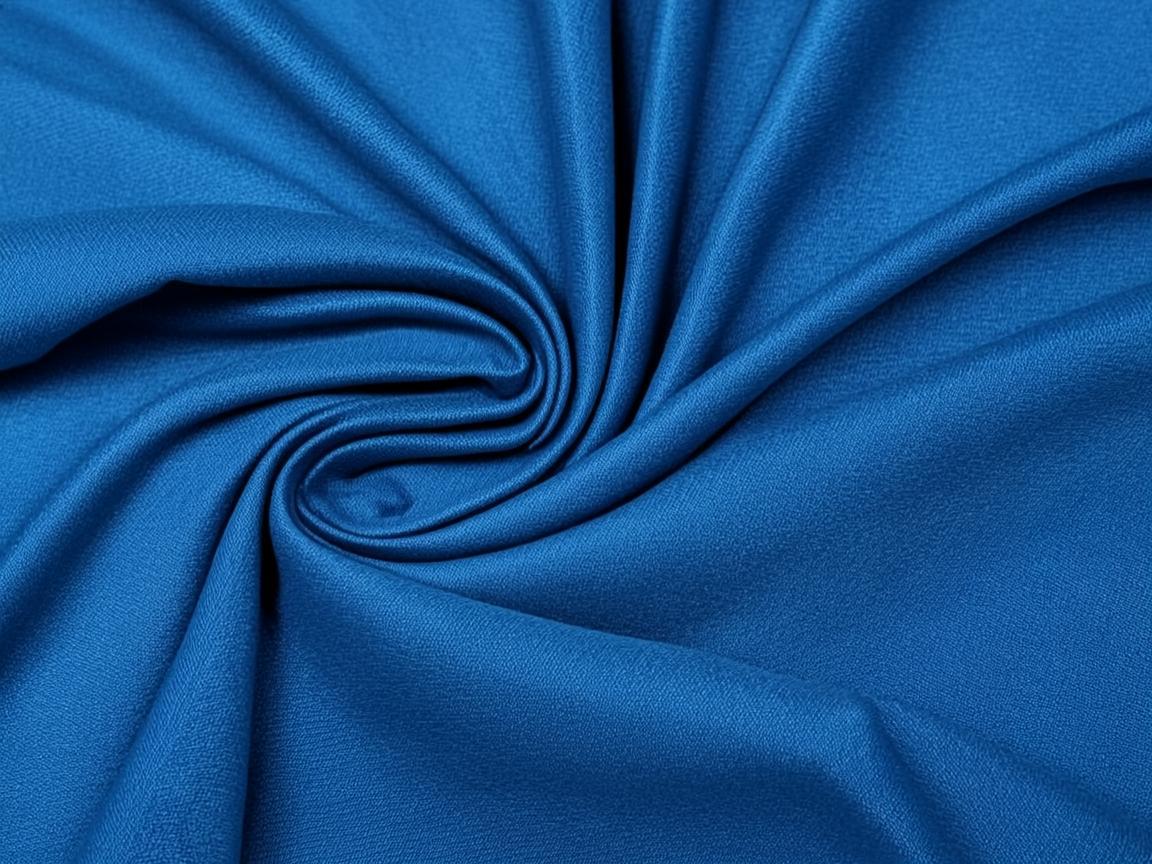
Kaftan Fabric Supplier in Kuwait — Woven & Finished in Surat
printed and embroidered fabrics suited to kaftan and jalabiya production — supplied mill-direct to Souq Al-Mubarakiya fabric merchantss with shade-matched lots, custom finishing and full export documentation via Shuwaikh Port and Mina Al-Ahmadi.
There is a simple test for a kaftan fabric for Kuwait supplier: ask what happens when something goes wrong. The honest answer involves a claim process, a replacement path and someone who answers the phone. We would rather be measured against that test than against anyone's brochure.
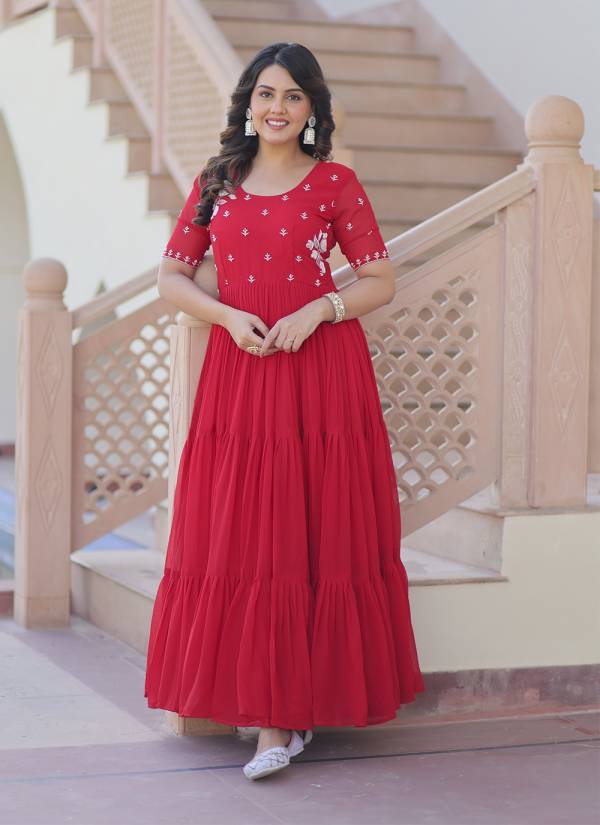
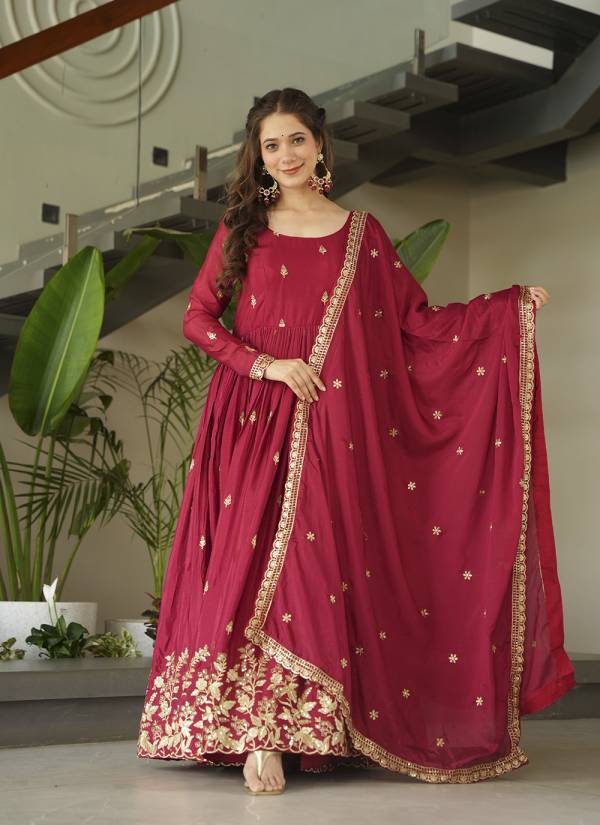
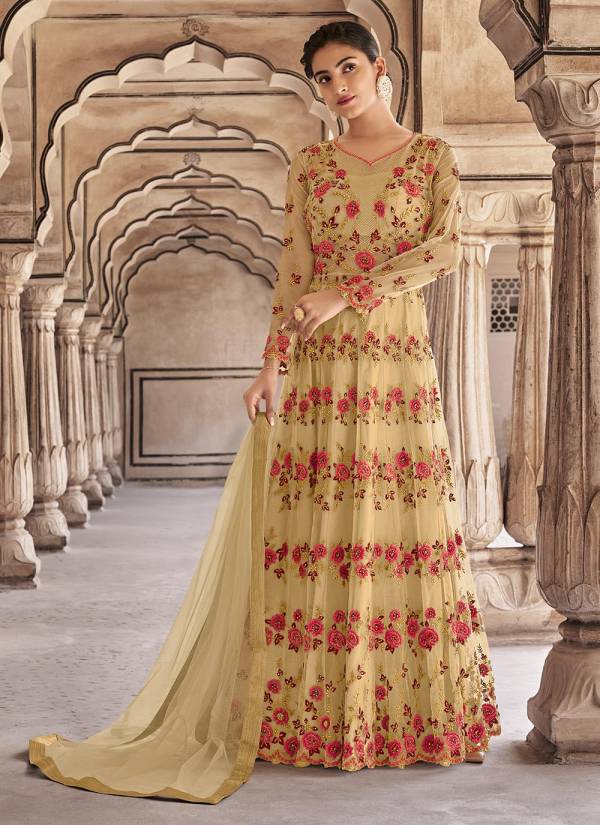
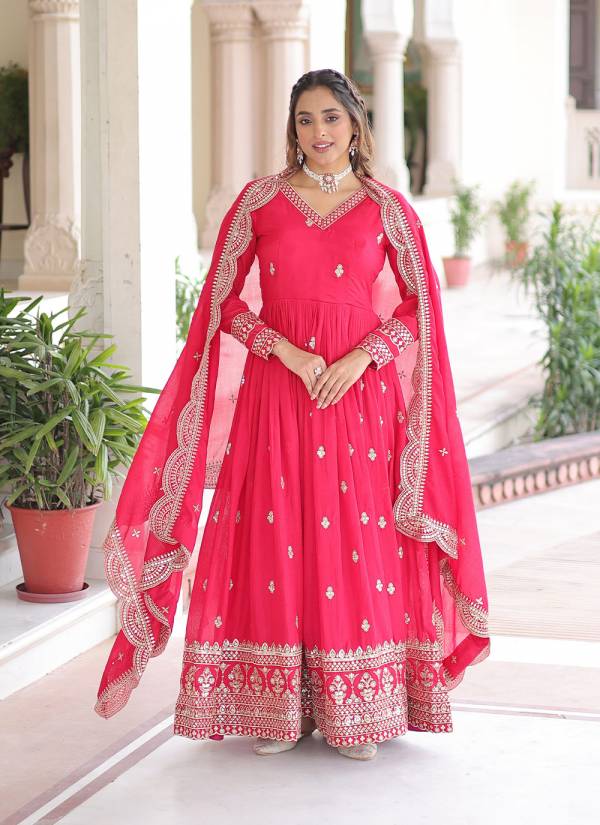
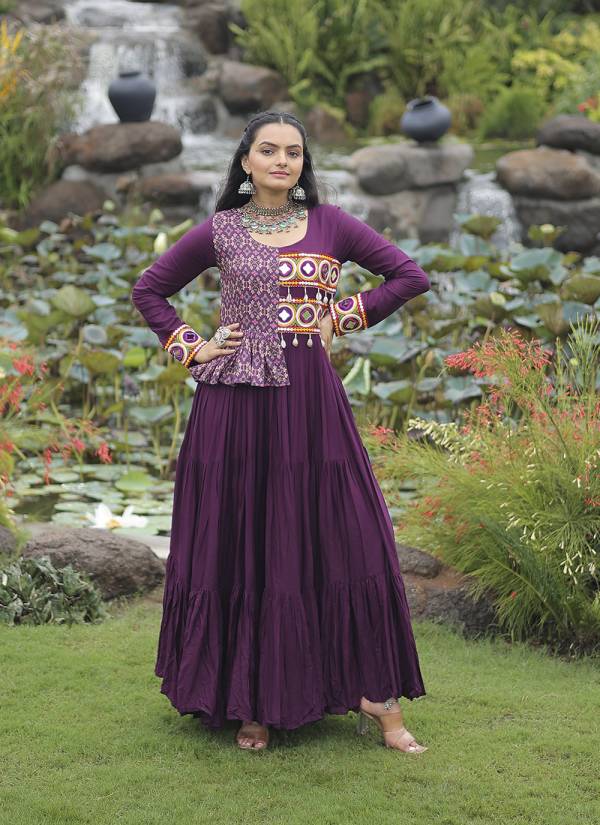
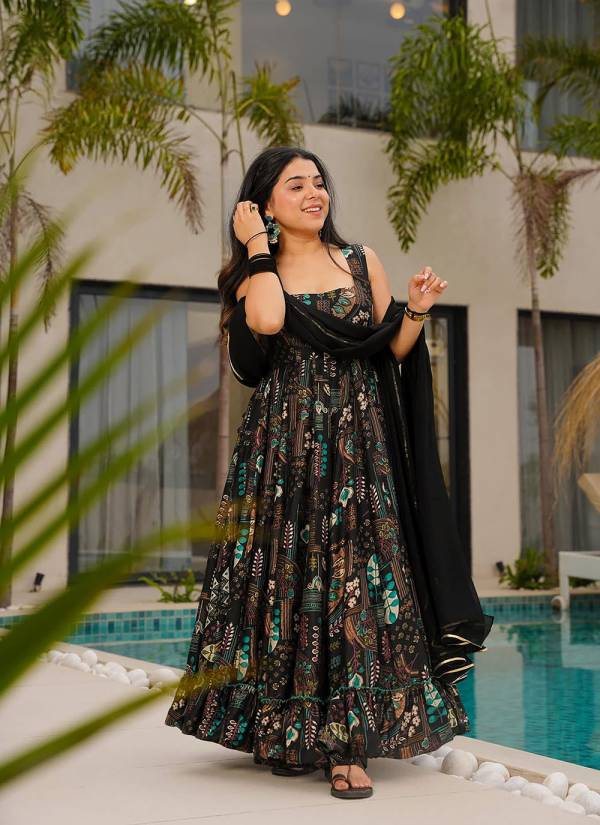
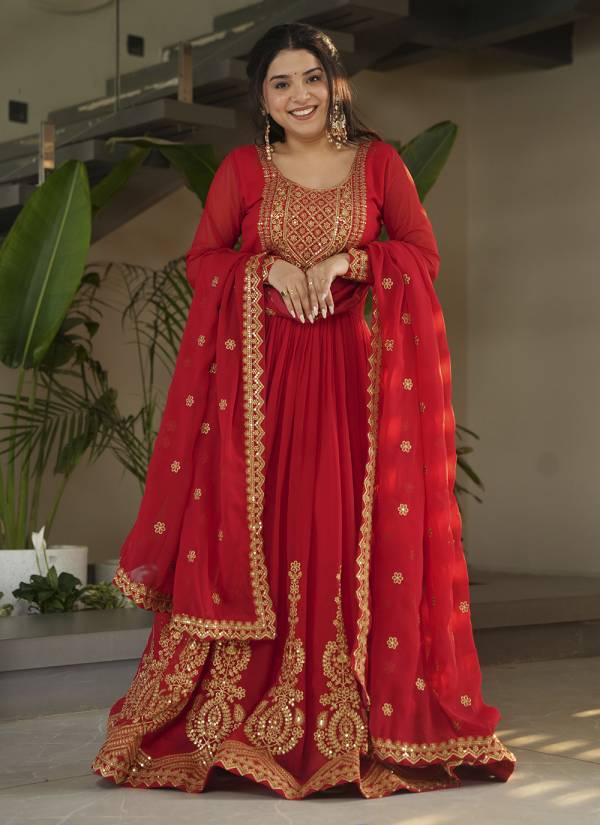
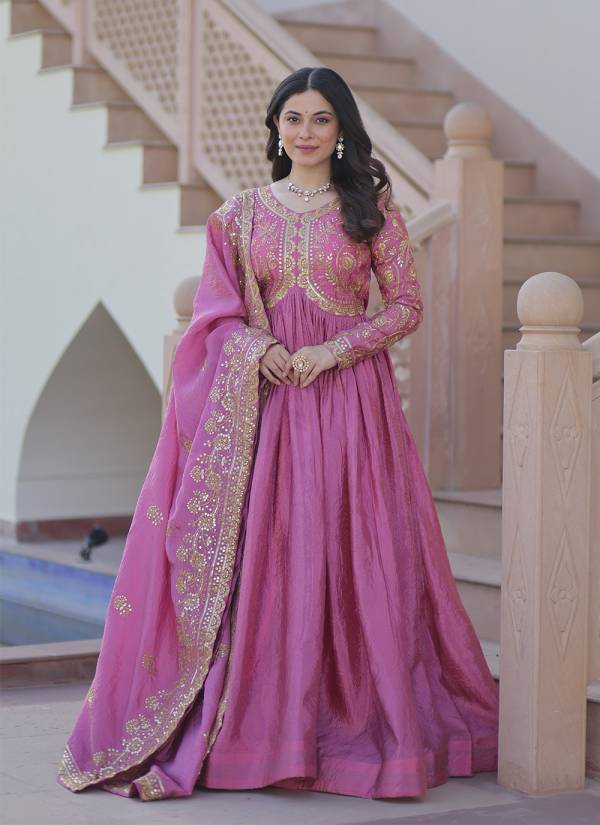
Kaftan fabric is where print direction matters — our digital printing floor lays out repeats so the motifs sit correctly on the fall of a kaftan sleeve, a detail that separates serious suppliers from trading houses reselling stock prints.
We supply printed and embroidered fabrics suited to kaftan and jalabiya production to Souq Al-Mubarakiya fabric merchants, Sharq retail groups, abaya designers and interior furnishing houses, and Kuwait demand leans toward evening and dinner-party yardage, flowing abaya bases and premium dalacetons for the tailoring trade around Al-Mubarakiya.
Our kaftan fabric programme
The programme is built around what Kuwait ateliers and production floors actually cut and sell — the bases, the widths and the finishes that survive a full retail season.
- Bases: viscose prints, crepe bases, chiffons and silk blends
- Widths: 44” and 58” as standard, custom widths on request
- Colours: full shade card plus matching to your pantone or a cutting from existing stock
- Finishing: soft-flow, pre-shrunk, brushed or standard mill finish
- Lots: shade-matched within lot and across lots for continuing programmes
- Packing: tube-rolled, poly-wrapped, carton-packed for export to Shuwaikh Port and Mina Al-Ahmadi
Why Kuwait buyers stay with this desk
- Consignment sizes that fit real Kuwait businesses — from trial lots to full season volumes
- Shade discipline that holds across lots, because one drifted lot costs a season of trust
- Direct-from-mill supply without trading-house padding
- Documentation formatted for Shuwaikh Port and Mina Al-Ahmadi clearance, prepared in-house
The Kuwait calendar
Kaftan Fabric demand in Kuwait moves with Ramadan, both Eids, National Day in February and the winter wedding season. Kuwaiti merchants are among the most loyal buyers in the trade — once a mill survives two seasons of their inspection standards, the relationship outlasts price competition.
How supply relationships start
New kaftan fabric buyers usually begin with a fabric cutting and a video walk-through of the current programme, then a trial lot of the specific bases their production will actually cut. The trial answers the questions a catalogue cannot — how the fabric behaves on their machines, how the shade sits under their shop lights, how the finishing survives their handling. Once the trial passes, season programmes run on reserved capacity with shade standards held on file.
Shipping to Kuwait — the practical details
Sea freight via Shuwaikh Port and Mina Al-Ahmadi with air freight for festival windows. Every consignment carries the full documentation pack, and payment structures are discussed openly at enquiry stage.
Talk to us about your kaftan fabric supplier kuwait requirement
Tell us what your programme needs — constructions, weights, volumes and the retail window you are buying for. We come back with availability, indicative pricing and a realistic dispatch date, and buyers are welcome to verify quality with a trial lot before scaling up.
Modest-wear fabric and garment collections we supply
Modest-wear supply is its own discipline — the Gulf counter judges fabric on drape, opacity, crease recovery and how the base takes embellishment, and the tailoring trade around it judges shade consistency across millions of garments. Our programme serving Kuwait covers both sides: the fabric yardage that ateliers and thobe chains cut from, and the finished-garment consolidation that retail groups source directly.
The fabric programme runs the full modest-wear register — flowing bases for abaya layers, crisp shirting for kandora and thobe production, premium black yardage with the sheen and hand-feel the boutique tier demands, plus sheila, hijab and kaftan cloths. Weight bands, opacity standards and GSM tolerances are held to the spec discipline the regional trade audits for.
On the garment side, our consolidation covers occasion wear and the ethnic programmes that Gulf retail groups run alongside their core modest-wear counters — the diaspora demand for sarees, kurtis and suit programmes rides the same shipping calendar. Buyers managing both sides of the shelf source them from one desk for exactly that calendar discipline.
- Fabrics — the weaving cluster range
- Ethnic wear collections — diaspora counter programmes
- Gowns — occasion range
- Kurtis — rotation programmes
Fabrics behind the range
Modest-wear fabric standards are specific and testable:
Fabric selection is where programme economics are actually decided — the difference between a 90 GSM and a 120 GSM base changes drape, cost structure, shipping weight and the price tier the finished product can hold. Our role is to make that selection explicit rather than accidental: spec sheets with weight, weave, width and finish on every quotation, samples that match the bulk spec exactly, and lot documentation that lets your QC team verify against the same numbers we shipped against.
The clusters behind this programme weave, dye, print, embroider and finish in the same industrial ring — which is why development moves in days and corrections move faster. That proximity is the quiet advantage behind every fabric programme we run.
The Surat advantage — a short history
Surat's textile economy runs on proximity. Within a short drive of any finishing floor in the city you can reach spinning sources, weaving sheds, dyeing and printing process houses, embroidery units, stitching units, label printers, carton makers and the freight forwarders who consolidate all of it into export containers. Other textile cities have some of these layers; Surat's advantage is having all of them, at scale, competing with each other on turnaround.
The city earned that stack one decade at a time. Handloom weaving families industrialised into powerloom cooperatives through the mid-1900s. The polyester boom of the 80s and 90s pulled in process houses and printers. The embroidery boom of the 2000s added computerised multi-head machines by the thousand. Each wave trained a workforce the next wave hired, which is why the city's average textile worker today is multi-skilled across processes that would be separate trades elsewhere.
For buyers, the practical result is developmental speed. A concept reaches a counter-sample in days, a strike-off within the week, and a production slot follows the approval rather than the calendar quarter. We build our export programmes on exactly that responsiveness, and we think the history matters because it explains the mechanics behind the promise.
About Ajmera Export — the brand behind this page
Ajmera Export operates where the buyer's risk actually lives: between the approved sample and the landed consignment. Our job is to make that gap boring. The company runs production and consolidation programmes across Surat's textile clusters — weaving to finishing to stitching to packing — under one accountable desk, so there is never a question of which vendor owns which defect.
The model is deliberately consolidated. One enquiry becomes one programme: fabric development, dyeing approval, stitching spec, private labelling if you want it, export packing to your market's retail standard, and documentation your customs broker does not have to interpret. Buyers running lean operations tell us the consolidation matters as much as the product — managing one supplier relationship costs less than managing five, in attention as much as in margin.
Our growth has come almost entirely from reorders and referrals, which in the Surat merchant community is both the cheapest and the least forgiving marketing channel available. A buyer who ships clean recommends you at a wedding, a family function, a trade association meeting. We like that economy. It keeps the standard where it belongs — on the floor, in the carton, at the port.
Why businesses choose us
- Sampling in days from local clusters — development speed is the first thing Surat buyers notice
- Staged quality inspections with reports travelling inside the shipment, not after it
- Festival-calendar planning help — we flag order-by dates that protect your seasonal sell-through
- Container consolidation across categories to pull freight cost per piece down
- Claims resolved on photographs and lot numbers within 15 days, not on argument
Start your first order
Start the way most of our long-term buyers did: send one enquiry with what you stock today and where you want to take the programme. We reply with constructions or styles that fit your shelf, a counter-sample plan, and MOQ levels matched to your current volumes. Samples ship within days, approvals happen on your timeline, and the first production slot is booked the day you sign the strike-off.
The enquiry form on this page reaches the export desk directly, and WhatsApp works just as well for buyers who prefer trading-floor speed. Either way, the conversation that follows is a working one — spec, quantity, lead time, packing — not a brochure exchange.
Frequently Asked Questions
What is the minimum order quantity for kaftan fabric supplier kuwait?
MOQs are flexible and depend on the construction — most fabric programmes start around 500 to 1,000 metres per shade for stock bases, and higher for custom-dyed or custom-woven lots. Mixed shipments combining several constructions in one container are routine for our buyers, so you can build a full fabric programme without over-committing to a single item.
How long does delivery to Kuwait take?
Stock constructions dispatch within a week, and sea freight transit to Shuwaikh Port and Mina Al-Ahmadi typically adds three to four weeks depending on sailing schedules. Air freight is available when you need to catch a retail window — tell us your deadline at enquiry stage and we will quote the realistic option, not the optimistic one.
Can you match the fabric we already buy?
Yes — send us a cutting of your current fabric and we will analyse weight, construction and finish, then send back a matched sample for your approval before any order is confirmed. This is the most common way buyers start with us, and it protects you from the classic switching risk of a new supplier.
Featured Range
Products for Kuwait