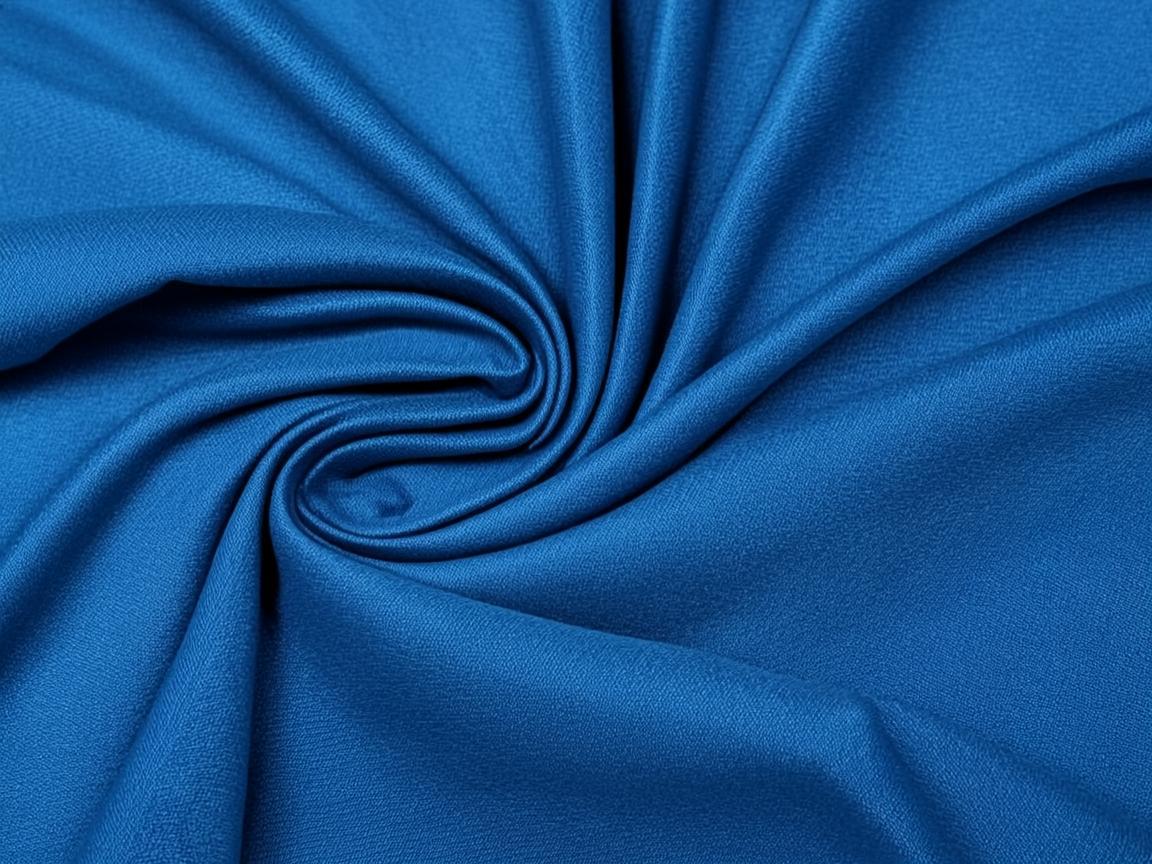
Knitted Fabric Supplier in Oman — Bulk Export from Surat
Mill-direct knitted fabric supply for Muscat textile importerss — 100 GSM to 300 GSM, custom finishing and full export docs via Port Sultan Qaboos in Muscat and Duqm Port.
If you have been sourcing knitted fabric for Oman for a while, you already know the fabric is rarely the problem — the problems live in shade drift between lots, lead times that stretch when the season peaks, and paperwork that stalls at customs while your shelf waits. That is the gap this page exists to close.
Every knit consignment from our partner houses carries recovery test results because Gulf knitwear programmes are reordered, not re-tendered.
Why Oman buyers source knitted fabric from Surat
Knit programmes are recovery businesses — GSM tells half the story and stretch recovery tells the other half, which is where low-grade lots fail.
- Consignment sizes that fit real Oman businesses — from trial lots to full season volumes
- Shading and GSM held stable across repeat orders so production never re-adjusts mid-season
- Direct-from-mill pricing without the two layers of trader padding
- Documentation for Port Sultan Qaboos in Muscat and Duqm Port clearance prepared in-house
What we weave and supply
Our knitted fabric programme covers the constructions Oman buyers order most, and each can be customised — width, GSM, finish and shade — to match your production line.
- Weight range: 100 GSM to 300 GSM
- Constructions: single, double, rib and interlock knits
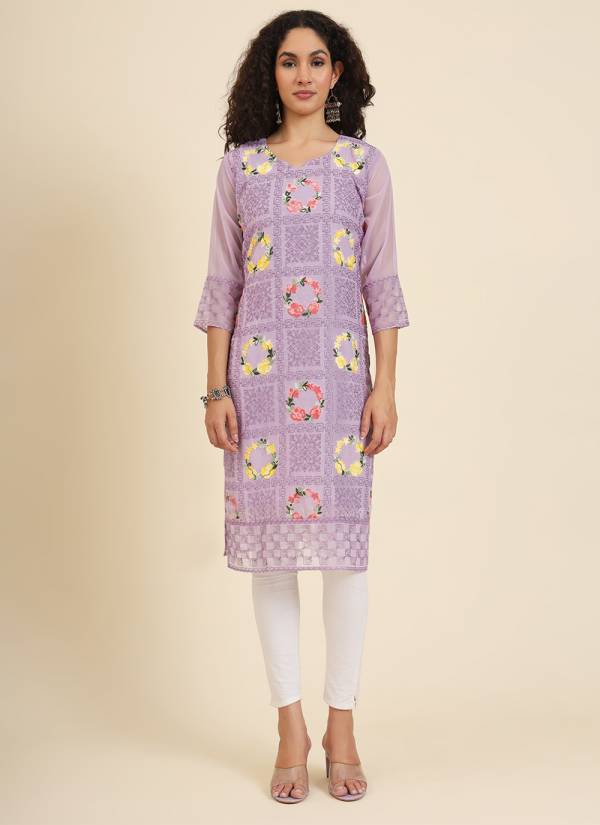
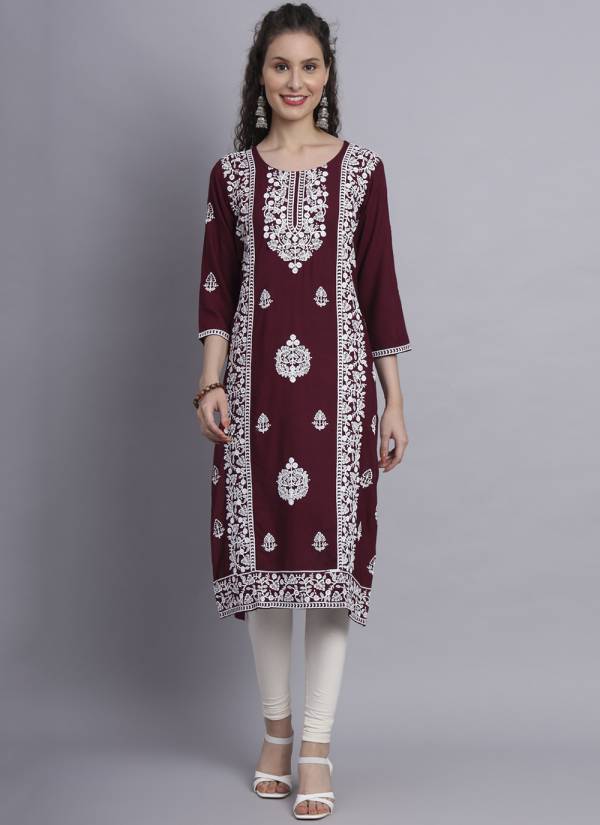
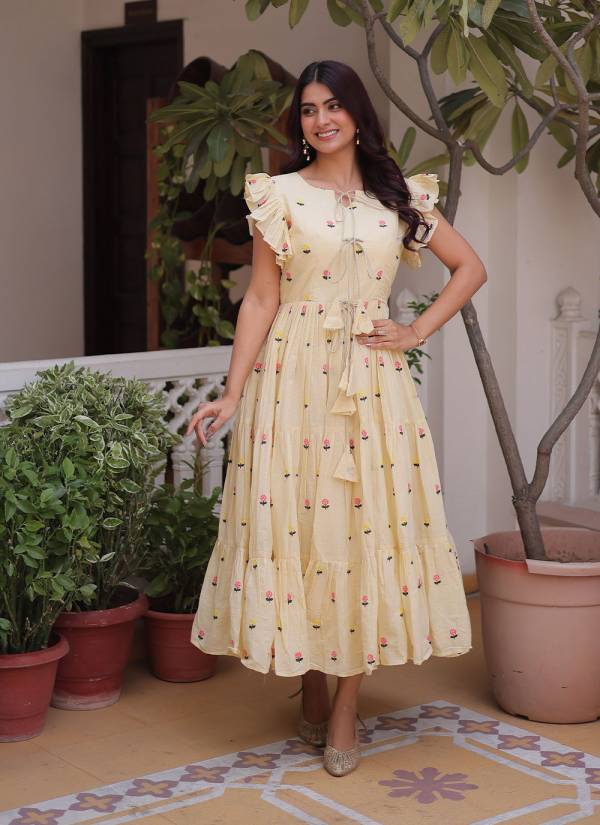
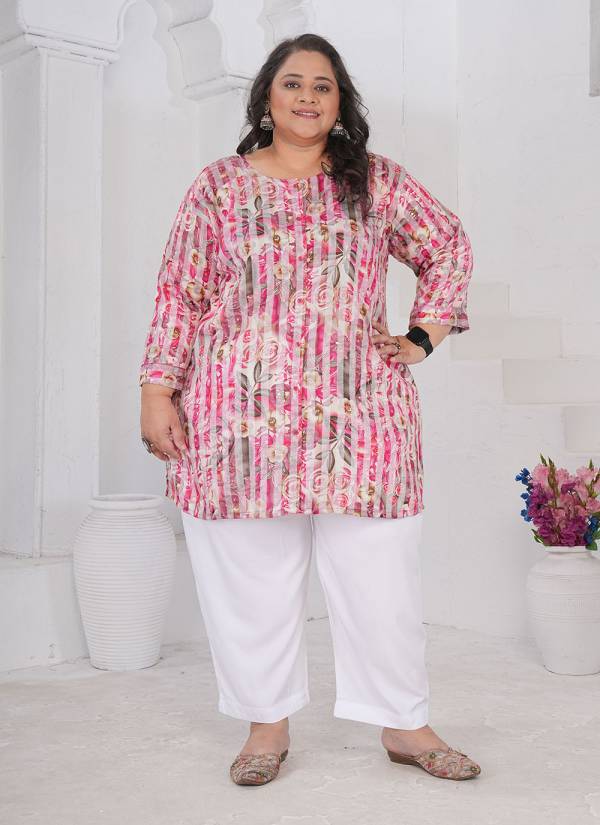
- Typical end uses: hijabs, modest daywear, tunic lines and comfortable uniforms
- Widths: 44”, 58” and 72” depending on construction
- Finishing: dyed, printed, embroidered or plain, with soft-flow and sanforised options
- Packing: rolled on tubes, poly-wrapped, export cartons or as per your warehouse standard
The Oman buying calendar for knitted fabric
Knitted Fabric demand in Oman tracks year-round with printed-knit spikes before Eid, and buyers who plan a season ahead consistently get better allocation than spot purchasers. Our production calendar reserves capacity for Oman programmes in those windows.
Ordering knitted fabric from this desk
- Enquiry: construction, weight, monthly volume and destination — answered with availability and indicative costing
- Verification: cuttings or a small trial lot so the fabric is judged on your floor, not on our word
- First order: 500–1,000 metres per shade for stock bases, mixed across constructions in one consignment
- Programme: scheduled dispatches with reserved capacity once the first lot sells through
Shipping to Oman — the practical details
Every Oman order ships with complete export documentation prepared by our own team. Sea freight runs via Port Sultan Qaboos in Muscat and Duqm Port for volume orders; air freight covers festival windows. Payment terms are discussed openly at enquiry stage — most first orders run on advance or letter of credit, relaxing as the relationship settles.
Talk to us about your knitted fabric supplier oman requirement
Tell us what your programme needs — constructions, weights, volumes and the retail window you are buying for. We come back with availability, indicative pricing and a realistic dispatch date, and buyers are welcome to verify quality with a trial lot before scaling up.
Knitted Fabric programme — what we weave and supply
The fabric programme behind this page is mill-direct Surat supply — weaving, dyeing, printing and finishing under one accountable desk, serving Oman with the construction discipline that serious fabric buyers audit for. We develop and run natural fibres, regenerated cellulose, synthetics and the blend families between them, across the weight bands and finishes the trade actually specifies.
What that means practically: cotton programmes from voile-light shirting through canvas-heavy utility weights, silk and art-silk registers for the premium trade, the full polyester and nylon range from challis to technical constructions, and the fashion fabric families — georgette, crepe, satin, velvet, organza, jacquard, brocade — that garment programmes cut from. Printed, dyed, embroidered and textured finishes run on the same programme.
Bulk fabric supply runs on spec discipline: GSM tolerances held across the run, shade cards matched and archived per buyer, width options in the trade standards, and lot-level documentation that travels with the shipment. Development sampling moves in days because the clusters are local — the speed advantage that built this city's fabric trade still shows up in every programme we quote.
- Cotton fabrics — the workhorse range
- Silk fabrics — premium register
- Georgette, chiffon and crepe — drape family
- Printed fabrics — print cluster collections
- Finished garments — what the fabric becomes
Fabrics behind the range
Fabric engineering is weight, weave and finish discipline:
Cotton from 80 GSM voile to 220 GSM canvas, on plain, twill, satin and dobby constructions. Silk from 40 GSM chiffon through 120 GSM dupion. The polyester and viscose families across their full weight range, chosen where drape and cost discipline matter more than fibre romance. Then the fashion registers — georgette, crepe, satin, velvet, organza, jacquard, brocade — each with its own GSM band and finishing behaviour that decides how the end garment actually performs.
Every programme we quote is built on a specified construction, not a fibre name. "Cotton fabric" tells a buyer nothing until the GSM, weave and finish are attached — which is why our quotations run on spec sheets, and why the sampling stage exists: your hand on the cloth beats any description we could write.
The Surat advantage — a short history
Surat has been a textile trading city for longer than most trade routes have existed. Mughal-era ships carried the city's silk and cotton to the Persian Gulf and East Africa four centuries ago, and the British port records from the 1600s already describe a loom economy substantial enough to supply entire fleets. When the mill era arrived in the 1900s, Surat's weaving families simply moved from handlooms to powerlooms without letting go of the trading relationships that preceded them by generations.
The modern chapter began in the 1970s and 80s, when the city's mills took the synthetic-fibre revolution and ran with it. Polyester and nylon weaving, dyeing and printing grew into clusters — Ring Road, Sachin GIDC, Palsana — that today produce an outsized share of India's man-made fabric output. A city that once traded cloth now designs, weaves, dyes, prints, embroiders, stitches and exports it, all within a 30-kilometre industrial ring.
For an international buyer, this density is the practical advantage: the mill, the dyeing house, the embroidery unit and the packing floor sit close enough that a quality issue gets solved in a day, not a supply-chain quarter. Our desk works inside that ecosystem, and every page we publish is written from it.
About Ajmera Export — the brand behind this page
The desk behind this page answers its own enquiries — no agent layer, no trading-company blur. When you message Ajmera Export about a programme, the reply comes from someone who can walk onto the production floor the same afternoon and check the detail you asked about. That directness is unusual in international textile trade, and it is the main reason buyers who start with a trial lot tend to still be with us years later.
Our programmes span the ethnic wear wardrobe — women's, men's and kids — the home textile line in towels and bedding, and the fabric trade that Surat's mills are globally known for. Development happens fast because the clusters are local: sampling in days, strike-offs within the week, production slotted honestly against real capacity rather than optimistic promises.
Commercially, we keep the structure simple: MOQs that respect where a buyer is today rather than where a supplier wishes they were, private labelling available from the first order, and a claims process that resolves on evidence instead of argument. The result our buyers care about — the one we build everything around — is that the reorder looks exactly like the approval sample, every time.
Why businesses choose us
- Direct desk access — the person quoting your order is accountable for shipping it
- Shrinkage, colourfastness and GSM testing on production lots, with results available on request
- Custom development welcomed — construction, weight and finish adapted to your market feedback
- Flexible order ladders that let a trial lot grow into a season programme without friction
- Long-term buyer economics: consistent reorders at consistent spec, with no drift between lots
Start your first order
Start the way most of our long-term buyers did: send one enquiry with what you stock today and where you want to take the programme. We reply with constructions or styles that fit your shelf, a counter-sample plan, and MOQ levels matched to your current volumes. Samples ship within days, approvals happen on your timeline, and the first production slot is booked the day you sign the strike-off.
The enquiry form on this page reaches the export desk directly, and WhatsApp works just as well for buyers who prefer trading-floor speed. Either way, the conversation that follows is a working one — spec, quantity, lead time, packing — not a brochure exchange.
Featured Range
Products for Oman