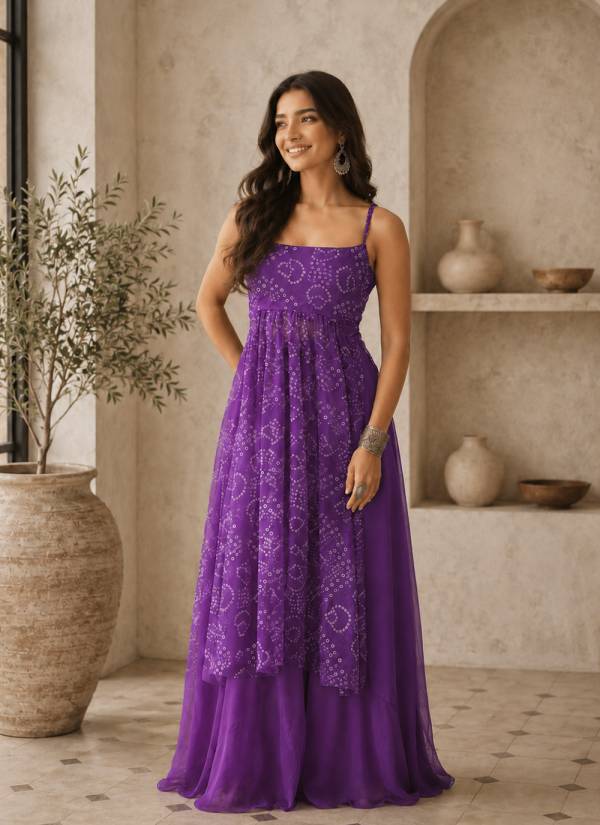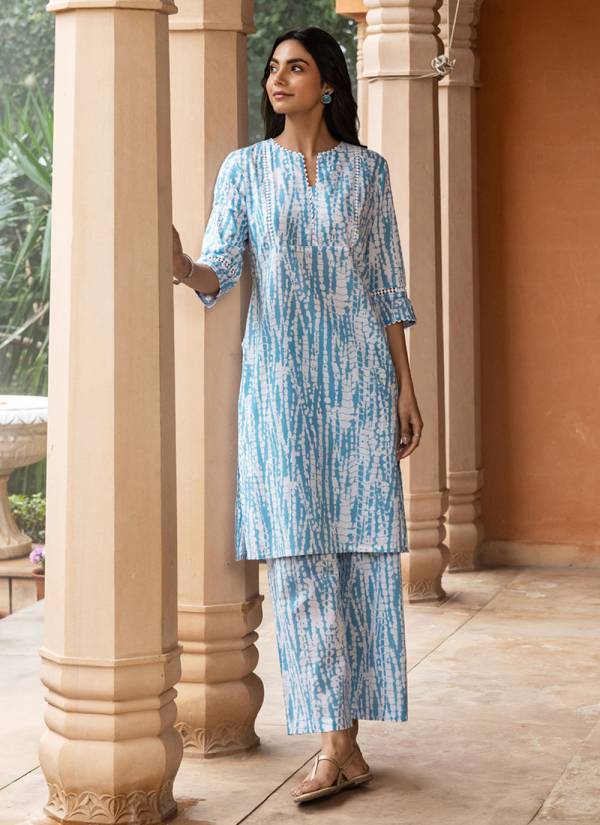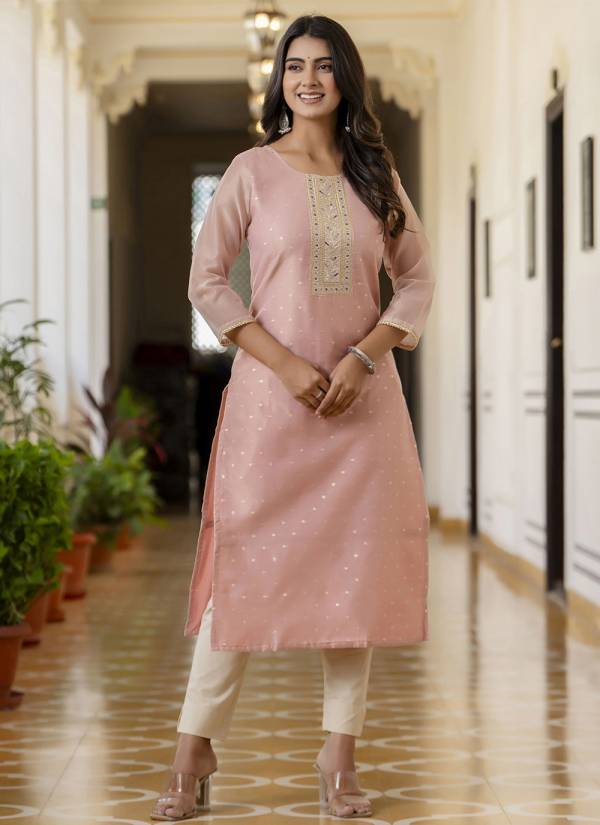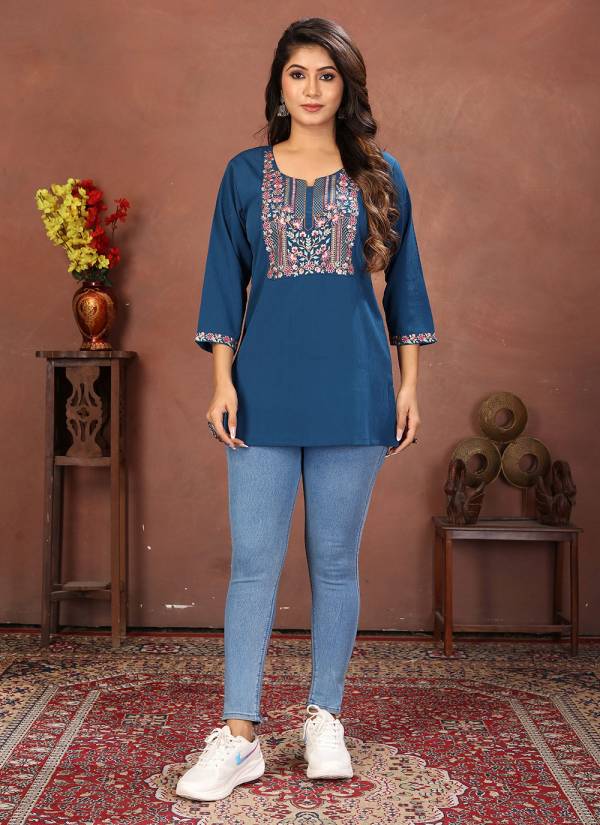
Kurti Sets Wholesale Supplier in Canada — Export from Surat
Kurti Sets manufactured in Surat and shipped to Toronto, Brampton, Mississauga, Vancouver, Surrey, Calgary and Montreal — mixed lots, private label and festival-ready supply windows for Canada retailers and boutiques.
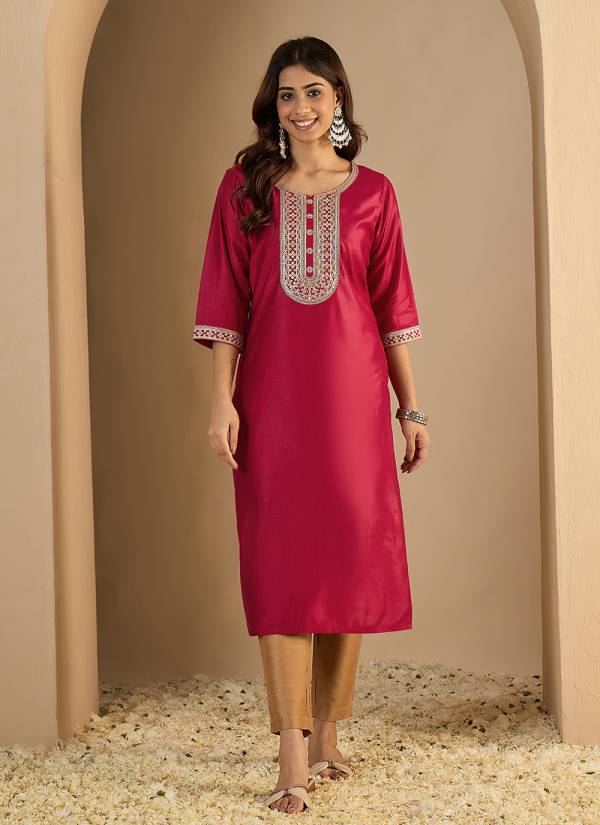
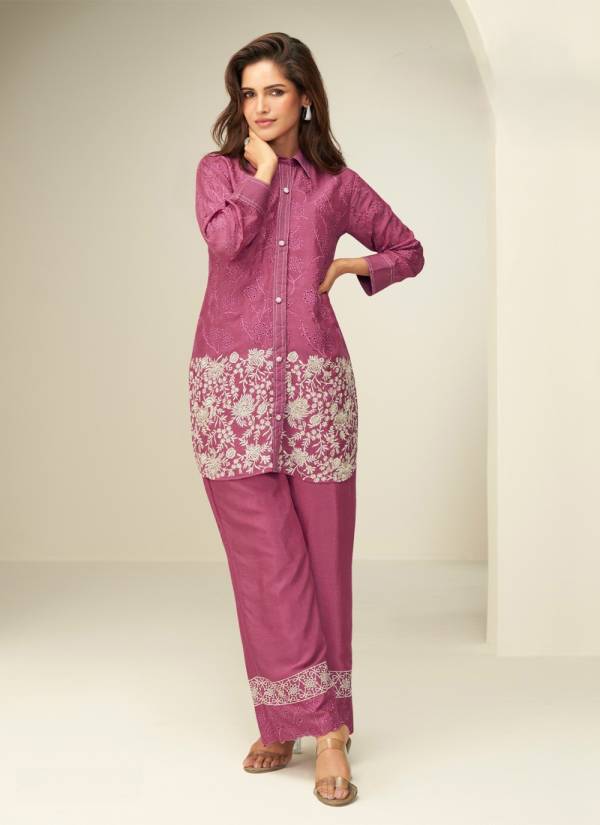
Kurti sets are the workhorse of diaspora ethnic retail — the coordinated top-bottom-dupatta story that a customer can buy as one decision. Shops from the biggest metros to the smallest suburbs reorder sets more consistently than any other category, and our programme is built around that reliability.
Kurtis, silk sarees, Pakistani suits, bridal lehengas and warm-weight suits sell year-round with peaks before Diwali and the summer wedding season.
What Canada buyers order
- Complete kurti, palazzo or legging and dupatta sets
- Daily-wear rayon sets and festive embroidered tiers in one programme
- Mixed-lot ordering across designs and size runs
- Consistent set-to-set quality across repeat consignments
Why Canada buyers stay with us
- Mixed-lot ordering — sizes, colours and designs combined to reach viable minimums without over-buying any single style
- Festival calendar planning — production slots reserved ahead of Canada's diwali, vaisakhi, eid and the may–september wedding season
- Private-label ready — your tags, your packaging inserts, your barcodes
- Photography-friendly finishing — pieces arrive pressed and shelf-ready, cutting your content-creation time
- Canada concentrates its ethnic retail around the GTA and Brampton, with a strong Vancouver second market — buyers there plan around a shorter festival calendar and expect winter-appropriate fabric weights.
Shipping to Canada
Sea freight runs 5–7 weeks via Montreal or Vancouver; air freight for festival reorders. We handle cold-weather packing standards and full documentation.
Sizing, grading and private label for Canada
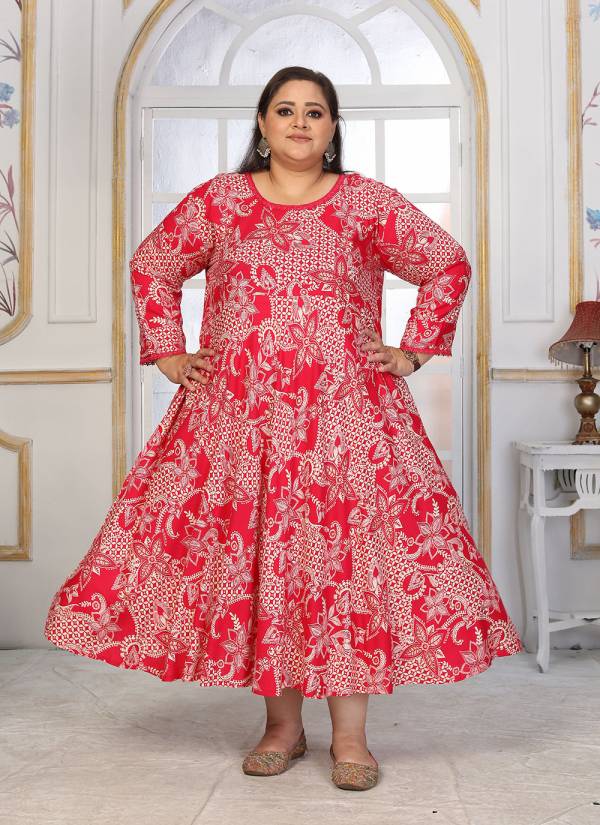
Size runs are graded for the market we ship to. We grade our size runs for the market we ship to — Canada buyers typically request fuller cuts or extended sizing, and our pattern team adjusts the base grading on confirmed orders.
- Extended and plus-size grading on adjusted patterns, not scaled-up standard charts
- Private-label tags, barcoded labels and packaging inserts applied before dispatch
- Care labels and fibre declarations prepared for Canada retail compliance
- Photographed pieces with consistent backgrounds so your listings go up without a reshoot
What a first kurti sets order looks like
The entry path is deliberately low-risk: an enquiry with your quantity range, a video walk-through of current stock and catalogues, then physical samples of the shortlisted pieces. First orders typically run 20–50 pieces per design mixed across sizes and colours for garments, or 500–1,000 metres per shade for fabric programmes — enough to test the shelf without warehousing a season. The buyers who scale fastest treat the first order as a market test: they watch which designs move in the first fortnight, then use our mixed-lot structure to reorder the winners in depth while dropping the slow movers quietly.
Repeat programmes run on reserved capacity. Once a Canada buyer confirms a seasonal programme, we hold loom and finishing slots against their calendar, keep their shade standards on file, and dispatch on a schedule their merchandising can plan around — the difference between a supplier who ships and a partner who plans.
Start with an enquiry
The practical next step is a short enquiry about your wholesale kurti sets for Canada requirement — construction, monthly volume and destination. Our export desk replies within working hours with availability, indicative pricing and honest lead times, and serious buyers can start with a trial lot before any programme commitment.
Kurti collections we manufacture and export
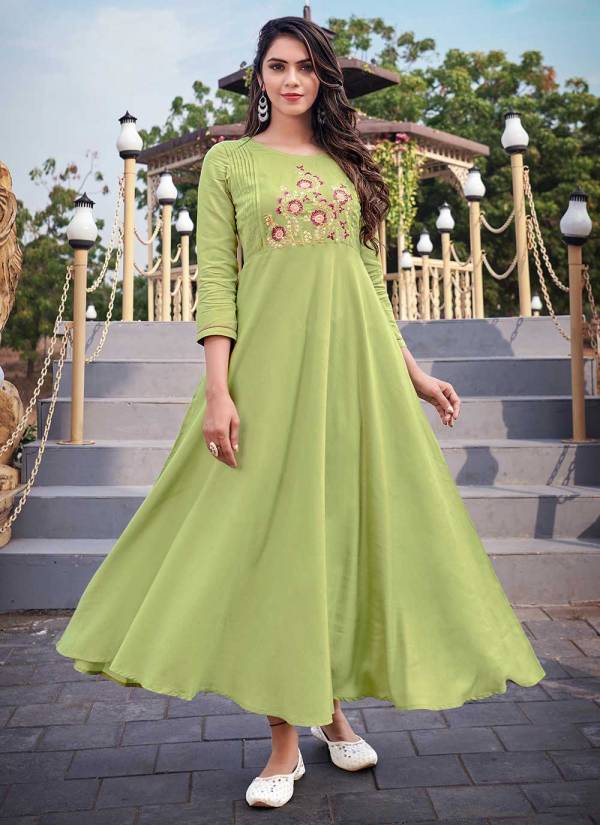
Our kurti programme covers the whole counter — the daily-wear rotation that sells twelve months a year and the occasion styles that spike with the festive calendar. The range runs from straight-cut daily kurtis in printed cotton and rayon through to designer embroidery-weight pieces, anarkali silhouettes and long kurtis that pair with palazzos for the two-piece merchandising story.
Bulk kurti programmes for Canada are cut from fabrics we develop specifically for the category — breathable base cloths, print surfaces that register sharp detail, and embroidery placements that survive repeated washing. Size sets run S-XXL with consistent grading, and every lot ships size-banded and shelf-ready.
What moves fastest in diaspora and export markets is the coordinated set story — kurti with bottom and dupatta as one buying decision. Those programmes are engineered as sets from the start: same dye lot across all three pieces, packaging that keeps the set together through the warehouse, and a price architecture the retailer can merchandise without reworking.
- Designer Kurtis — wholesale export range
- Cotton Kurtis — daily wear bulk programme
- Printed Kurtis — print cluster fresh collections
- Anarkali Kurtis — occasion silhouette range
- Rayon Kurtis — drape-led everyday range
- Georgette Kurtis — party wear programme
Fabrics behind the range
Kurtis are engineered fabric-first: the same silhouette reads casual or festive purely on what it is cut from. Our programmes run the full ladder —
Cotton from 80 GSM voile to 220 GSM canvas, on plain, twill, satin and dobby constructions. Silk from 40 GSM chiffon through 120 GSM dupion. The polyester and viscose families across their full weight range, chosen where drape and cost discipline matter more than fibre romance. Then the fashion registers — georgette, crepe, satin, velvet, organza, jacquard, brocade — each with its own GSM band and finishing behaviour that decides how the end garment actually performs.
Every programme we quote is built on a specified construction, not a fibre name. "Cotton fabric" tells a buyer nothing until the GSM, weave and finish are attached — which is why our quotations run on spec sheets, and why the sampling stage exists: your hand on the cloth beats any description we could write.
The Surat advantage — a short history
Surat's textile economy runs on proximity. Within a short drive of any finishing floor in the city you can reach spinning sources, weaving sheds, dyeing and printing process houses, embroidery units, stitching units, label printers, carton makers and the freight forwarders who consolidate all of it into export containers. Other textile cities have some of these layers; Surat's advantage is having all of them, at scale, competing with each other on turnaround.
The city earned that stack one decade at a time. Handloom weaving families industrialised into powerloom cooperatives through the mid-1900s. The polyester boom of the 80s and 90s pulled in process houses and printers. The embroidery boom of the 2000s added computerised multi-head machines by the thousand. Each wave trained a workforce the next wave hired, which is why the city's average textile worker today is multi-skilled across processes that would be separate trades elsewhere.
For buyers, the practical result is developmental speed. A concept reaches a counter-sample in days, a strike-off within the week, and a production slot follows the approval rather than the calendar quarter. We build our export programmes on exactly that responsiveness, and we think the history matters because it explains the mechanics behind the promise.
About Ajmera Export — the brand behind this page
Behind this page is a Surat export desk that has spent years learning what international buyers actually get judged on by their own customers. Landed-cost surprises kill retail margins. Late festival arrivals kill a whole season's plan. A shade drift between the sample and the bulk kills trust permanently. Our systems are built backwards from those three failure points.
Ajmera Export consolidates manufacturing and finishing across Surat's clusters into programmes that behave predictably: approved strike-offs before bulk runs, lot-level shade discipline, staged quality inspections with reports that travel with the shipment, and documentation packs that clear customs without follow-up. The desk runs on MOQ structures that let smaller buyers grow into larger ones without renegotiating the relationship each time.
We are a family-trade company in a city where that still means something — the reputation economics of a close-knit merchant community apply. Shortchange a buyer once and three others hear about it at the next trade sit-down. That pressure suits us fine, because the way we work anyway is the way that pressure enforces: honest specs, honest timelines, honest claims handling.
Why businesses choose us
- Family-trade accountability in a merchant community where reputation travels faster than marketing
- Honest lead times quoted against real machine capacity, not sales optimism
- Archived buyer files — reorder a programme a year later and the spec is still on record
- Export documentation pack prepared before vessel sailing, so clearance never waits on paperwork
- One consolidated invoice across categories, from fabric yardage to finished garment programmes
Start your first order
Begin with a straightforward enquiry: category, target quantity band and your market. From there we map the programme — which constructions or styles to sample, what MOQ the first order runs at, and what the production calendar looks like against your launch or season date. Counter-samples move within days, and nothing enters bulk production until you have approved the physical sample in hand.
Use the enquiry form on this page or message the desk on WhatsApp — both reach the people who actually run the programme. Buyers consolidating multiple categories can plan one shipment calendar across all of them, which is where the freight economics of a single-supplier relationship really start to show.
Featured Range
Products for Canada