Kurti Sets Wholesale in Brampton — Surat Export Supply
Kurti Sets manufactured in Surat and supplied to Brampton — Hurontario strip retailers served with mixed lots, private label and festival-ready dispatch windows.
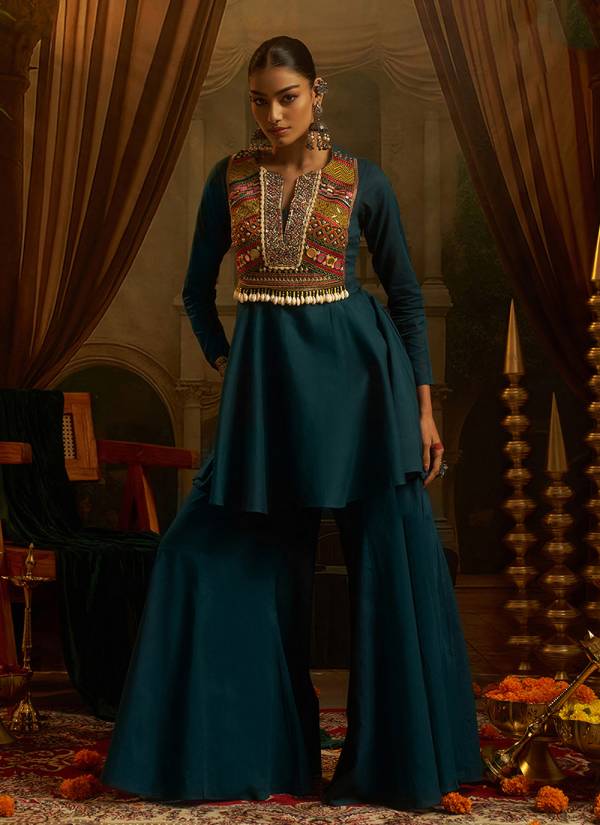
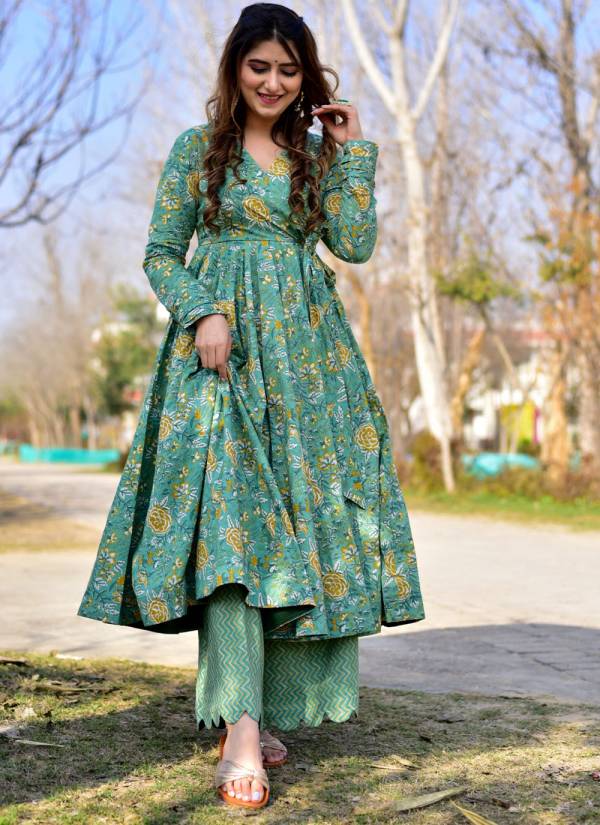
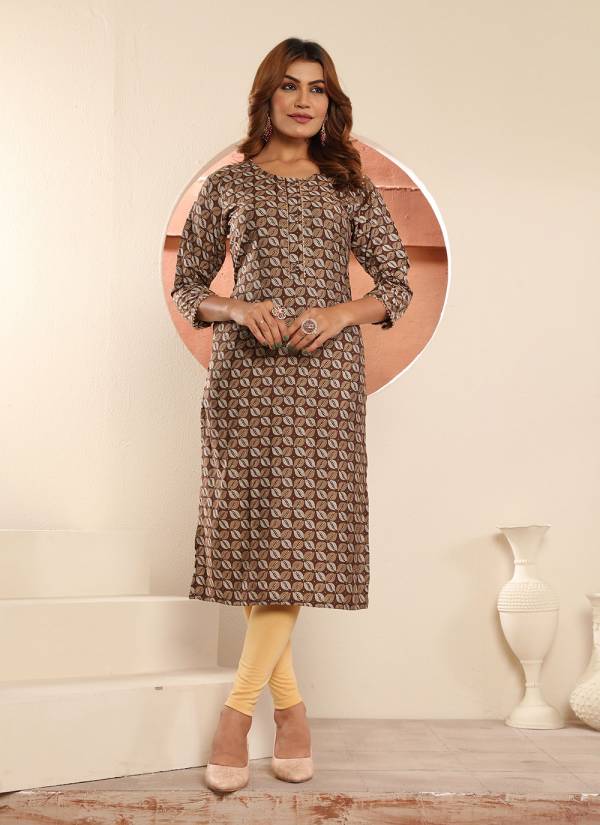
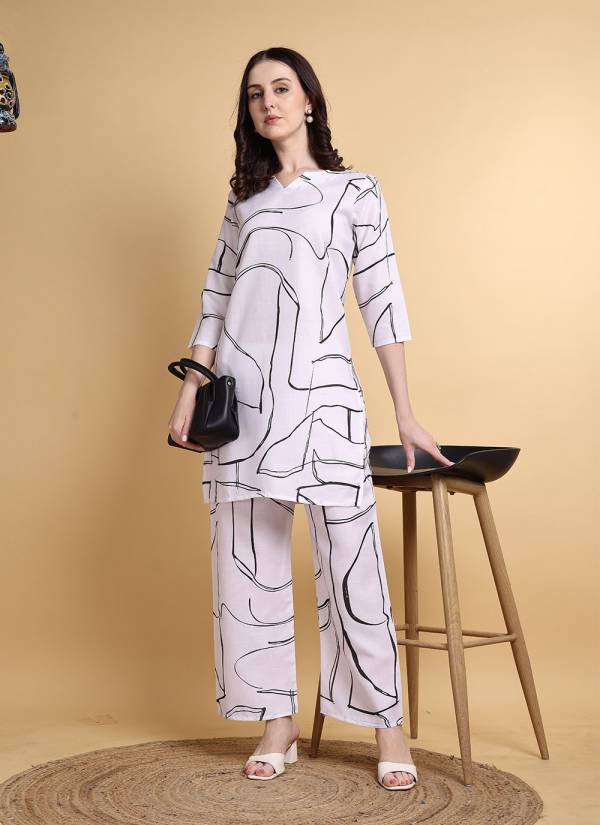
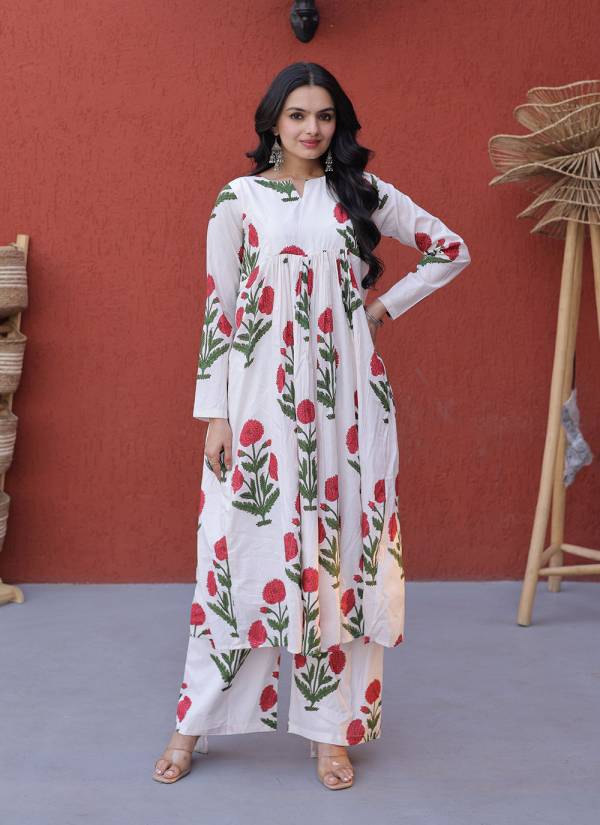
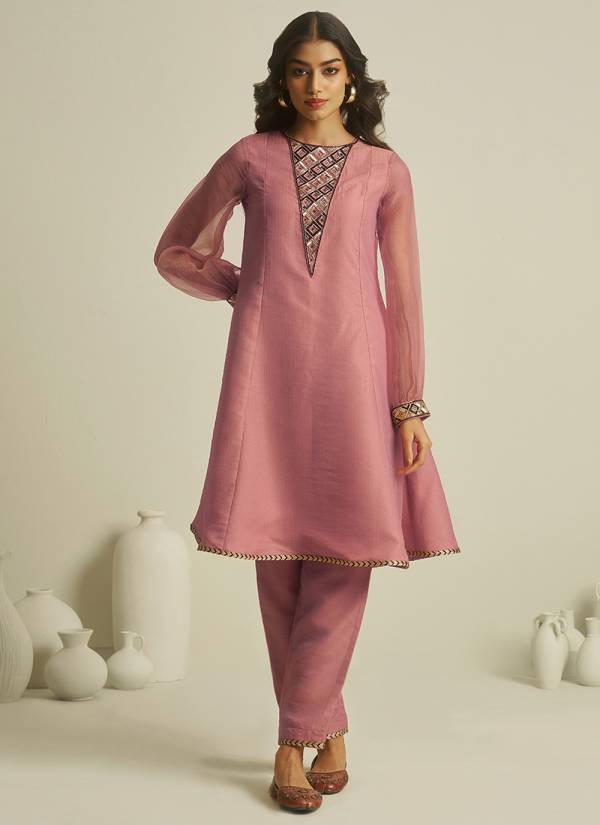
Kurti sets are the workhorse of diaspora ethnic retail — the coordinated top-bottom-dupatta story that a customer can buy as one decision. Shops from the biggest metros to the smallest suburbs reorder sets more consistently than any other category, and our programme is built around that reliability.
The single most concentrated South Asian city in North America — Brampton runs one of the most active South Asian retail scenes in the diaspora, and the Hurontario corridor and Bramalea City Centre area carry one of the densest Indian and Pakistani retail environments anywhere outside the subcontinent.
What Brampton buyers order
- Complete kurti, palazzo or legging and dupatta sets
- Daily-wear rayon sets and festive embroidered tiers in one programme
- Mixed-lot ordering across designs and size runs
- Consistent set-to-set quality across repeat consignments
Why Brampton buyers stay with us
- Mixed-lot ordering — sizes, colours and designs combined to reach viable minimums without over-buying any single style
- Festival calendar planning — production slots reserved ahead of Canada's major festivals
- Private-label ready — your tags, your packaging inserts, your barcodes
- Photography-friendly finishing — pieces arrive pressed and shelf-ready, cutting your content-creation time
- Hurontario strip retailers relationships run on replenishment reliability, and that is the metric we are judged on
Shipping to Brampton
Brampton buyers order at programme scale — full containers into Montreal with trucking into the GTA is the standard route, and festival replenishment runs by air through Toronto Pearson.
Sizing, grading and private label for Brampton
Size runs are graded for the market we ship to. Buyers serving Brampton retail typically request sizing and finishing suited to local customer bases, and our pattern desk adjusts base grading on confirmed orders at no extra cost.
- Extended and plus-size grading on adjusted patterns, not scaled-up standard charts
- Private-label tags, barcoded labels and packaging inserts applied before dispatch
- Care labels and fibre declarations prepared for Brampton retail compliance
- Photographed pieces with consistent backgrounds so your listings go up without a reshoot
What a first kurti sets order looks like
The entry path is deliberately low-risk: an enquiry with your quantity range, a video walk-through of current stock and catalogues, then physical samples of the shortlisted pieces. First orders typically run 20–50 pieces per design mixed across sizes and colours for garments, or 500–1,000 metres per shade for fabric programmes — enough to test the shelf without warehousing a season. The buyers who scale fastest treat the first order as a market test: they watch which designs move in the first fortnight, then use our mixed-lot structure to reorder the winners in depth while dropping the slow movers quietly.
Repeat programmes run on reserved capacity. Once a Brampton buyer confirms a seasonal programme, we hold loom and finishing slots against their calendar, keep their shade standards on file, and dispatch on a schedule their merchandising can plan around — the difference between a supplier who ships and a partner who plans.
Start with an enquiry
Send your wholesale kurti sets for Brampton requirement across — quantities, shades, widths and the season you are planning for. The desk responds with costing, lead times and the sampling path, because a first order built on verified samples is the only first order we are interested in.
Kurti collections we manufacture and export
Our kurti programme covers the whole counter — the daily-wear rotation that sells twelve months a year and the occasion styles that spike with the festive calendar. The range runs from straight-cut daily kurtis in printed cotton and rayon through to designer embroidery-weight pieces, anarkali silhouettes and long kurtis that pair with palazzos for the two-piece merchandising story.
Bulk kurti programmes for Brampton are cut from fabrics we develop specifically for the category — breathable base cloths, print surfaces that register sharp detail, and embroidery placements that survive repeated washing. Size sets run S-XXL with consistent grading, and every lot ships size-banded and shelf-ready.
What moves fastest in diaspora and export markets is the coordinated set story — kurti with bottom and dupatta as one buying decision. Those programmes are engineered as sets from the start: same dye lot across all three pieces, packaging that keeps the set together through the warehouse, and a price architecture the retailer can merchandise without reworking.
- Designer Kurtis — wholesale export range
- Cotton Kurtis — daily wear bulk programme
- Printed Kurtis — print cluster fresh collections
- Anarkali Kurtis — occasion silhouette range
- Rayon Kurtis — drape-led everyday range
- Georgette Kurtis — party wear programme
Fabrics behind the range
Kurtis are engineered fabric-first: the same silhouette reads casual or festive purely on what it is cut from. Our programmes run the full ladder —
Fabric selection is where programme economics are actually decided — the difference between a 90 GSM and a 120 GSM base changes drape, cost structure, shipping weight and the price tier the finished product can hold. Our role is to make that selection explicit rather than accidental: spec sheets with weight, weave, width and finish on every quotation, samples that match the bulk spec exactly, and lot documentation that lets your QC team verify against the same numbers we shipped against.
The clusters behind this programme weave, dye, print, embroider and finish in the same industrial ring — which is why development moves in days and corrections move faster. That proximity is the quiet advantage behind every fabric programme we run.
The Surat advantage — a short history
The saree and dress trade built this city before the export business did. Surat's weaving families supplied India's saree counters for generations — the zari work, the jacquards, the printed georgettes that moved by the million through wholesale halls around Ring Road. That domestic trade taught the cluster something export markets now benefit from: how to hold quality at volume, week after week, at price points real retailers can mark up.
When export demand arrived — Gulf fabric houses first, then diaspora boutiques in London, New Jersey and Nairobi, then the trade buyers of West Africa and Southeast Asia — the cluster simply aimed the same machinery at new specifications. Kandora shirting, abaya bases, kurti sets, hotel linen: the looms do not care what the end product is called; the discipline is in the GSM and the shade card.
What has not changed is the trading culture. Deals still close on trust and trial lots, reputations still travel by word of mouth through community networks, and a supplier who ships clean three times earns a buyer for a decade. That is the history we operate inside, and it is the honest reason a Surat desk can promise what bigger-sounding operations cannot: the person who quotes your order is the person accountable for it.
About Ajmera Export — the brand behind this page
The desk behind this page answers its own enquiries — no agent layer, no trading-company blur. When you message Ajmera Export about a programme, the reply comes from someone who can walk onto the production floor the same afternoon and check the detail you asked about. That directness is unusual in international textile trade, and it is the main reason buyers who start with a trial lot tend to still be with us years later.
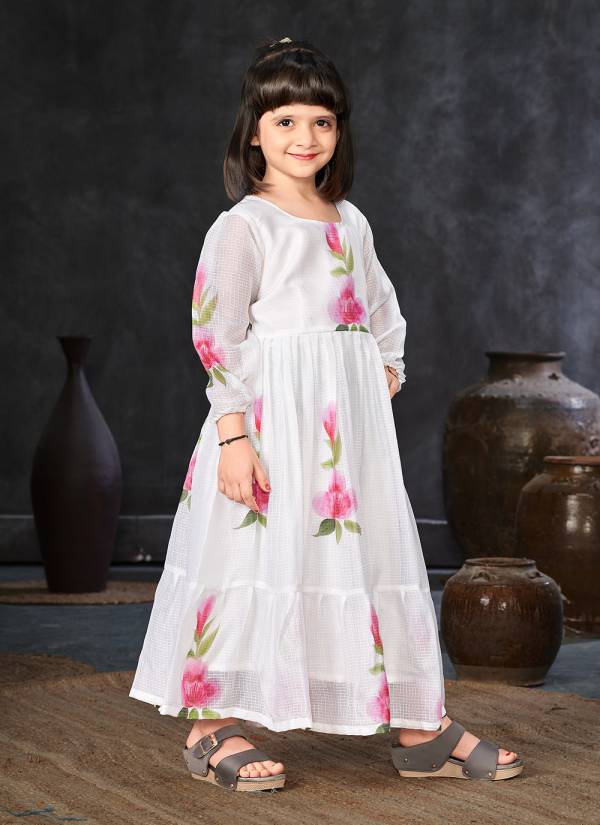
Our programmes span the ethnic wear wardrobe — women's, men's and kids — the home textile line in towels and bedding, and the fabric trade that Surat's mills are globally known for. Development happens fast because the clusters are local: sampling in days, strike-offs within the week, production slotted honestly against real capacity rather than optimistic promises.
Commercially, we keep the structure simple: MOQs that respect where a buyer is today rather than where a supplier wishes they were, private labelling available from the first order, and a claims process that resolves on evidence instead of argument. The result our buyers care about — the one we build everything around — is that the reorder looks exactly like the approval sample, every time.
Why businesses choose us
- Direct desk access — the person quoting your order is accountable for shipping it
- Shrinkage, colourfastness and GSM testing on production lots, with results available on request
- Custom development welcomed — construction, weight and finish adapted to your market feedback
- Flexible order ladders that let a trial lot grow into a season programme without friction
- Long-term buyer economics: consistent reorders at consistent spec, with no drift between lots
Start your first order
Start the way most of our long-term buyers did: send one enquiry with what you stock today and where you want to take the programme. We reply with constructions or styles that fit your shelf, a counter-sample plan, and MOQ levels matched to your current volumes. Samples ship within days, approvals happen on your timeline, and the first production slot is booked the day you sign the strike-off.
The enquiry form on this page reaches the export desk directly, and WhatsApp works just as well for buyers who prefer trading-floor speed. Either way, the conversation that follows is a working one — spec, quantity, lead time, packing — not a brochure exchange.
Featured Range
Products for Brampton