Kurti Sets Wholesale in New York — Surat Export Supply
Kurti Sets manufactured in Surat and supplied to New York — Jackson Heights boutique owners served with mixed lots, private label and festival-ready dispatch windows.
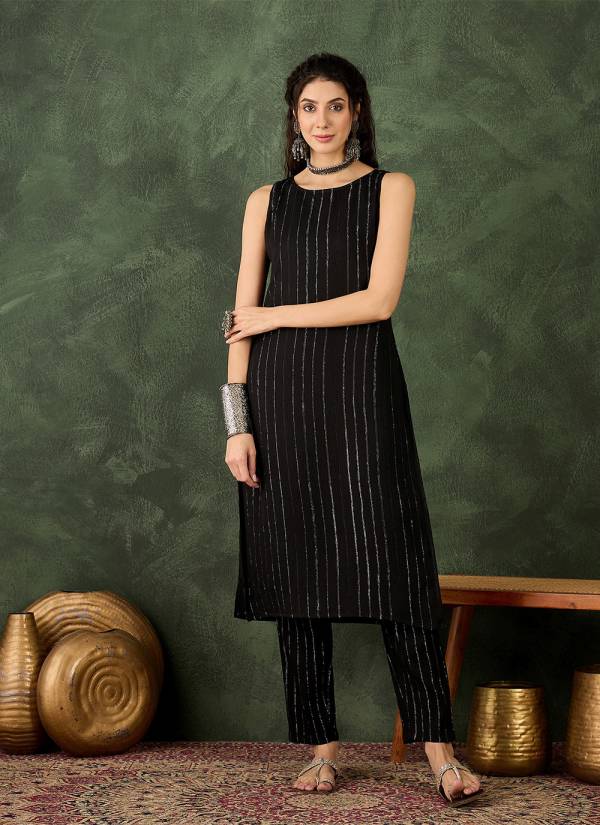
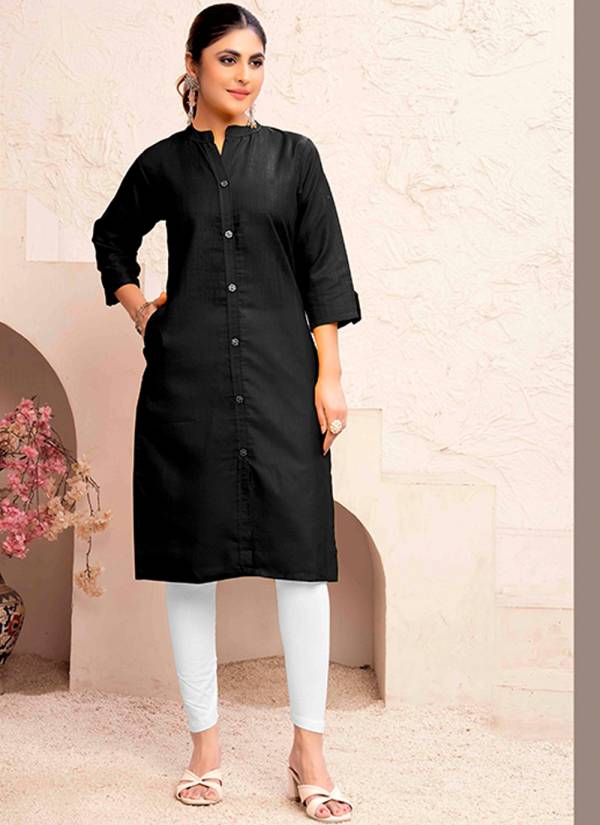
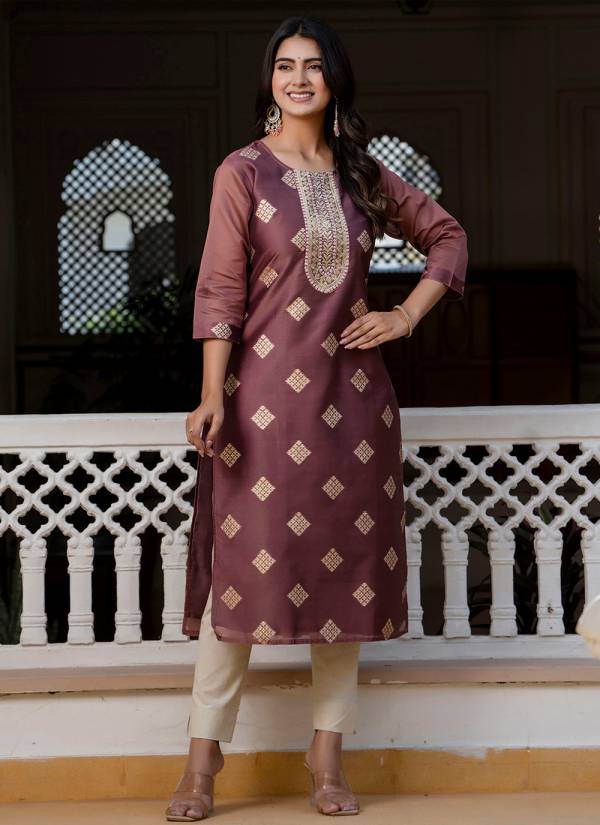
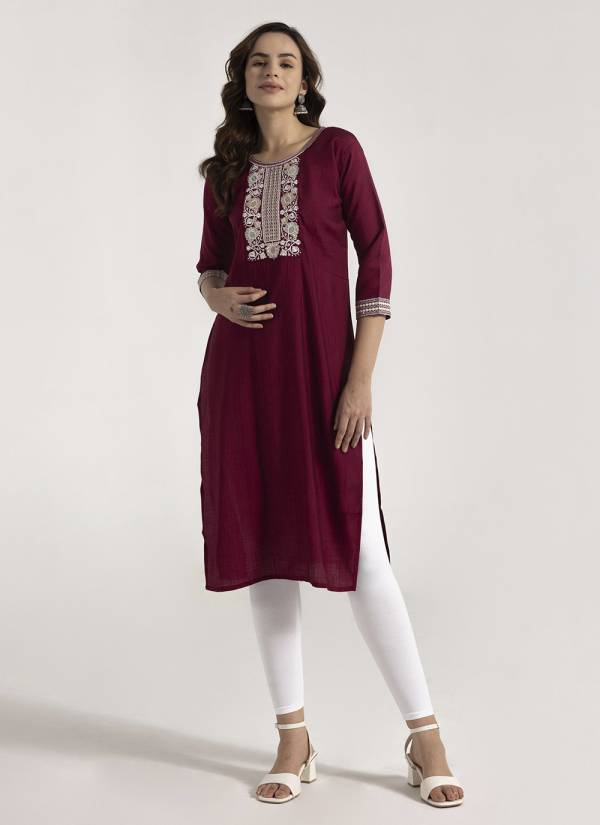
Kurti sets are the workhorse of diaspora ethnic retail — the coordinated top-bottom-dupatta story that a customer can buy as one decision. Shops from the biggest metros to the smallest suburbs reorder sets more consistently than any other category, and our programme is built around that reliability.
The largest Indian-American retail market in the country — New York runs one of the most active South Asian retail scenes in the diaspora, and Jackson Heights in Queens runs the city’s best-known South Asian shopping strip, with Richmond Hill’s Little Guyana corridor and Jersey City’s Newark Avenue district just across the river.
What New York buyers order
- Complete kurti, palazzo or legging and dupatta sets
- Daily-wear rayon sets and festive embroidered tiers in one programme
- Mixed-lot ordering across designs and size runs
- Consistent set-to-set quality across repeat consignments
Why New York buyers stay with us
- Mixed-lot ordering — sizes, colours and designs combined to reach viable minimums without over-buying any single style
- Festival calendar planning — production slots reserved ahead of USA's major festivals
- Private-label ready — your tags, your packaging inserts, your barcodes
- Photography-friendly finishing — pieces arrive pressed and shelf-ready, cutting your content-creation time
- Jackson Heights boutique owners relationships run on replenishment reliability, and that is the metric we are judged on
Shipping to New York
Sea freight clears through New York/New Jersey ports; the metro’s dense wholesale infrastructure makes consolidated deliveries efficient across the five boroughs and northern New Jersey.
Sizing, grading and private label for New York
Size runs are graded for the market we ship to. Buyers serving New York retail typically request sizing and finishing suited to local customer bases, and our pattern desk adjusts base grading on confirmed orders at no extra cost.
- Extended and plus-size grading on adjusted patterns, not scaled-up standard charts
- Private-label tags, barcoded labels and packaging inserts applied before dispatch
- Care labels and fibre declarations prepared for New York retail compliance
- Photographed pieces with consistent backgrounds so your listings go up without a reshoot
What a first kurti sets order looks like
The entry path is deliberately low-risk: an enquiry with your quantity range, a video walk-through of current stock and catalogues, then physical samples of the shortlisted pieces. First orders typically run 20–50 pieces per design mixed across sizes and colours for garments, or 500–1,000 metres per shade for fabric programmes — enough to test the shelf without warehousing a season. The buyers who scale fastest treat the first order as a market test: they watch which designs move in the first fortnight, then use our mixed-lot structure to reorder the winners in depth while dropping the slow movers quietly.
Repeat programmes run on reserved capacity. Once a New York buyer confirms a seasonal programme, we hold loom and finishing slots against their calendar, keep their shade standards on file, and dispatch on a schedule their merchandising can plan around — the difference between a supplier who ships and a partner who plans.
Start with an enquiry
Tell us what your programme needs — constructions, weights, volumes and the retail window you are buying for. We come back with availability, indicative pricing and a realistic dispatch date, and buyers are welcome to verify quality with a trial lot before scaling up.
Kurti collections we manufacture and export
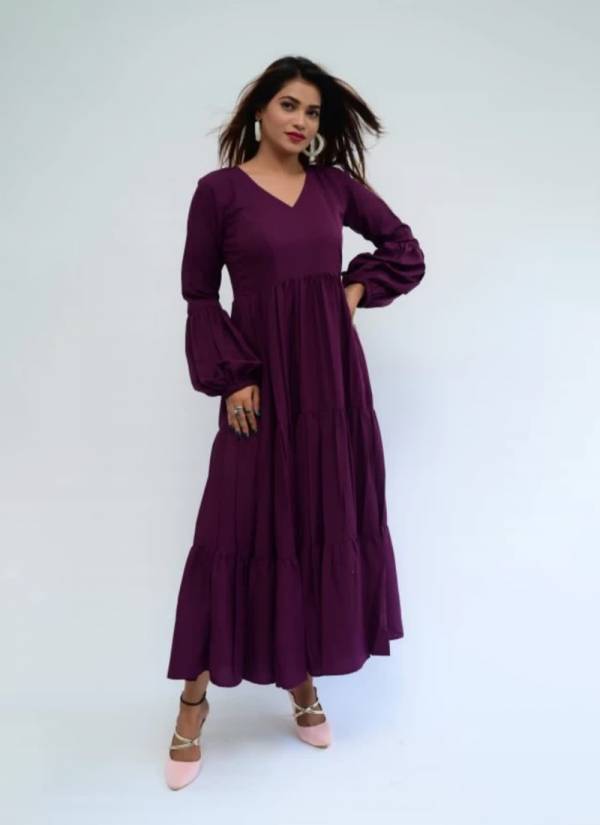
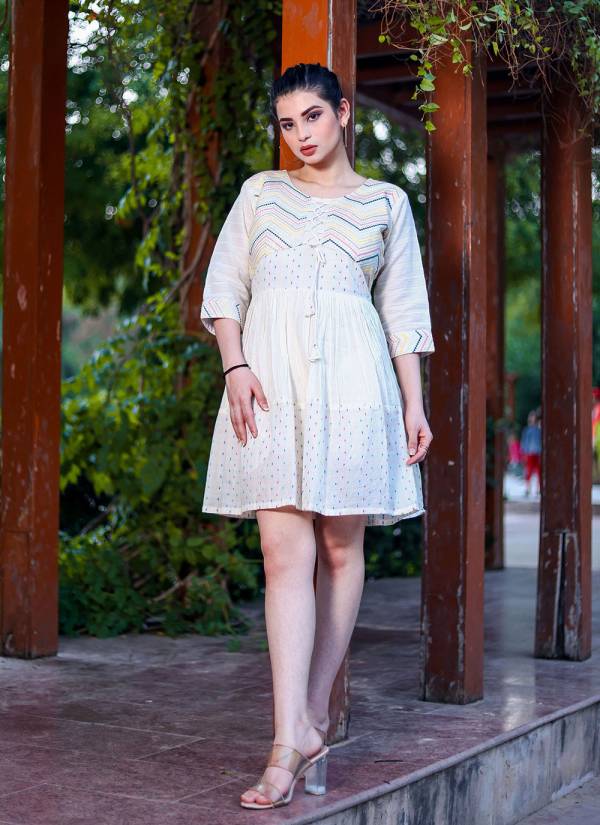
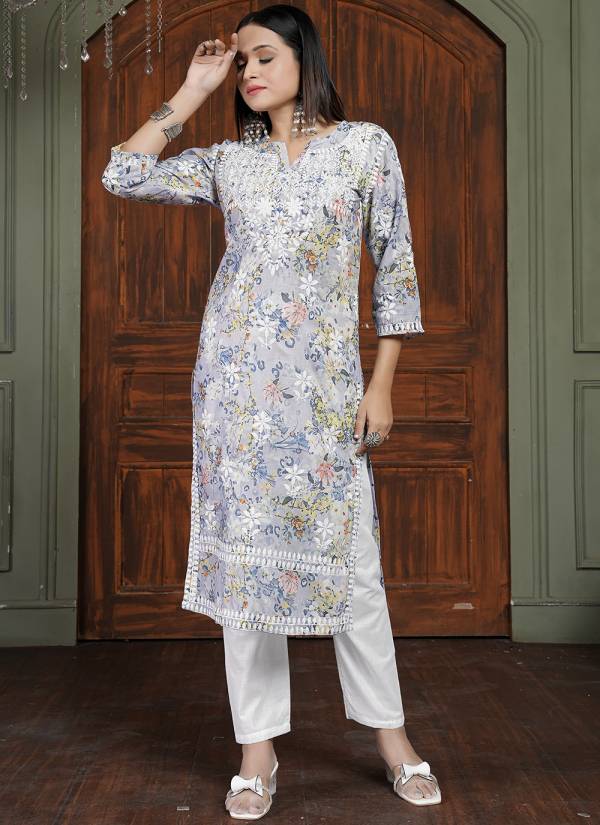
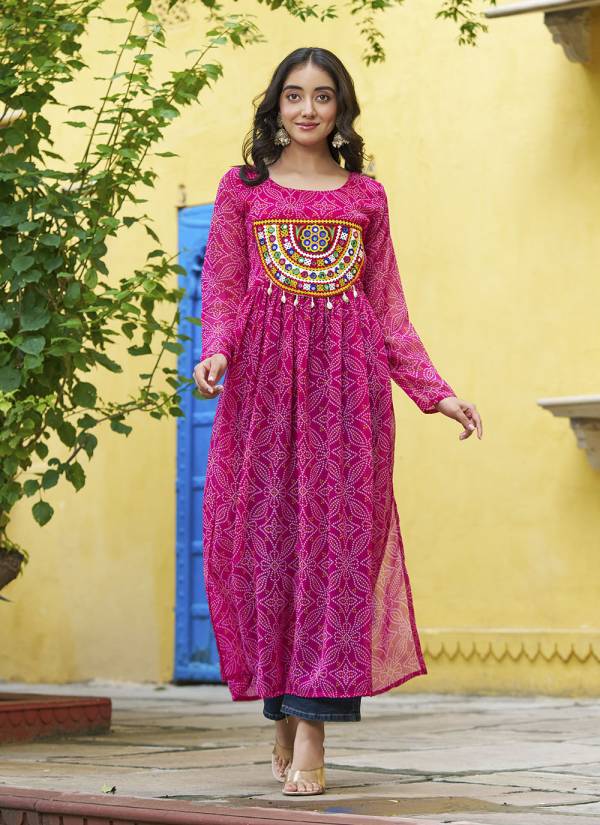
Our kurti programme covers the whole counter — the daily-wear rotation that sells twelve months a year and the occasion styles that spike with the festive calendar. The range runs from straight-cut daily kurtis in printed cotton and rayon through to designer embroidery-weight pieces, anarkali silhouettes and long kurtis that pair with palazzos for the two-piece merchandising story.
Bulk kurti programmes for New York are cut from fabrics we develop specifically for the category — breathable base cloths, print surfaces that register sharp detail, and embroidery placements that survive repeated washing. Size sets run S-XXL with consistent grading, and every lot ships size-banded and shelf-ready.
What moves fastest in diaspora and export markets is the coordinated set story — kurti with bottom and dupatta as one buying decision. Those programmes are engineered as sets from the start: same dye lot across all three pieces, packaging that keeps the set together through the warehouse, and a price architecture the retailer can merchandise without reworking.
- Designer Kurtis — wholesale export range
- Cotton Kurtis — daily wear bulk programme
- Printed Kurtis — print cluster fresh collections
- Anarkali Kurtis — occasion silhouette range
- Rayon Kurtis — drape-led everyday range
- Georgette Kurtis — party wear programme
Fabrics behind the range
Kurtis are engineered fabric-first: the same silhouette reads casual or festive purely on what it is cut from. Our programmes run the full ladder —
The fabric ladder runs from voile-light summer cloths through mid-weight Challis and poplin families, the suiting and shirting weights, and up to canvas and heavy furnishing constructions. Natural fibres cover the comfort trade; regenerated cellulose — viscose, modal, the Tencel family — carries the drape-led programmes; synthetics hold the technical and price-disciplined tiers.
Finish determines shelf behaviour as much as the base cloth does. The same 100 GSM cotton reads crisp or soft depending on mercerising; the same georgette drapes clean or stiff depending on the finishing heat profile. We hold those finish specs on file per buyer, because reorder drift in finish is as damaging as shade drift — and both are preventable with archived standards.
The Surat advantage — a short history
Ask any Indian textile trader where the country's fabric decisions get made, and the answer is a Surat trading floor, not a boardroom in Mumbai. The city handles a volume of polyester filament fabric that ranks among the largest concentrations of man-made textile production anywhere in the world, and the numbers translate into something a buyer feels directly: faster development, faster sampling, faster correction.
The cluster grew in layers. Weaving came first, then process houses for dyeing and printing, then embroidery units importing multi-head machines, then stitching units and finally the export consolidation logistics that now move thousands of cartons a week through Nhava Sheva and the air cargo terminals. Each layer sharpened the one before it — printers learned what weavers could hold, embroiderers learned what printers could register.
That layered competence is why a buyer sourcing from Surat gets options rather than constraints: if one construction does not hit the spec, three alternative looms are within reach of a phone call. We write our pages from inside that network, and the history behind it is really an argument about why the location itself works in your favour.
About Ajmera Export — the brand behind this page
Behind this page is a Surat export desk that has spent years learning what international buyers actually get judged on by their own customers. Landed-cost surprises kill retail margins. Late festival arrivals kill a whole season's plan. A shade drift between the sample and the bulk kills trust permanently. Our systems are built backwards from those three failure points.
Ajmera Export consolidates manufacturing and finishing across Surat's clusters into programmes that behave predictably: approved strike-offs before bulk runs, lot-level shade discipline, staged quality inspections with reports that travel with the shipment, and documentation packs that clear customs without follow-up. The desk runs on MOQ structures that let smaller buyers grow into larger ones without renegotiating the relationship each time.
We are a family-trade company in a city where that still means something — the reputation economics of a close-knit merchant community apply. Shortchange a buyer once and three others hear about it at the next trade sit-down. That pressure suits us fine, because the way we work anyway is the way that pressure enforces: honest specs, honest timelines, honest claims handling.
Why businesses choose us
- One accountable desk across weaving, dyeing, printing, embroidery, stitching and packing — no multi-vendor blame chains
- Strike-off approvals before every bulk run, so the shade you sign is the shade that ships
- Lot-level shade and GSM discipline with archived specs on file for every buyer programme
- MOQ structures designed for growing buyers — scale up without renegotiating the relationship
- Private labelling, retail-ready packing and destination-market documentation handled in-house
Start your first order
Begin with a straightforward enquiry: category, target quantity band and your market. From there we map the programme — which constructions or styles to sample, what MOQ the first order runs at, and what the production calendar looks like against your launch or season date. Counter-samples move within days, and nothing enters bulk production until you have approved the physical sample in hand.
Use the enquiry form on this page or message the desk on WhatsApp — both reach the people who actually run the programme. Buyers consolidating multiple categories can plan one shipment calendar across all of them, which is where the freight economics of a single-supplier relationship really start to show.
Frequently Asked Questions
What is the MOQ for wholesale kurti sets for New York?
Most of our kurti sets export orders start at 20–50 pieces per design mixed across sizes and colours. Bridal and premium lines run on smaller MOQs with higher per-piece work, while daily-wear volume programmes need larger commitments for the pricing to work. Send your quantity range and we will structure the order around it.
How long does shipping to New York take?
Sea freight clears through New York/New Jersey ports; the metro’s dense wholesale infrastructure makes consolidated deliveries efficient across the five boroughs and northern New Jersey.
Can you handle private label for our New York store?
Yes — private label tagging, custom packaging inserts and barcoded labels are routine for our buyers. Share your label artwork and packaging spec at order confirmation and we handle the rest before dispatch.
Do you carry sizes suited to New York customers?
We grade our size runs for the market we ship to — buyers outside India typically request fuller cuts or extended sizing, and our pattern team adjusts the base grading on confirmed orders at no extra cost.
How do we start — can we see samples first?
The usual path is a short enquiry, then a video walk-through of the collection, then physical samples of the specific pieces you are considering. Sample costs are adjusted against the first bulk order, so serious buyers only pay for the bulk they actually place.
How do you control quality on bulk orders?
Every lot passes a four-point inspection — fabric checking on the greige, in-line checks during stitching, a pre-packing audit and a final AQL sampling before cartons are sealed. The report travels with your shipment so your team can verify against the same checklist we used on our floor.
Can you match a sample or shade card we already sell?
Yes. Send us a physical swatch or a Pantone reference and our dyeing floor matches it on the actual base fabric before bulk production starts. You approve a strike-off, and only then does the lot run — that approval trail is what keeps reorders consistent.
What happens if a consignment arrives with defects?
We pre-empt this with the inspection stages above, but if a verified defect slips through, the claim route is simple: photographs and lot numbers within 15 days of landing, and we replace or credit the affected pieces on the next shipment. We would rather absorb a claim once than lose a repeat buyer.
Do you work with small businesses and startups?
Yes — every large buyer we work with today started with a trial lot. First orders run at accessible MOQs, and we scale the programme as your sell-through proves out. What we ask in return is clear communication on timelines so production slots are planned honestly.
Can we place our own brand labels and tags?
Yes. We run private-label programmes with your woven labels, hang tags and barcode stickers applied at our finishing floor before packing. You send the artwork, we manage application, and the goods arrive shelf-ready under your brand name.
Featured Range
Products for New York