Kurtis Wholesale Supplier in Australia — Export from Surat
Kurtis manufactured in Surat and shipped to Sydney, Melbourne, Brisbane and Perth — mixed lots, private label and festival-ready supply windows for Australia retailers and boutiques.
Australia's kurti market is younger and more casual than the North American equivalents — Harris Park and Dandenong buyers favour breathable everyday pieces with festival spikes rather than heavy formals.
We manufacture and export kurtis from Surat to Australia, working with Harris Park and Dandenong retailers, online sellers, multicultural festival stall operators and bridal studios. Sarees, kurtis, lehengas and kids ethnic wear, with steady growth in Pakistani suits and gowns.
What our Australia buyers order
- Cotton and rayon everyday kurtis for the volume tier
- Festive prints ahead of Diwali and Holi windows
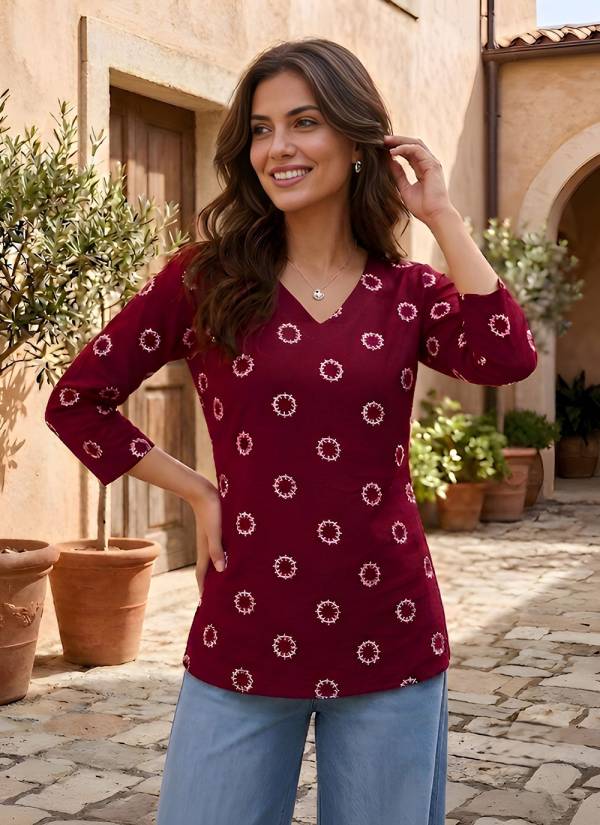
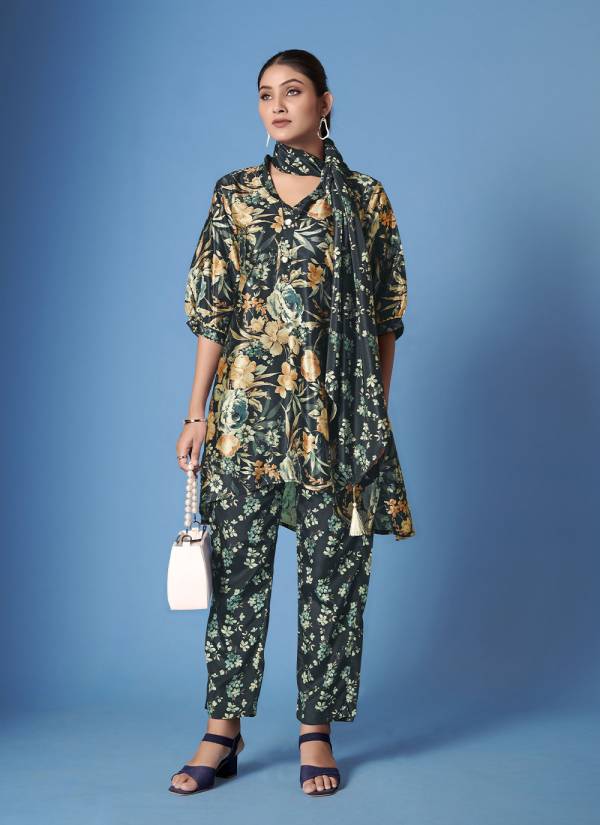
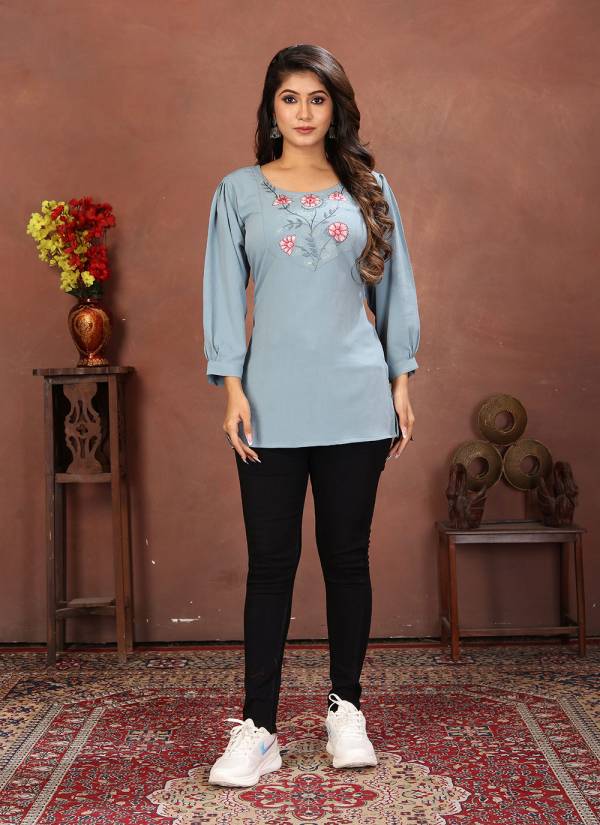
- Casual co-ord and tunic-style kurtis for crossover retail
- Compact mixed lots sized for smaller shop floors
Why Australia buyers stay with us
- Mixed-lot ordering — sizes, colours and designs combined to reach viable MOQs without over-buying any single style
- Festival calendar planning — production slots reserved ahead of Diwali, Holi, Eid and the October–March wedding season
- Private-label ready — your tags, your packaging inserts, your barcodes
- Photography-friendly finishing — pieces arrive pressed and shelf-ready, cutting your content-creation time
- Australian buyers order with the southern season flip in mind — our production calendar plans Diwali and wedding stock for their October–March peak, and the smaller order sizes suit our mixed-lot approach.
Shipping to Australia
Sea freight runs 3–4 weeks to Sydney and Melbourne; air freight for festival windows. Documentation and packing prepared to Australian import standards.
Start with an enquiry
Tell us your product mix, quantity range and target season — our export desk responds with availability, indicative pricing and a realistic dispatch date. We would rather quote honestly and win the reorder than over-promise and lose your trust.
MOQs, samples and how a first order runs
First orders on this programme typically run 20–50 pieces per design mixed across sizes and colours for garments, or 500–1,000 metres per shade for fabric — sized so a Australia buyer tests the market without warehousing a season. Samples of shortlisted pieces ship on a courier account, with sample costs adjusted against the first bulk order. Video walk-throughs of current stock run on appointment, which is how most of our long-distance buyers shortlist before any cutting travels.
Repeat programmes are where the pricing and the allocation improve: reserved production slots, shade standards held on file, and dispatch calendars planned against Australia retail windows rather than mill convenience.
Why buyers consolidate with one Surat desk
- One supplier across the full range — fabrics, garments, kids and menswear under one accountable desk
- One documentation chain instead of five — invoice, packing list and certificate of origin prepared together
- Mixed consignments so a full season programme ships in one container, cutting per-piece landed cost
- A reorder desk that keeps programme history, so a single message re-triggers your standard mix
- Export experience across 30+ countries applied to every Australia consignment
Kurti collections we manufacture and export
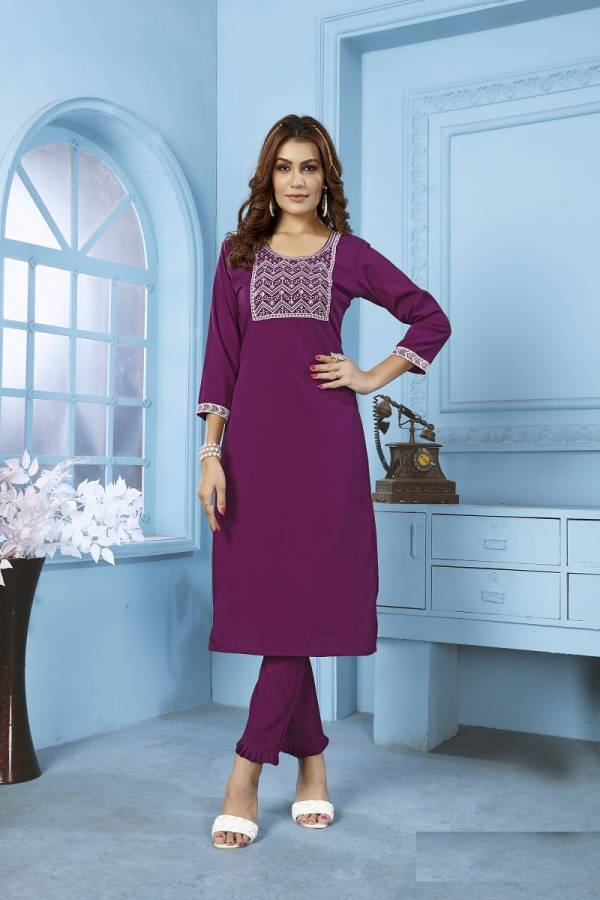
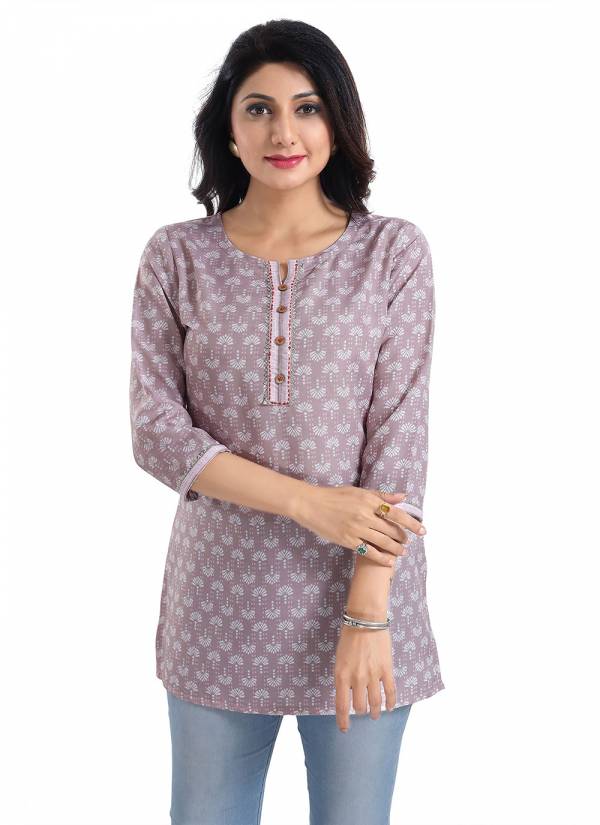
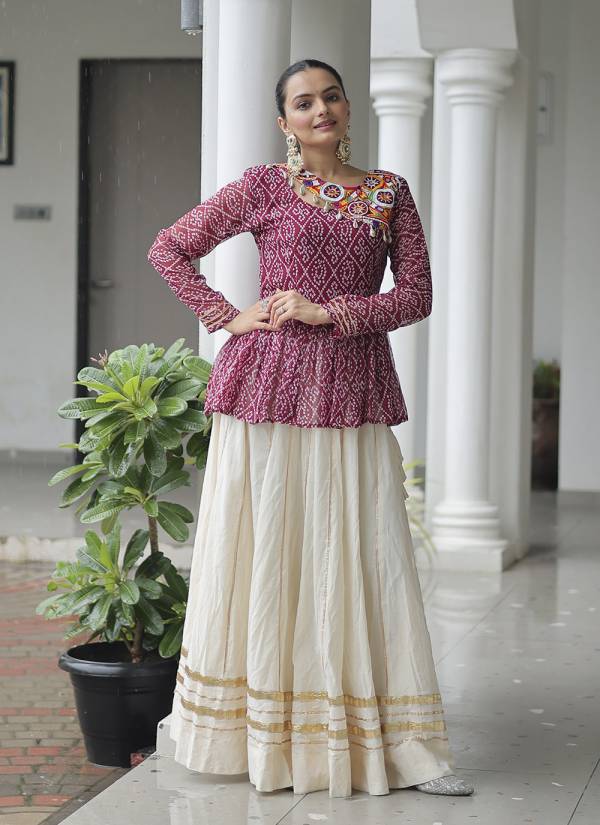
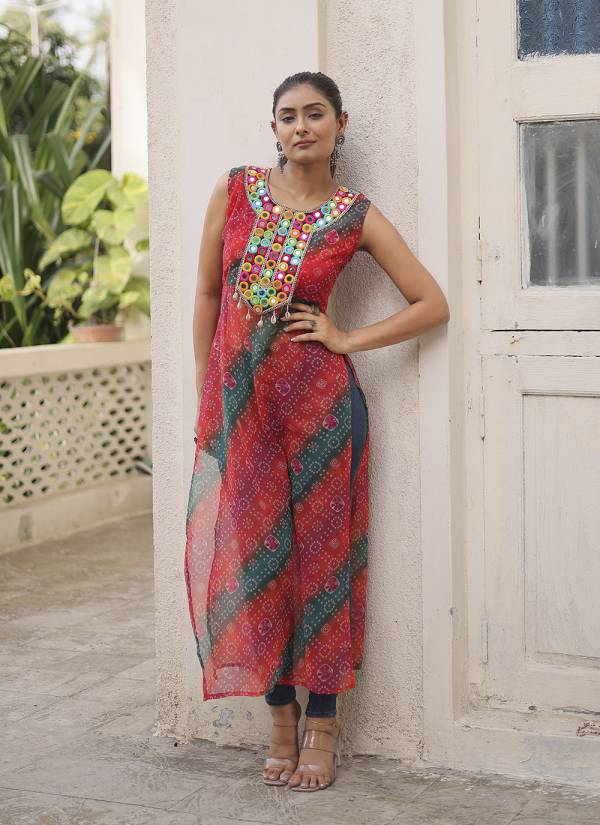
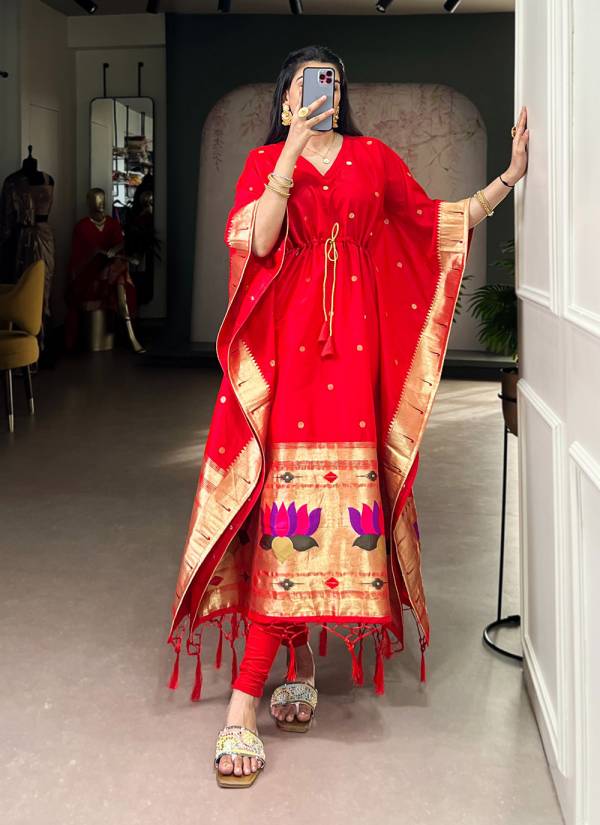
Our kurti programme covers the whole counter — the daily-wear rotation that sells twelve months a year and the occasion styles that spike with the festive calendar. The range runs from straight-cut daily kurtis in printed cotton and rayon through to designer embroidery-weight pieces, anarkali silhouettes and long kurtis that pair with palazzos for the two-piece merchandising story.
Bulk kurti programmes for Australia are cut from fabrics we develop specifically for the category — breathable base cloths, print surfaces that register sharp detail, and embroidery placements that survive repeated washing. Size sets run S-XXL with consistent grading, and every lot ships size-banded and shelf-ready.
What moves fastest in diaspora and export markets is the coordinated set story — kurti with bottom and dupatta as one buying decision. Those programmes are engineered as sets from the start: same dye lot across all three pieces, packaging that keeps the set together through the warehouse, and a price architecture the retailer can merchandise without reworking.
- Designer Kurtis — wholesale export range
- Cotton Kurtis — daily wear bulk programme
- Printed Kurtis — print cluster fresh collections
- Anarkali Kurtis — occasion silhouette range
- Rayon Kurtis — drape-led everyday range
- Georgette Kurtis — party wear programme
Fabrics behind the range
Kurtis are engineered fabric-first: the same silhouette reads casual or festive purely on what it is cut from. Our programmes run the full ladder —
Cotton from 80 GSM voile to 220 GSM canvas, on plain, twill, satin and dobby constructions. Silk from 40 GSM chiffon through 120 GSM dupion. The polyester and viscose families across their full weight range, chosen where drape and cost discipline matter more than fibre romance. Then the fashion registers — georgette, crepe, satin, velvet, organza, jacquard, brocade — each with its own GSM band and finishing behaviour that decides how the end garment actually performs.
Every programme we quote is built on a specified construction, not a fibre name. "Cotton fabric" tells a buyer nothing until the GSM, weave and finish are attached — which is why our quotations run on spec sheets, and why the sampling stage exists: your hand on the cloth beats any description we could write.
The Surat advantage — a short history
The saree and dress trade built this city before the export business did. Surat's weaving families supplied India's saree counters for generations — the zari work, the jacquards, the printed georgettes that moved by the million through wholesale halls around Ring Road. That domestic trade taught the cluster something export markets now benefit from: how to hold quality at volume, week after week, at price points real retailers can mark up.
When export demand arrived — Gulf fabric houses first, then diaspora boutiques in London, New Jersey and Nairobi, then the trade buyers of West Africa and Southeast Asia — the cluster simply aimed the same machinery at new specifications. Kandora shirting, abaya bases, kurti sets, hotel linen: the looms do not care what the end product is called; the discipline is in the GSM and the shade card.
What has not changed is the trading culture. Deals still close on trust and trial lots, reputations still travel by word of mouth through community networks, and a supplier who ships clean three times earns a buyer for a decade. That is the history we operate inside, and it is the honest reason a Surat desk can promise what bigger-sounding operations cannot: the person who quotes your order is the person accountable for it.
About Ajmera Export — the brand behind this page
Ajmera Export is a Surat-based textile and ethnic wear export house built around a simple operating rule: quote honestly, ship clean, and treat the reorder as the real product. The company runs a consolidated sourcing and finishing operation across the city's weaving, dyeing, printing and stitching clusters, which means a buyer deals with one desk — ours — instead of chasing five vendors through a supply chain they cannot see.
The range we manufacture and consolidate covers the full ethnic wardrobe — sarees, kurtis, lehengas, gowns, salwar and Pakistani suit programmes, menswear, kids ethnic — alongside home textile lines in towels and bedsheets, and the fabric yardage trade the city itself is famous for. Every programme is export-graded: shrinkage-tested, colourfastness-checked and packed to destination-market shelf standards.
What we ask of new buyers is the same thing we give them: straight answers. If a lead time is tight, we say so. If a construction will not hold the embroidery weight you want, we propose the one that will. Export relationships that start on candour tend to still be running five years later — and that is the only growth strategy this company has ever needed.
Why businesses choose us
- One accountable desk across weaving, dyeing, printing, embroidery, stitching and packing — no multi-vendor blame chains
- Strike-off approvals before every bulk run, so the shade you sign is the shade that ships
- Lot-level shade and GSM discipline with archived specs on file for every buyer programme
- MOQ structures designed for growing buyers — scale up without renegotiating the relationship
- Private labelling, retail-ready packing and destination-market documentation handled in-house
Start your first order
The practical first step is a sample conversation. Tell us the products or fabric constructions you are evaluating, the volumes you realistically expect to place, and the delivery window you are planning against. We come back with a development plan: what we sample first, what the strike-off timeline looks like, and how the first order can start small enough to be comfortable and still hold production priority.
Every long programme we run today began exactly this way — one enquiry, one sample lot, one clean shipment, then a season calendar. The form on this page or a WhatsApp message both reach the same desk, and both get an answer from someone who can check your question on the production floor the same day.
Frequently Asked Questions
What is the MOQ for wholesale kurtis for Australia?
Most of our kurtis export orders start at 20–50 pieces per design mixed across sizes and colours. Bridal and premium lines run on smaller MOQs with higher per-piece work, while daily-wear volume programmes need larger commitments for the pricing to work. Send your quantity range and we will structure the order around it.
How long does shipping to Australia take?
Sea freight runs 3–4 weeks to Sydney and Melbourne; air freight for festival windows. Documentation and packing prepared to Australian import standards.
Can you handle private label for our Australia store?
Yes — private label tagging, custom packaging inserts and barcoded labels are routine for our Australia buyers. Share your label artwork and packaging spec at order confirmation and we handle the rest before dispatch.
Do you carry sizes suited to Australia customers?
Featured Range
Products for Australia