
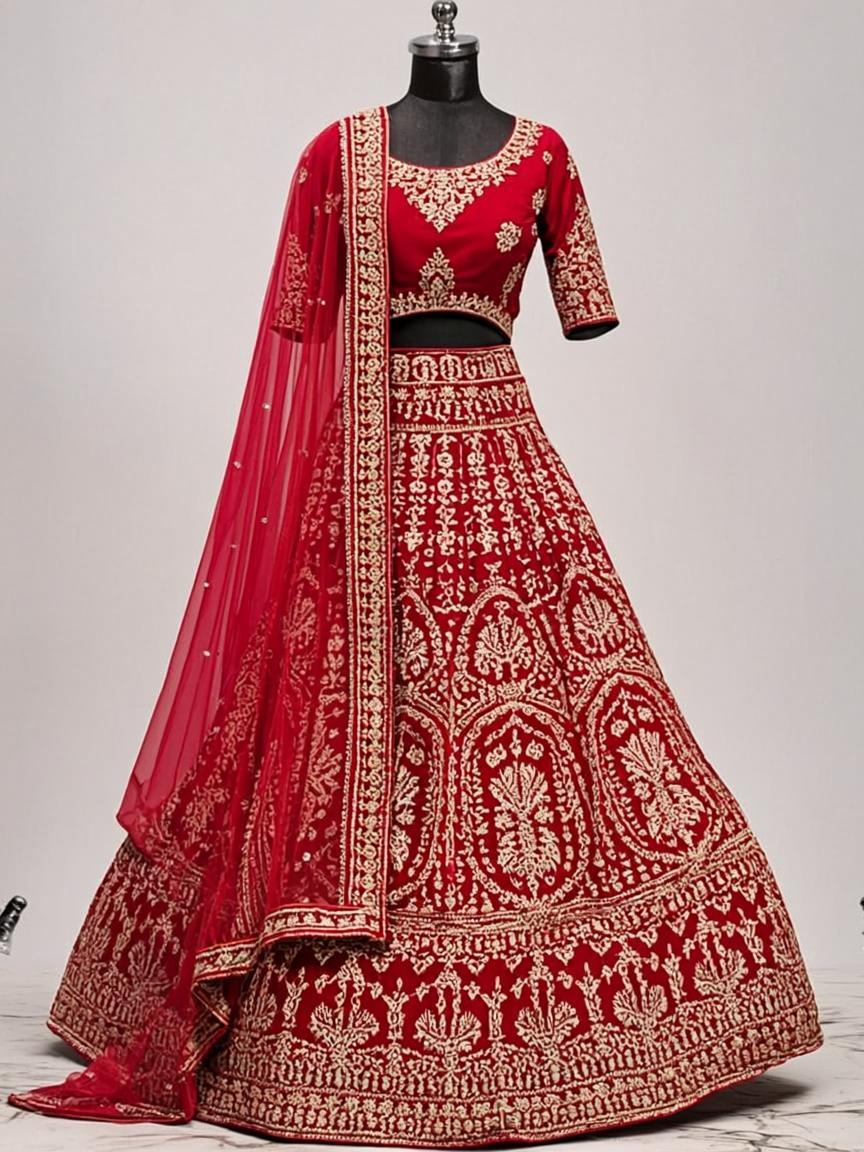
Lehenga Manufacturer in Surat — Bridal & Wedding Supply
Bridal lehengas with in-house zardozi, sequin and stone work — mill-direct from Surat with pan-India dispatch and export-grade documentation.
Bridal lehengas with in-house zardozi, sequin and stone work — mill-direct from Surat with pan-India dispatch and export-grade documentation.
The bridal lehenga trade quietly centres on Surat — the embroidery units, the zardozi karigars and the fabric mills all sit within a few kilometres, which is how a confirmed bridal order can move from fabric to finished lehenga in weeks rather than months.
The process is deliberately simple: enquiry, catalogue and pricing, sample confirmation, then production and dispatch. Domestic buyers get GST invoicing and transport via our logistics partners to every Indian city; export buyers get the full documentation chain. Either way, one desk handles the order from first message to delivery.
Wholesalers, semi-wholesalers, boutique owners, online sellers and institutional buyers across India and 30+ export markets. The minimums stay realistic for first-time buyers and the pricing stays honest for large-volume programmes — that balance is why most of our buyers are repeat buyers.
Tell us your category, quantity range and city — we will respond with the catalogue, indicative pricing and dispatch timelines. Serious buyers can see samples or visit our Surat unit; the door is genuinely open.
First orders on this programme typically run 20–50 pieces per design mixed across sizes and colours for garments, or 500–1,000 metres per shade for fabric — sized so a India buyer tests the market without warehousing a season. Samples of shortlisted pieces ship on a courier account, with sample costs adjusted against the first bulk order. Video walk-throughs of current stock run on appointment, which is how most of our long-distance buyers shortlist before any cutting travels.
Repeat programmes are where the pricing and the allocation improve: reserved production slots, shade standards held on file, and dispatch calendars planned against India retail windows rather than mill convenience.
The lehenga programme serves the wedding-shelf economics of India retail — bridal lehengas that anchor the store's reputation, wedding-guest pieces that carry the volume, and party-wear lehengas that keep the category moving between wedding seasons. Silhouettes run from classic A-line and flared bridal cuts through indo-western fusion styles and lighter occasion pieces.
Bridal-weight programmes are engineered around structure: canvas and taffeta bases that hold shape, hem weights that fall correctly, and embroidery executed by karigar units we work with long-term. Party-weight pieces trade structure for drape and price accessibility — the tier that actually reorders every season.
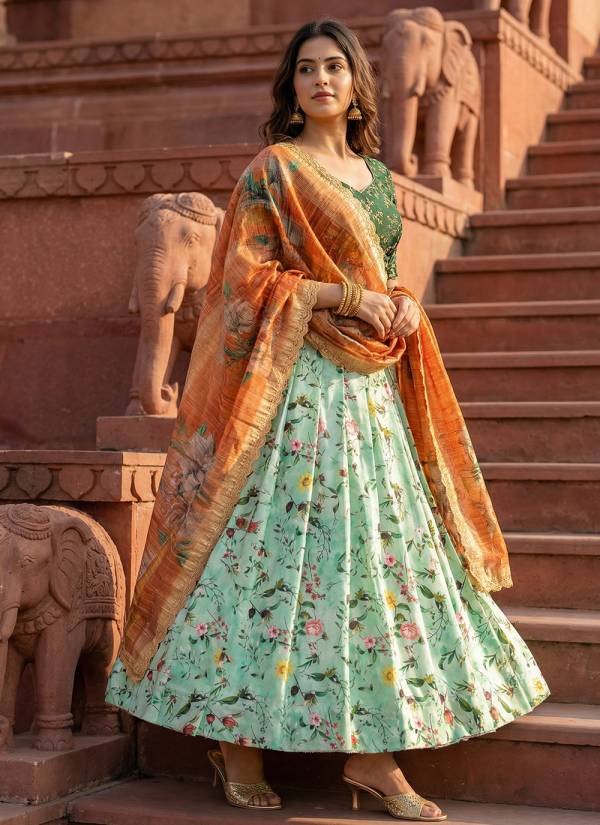
Every lehenga ships as a complete set story — choli, lehenga and dupatta matched from the same dye lot, finished and packed so the box opening at the boutique matches the catalogue photograph. Bulk programmes tier cleanly: trial lots for new buyers, season-sized runs for established counters.
Lehenga construction is structure-first — the fabric decides whether the silhouette holds through a full function:
Fabric selection is where programme economics are actually decided — the difference between a 90 GSM and a 120 GSM base changes drape, cost structure, shipping weight and the price tier the finished product can hold. Our role is to make that selection explicit rather than accidental: spec sheets with weight, weave, width and finish on every quotation, samples that match the bulk spec exactly, and lot documentation that lets your QC team verify against the same numbers we shipped against.
The clusters behind this programme weave, dye, print, embroider and finish in the same industrial ring — which is why development moves in days and corrections move faster. That proximity is the quiet advantage behind every fabric programme we run.
The saree and dress trade built this city before the export business did. Surat's weaving families supplied India's saree counters for generations — the zari work, the jacquards, the printed georgettes that moved by the million through wholesale halls around Ring Road. That domestic trade taught the cluster something export markets now benefit from: how to hold quality at volume, week after week, at price points real retailers can mark up.
When export demand arrived — Gulf fabric houses first, then diaspora boutiques in London, New Jersey and Nairobi, then the trade buyers of West Africa and Southeast Asia — the cluster simply aimed the same machinery at new specifications. Kandora shirting, abaya bases, kurti sets, hotel linen: the looms do not care what the end product is called; the discipline is in the GSM and the shade card.
What has not changed is the trading culture. Deals still close on trust and trial lots, reputations still travel by word of mouth through community networks, and a supplier who ships clean three times earns a buyer for a decade. That is the history we operate inside, and it is the honest reason a Surat desk can promise what bigger-sounding operations cannot: the person who quotes your order is the person accountable for it.
The desk behind this page answers its own enquiries — no agent layer, no trading-company blur. When you message Ajmera Export about a programme, the reply comes from someone who can walk onto the production floor the same afternoon and check the detail you asked about. That directness is unusual in international textile trade, and it is the main reason buyers who start with a trial lot tend to still be with us years later.
Our programmes span the ethnic wear wardrobe — women's, men's and kids — the home textile line in towels and bedding, and the fabric trade that Surat's mills are globally known for. Development happens fast because the clusters are local: sampling in days, strike-offs within the week, production slotted honestly against real capacity rather than optimistic promises.
Commercially, we keep the structure simple: MOQs that respect where a buyer is today rather than where a supplier wishes they were, private labelling available from the first order, and a claims process that resolves on evidence instead of argument. The result our buyers care about — the one we build everything around — is that the reorder looks exactly like the approval sample, every time.
Start the way most of our long-term buyers did: send one enquiry with what you stock today and where you want to take the programme. We reply with constructions or styles that fit your shelf, a counter-sample plan, and MOQ levels matched to your current volumes. Samples ship within days, approvals happen on your timeline, and the first production slot is booked the day you sign the strike-off.
The enquiry form on this page reaches the export desk directly, and WhatsApp works just as well for buyers who prefer trading-floor speed. Either way, the conversation that follows is a working one — spec, quantity, lead time, packing — not a brochure exchange.
Yes — buyers are welcome at our Surat facility with a prior appointment. Most domestic buyers combine a visit with a market round in Surat's textile districts; we will coordinate so you see both our unit and the wider market context.
Domestic orders run on standard GST invoicing with advance or against-pro-forma terms for first orders, relaxing as the relationship builds. Export orders follow the standard advance/LC structures.
Yes — we dispatch nationwide through trusted transport partners, with typical transit of 2–5 days to most metros and 5–8 days to smaller towns.
Featured Range
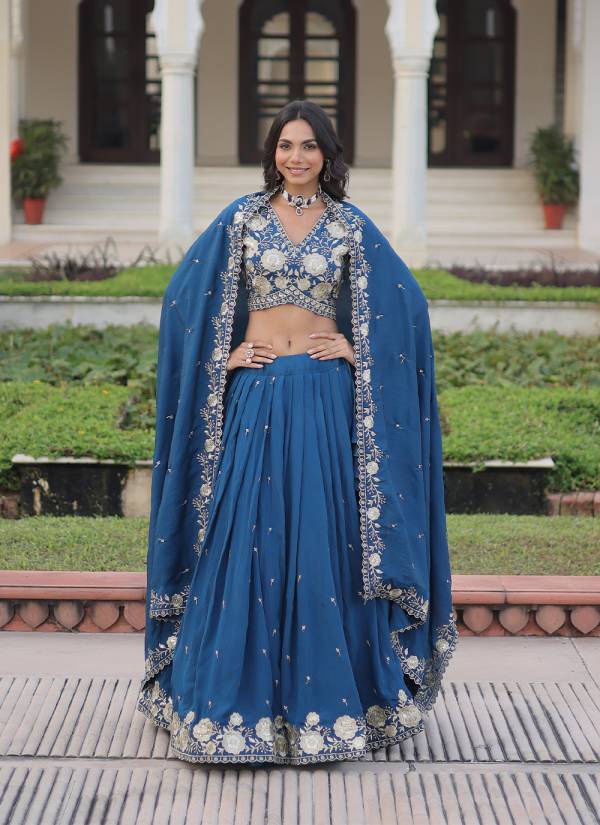
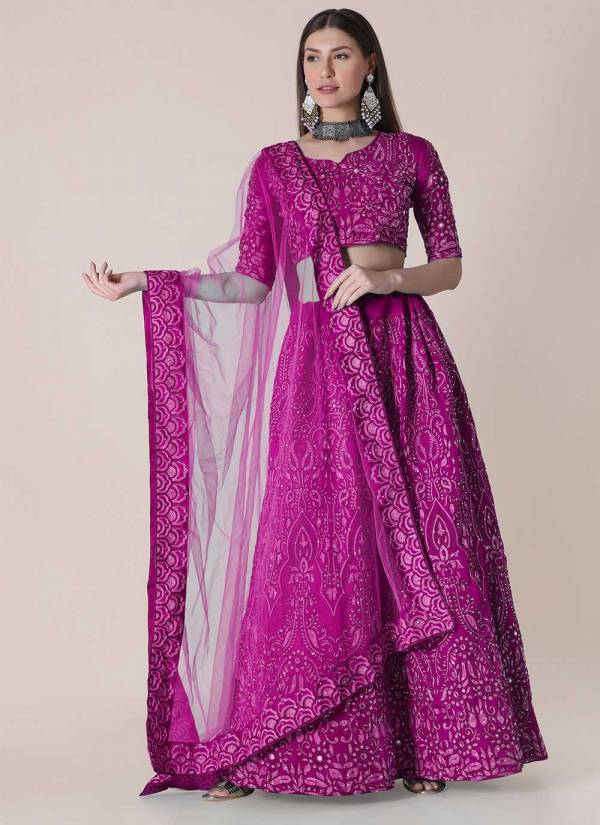
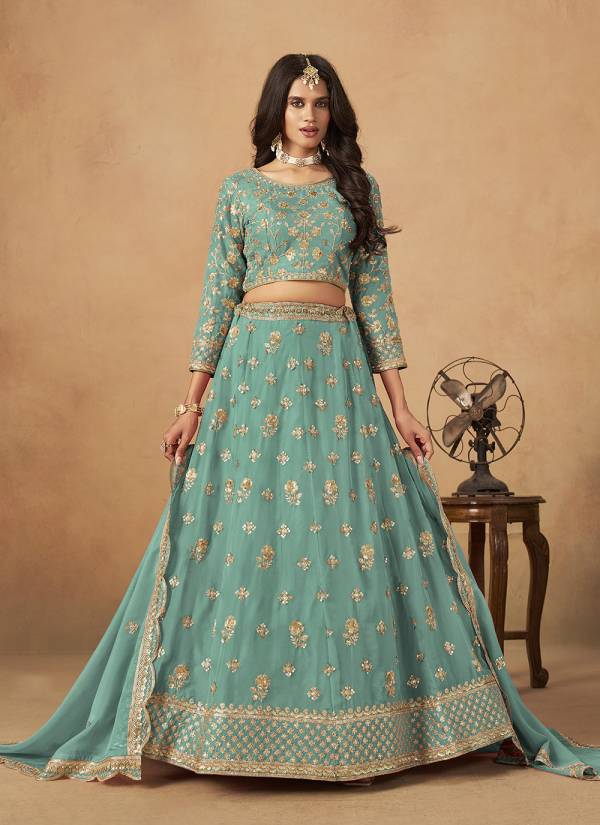
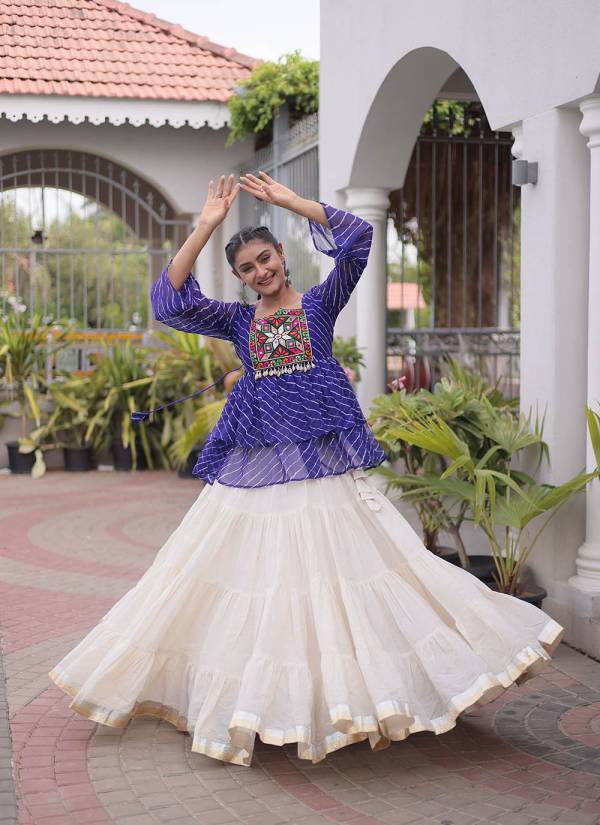
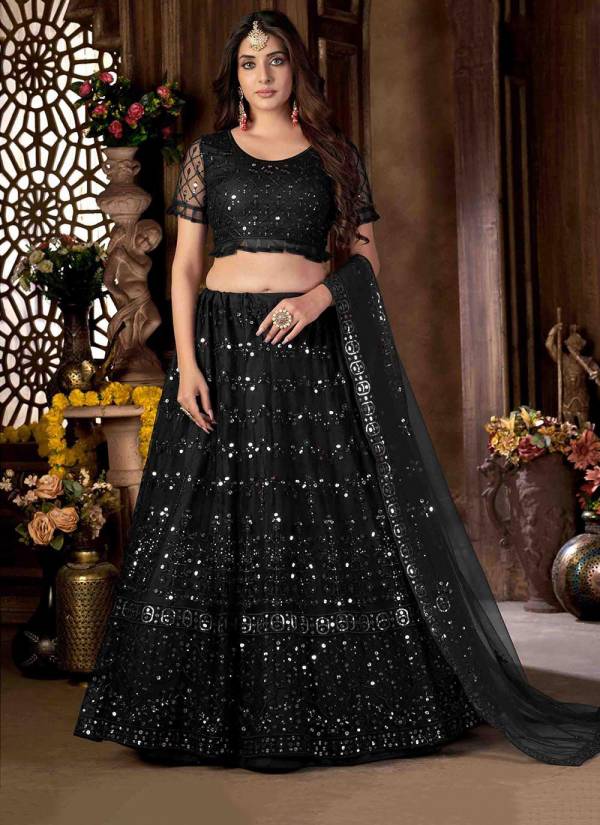
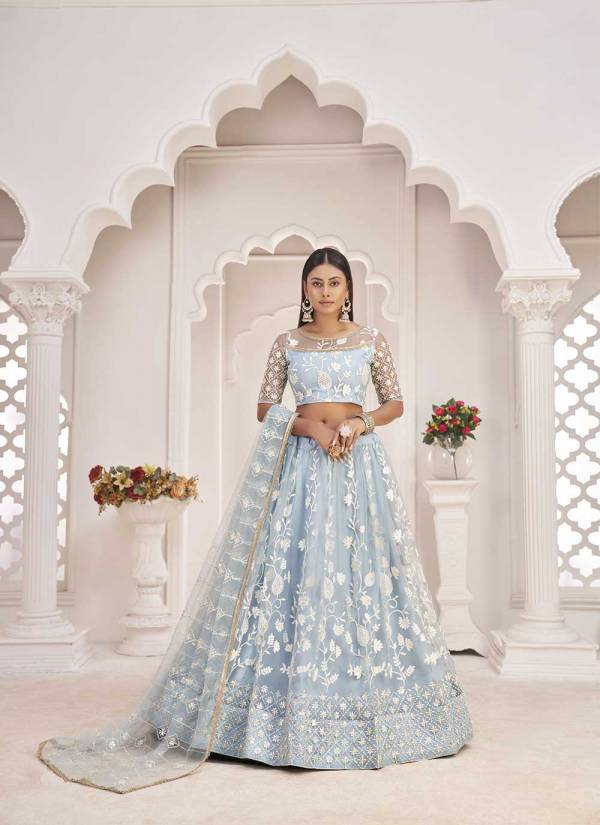
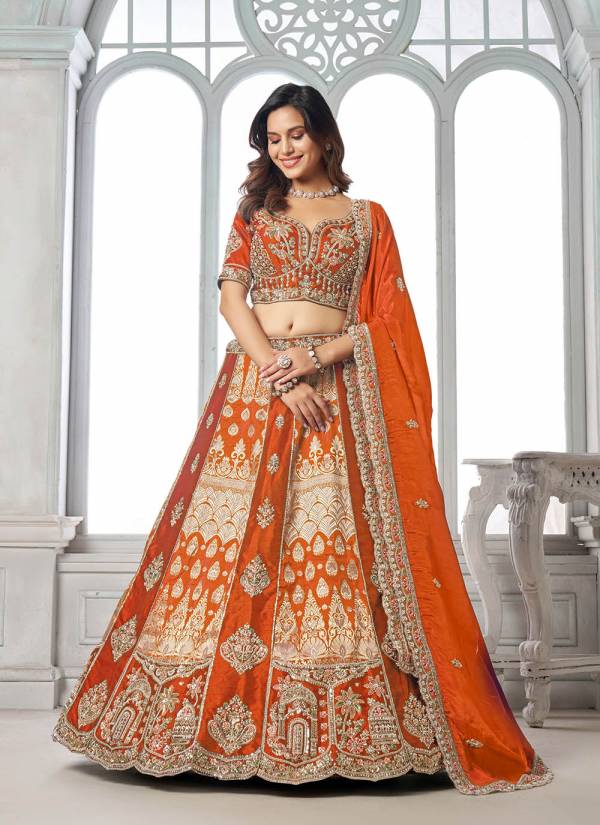
Mixed-lot minimums keep first orders accessible — typically 20–50 pieces per design for garments and 500+ metres for fabric programmes. We structure the lot to your shelf, not the other way round.
Selective exclusivity is possible for confirmed seasonal programmes — discuss your market and volumes with our desk and we will structure a sensible arrangement.
Bridal pieces run structured — canvas or taffeta bases with heavy embroidery that holds shape through a full function day. Party-weight lehengas use georgette, net and lighter nets for movement at accessible price tiers. We build both tiers because counters need the anchor piece and the reorder engine in the same programme.
Yes — choli, lehenga and dupatta are cut from coordinated lots and packed as one unit. The set opens at your counter exactly as it photographs in our catalogue, with no shade surprises between pieces.
Custom bridal development is a programme we run regularly — send references or a design brief and our karigar network produces samples for approval. Custom work follows the same discipline as stock programmes: approved sample first, bulk only after your sign-off.
Every lot passes a four-point inspection — fabric checking on the greige, in-line checks during stitching, a pre-packing audit and a final AQL sampling before cartons are sealed. The report travels with your shipment so your team can verify against the same checklist we used on our floor.
Yes. Send us a physical swatch or a Pantone reference and our dyeing floor matches it on the actual base fabric before bulk production starts. You approve a strike-off, and only then does the lot run — that approval trail is what keeps reorders consistent.