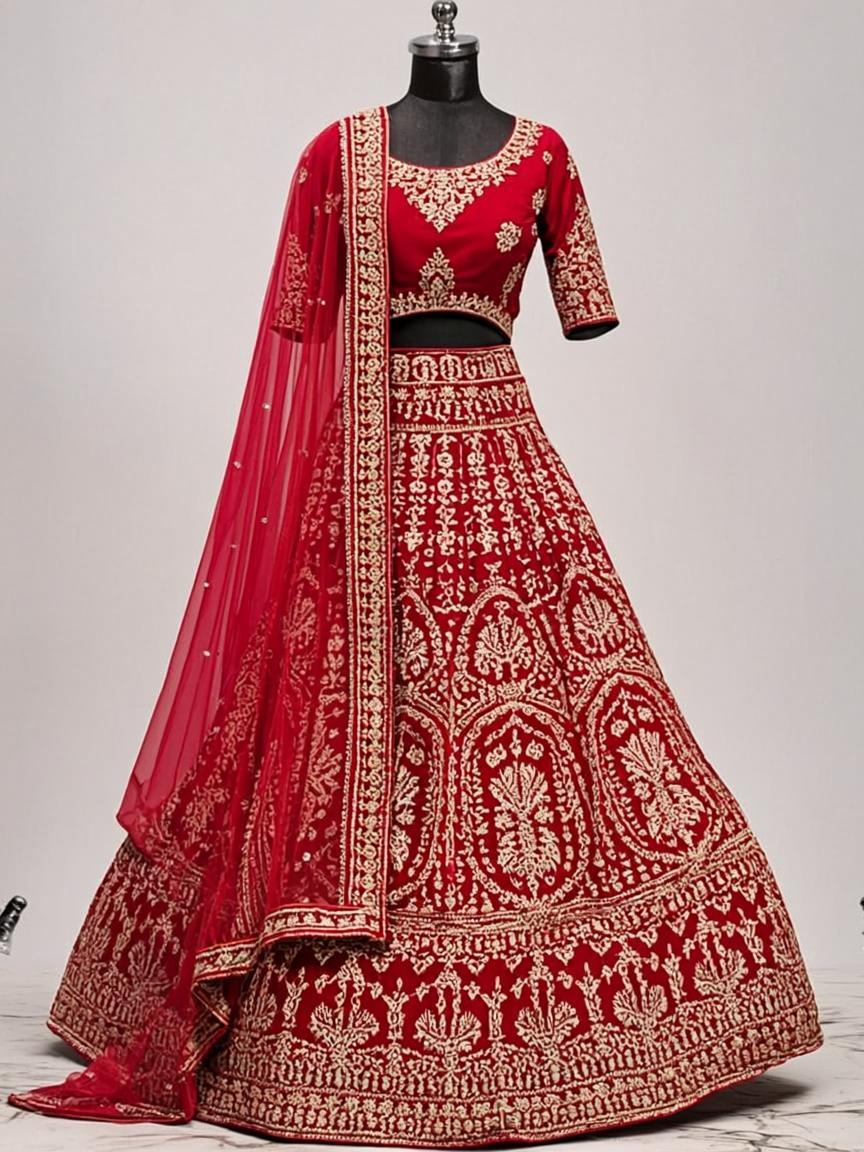
Lehengas Wholesale Supplier in Canada — Export from Surat
Lehengas manufactured in Surat and shipped to Toronto, Brampton, Vancouver, Calgary and Montreal — mixed lots, private label and festival-ready supply windows for Canada retailers and boutiques.
The Canadian wedding season is intense and compressed — lehenga buyers around Toronto and Vancouver place their season orders months ahead, then rely on fast replenishment for the sizes and colours that over-perform.
We manufacture and export lehengas from Surat to Canada, working with Brampton and Toronto ethnic retailers, bridal boutiques, e-commerce sellers and multicultural mall stores. Kurtis, silk sarees, Pakistani suits, bridal lehengas and warm-weight suits sell year-round with peaks before Diwali and the summer wedding season.
What our Canada buyers order
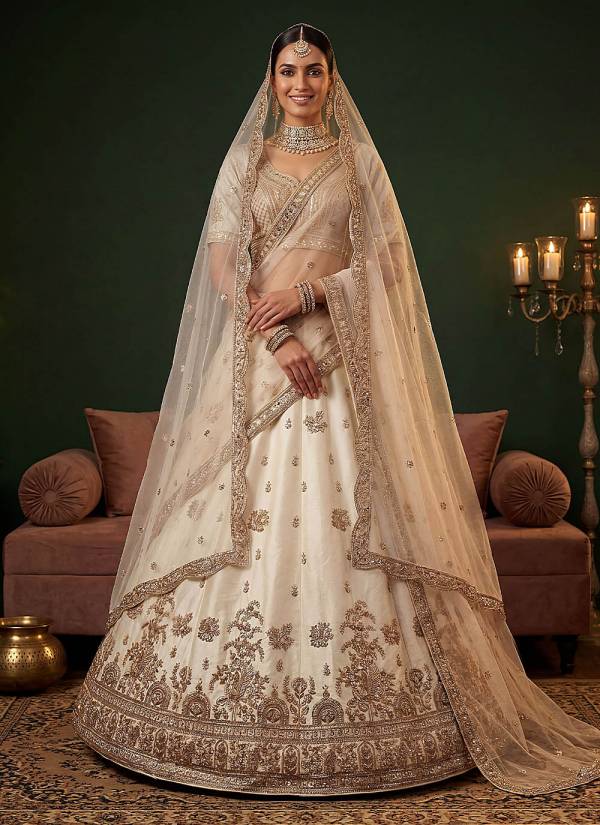
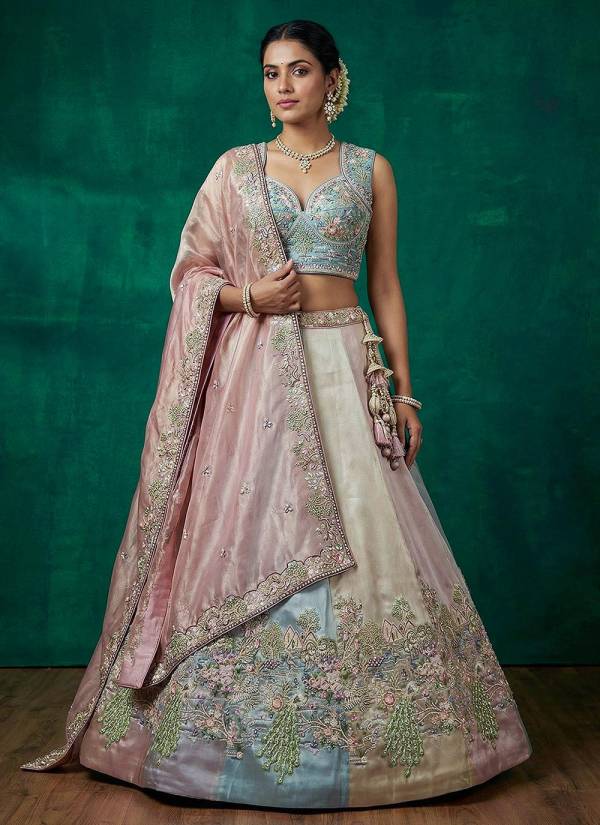
- Bridal lehengas with heavy zardozi and sequin work
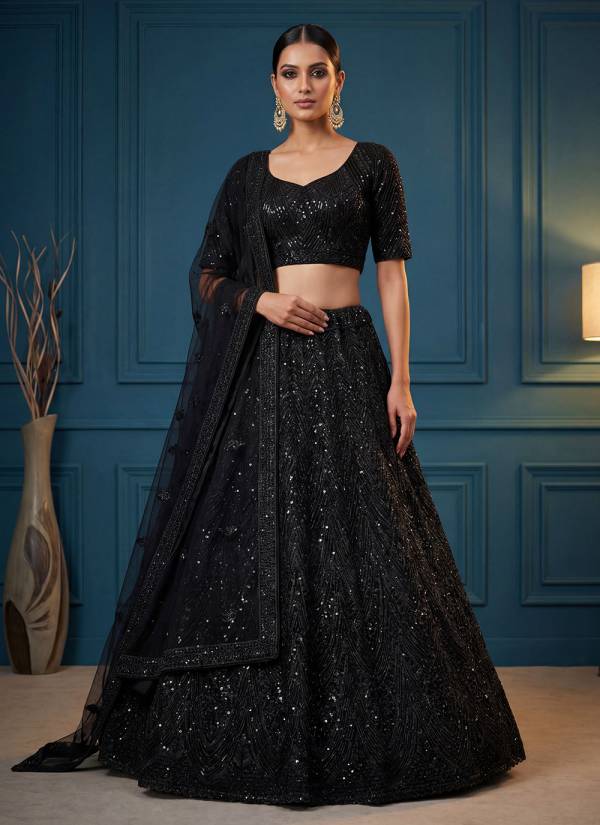
- Reception-weight lehengas for the multi-event season
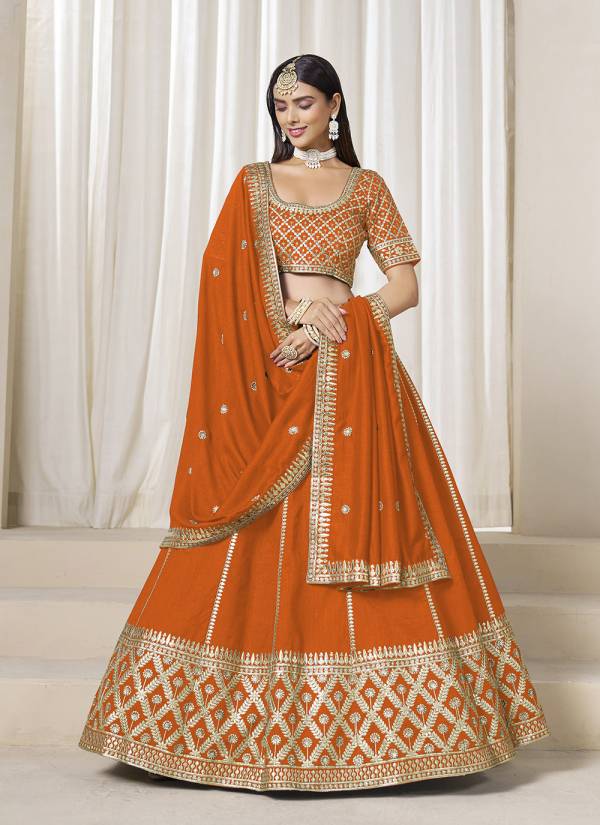
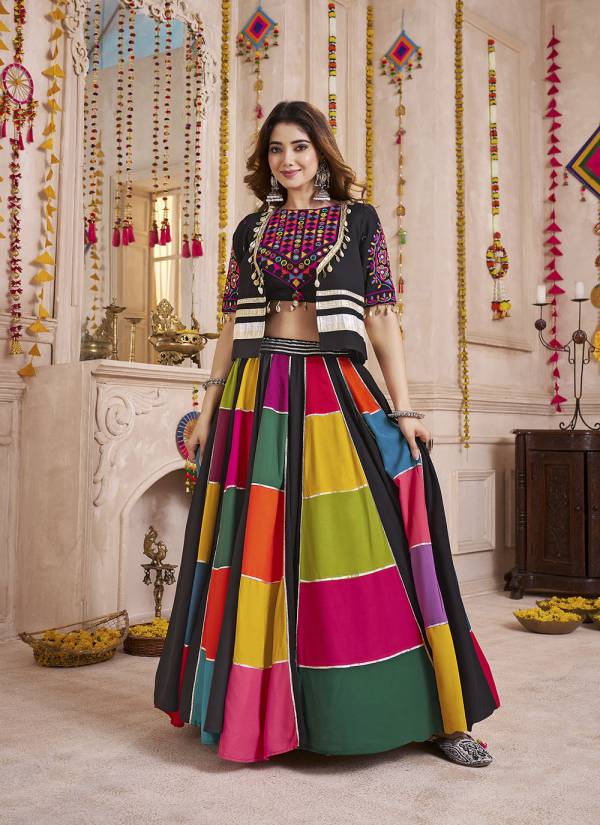
- Navratri and festival lehengas in colour-coordinated lots
- Custom-size bridal orders with studio-ready finishing
Why Canada buyers stay with us
- Mixed-lot ordering — sizes, colours and designs combined to reach viable MOQs without over-buying any single style
- Festival calendar planning — production slots reserved ahead of Diwali, Vaisakhi, Eid and the May–September wedding season
- Private-label ready — your tags, your packaging inserts, your barcodes
- Photography-friendly finishing — pieces arrive pressed and shelf-ready, cutting your content-creation time
- Canada concentrates its ethnic retail around the GTA and Brampton, with a strong Vancouver second market — buyers there plan around a shorter festival calendar and expect winter-appropriate fabric weights.
Shipping to Canada
Sea freight runs 5–7 weeks via Montreal or Vancouver; air freight for festival reorders. We handle cold-weather packing standards and full documentation.
Start with an enquiry
Tell us your product mix, quantity range and target season — our export desk responds with availability, indicative pricing and a realistic dispatch date. We would rather quote honestly and win the reorder than over-promise and lose your trust.
MOQs, samples and how a first order runs
First orders on this programme typically run 20–50 pieces per design mixed across sizes and colours for garments, or 500–1,000 metres per shade for fabric — sized so a Canada buyer tests the market without warehousing a season. Samples of shortlisted pieces ship on a courier account, with sample costs adjusted against the first bulk order. Video walk-throughs of current stock run on appointment, which is how most of our long-distance buyers shortlist before any cutting travels.
Repeat programmes are where the pricing and the allocation improve: reserved production slots, shade standards held on file, and dispatch calendars planned against Canada retail windows rather than mill convenience.
Why buyers consolidate with one Surat desk
- One supplier across the full range — fabrics, garments, kids and menswear under one accountable desk
- One documentation chain instead of five — invoice, packing list and certificate of origin prepared together
- Mixed consignments so a full season programme ships in one container, cutting per-piece landed cost
- A reorder desk that keeps programme history, so a single message re-triggers your standard mix
- Export experience across 30+ countries applied to every Canada consignment
Lehenga collections we manufacture and export
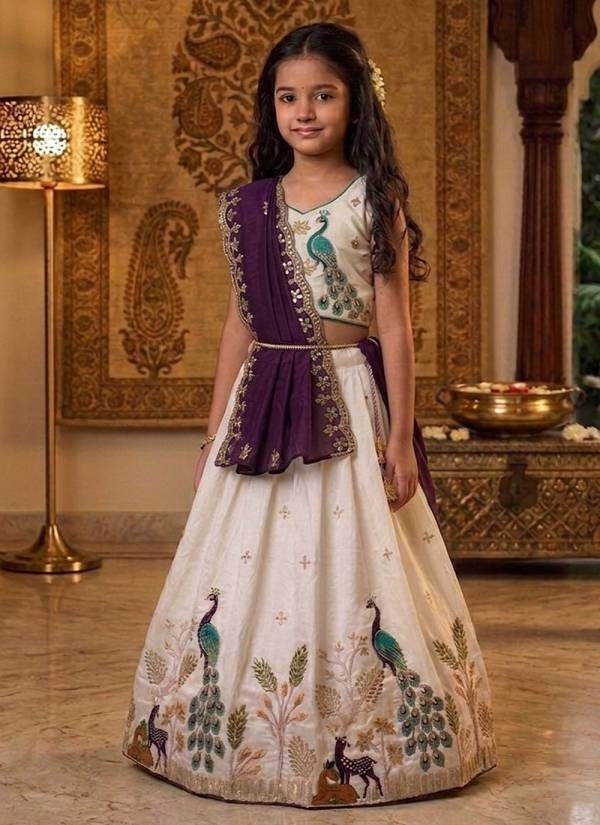
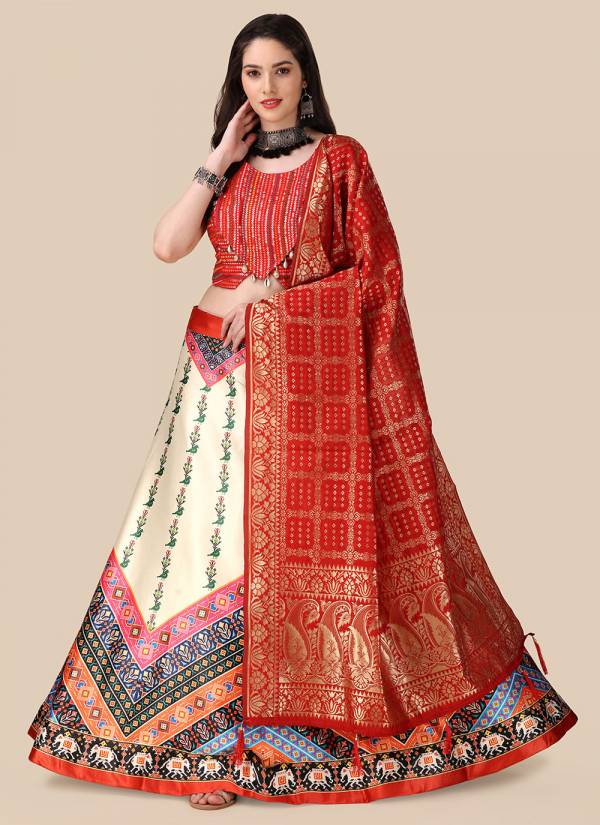
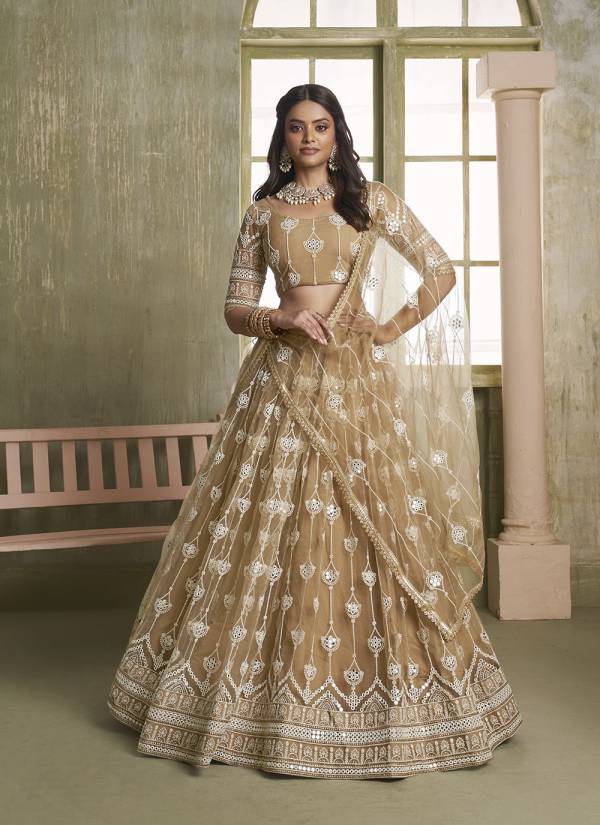
The lehenga programme serves the wedding-shelf economics of Canada retail — bridal lehengas that anchor the store's reputation, wedding-guest pieces that carry the volume, and party-wear lehengas that keep the category moving between wedding seasons. Silhouettes run from classic A-line and flared bridal cuts through indo-western fusion styles and lighter occasion pieces.
Bridal-weight programmes are engineered around structure: canvas and taffeta bases that hold shape, hem weights that fall correctly, and embroidery executed by karigar units we work with long-term. Party-weight pieces trade structure for drape and price accessibility — the tier that actually reorders every season.
Every lehenga ships as a complete set story — choli, lehenga and dupatta matched from the same dye lot, finished and packed so the box opening at the boutique matches the catalogue photograph. Bulk programmes tier cleanly: trial lots for new buyers, season-sized runs for established counters.
- Bridal Lehengas — the flagship shelf
- Wedding Lehengas — guest and family pieces
- Designer Lehengas — signature work range
- Party Wear Lehengas — volume tier
- Indo-Western Lehengas — fusion programme
Fabrics behind the range
Lehenga construction is structure-first — the fabric decides whether the silhouette holds through a full function:
Fabric selection is where programme economics are actually decided — the difference between a 90 GSM and a 120 GSM base changes drape, cost structure, shipping weight and the price tier the finished product can hold. Our role is to make that selection explicit rather than accidental: spec sheets with weight, weave, width and finish on every quotation, samples that match the bulk spec exactly, and lot documentation that lets your QC team verify against the same numbers we shipped against.
The clusters behind this programme weave, dye, print, embroider and finish in the same industrial ring — which is why development moves in days and corrections move faster. That proximity is the quiet advantage behind every fabric programme we run.
The Surat advantage — a short history
Ask any Indian textile trader where the country's fabric decisions get made, and the answer is a Surat trading floor, not a boardroom in Mumbai. The city handles a volume of polyester filament fabric that ranks among the largest concentrations of man-made textile production anywhere in the world, and the numbers translate into something a buyer feels directly: faster development, faster sampling, faster correction.
The cluster grew in layers. Weaving came first, then process houses for dyeing and printing, then embroidery units importing multi-head machines, then stitching units and finally the export consolidation logistics that now move thousands of cartons a week through Nhava Sheva and the air cargo terminals. Each layer sharpened the one before it — printers learned what weavers could hold, embroiderers learned what printers could register.
That layered competence is why a buyer sourcing from Surat gets options rather than constraints: if one construction does not hit the spec, three alternative looms are within reach of a phone call. We write our pages from inside that network, and the history behind it is really an argument about why the location itself works in your favour.
About Ajmera Export — the brand behind this page
Behind this page is a Surat export desk that has spent years learning what international buyers actually get judged on by their own customers. Landed-cost surprises kill retail margins. Late festival arrivals kill a whole season's plan. A shade drift between the sample and the bulk kills trust permanently. Our systems are built backwards from those three failure points.
Ajmera Export consolidates manufacturing and finishing across Surat's clusters into programmes that behave predictably: approved strike-offs before bulk runs, lot-level shade discipline, staged quality inspections with reports that travel with the shipment, and documentation packs that clear customs without follow-up. The desk runs on MOQ structures that let smaller buyers grow into larger ones without renegotiating the relationship each time.
We are a family-trade company in a city where that still means something — the reputation economics of a close-knit merchant community apply. Shortchange a buyer once and three others hear about it at the next trade sit-down. That pressure suits us fine, because the way we work anyway is the way that pressure enforces: honest specs, honest timelines, honest claims handling.
Why businesses choose us
- One accountable desk across weaving, dyeing, printing, embroidery, stitching and packing — no multi-vendor blame chains
- Strike-off approvals before every bulk run, so the shade you sign is the shade that ships
- Lot-level shade and GSM discipline with archived specs on file for every buyer programme
- MOQ structures designed for growing buyers — scale up without renegotiating the relationship
- Private labelling, retail-ready packing and destination-market documentation handled in-house
Start your first order
Start the way most of our long-term buyers did: send one enquiry with what you stock today and where you want to take the programme. We reply with constructions or styles that fit your shelf, a counter-sample plan, and MOQ levels matched to your current volumes. Samples ship within days, approvals happen on your timeline, and the first production slot is booked the day you sign the strike-off.
The enquiry form on this page reaches the export desk directly, and WhatsApp works just as well for buyers who prefer trading-floor speed. Either way, the conversation that follows is a working one — spec, quantity, lead time, packing — not a brochure exchange.
Frequently Asked Questions
What is the MOQ for wholesale lehengas for Canada?
Most of our lehengas export orders start at 20–50 pieces per design mixed across sizes and colours. Bridal and premium lines run on smaller MOQs with higher per-piece work, while daily-wear volume programmes need larger commitments for the pricing to work. Send your quantity range and we will structure the order around it.
How long does shipping to Canada take?
Sea freight runs 5–7 weeks via Montreal or Vancouver; air freight for festival reorders. We handle cold-weather packing standards and full documentation.
Can you handle private label for our Canada store?
Yes — private label tagging, custom packaging inserts and barcoded labels are routine for our Canada buyers. Share your label artwork and packaging spec at order confirmation and we handle the rest before dispatch.
Do you carry sizes suited to Canada customers?
Featured Range