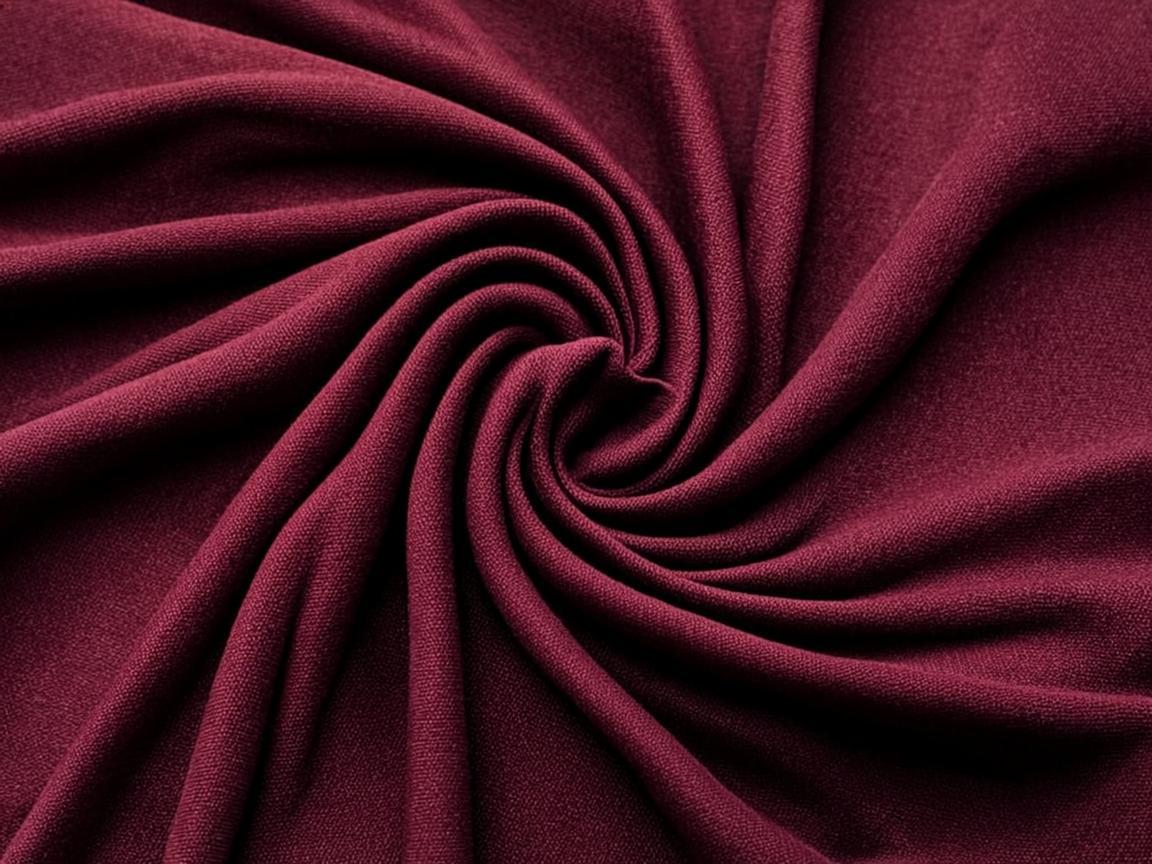
Rayon Fabric Supplier in Saudi Arabia — Bulk Export from Surat
Mill-direct rayon fabric supply for Riyadh and Jeddah fabric housess — 60 GSM challis to 140 GSM twill, custom finishing and full export docs via Jeddah Islamic Port and King Abdulaziz Port in Dammam.
If you have been sourcing rayon fabric for Saudi Arabia for a while, you already know the fabric is rarely the problem — the problems live in shade drift between lots, lead times that stretch when the season peaks, and paperwork that stalls at customs while your shelf waits. That is the gap this page exists to close.
Our rayon programme rides on Surat’s print cluster, where digital and rotary floors turn around new colourways in days rather than the weeks importers expect.
Why Saudi Arabia buyers source rayon fabric from Surat
Rayon prints are the quiet volume line for Gulf boutiques serving Asian and African customers — the hand-feel reads premium while the cost structure survives retail markup.
- Consignment sizes that fit real Saudi Arabia businesses — from trial lots to full season volumes
- Shading and GSM held stable across repeat orders so production never re-adjusts mid-season
- Direct-from-mill pricing without the two layers of trader padding
- Documentation for Jeddah Islamic Port and King Abdulaziz Port in Dammam clearance prepared in-house
What we weave and supply
Our rayon fabric programme covers the constructions Saudi Arabia buyers order most, and each can be customised — width, GSM, finish and shade — to match your production line.
- Weight range: 60 GSM challis to 140 GSM twill
- Constructions: plain, challis and crepe constructions
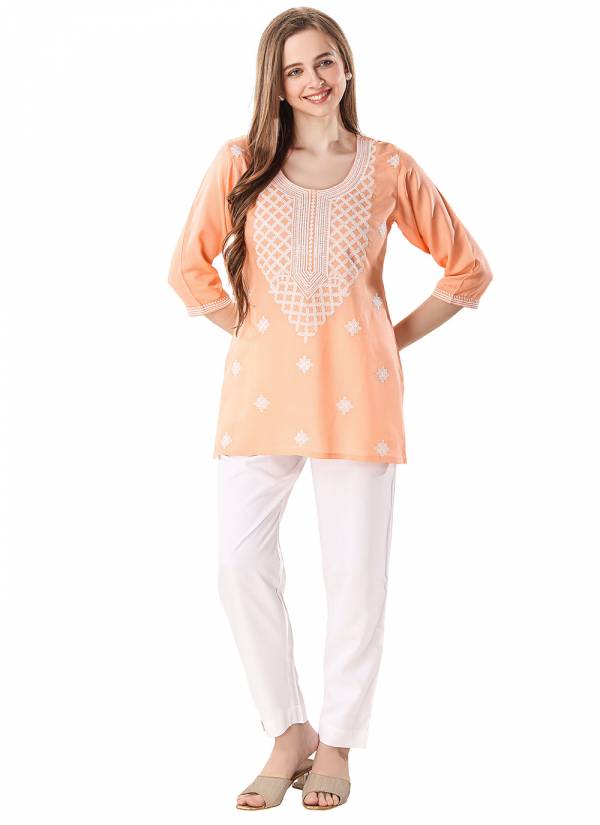
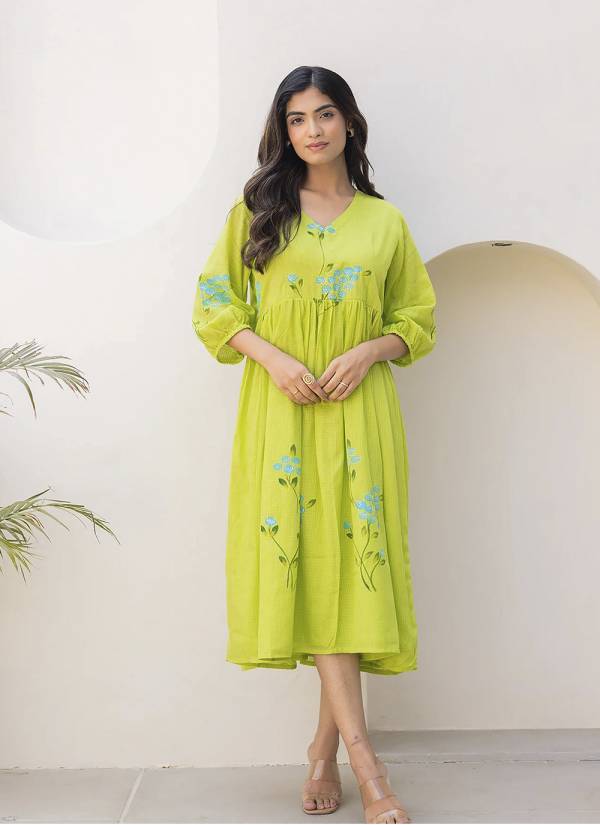
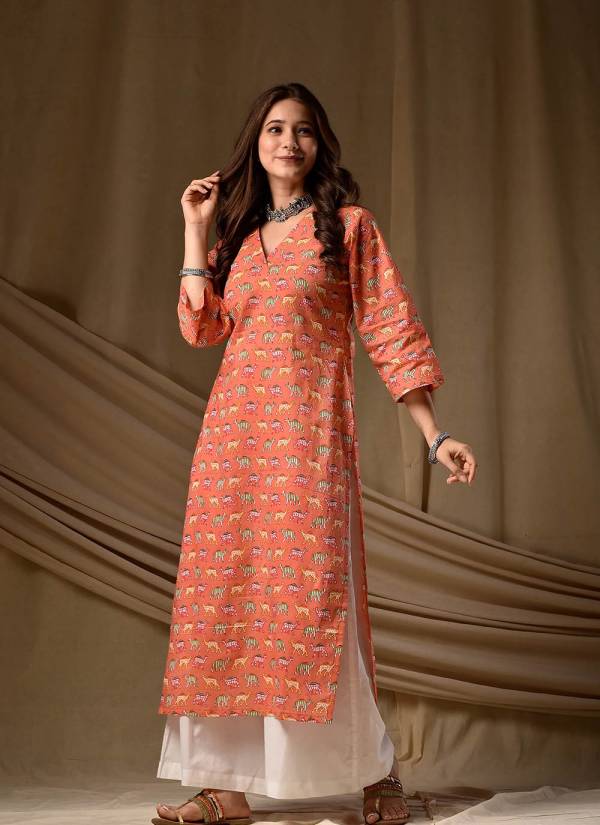
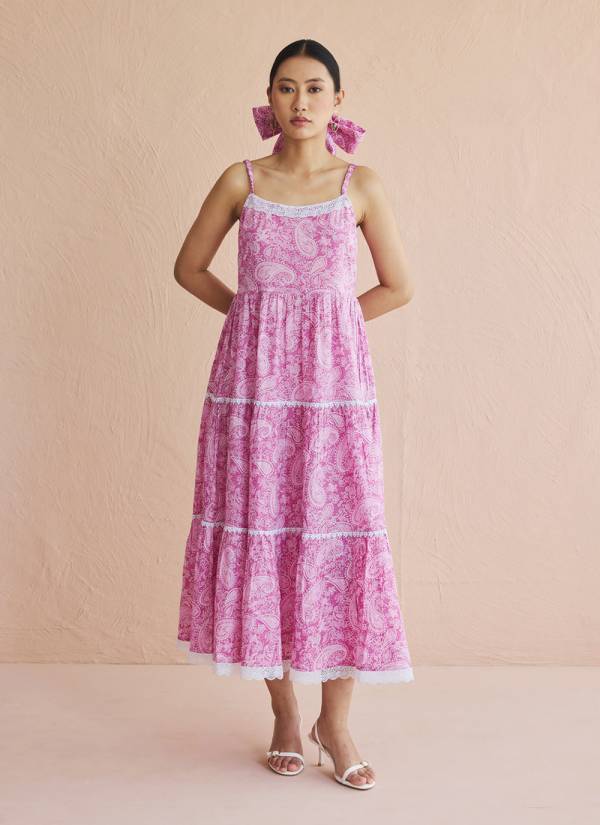
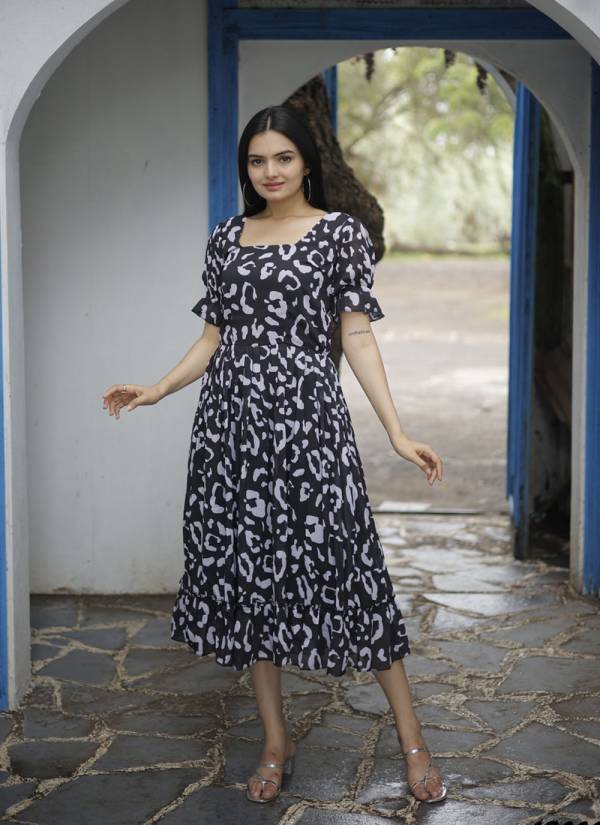
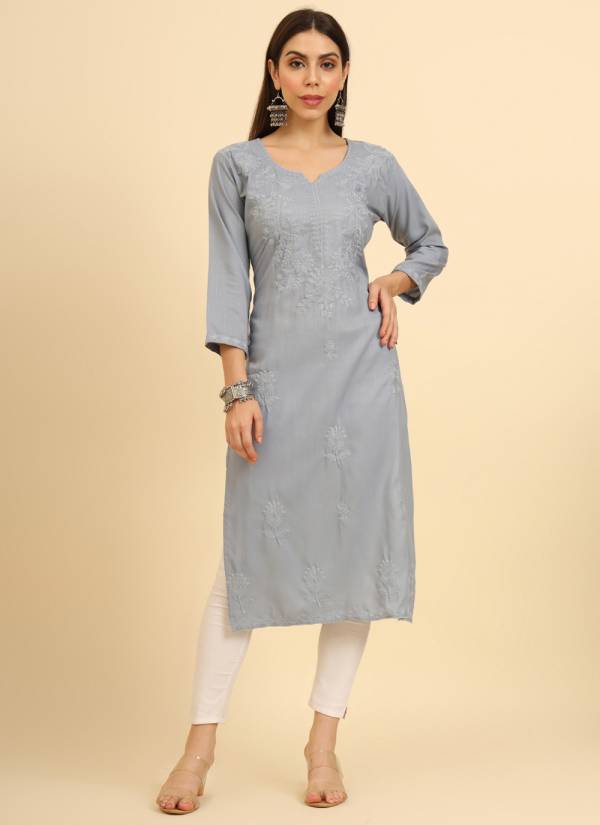
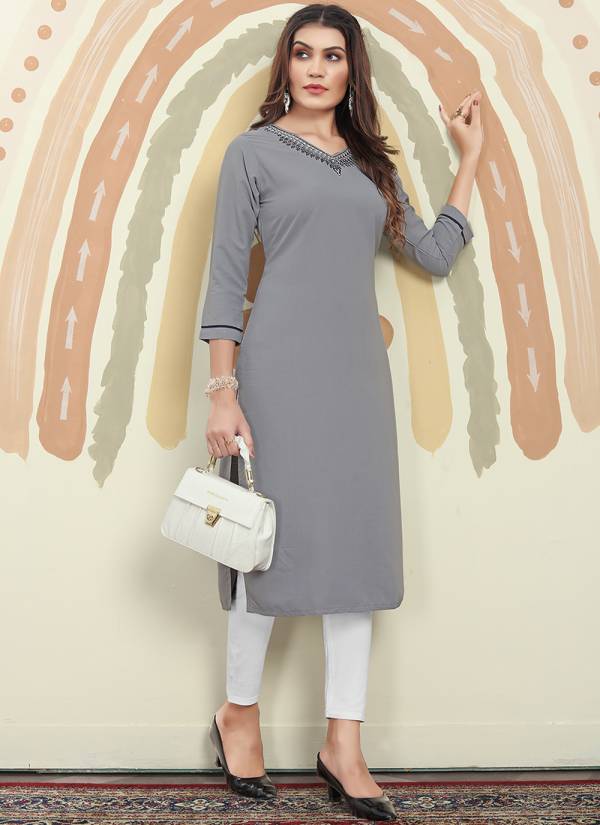
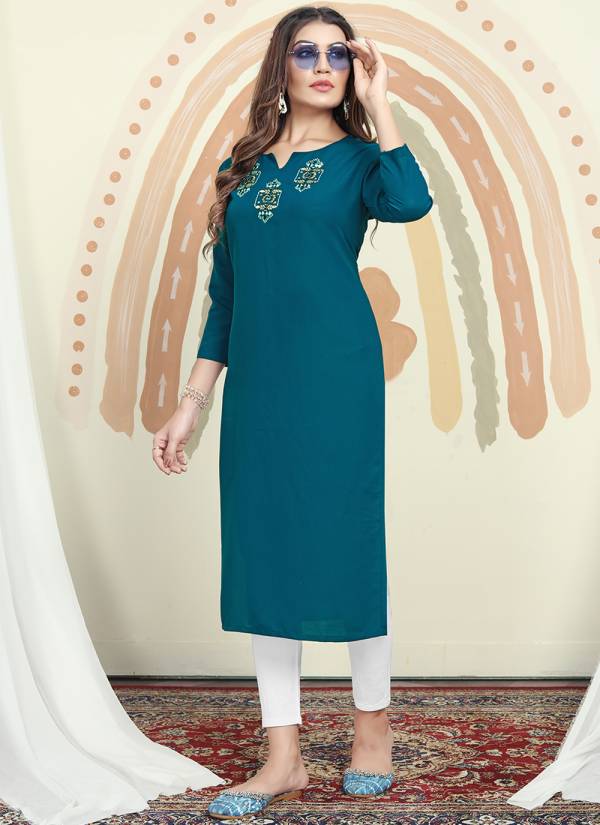
- Typical end uses: printed daywear, kurtis for the Asian trade, dress linings and flowing abaya layers
- Widths: 44”, 58” and 72” depending on construction
- Finishing: dyed, printed, embroidered or plain, with soft-flow and sanforised options
- Packing: rolled on tubes, poly-wrapped, export cartons or as per your warehouse standard
The Saudi Arabia buying calendar for rayon fabric
Rayon Fabric demand in Saudi Arabia tracks the spring and summer print cycles when drape sells the shelf, and buyers who plan a season ahead consistently get better allocation than spot purchasers. Our production calendar reserves capacity for Saudi Arabia programmes in those windows.
Ordering rayon fabric from this desk
- Enquiry: construction, weight, monthly volume and destination — answered with availability and indicative costing
- Verification: cuttings or a small trial lot so the fabric is judged on your floor, not on our word
- First order: 500–1,000 metres per shade for stock bases, mixed across constructions in one consignment
- Programme: scheduled dispatches with reserved capacity once the first lot sells through
Shipping to Saudi Arabia — the practical details
Every Saudi Arabia order ships with complete export documentation prepared by our own team. Sea freight runs via Jeddah Islamic Port and King Abdulaziz Port in Dammam for volume orders; air freight covers festival windows. Payment terms are discussed openly at enquiry stage — most first orders run on advance or letter of credit, relaxing as the relationship settles.
Talk to us about your rayon fabric supplier saudi arabia requirement
Tell us what your programme needs — constructions, weights, volumes and the retail window you are buying for. We come back with availability, indicative pricing and a realistic dispatch date, and buyers are welcome to verify quality with a trial lot before scaling up.
Rayon Fabric programme — what we weave and supply
The fabric programme behind this page is mill-direct Surat supply — weaving, dyeing, printing and finishing under one accountable desk, serving Saudi Arabia with the construction discipline that serious fabric buyers audit for. We develop and run natural fibres, regenerated cellulose, synthetics and the blend families between them, across the weight bands and finishes the trade actually specifies.
What that means practically: cotton programmes from voile-light shirting through canvas-heavy utility weights, silk and art-silk registers for the premium trade, the full polyester and nylon range from challis to technical constructions, and the fashion fabric families — georgette, crepe, satin, velvet, organza, jacquard, brocade — that garment programmes cut from. Printed, dyed, embroidered and textured finishes run on the same programme.
Bulk fabric supply runs on spec discipline: GSM tolerances held across the run, shade cards matched and archived per buyer, width options in the trade standards, and lot-level documentation that travels with the shipment. Development sampling moves in days because the clusters are local — the speed advantage that built this city's fabric trade still shows up in every programme we quote.
- Cotton fabrics — the workhorse range
- Silk fabrics — premium register
- Georgette, chiffon and crepe — drape family
- Printed fabrics — print cluster collections
- Finished garments — what the fabric becomes
Fabrics behind the range
Fabric engineering is weight, weave and finish discipline:
The specification at the centre of this page: rayon — print-friendly drape for daywear programmes. That is the construction band this programme is quoted against, and the spec sheet attached to your quotation will carry the exact GSM, weave and finish values the sampling lot runs on.
Cotton from 80 GSM voile to 220 GSM canvas, on plain, twill, satin and dobby constructions. Silk from 40 GSM chiffon through 120 GSM dupion. The polyester and viscose families across their full weight range, chosen where drape and cost discipline matter more than fibre romance. Then the fashion registers — georgette, crepe, satin, velvet, organza, jacquard, brocade — each with its own GSM band and finishing behaviour that decides how the end garment actually performs.
Every programme we quote is built on a specified construction, not a fibre name. "Cotton fabric" tells a buyer nothing until the GSM, weave and finish are attached — which is why our quotations run on spec sheets, and why the sampling stage exists: your hand on the cloth beats any description we could write.
The Surat advantage — a short history
Surat has been a textile trading city for longer than most trade routes have existed. Mughal-era ships carried the city's silk and cotton to the Persian Gulf and East Africa four centuries ago, and the British port records from the 1600s already describe a loom economy substantial enough to supply entire fleets. When the mill era arrived in the 1900s, Surat's weaving families simply moved from handlooms to powerlooms without letting go of the trading relationships that preceded them by generations.
The modern chapter began in the 1970s and 80s, when the city's mills took the synthetic-fibre revolution and ran with it. Polyester and nylon weaving, dyeing and printing grew into clusters — Ring Road, Sachin GIDC, Palsana — that today produce an outsized share of India's man-made fabric output. A city that once traded cloth now designs, weaves, dyes, prints, embroiders, stitches and exports it, all within a 30-kilometre industrial ring.
For an international buyer, this density is the practical advantage: the mill, the dyeing house, the embroidery unit and the packing floor sit close enough that a quality issue gets solved in a day, not a supply-chain quarter. Our desk works inside that ecosystem, and every page we publish is written from it.
About Ajmera Export — the brand behind this page
Ajmera Export operates where the buyer's risk actually lives: between the approved sample and the landed consignment. Our job is to make that gap boring. The company runs production and consolidation programmes across Surat's textile clusters — weaving to finishing to stitching to packing — under one accountable desk, so there is never a question of which vendor owns which defect.
The model is deliberately consolidated. One enquiry becomes one programme: fabric development, dyeing approval, stitching spec, private labelling if you want it, export packing to your market's retail standard, and documentation your customs broker does not have to interpret. Buyers running lean operations tell us the consolidation matters as much as the product — managing one supplier relationship costs less than managing five, in attention as much as in margin.
Our growth has come almost entirely from reorders and referrals, which in the Surat merchant community is both the cheapest and the least forgiving marketing channel available. A buyer who ships clean recommends you at a wedding, a family function, a trade association meeting. We like that economy. It keeps the standard where it belongs — on the floor, in the carton, at the port.
Why businesses choose us
- Direct desk access — the person quoting your order is accountable for shipping it
- Shrinkage, colourfastness and GSM testing on production lots, with results available on request
- Custom development welcomed — construction, weight and finish adapted to your market feedback
- Flexible order ladders that let a trial lot grow into a season programme without friction
- Long-term buyer economics: consistent reorders at consistent spec, with no drift between lots
Start your first order
The practical first step is a sample conversation. Tell us the products or fabric constructions you are evaluating, the volumes you realistically expect to place, and the delivery window you are planning against. We come back with a development plan: what we sample first, what the strike-off timeline looks like, and how the first order can start small enough to be comfortable and still hold production priority.
Every long programme we run today began exactly this way — one enquiry, one sample lot, one clean shipment, then a season calendar. The form on this page or a WhatsApp message both reach the same desk, and both get an answer from someone who can check your question on the production floor the same day.
Frequently Asked Questions
What is the minimum order quantity for rayon fabric supplier saudi arabia?
MOQs are flexible and depend on the construction — most fabric programmes start around 500 to 1,000 metres per shade for stock bases, and higher for custom-dyed or custom-woven lots. Mixed shipments combining several constructions in one container are routine for our buyers, so you can build a full fabric programme without over-committing to a single item.
How long does delivery to Saudi Arabia take?
Stock constructions dispatch within a week, and sea freight transit to Jeddah Islamic Port and King Abdulaziz Port in Dammam typically adds three to four weeks depending on sailing schedules. Air freight is available when you need to catch a retail window — tell us your deadline at enquiry stage and we will quote the realistic option, not the optimistic one.
Can you match the fabric we already buy?
Yes — send us a cutting of your current fabric and we will analyse weight, construction and finish, then send back a matched sample for your approval before any order is confirmed. This is the most common way buyers start with us, and it protects you from the classic switching risk of a new supplier.
Do you provide export documents for Saudi Arabia customs?
Every shipment includes a commercial invoice, packing list and certificate of origin prepared in-house. We can also arrange additional documentation your clearing agent requires — just tell us at order confirmation, not after dispatch, so nothing delays the consignment.
Which rayon fabric constructions are most ordered by Saudi Arabia buyers?
Printed daywear, kurtis for the Asian trade, dress linings and flowing abaya layers account for most of our Saudi Arabia volume — typically in 60 GSM challis+ weights. If you are unsure which construction suits your production line, describe your end product and we will recommend two or three options with cuttings.
Can you supply samples before we commit?
Fabric cuttings ship free for serious buyers — you cover only the courier. Full swatch cards and sample yardage are quoted nominally and adjusted against the first bulk order.
Can you match a sample or shade card we already sell?
Yes. Send us a physical swatch or a Pantone reference and our dyeing floor matches it on the actual base fabric before bulk production starts. You approve a strike-off, and only then does the lot run — that approval trail is what keeps reorders consistent.
What happens if a consignment arrives with defects?
We pre-empt this with the inspection stages above, but if a verified defect slips through, the claim route is simple: photographs and lot numbers within 15 days of landing, and we replace or credit the affected pieces on the next shipment. We would rather absorb a claim once than lose a repeat buyer.
Do you work with small businesses and startups?
Yes — every large buyer we work with today started with a trial lot. First orders run at accessible MOQs, and we scale the programme as your sell-through proves out. What we ask in return is clear communication on timelines so production slots are planned honestly.
Can we place our own brand labels and tags?
Yes. We run private-label programmes with your woven labels, hang tags and barcode stickers applied at our finishing floor before packing. You send the artwork, we manage application, and the goods arrive shelf-ready under your brand name.
Featured Range
Products for Saudi Arabia