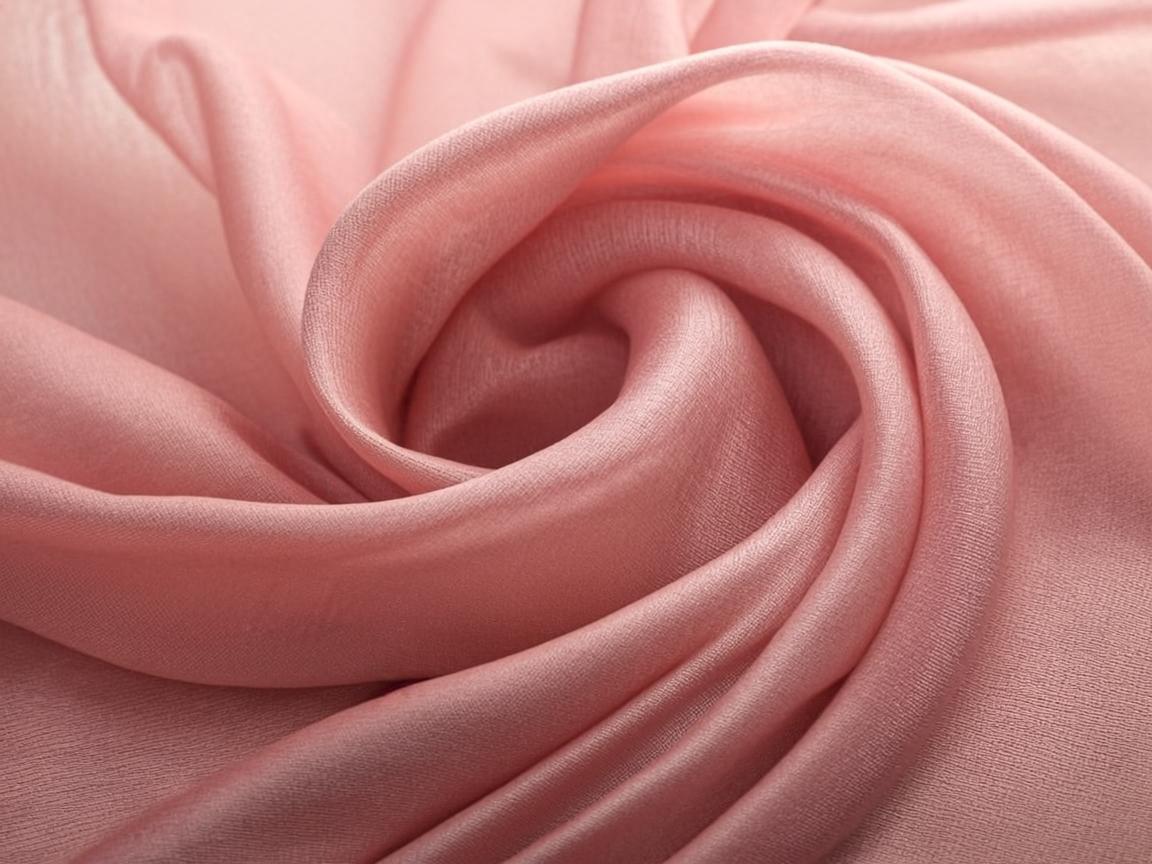
Sheila Fabric Manufacturer in UAE — Woven in Surat
light, flowing fabrics for Gulf sheila and shayla collections — supplied mill-direct to Dubai trading housess with shade-matched lots and custom finishing.
Weaving and finishing sheila fabric is a manufacturing discipline before it is a trading one — the looms, the dye houses and the finishing floors have to sit close enough together that a changed shade or a re-run construction is a workshop conversation, not a procurement cycle. That proximity is exactly how our UAE programme runs from Surat.
If you source sheila fabric supplier in uae for the UAE, you have probably noticed that the difference between suppliers is rarely the fabric itself — it is everything around it. Shade consistency across lots, honest lead times, paperwork that clears customs the first time, and a mill that actually answers when a shipment is mid-air. Sheila production rewards suppliers who understand subtle sheen — too glossy looks cheap, too matte looks lifeless on the shelf. Our finishing range gives Gulf brands the exact mid-sheen their customers expect.
We are a Surat-based manufacturer-exporter supplying sheila fabric to Dubai trading houses, Deira & Al Fahidi Souq wholesalers, abaya ateliers, Sharjah tailoring units and Abu Dhabi uniform manufacturers. Everything on this page — the constructions, the finishing options, the shipping details — reflects what our UAE buyers actually order, not a template. If something you need is not listed, ask us; half of what we now ship to the Gulf started as a buyer's special request.
Why UAE buyers source sheila fabric from Surat
Sheila Fabric moves with Ramadan and Eid retail peaks, Dubai Shopping Festival and the wedding season that runs October to April — planning production two seasons ahead is how our steadiest UAE buyers never face stock-outs.
The Gulf's sheila fabric trade runs on relationships that survive season after season — one bad lot costs a supplier more than a year of discounts earns. We hold sheila fabric quality to that standard because our UAE programmes are built on repeat buyers, not one-off containers.
- Consignment sizes that fit real UAE businesses — from trial lots for boutique testing to full season volumes for chains
- Shading and GSM held stable across repeat orders, so your tailoring or sewing floor never has to re-adjust patterns mid-season
- Direct-from-mill supply — the price you get is not padded by two layers of traders
- Export documentation (invoice, packing list, certificate of origin) prepared in-house, formatted for Jebel Ali and Sharjah Container Terminals clearance
- A WhatsApp-first export desk that replies in working hours — usually within a couple of hours, not days
Our sheila fabric programme
We supply light, flowing fabrics for Gulf sheila and shayla collections — a range built around what Gulf ateliers and tailoring houses actually cut and sell.
- Bases: chiffon, georgette, soft satins and modal blends
- Widths: 44” and 58” as standard, custom widths on request
- Colours: full shade card plus colour matching to your pantone or a cutting from your existing stock
- Finishing: soft-flow, pre-shrunk, brushed or standard mill finish
- Lots: shade-matched within lot and across lots for continuing programmes
- Packing: tube-rolled, poly-wrapped, carton-packed for export to Jebel Ali and Sharjah Container Terminals
Sheila production rewards suppliers who understand subtle sheen — too glossy looks cheap, too matte looks lifeless on the shelf. Our finishing range gives Gulf brands the exact mid-sheen their customers expect.
Shipping to UAE — the practical details
Every UAE order ships with complete export documentation prepared by our own team — commercial invoice, packing list and certificate of origin included as standard. We ship sea freight via Jebel Ali and Sharjah Container Terminals for volume orders, and air freight when you are catching a retail window. For buyers running just-in-time production, we hold buffer stock of fast-moving constructions so repeat orders dispatch within days rather than weeks.
Payment terms are discussed openly at enquiry stage — most first orders run on advance or letter of credit, with relaxed terms as the relationship settles. Our quoting is always in USD, with indicative AED conversions if that helps your internal approvals.
Talk to us about your sheila fabric supplier in uae requirement
The fastest way forward is a short enquiry with your construction, weight, monthly volume and destination port — our export desk will come back with availability, indicative pricing and lead times. Buyers are welcome to request a fabric cutting or a small trial lot before committing to volume. We have been supplying the UAE long enough to know that the first honest quotation matters more than any sales pitch.
MOQs, samples and how a first order runs
First orders on this programme typically run 20–50 pieces per design mixed across sizes and colours for garments, or 500–1,000 metres per shade for fabric — sized so a UAE buyer tests the market without warehousing a season. Samples of shortlisted pieces ship on a courier account, with sample costs adjusted against the first bulk order. Video walk-throughs of current stock run on appointment, which is how most of our long-distance buyers shortlist before any cutting travels.
Repeat programmes are where the pricing and the allocation improve: reserved production slots, shade standards held on file, and dispatch calendars planned against UAE retail windows rather than mill convenience.
Why buyers consolidate with one Surat desk
- One supplier across the full range — fabrics, garments, kids and menswear under one accountable desk
- One documentation chain instead of five — invoice, packing list and certificate of origin prepared together
- Mixed consignments so a full season programme ships in one container, cutting per-piece landed cost
- A reorder desk that keeps programme history, so a single message re-triggers your standard mix
- Export experience across 30+ countries applied to every UAE consignment
Modest-wear fabric and garment collections we supply
Modest-wear supply is its own discipline — the Gulf counter judges fabric on drape, opacity, crease recovery and how the base takes embellishment, and the tailoring trade around it judges shade consistency across millions of garments. Our programme serving UAE covers both sides: the fabric yardage that ateliers and thobe chains cut from, and the finished-garment consolidation that retail groups source directly.
The fabric programme runs the full modest-wear register — flowing bases for abaya layers, crisp shirting for kandora and thobe production, premium black yardage with the sheen and hand-feel the boutique tier demands, plus sheila, hijab and kaftan cloths. Weight bands, opacity standards and GSM tolerances are held to the spec discipline the regional trade audits for.
On the garment side, our consolidation covers occasion wear and the ethnic programmes that Gulf retail groups run alongside their core modest-wear counters — the diaspora demand for sarees, kurtis and suit programmes rides the same shipping calendar. Buyers managing both sides of the shelf source them from one desk for exactly that calendar discipline.
- Fabrics — the weaving cluster range
- Ethnic wear collections — diaspora counter programmes
- Gowns — occasion range
- Kurtis — rotation programmes
Fabrics behind the range
Modest-wear fabric standards are specific and testable:
The fabric ladder runs from voile-light summer cloths through mid-weight Challis and poplin families, the suiting and shirting weights, and up to canvas and heavy furnishing constructions. Natural fibres cover the comfort trade; regenerated cellulose — viscose, modal, the Tencel family — carries the drape-led programmes; synthetics hold the technical and price-disciplined tiers.
Finish determines shelf behaviour as much as the base cloth does. The same 100 GSM cotton reads crisp or soft depending on mercerising; the same georgette drapes clean or stiff depending on the finishing heat profile. We hold those finish specs on file per buyer, because reorder drift in finish is as damaging as shade drift — and both are preventable with archived standards.
The Surat advantage — a short history
Surat's textile economy runs on proximity. Within a short drive of any finishing floor in the city you can reach spinning sources, weaving sheds, dyeing and printing process houses, embroidery units, stitching units, label printers, carton makers and the freight forwarders who consolidate all of it into export containers. Other textile cities have some of these layers; Surat's advantage is having all of them, at scale, competing with each other on turnaround.
The city earned that stack one decade at a time. Handloom weaving families industrialised into powerloom cooperatives through the mid-1900s. The polyester boom of the 80s and 90s pulled in process houses and printers. The embroidery boom of the 2000s added computerised multi-head machines by the thousand. Each wave trained a workforce the next wave hired, which is why the city's average textile worker today is multi-skilled across processes that would be separate trades elsewhere.
For buyers, the practical result is developmental speed. A concept reaches a counter-sample in days, a strike-off within the week, and a production slot follows the approval rather than the calendar quarter. We build our export programmes on exactly that responsiveness, and we think the history matters because it explains the mechanics behind the promise.
About Ajmera Export — the brand behind this page
The desk behind this page answers its own enquiries — no agent layer, no trading-company blur. When you message Ajmera Export about a programme, the reply comes from someone who can walk onto the production floor the same afternoon and check the detail you asked about. That directness is unusual in international textile trade, and it is the main reason buyers who start with a trial lot tend to still be with us years later.
Our programmes span the ethnic wear wardrobe — women's, men's and kids — the home textile line in towels and bedding, and the fabric trade that Surat's mills are globally known for. Development happens fast because the clusters are local: sampling in days, strike-offs within the week, production slotted honestly against real capacity rather than optimistic promises.
Commercially, we keep the structure simple: MOQs that respect where a buyer is today rather than where a supplier wishes they were, private labelling available from the first order, and a claims process that resolves on evidence instead of argument. The result our buyers care about — the one we build everything around — is that the reorder looks exactly like the approval sample, every time.
Why businesses choose us
- Direct desk access — the person quoting your order is accountable for shipping it
- Shrinkage, colourfastness and GSM testing on production lots, with results available on request
- Custom development welcomed — construction, weight and finish adapted to your market feedback
- Flexible order ladders that let a trial lot grow into a season programme without friction
- Long-term buyer economics: consistent reorders at consistent spec, with no drift between lots
Start your first order
The practical first step is a sample conversation. Tell us the products or fabric constructions you are evaluating, the volumes you realistically expect to place, and the delivery window you are planning against. We come back with a development plan: what we sample first, what the strike-off timeline looks like, and how the first order can start small enough to be comfortable and still hold production priority.
Every long programme we run today began exactly this way — one enquiry, one sample lot, one clean shipment, then a season calendar. The form on this page or a WhatsApp message both reach the same desk, and both get an answer from someone who can check your question on the production floor the same day.
Frequently Asked Questions
What is the minimum order quantity for sheila fabric supplier in uae?
MOQs are flexible and depend on the construction — most fabric programmes start around 500 to 1,000 metres per shade for stock bases, and higher for custom-dyed or custom-woven lots. Mixed shipments combining several constructions in one container are routine for our Gulf buyers, so you can build a full fabric programme without over-committing to a single item.
How long does delivery to UAE take?
Stock constructions dispatch within a week, and sea freight transit to Jebel Ali and Sharjah Container Terminals typically adds three to four weeks depending on sailing schedules. Air freight is available when you need to catch a retail window — tell us your deadline at enquiry stage and we will quote the realistic option, not the optimistic one.
Can you match the fabric we already buy?
Yes — send us a cutting of your current fabric and we will analyse weight, construction and finish, then send back a matched sample for your approval before any order is confirmed. This is the most common way Gulf buyers start with us, and it protects you from the classic switching risk of a new supplier.
Featured Range
Products for UAE