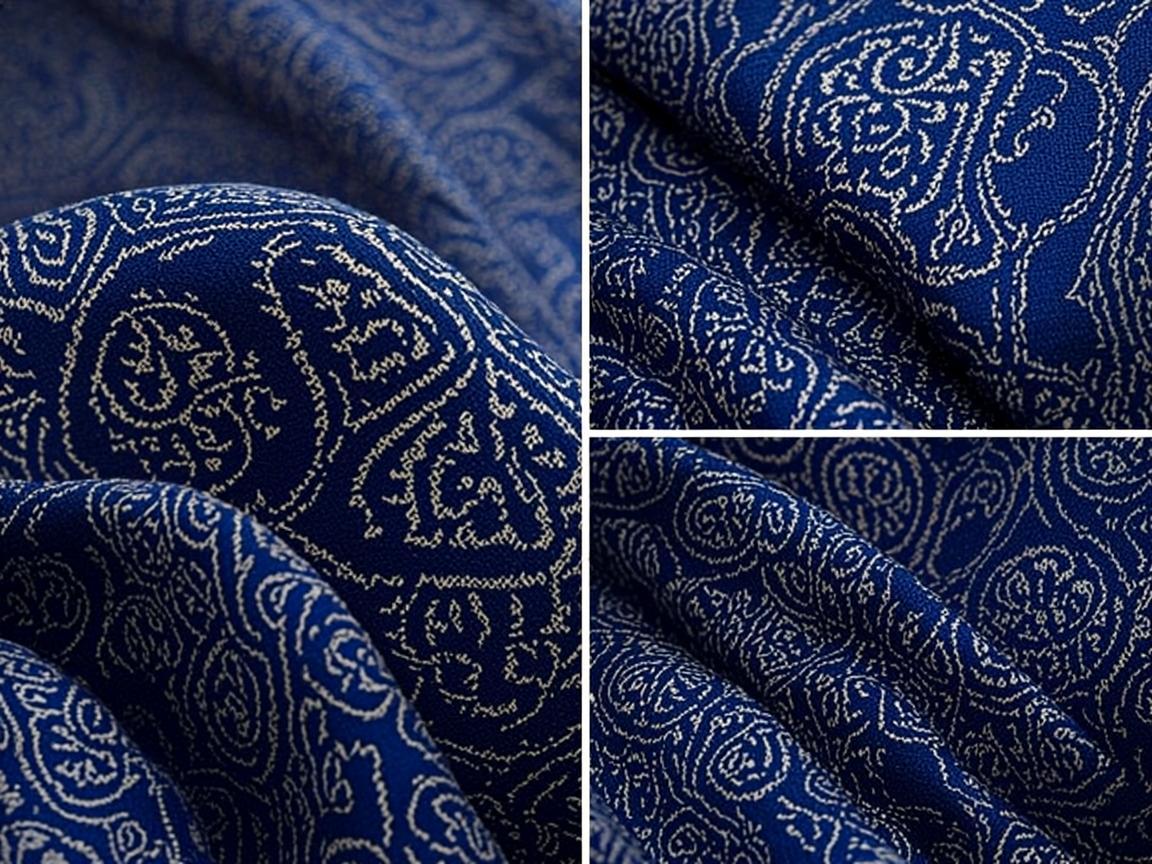
Sheila Fabric Supplier in UAE — Woven & Finished in Surat
light, flowing fabrics for Gulf sheila and shayla collections — supplied mill-direct to Dubai trading housess with shade-matched lots, custom finishing and full export documentation via Jebel Ali and Sharjah Container Terminals.
Every trade has its reliable route, and for sheila fabric for the UAE this page is ours — written by the desk that runs the consignments, not by an agency. The constructions, the tolerances and the shipping details below are the ones our buyers actually work with, season after season.
Sheila production rewards suppliers who understand subtle sheen — too glossy looks cheap, too matte looks lifeless on the shelf. Our finishing range gives Gulf brands the exact mid-sheen their customers expect.
We supply light, flowing fabrics for Gulf sheila and shayla collections to Dubai trading houses, Deira and Al Fahidi souq wholesalers, abaya ateliers, Sharjah tailoring units and Abu Dhabi uniform manufacturers, and fabric demand in the Emirates splits three ways — abaya and sheila bases for the local ateliers, shirting for the kandora tailors, and fashion yardage feeding the re-export trade through Deira.
Our sheila fabric programme
The programme is built around what UAE ateliers and production floors actually cut and sell — the bases, the widths and the finishes that survive a full retail season.
- Bases: chiffon, georgette, soft satins and modal blends
- Widths: 44” and 58” as standard, custom widths on request
- Colours: full shade card plus matching to your pantone or a cutting from existing stock
- Finishing: soft-flow, pre-shrunk, brushed or standard mill finish
- Lots: shade-matched within lot and across lots for continuing programmes
- Packing: tube-rolled, poly-wrapped, carton-packed for export to Jebel Ali and Sharjah Container Terminals
Why UAE buyers stay with this desk
- Consignment sizes that fit real UAE businesses — from trial lots to full season volumes
- Shade discipline that holds across lots, because one drifted lot costs a season of trust
- Direct-from-mill supply without trading-house padding
- Documentation formatted for Jebel Ali and Sharjah Container Terminals clearance, prepared in-house
The UAE calendar
Sheila Fabric demand in the UAE moves with Ramadan and Eid retail peaks, the Dubai Shopping Festival and the wedding season that runs October to April. UAE buyers think in re-export terms: one consignment serves their own boutiques, their GCC wholesale customers and their East Africa trade in a single landed cost calculation.
How supply relationships start
New sheila fabric buyers usually begin with a fabric cutting and a video walk-through of the current programme, then a trial lot of the specific bases their production will actually cut. The trial answers the questions a catalogue cannot — how the fabric behaves on their machines, how the shade sits under their shop lights, how the finishing survives their handling. Once the trial passes, season programmes run on reserved capacity with shade standards held on file.
Shipping to UAE — the practical details
Sea freight via Jebel Ali and Sharjah Container Terminals with air freight for festival windows. Every consignment carries the full documentation pack, and payment structures are discussed openly at enquiry stage.
Talk to us about your sheila fabric supplier uae requirement
The practical next step is a short enquiry about your sheila fabric supplier uae requirement — construction, monthly volume and destination. Our export desk replies within working hours with availability, indicative pricing and honest lead times, and serious buyers can start with a trial lot before any programme commitment.
Modest-wear fabric and garment collections we supply
Modest-wear supply is its own discipline — the Gulf counter judges fabric on drape, opacity, crease recovery and how the base takes embellishment, and the tailoring trade around it judges shade consistency across millions of garments. Our programme serving UAE covers both sides: the fabric yardage that ateliers and thobe chains cut from, and the finished-garment consolidation that retail groups source directly.
The fabric programme runs the full modest-wear register — flowing bases for abaya layers, crisp shirting for kandora and thobe production, premium black yardage with the sheen and hand-feel the boutique tier demands, plus sheila, hijab and kaftan cloths. Weight bands, opacity standards and GSM tolerances are held to the spec discipline the regional trade audits for.
On the garment side, our consolidation covers occasion wear and the ethnic programmes that Gulf retail groups run alongside their core modest-wear counters — the diaspora demand for sarees, kurtis and suit programmes rides the same shipping calendar. Buyers managing both sides of the shelf source them from one desk for exactly that calendar discipline.
- Fabrics — the weaving cluster range
- Ethnic wear collections — diaspora counter programmes
- Gowns — occasion range
- Kurtis — rotation programmes
Fabrics behind the range
Modest-wear fabric standards are specific and testable:
The fabric ladder runs from voile-light summer cloths through mid-weight Challis and poplin families, the suiting and shirting weights, and up to canvas and heavy furnishing constructions. Natural fibres cover the comfort trade; regenerated cellulose — viscose, modal, the Tencel family — carries the drape-led programmes; synthetics hold the technical and price-disciplined tiers.
Finish determines shelf behaviour as much as the base cloth does. The same 100 GSM cotton reads crisp or soft depending on mercerising; the same georgette drapes clean or stiff depending on the finishing heat profile. We hold those finish specs on file per buyer, because reorder drift in finish is as damaging as shade drift — and both are preventable with archived standards.
The Surat advantage — a short history
Surat has been a textile trading city for longer than most trade routes have existed. Mughal-era ships carried the city's silk and cotton to the Persian Gulf and East Africa four centuries ago, and the British port records from the 1600s already describe a loom economy substantial enough to supply entire fleets. When the mill era arrived in the 1900s, Surat's weaving families simply moved from handlooms to powerlooms without letting go of the trading relationships that preceded them by generations.
The modern chapter began in the 1970s and 80s, when the city's mills took the synthetic-fibre revolution and ran with it. Polyester and nylon weaving, dyeing and printing grew into clusters — Ring Road, Sachin GIDC, Palsana — that today produce an outsized share of India's man-made fabric output. A city that once traded cloth now designs, weaves, dyes, prints, embroiders, stitches and exports it, all within a 30-kilometre industrial ring.
For an international buyer, this density is the practical advantage: the mill, the dyeing house, the embroidery unit and the packing floor sit close enough that a quality issue gets solved in a day, not a supply-chain quarter. Our desk works inside that ecosystem, and every page we publish is written from it.
About Ajmera Export — the brand behind this page
Ajmera Export is a Surat-based textile and ethnic wear export house built around a simple operating rule: quote honestly, ship clean, and treat the reorder as the real product. The company runs a consolidated sourcing and finishing operation across the city's weaving, dyeing, printing and stitching clusters, which means a buyer deals with one desk — ours — instead of chasing five vendors through a supply chain they cannot see.
The range we manufacture and consolidate covers the full ethnic wardrobe — sarees, kurtis, lehengas, gowns, salwar and Pakistani suit programmes, menswear, kids ethnic — alongside home textile lines in towels and bedsheets, and the fabric yardage trade the city itself is famous for. Every programme is export-graded: shrinkage-tested, colourfastness-checked and packed to destination-market shelf standards.
What we ask of new buyers is the same thing we give them: straight answers. If a lead time is tight, we say so. If a construction will not hold the embroidery weight you want, we propose the one that will. Export relationships that start on candour tend to still be running five years later — and that is the only growth strategy this company has ever needed.
Why businesses choose us
- Family-trade accountability in a merchant community where reputation travels faster than marketing
- Honest lead times quoted against real machine capacity, not sales optimism
- Archived buyer files — reorder a programme a year later and the spec is still on record
- Export documentation pack prepared before vessel sailing, so clearance never waits on paperwork
- One consolidated invoice across categories, from fabric yardage to finished garment programmes
Start your first order
The practical first step is a sample conversation. Tell us the products or fabric constructions you are evaluating, the volumes you realistically expect to place, and the delivery window you are planning against. We come back with a development plan: what we sample first, what the strike-off timeline looks like, and how the first order can start small enough to be comfortable and still hold production priority.
Every long programme we run today began exactly this way — one enquiry, one sample lot, one clean shipment, then a season calendar. The form on this page or a WhatsApp message both reach the same desk, and both get an answer from someone who can check your question on the production floor the same day.
Frequently Asked Questions
What is the minimum order quantity for sheila fabric supplier uae?
MOQs are flexible and depend on the construction — most fabric programmes start around 500 to 1,000 metres per shade for stock bases, and higher for custom-dyed or custom-woven lots. Mixed shipments combining several constructions in one container are routine for our buyers, so you can build a full fabric programme without over-committing to a single item.
How long does delivery to UAE take?
Stock constructions dispatch within a week, and sea freight transit to Jebel Ali and Sharjah Container Terminals typically adds three to four weeks depending on sailing schedules. Air freight is available when you need to catch a retail window — tell us your deadline at enquiry stage and we will quote the realistic option, not the optimistic one.
Can you match the fabric we already buy?
Yes — send us a cutting of your current fabric and we will analyse weight, construction and finish, then send back a matched sample for your approval before any order is confirmed. This is the most common way buyers start with us, and it protects you from the classic switching risk of a new supplier.
Featured Range
Products for UAE