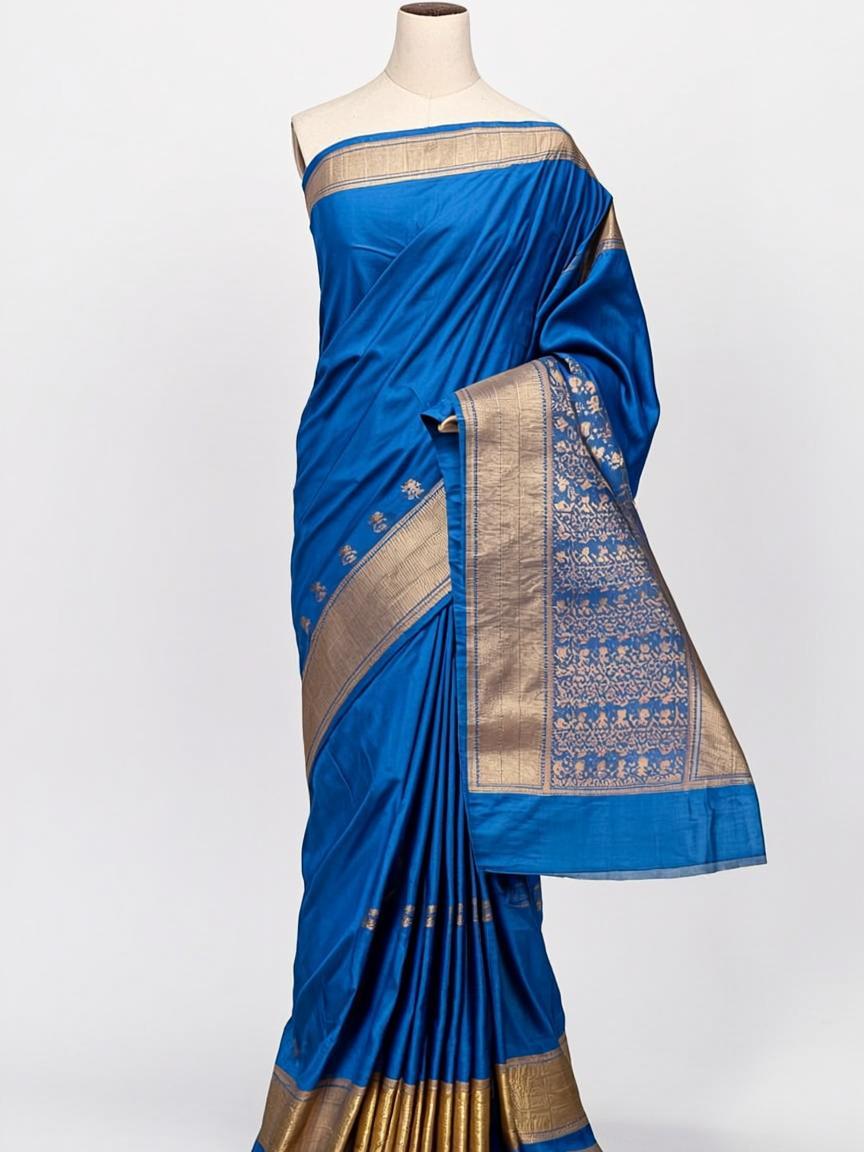
Silk Sarees Wholesale Supplier in Australia — Export from Surat
Silk Sarees manufactured in Surat and shipped to Sydney, Melbourne, Brisbane, Perth and Adelaide — mixed lots, private label and festival-ready supply windows for Australia retailers and boutiques.
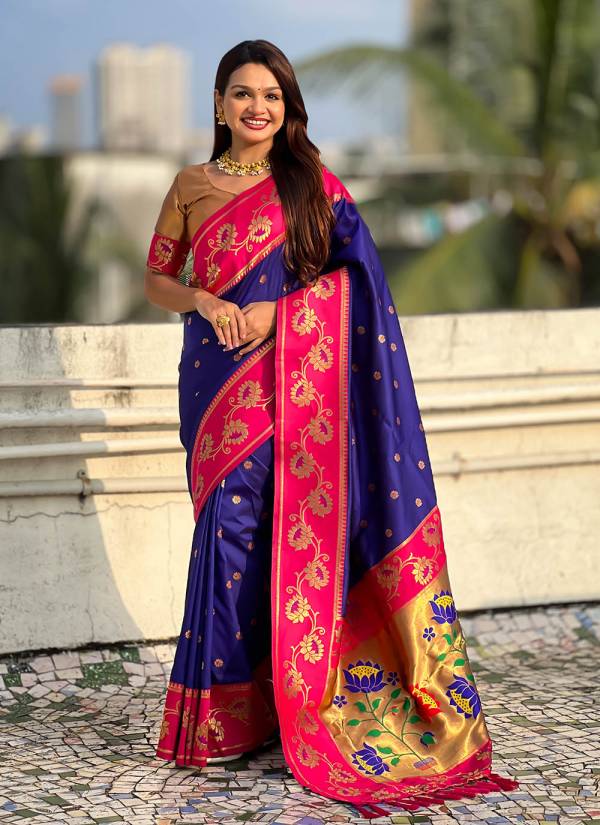
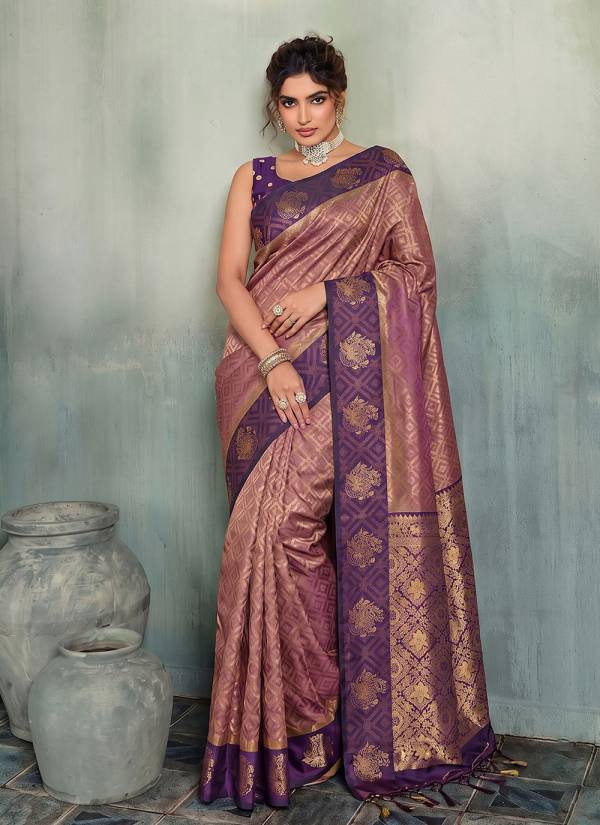
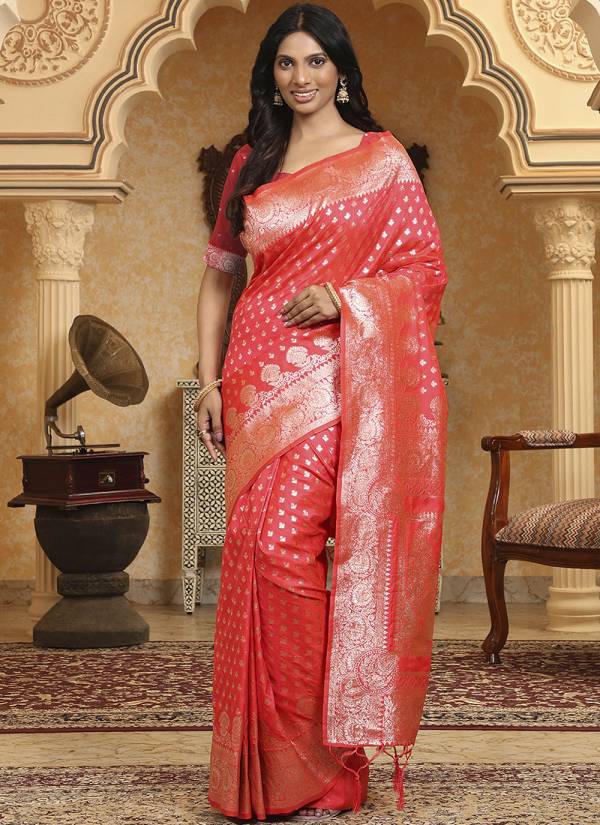
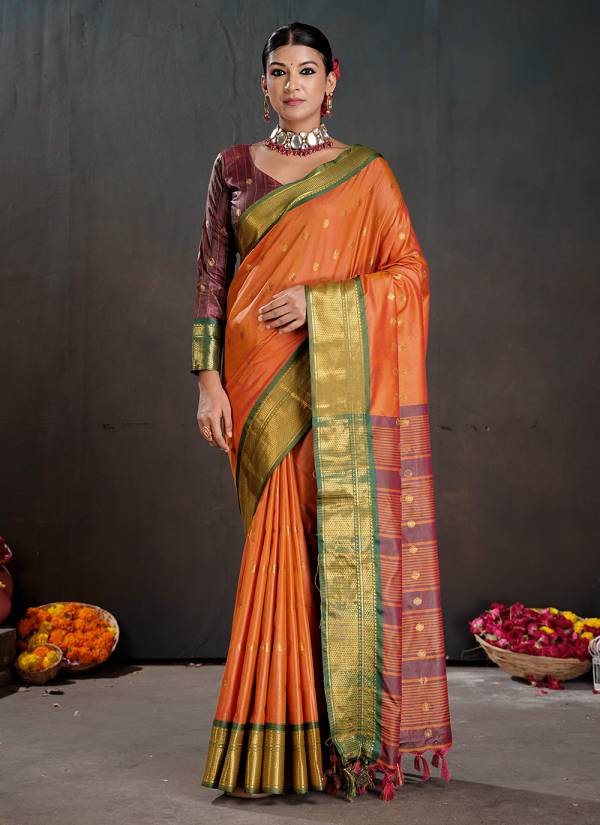
Silk sarees carry the ceremonial weight of the category — the bridal trousseaus, the temple calendars and the milestone gifting that runs through every diaspora community. Buyers favour authentic weaves over imitations, and our silk programme is sourced accordingly.
Sarees, kurtis, lehengas and kids ethnic wear, with steady growth in Pakistani suits and gowns.
What Australia buyers order
- Banarasi and Kanjivaram-style silks for bridal retail
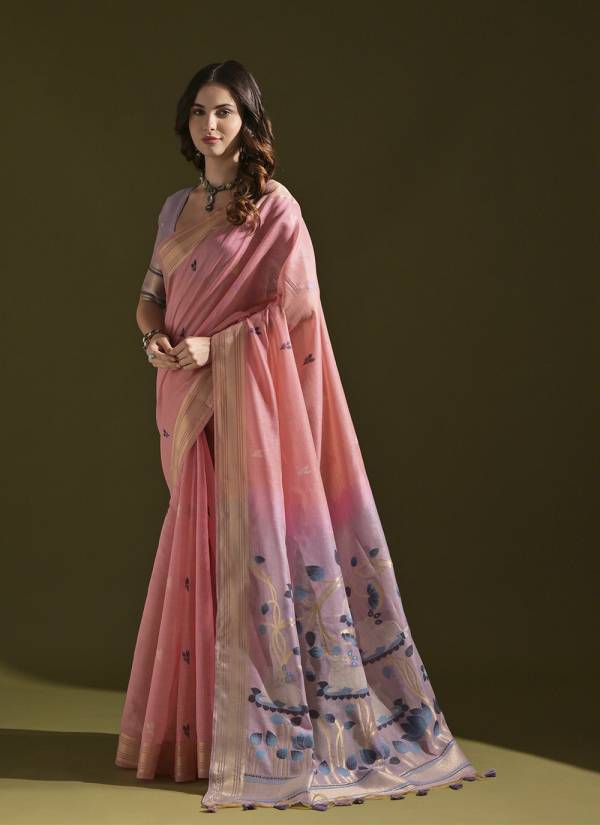
- Soft silks and art silks for ceremonial price bands
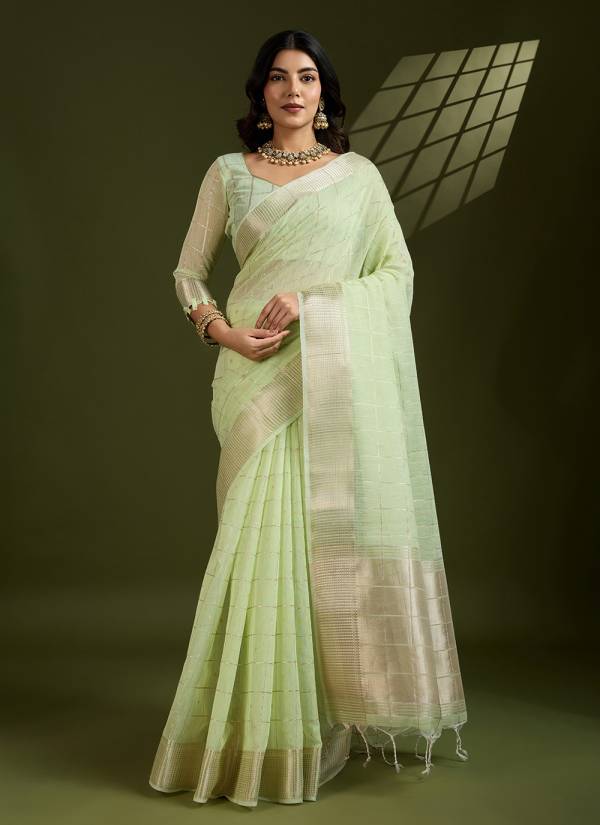
- Silk-cotton blends for practical daily-ceremonial wear
- Zari authenticity across the wedding-weight programme
Why Australia buyers stay with us
- Mixed-lot ordering — sizes, colours and designs combined to reach viable minimums without over-buying any single style
- Festival calendar planning — production slots reserved ahead of Australia's diwali, holi, eid and the october–march wedding season
- Private-label ready — your tags, your packaging inserts, your barcodes
- Photography-friendly finishing — pieces arrive pressed and shelf-ready, cutting your content-creation time
- Australian buyers order with the southern season flip in mind — our production calendar plans Diwali and wedding stock for their October–March peak, and the smaller order sizes suit our mixed-lot approach.
Shipping to Australia
Sea freight runs 3–4 weeks to Sydney and Melbourne; air freight for festival windows. Documentation and packing prepared to Australian import standards.
Sizing, grading and private label for Australia
Size runs are graded for the market we ship to. We grade our size runs for the market we ship to — Australia buyers typically request fuller cuts or extended sizing, and our pattern team adjusts the base grading on confirmed orders.
- Extended and plus-size grading on adjusted patterns, not scaled-up standard charts
- Private-label tags, barcoded labels and packaging inserts applied before dispatch
- Care labels and fibre declarations prepared for Australia retail compliance
- Photographed pieces with consistent backgrounds so your listings go up without a reshoot
What a first silk sarees order looks like
The entry path is deliberately low-risk: an enquiry with your quantity range, a video walk-through of current stock and catalogues, then physical samples of the shortlisted pieces. First orders typically run 20–50 pieces per design mixed across sizes and colours for garments, or 500–1,000 metres per shade for fabric programmes — enough to test the shelf without warehousing a season. The buyers who scale fastest treat the first order as a market test: they watch which designs move in the first fortnight, then use our mixed-lot structure to reorder the winners in depth while dropping the slow movers quietly.
Repeat programmes run on reserved capacity. Once a Australia buyer confirms a seasonal programme, we hold loom and finishing slots against their calendar, keep their shade standards on file, and dispatch on a schedule their merchandising can plan around — the difference between a supplier who ships and a partner who plans.
Start with an enquiry
Tell us what your programme needs — constructions, weights, volumes and the retail window you are buying for. We come back with availability, indicative pricing and a realistic dispatch date, and buyers are welcome to verify quality with a trial lot before scaling up.
Saree collections we manufacture and export
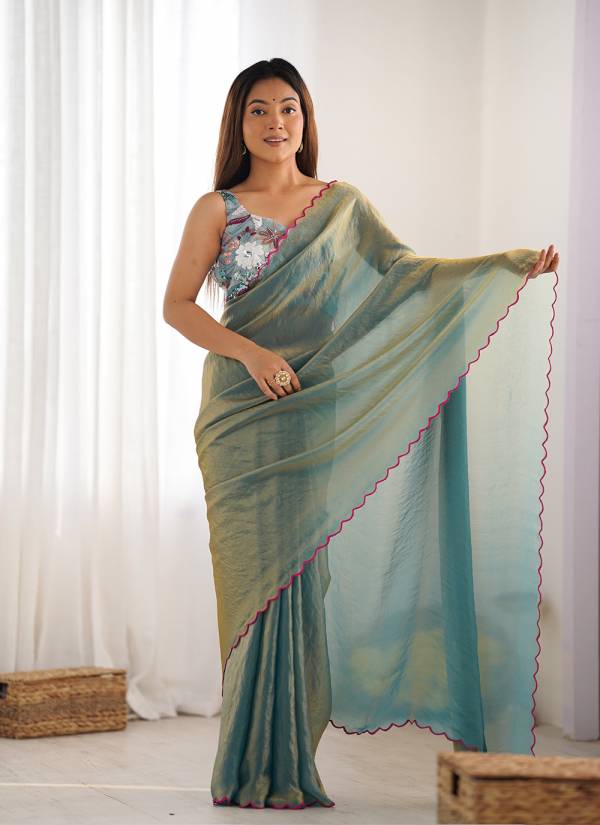
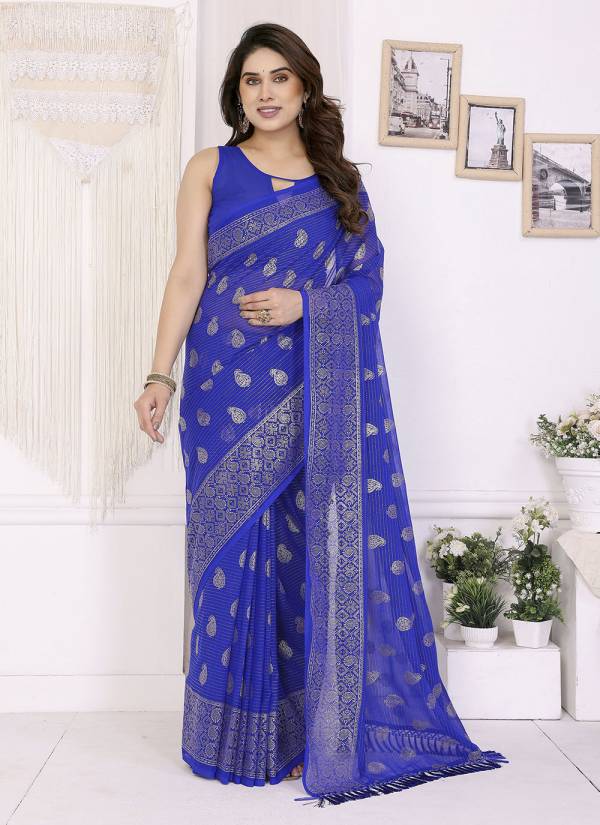
The saree programme is the deepest catalogue we run — Surat's original trade, engineered for export counters in Australia. The range spans everyday printed sarees in cotton and georgette through to silk-weight occasion sarees, Banarasi-style woven borders, designer sarees with embroidery and zari work, and the wedding-shelf pieces that anchor bridal retail.
Export saree programmes live or die on consistency: the blouse piece dyed to match the body, the fall and pico finished cleanly, and the pleating that photographs well on a retail rail. We run those finishing disciplines in-house, and every saree is pressed, folded and poly-sleeved to shelf standard before it enters the carton.
Bulk saree lots are organized by weight bands and occasion tiers so buyers can architect a counter that serves daily wear, office wear and wedding traffic from one supplier relationship. Blouse pieces ship attached or separate per your counter format, and petticoat attach programmes are available for the one-stop saree sale.
- Designer Sarees — occasion and bridal shelf
- Silk Sarees — woven tradition range
- Cotton Sarees — daily wear workhorse
- Printed Sarees — print cluster collections
- Banarasi Sarees — zari weave programme
- Wedding Sarees — bridal counter range
- Georgette & Party Sarees
Fabrics behind the range
Sarees run the full fabric ladder — the same drape story changes register entirely by base cloth:
The fabric ladder runs from voile-light summer cloths through mid-weight Challis and poplin families, the suiting and shirting weights, and up to canvas and heavy furnishing constructions. Natural fibres cover the comfort trade; regenerated cellulose — viscose, modal, the Tencel family — carries the drape-led programmes; synthetics hold the technical and price-disciplined tiers.
Finish determines shelf behaviour as much as the base cloth does. The same 100 GSM cotton reads crisp or soft depending on mercerising; the same georgette drapes clean or stiff depending on the finishing heat profile. We hold those finish specs on file per buyer, because reorder drift in finish is as damaging as shade drift — and both are preventable with archived standards.
The Surat advantage — a short history
Surat has been a textile trading city for longer than most trade routes have existed. Mughal-era ships carried the city's silk and cotton to the Persian Gulf and East Africa four centuries ago, and the British port records from the 1600s already describe a loom economy substantial enough to supply entire fleets. When the mill era arrived in the 1900s, Surat's weaving families simply moved from handlooms to powerlooms without letting go of the trading relationships that preceded them by generations.
The modern chapter began in the 1970s and 80s, when the city's mills took the synthetic-fibre revolution and ran with it. Polyester and nylon weaving, dyeing and printing grew into clusters — Ring Road, Sachin GIDC, Palsana — that today produce an outsized share of India's man-made fabric output. A city that once traded cloth now designs, weaves, dyes, prints, embroiders, stitches and exports it, all within a 30-kilometre industrial ring.
For an international buyer, this density is the practical advantage: the mill, the dyeing house, the embroidery unit and the packing floor sit close enough that a quality issue gets solved in a day, not a supply-chain quarter. Our desk works inside that ecosystem, and every page we publish is written from it.
About Ajmera Export — the brand behind this page
Ajmera Export is a Surat-based textile and ethnic wear export house built around a simple operating rule: quote honestly, ship clean, and treat the reorder as the real product. The company runs a consolidated sourcing and finishing operation across the city's weaving, dyeing, printing and stitching clusters, which means a buyer deals with one desk — ours — instead of chasing five vendors through a supply chain they cannot see.
The range we manufacture and consolidate covers the full ethnic wardrobe — sarees, kurtis, lehengas, gowns, salwar and Pakistani suit programmes, menswear, kids ethnic — alongside home textile lines in towels and bedsheets, and the fabric yardage trade the city itself is famous for. Every programme is export-graded: shrinkage-tested, colourfastness-checked and packed to destination-market shelf standards.
What we ask of new buyers is the same thing we give them: straight answers. If a lead time is tight, we say so. If a construction will not hold the embroidery weight you want, we propose the one that will. Export relationships that start on candour tend to still be running five years later — and that is the only growth strategy this company has ever needed.
Why businesses choose us
- Family-trade accountability in a merchant community where reputation travels faster than marketing
- Honest lead times quoted against real machine capacity, not sales optimism
- Archived buyer files — reorder a programme a year later and the spec is still on record
- Export documentation pack prepared before vessel sailing, so clearance never waits on paperwork
- One consolidated invoice across categories, from fabric yardage to finished garment programmes
Start your first order
The practical first step is a sample conversation. Tell us the products or fabric constructions you are evaluating, the volumes you realistically expect to place, and the delivery window you are planning against. We come back with a development plan: what we sample first, what the strike-off timeline looks like, and how the first order can start small enough to be comfortable and still hold production priority.
Every long programme we run today began exactly this way — one enquiry, one sample lot, one clean shipment, then a season calendar. The form on this page or a WhatsApp message both reach the same desk, and both get an answer from someone who can check your question on the production floor the same day.
Frequently Asked Questions
What is the MOQ for wholesale silk sarees for Australia?
Most of our silk sarees export orders start at 20–50 pieces per design mixed across sizes and colours. Bridal and premium lines run on smaller MOQs with higher per-piece work, while daily-wear volume programmes need larger commitments for the pricing to work. Send your quantity range and we will structure the order around it.
How long does shipping to Australia take?
Sea freight runs 3–4 weeks to Sydney and Melbourne; air freight for festival windows. Documentation and packing prepared to Australian import standards.
Can you handle private label for our Australia store?
Yes — private label tagging, custom packaging inserts and barcoded labels are routine for our buyers. Share your label artwork and packaging spec at order confirmation and we handle the rest before dispatch.
Do you carry sizes suited to Australia customers?
Featured Range
Products for Australia